Consumers exploring cannabinoid products often face a choice between CBD gummies and hemp oil. Both formats deliver beneficial compounds, but they differ significantly in their delivery method, onset time, dosage control, and overall user experience. Understanding these distinctions is crucial for integrating either option effectively into a wellness routine, aligning the product with individual preferences and specific needs.
Understanding the Core Components
CBD Gummies: Formulation and Appeal
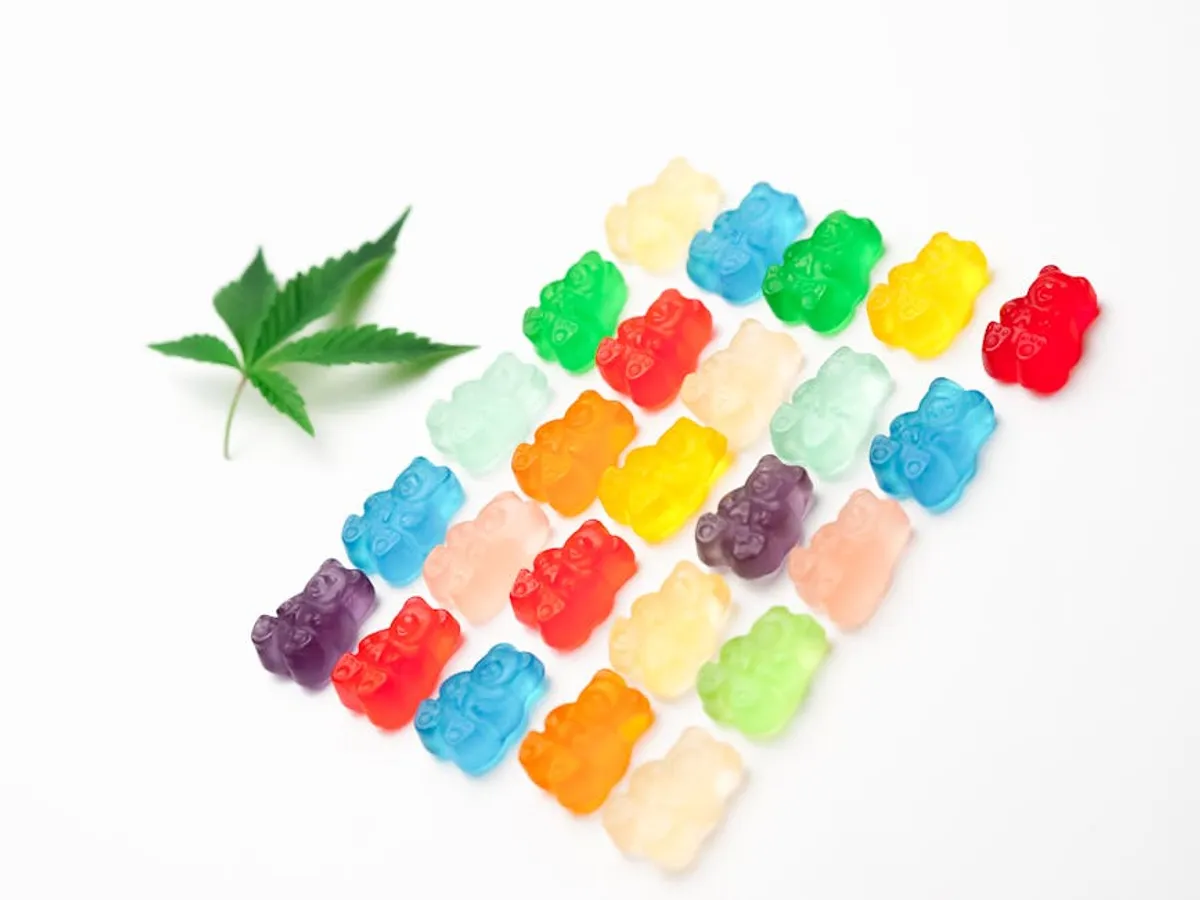
CBD gummies are edible candies infused with cannabidiol (CBD) extract. They typically feature a base of gelatin or pectin, combined with sweeteners, natural or artificial flavorings, and sometimes colorings. The CBD content per gummy is pre-measured, offering a discreet and palatable way to consume cannabinoids. Gummies often contain either CBD isolate (pure CBD), broad-spectrum CBD (CBD plus other cannabinoids and terpenes, but no THC), or full-spectrum CBD (all compounds found in the hemp plant, including trace amounts of THC, usually below 0.3%). Their primary appeal lies in ease of use, taste, and portability, making them a popular choice for those seeking a straightforward, enjoyable consumption method without the earthy taste sometimes associated with oils. Before selecting gummies, consider common questions about hemp products and their effects.
Hemp Oil: Composition and Delivery
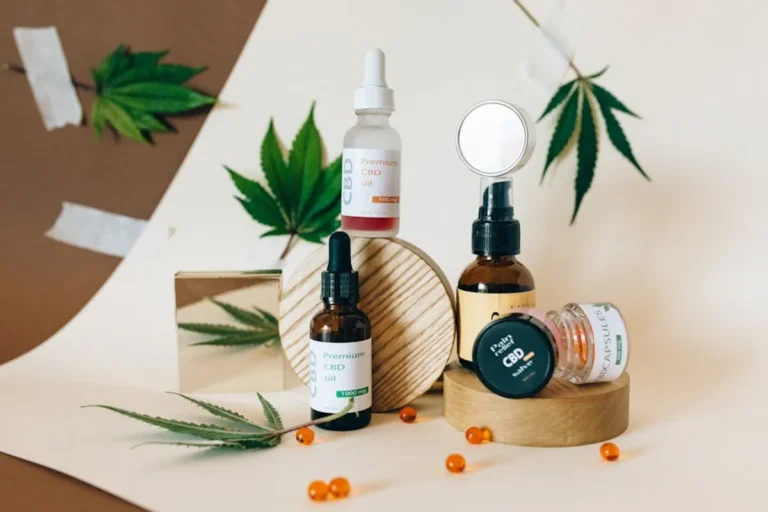
Hemp oil, in this context, refers specifically to a liquid extract containing CBD, often suspended in a carrier oil like MCT (medium-chain triglyceride) oil, olive oil, or hemp seed oil. This liquid format is typically administered sublingually (under the tongue) using a dropper, or it can be mixed into food and beverages. Like gummies, hemp oils can be formulated with isolate, broad-spectrum, or full-spectrum CBD. The sublingual administration allows for more direct absorption into the bloodstream through capillaries in the mouth, bypassing initial digestion. This method is favored for its potential for faster onset and greater control over dosage adjustments. This method is often preferred by those using hemp oil for beginners due to its simplicity.
Key Differentiators in Practice
Onset Time and Duration of Effects
The method of consumption directly influences how quickly the compounds enter the bloodstream and how long their effects last.
- CBD Gummies: As edibles, gummies must pass through the digestive system. This process results in a slower onset, typically taking 30 to 90 minutes for effects to become noticeable. Once active, the effects tend to be more prolonged, often lasting 4 to 8 hours, as the compounds are gradually released into the system.
- Hemp Oil: When administered sublingually, hemp oil allows for partial absorption directly into the bloodstream through the mucous membranes under the tongue. This leads to a faster onset, usually within 15 to 45 minutes. However, the duration of effects is generally shorter, lasting approximately 2 to 6 hours, as the compounds are metabolized more quickly.
This difference in pharmacokinetics is a critical consideration for users needing either sustained relief or more immediate action.
Dosage Precision and Consistency
Controlling the exact amount of CBD consumed is a significant factor in personalizing a wellness routine.
Gummies: Each gummy contains a pre-set dose of CBD (e.g., 10mg, 25mg). This provides consistent dosing per piece but offers limited flexibility for incremental adjustments. Users must consume whole gummies, making it challenging to fine-tune doses between the fixed increments.
Hemp Oil: The dropper mechanism allows for precise, volumetric measurement. Users can adjust their dose drop by drop, making it easier to titrate up or down to find an optimal amount. This flexibility is particularly valuable for individuals who require specific dosages or are experimenting to determine their ideal intake.
Taste, Texture, and User Experience
The sensory experience can significantly impact adherence to a routine.
Gummies: These are designed for palatability, often masking the natural, earthy taste of hemp with various fruit flavors and a chewy texture. This makes them an appealing option for those sensitive to the taste of natural hemp extracts.
Hemp Oil: Unflavored hemp oils can have a distinct, often bitter or grassy taste that some users find unappealing. While flavored options are available, the texture can still be oily. The sublingual method requires holding the oil under the tongue for a minute or two, which can be less convenient for some compared to simply chewing a gummy.
Ingredient Profile and Purity Considerations
The overall composition beyond the active cannabinoids can influence a user's choice.
Gummies: Often contain additional ingredients such as sugars, artificial or natural flavorings, food colorings, and preservatives to achieve their taste and texture. Individuals with dietary restrictions, sugar sensitivities, or those preferring minimal additives may need to scrutinize ingredient lists carefully.
Hemp Oil: Typically features a simpler ingredient list, primarily consisting of the CBD extract and a carrier oil. This can appeal to users seeking a 'cleaner' product with fewer added components. However, the quality of the carrier oil and the extraction method for the CBD remain important considerations for overall purity.
Routine Integration: Who Benefits Most?
For Discretion and Convenience
CBD gummies excel in scenarios requiring discretion and ease of use. They are ideal for individuals who are often on the go, prefer a pre-measured dose without the need for measuring tools, or wish to consume cannabinoids without drawing attention. Their palatable taste also makes them suitable for those who dislike the natural flavor of hemp.
Best for: Daily, consistent dosing; travel; public settings; taste preference; users new to cannabinoid products.
For Targeted Dosing and Bioavailability
Hemp oil offers advantages for users who prioritize precise dosage control and potentially faster absorption. The ability to adjust doses incrementally is beneficial for individuals who are fine-tuning their intake for specific wellness goals or who have unique physiological responses. The sublingual method can also lead to higher bioavailability compared to edibles, meaning a greater percentage of the active compounds may reach the bloodstream.
Best for: Experimenting with precise dosages; faster onset of effects; users with specific wellness targets; those who prefer fewer added ingredients.
Pro Tip: Always verify third-party lab reports (Certificates of Analysis) for any CBD product. These reports confirm the cannabinoid content, ensuring the product contains the advertised amount of CBD and is free from contaminants like heavy metals, pesticides, and microbial impurities. This transparency is crucial for understanding the true composition and safety of what you are consuming, regardless of format.
Making an Informed Choice
The decision between CBD gummies and hemp oil ultimately depends on individual priorities. Consider your lifestyle, taste preferences, desired onset and duration of effects, and the importance of precise dosing. If convenience, discretion, and taste are paramount, gummies may be the more suitable option. If you prioritize dosage flexibility, faster onset, and a simpler ingredient profile, hemp oil might better align with your routine. Many users also find value in incorporating both formats, using gummies for consistent daily support and oil for more immediate or targeted applications.
Frequently Asked Questions
Can I use both CBD gummies and hemp oil in my routine?
Yes, many individuals use both formats. Gummies can provide a baseline, long-lasting effect, while hemp oil can be used for more immediate or adjustable support as needed.
Is one option generally considered more effective than the other?
Neither is inherently "more effective"; their efficacy depends on individual needs and how well the product's characteristics align with those needs. Hemp oil may offer higher bioavailability via sublingual absorption, potentially leading to more efficient compound delivery.
How long should I expect the effects of each product to last?
Gummies typically provide effects lasting 4-8 hours due to slower digestion. Hemp oil, especially when taken sublingually, usually has effects that last 2-6 hours due to faster absorption and metabolism.
What key information should I look for on product labels?
Always check for the total CBD content per serving, whether it's full-spectrum, broad-spectrum, or isolate, the list of all ingredients, and a QR code or link to third-party lab results (Certificate of Analysis) to verify potency and purity.