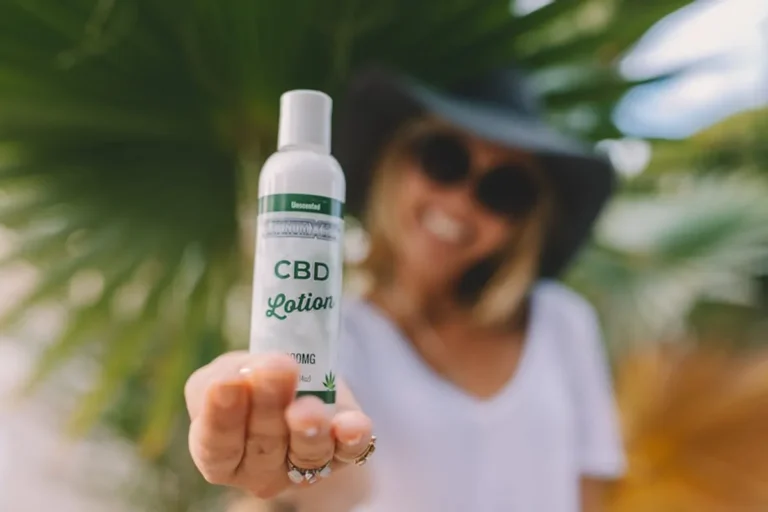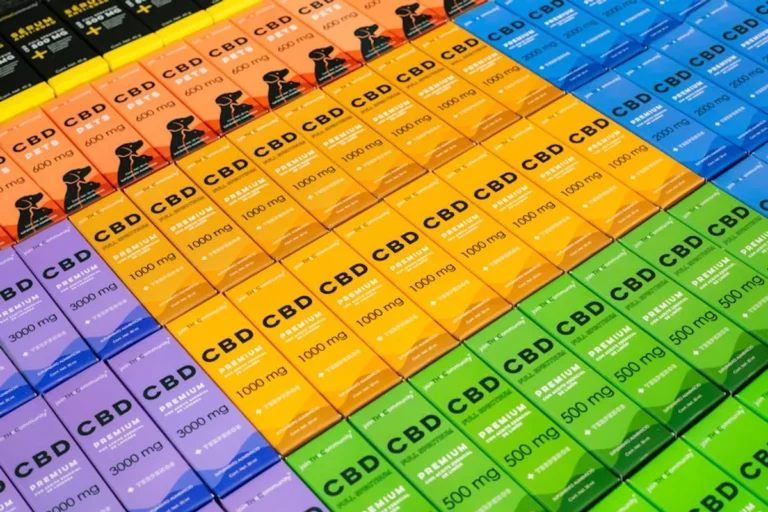
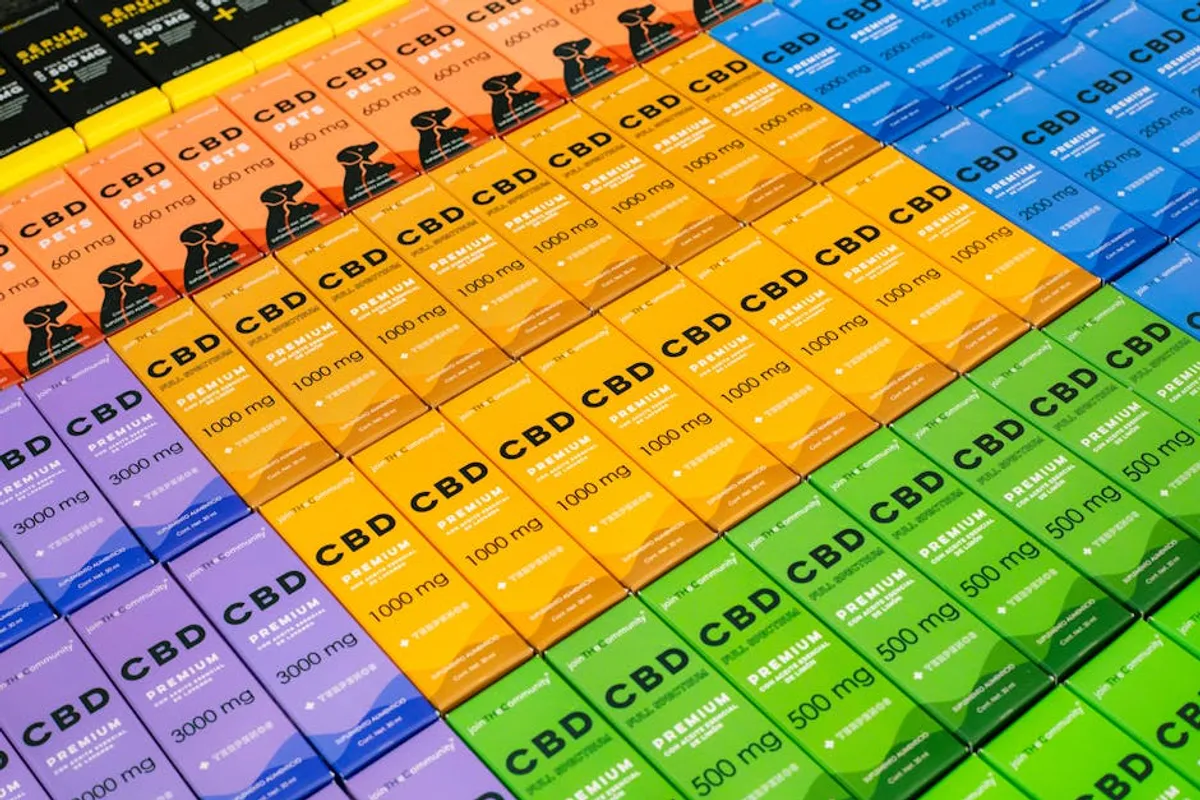
For marketers and publishers seeking revenue streams, affiliate marketing offers a performance-based model where commissions are earned for driving sales or leads. Within this landscape, CBD affiliate products represent a distinct niche with specific characteristics, often appealing to audiences interested in health, wellness, and natural remedies. However, this sector is also marked by unique regulatory complexities, advertising restrictions, and payment processing challenges that differentiate it significantly from broader affiliate opportunities.
The decision to pursue CBD affiliate programs versus exploring alternative affiliate verticals hinges on several factors: risk tolerance, audience alignment, regulatory comfort, and long-term scaling potential. While CBD offers a high-growth market with potentially lucrative commissions due to higher average order values, its operational hurdles can be substantial. Alternatives, on the other hand, might present a more stable, less regulated environment, albeit with varying commission structures and market saturation levels. Understanding these distinctions is crucial for making an informed strategic choice that aligns with a publisher's operational capabilities and commercial objectives.
What to Look For in an Alternative Affiliate Program
When considering affiliate programs beyond CBD, evaluate alternatives based on several critical criteria to ensure long-term viability and profitability. Prioritize programs with transparent commission structures, clearly defined payout thresholds, and reliable payment schedules. The product or service itself must align naturally with your existing audience demographics and content themes to maximize conversion rates without alienating your readership. Investigate the brand's reputation, customer service quality, and product efficacy, as these directly impact buyer confidence and your credibility. Strong marketing support, including a variety of creative assets, deep linking capabilities, and performance tracking tools, is essential for effective promotion. Finally, assess the market demand and competitive landscape for the alternative product category; high demand with moderate competition often indicates a more accessible and profitable niche.
1. Health & Wellness Supplements (Non-CBD)
This category encompasses a broad range of products designed to support general health, fitness, and specific bodily functions, excluding CBD compounds. It includes vitamins, minerals, protein powders, pre-workouts, herbal extracts, and specialized dietary supplements. This market benefits from consistent consumer interest in preventative health and performance optimization, often driven by trends in nutrition and fitness.
Key Features: Diverse product range catering to various health goals; established direct-to-consumer sales channels; often supported by scientific research or traditional use claims; recurring purchase potential for subscription models.
Pricing: Commission structures typically range from 10% to 30% per sale, with some programs offering tiered rates based on volume or flat fees for specific product bundles. Average order values can vary from $30 to over $100.
Best For: Publishers with audiences focused on fitness, nutrition, anti-aging, specific health conditions (e.g., gut health, sleep), or general well-being seeking less regulatory complexity than CBD.
Pros:
- Broader advertising options compared to CBD, with fewer platform restrictions.
- Large, diverse product catalogs allow for varied content integration.
- High consumer demand driven by health consciousness and demographic shifts.
- Potential for recurring revenue through subscription-based supplement programs.
Cons:
- Highly competitive market with numerous brands and affiliates.
- Some products may require substantiation of claims, posing compliance risks.
- Audience skepticism towards efficacy claims can be high.
- Commission rates can be lower than those for high-value CBD products.
2. Pet Care & Nutrition
The pet care industry is a robust and growing market, driven by increasing pet ownership and humanization of pets. Affiliate programs in this sector focus on products like premium pet food, specialized diets, supplements (e.g., joint care, probiotics, non-CBD calming aids), grooming supplies, toys, and accessories. Many brands emphasize natural, organic, or veterinarian-approved formulations.
Key Features: Strong emotional attachment of pet owners driving purchase decisions; consistent demand for consumables (food, treats); focus on quality and natural ingredients; wide range of product types for diverse content angles.
Pricing: Commissions typically range from 8% to 25% on sales, with some programs offering higher rates for new customer acquisitions or subscription sign-ups. Average order values can range from $25 for accessories to over $100 for premium food subscriptions.
Best For: Content creators targeting pet owners, animal lovers, or those with blogs/sites dedicated to specific pet breeds, pet health, or animal welfare.
Pros:
- Loyal customer base and high repeat purchase rates for essential items like food.
- Less regulatory scrutiny than human supplements, especially CBD.
- Diverse product offerings allow for extensive content creation opportunities.
- Growing market with increasing consumer willingness to spend on pet well-being.
Cons:
- Competition from large retailers and established pet brands.
- Shipping costs for bulky items like pet food can impact customer conversion.
- Some products may have specific dietary or health considerations requiring careful promotion.
3. Sustainable & Eco-Friendly Products
This category covers a vast array of goods designed with environmental impact in mind, appealing to a consumer base increasingly concerned with sustainability. Products range from zero-waste home goods, organic clothing, ethical beauty products, energy-efficient appliances, to reusable items and fair-trade consumables. The appeal lies in ethical consumption and reducing ecological footprints.
Key Features: Values-driven consumer base; strong brand storytelling potential around environmental and social impact; diverse product types across multiple lifestyle categories; growing market segment. Many brands are B Corp certified or have similar ethical accreditations.
Pricing: Commission rates typically fall between 5% and 20%, often varying by product type or brand. Average order values can be moderate to high, especially for durable goods or larger purchases like ethical furniture or renewable energy solutions.
Best For: Publishers focused on conscious living, minimalism, environmentalism, ethical consumerism, green technology, or sustainable fashion and beauty.
Pros:
- High engagement from a dedicated, values-aligned audience.
- Opportunity to promote products with positive social and environmental impact.
- Less direct competition within specific niche segments compared to general retail.
- Strong potential for content marketing through educational and advocacy pieces.
Cons:
- Niche market size can be smaller than mass-market categories.
- Products often carry a higher price point, potentially limiting impulse purchases.
- Verifying true sustainability claims can be complex for both affiliates and consumers.
- Commission rates may be lower than those for high-margin wellness products.
4. Nootropics & Cognitive Enhancers
Nootropics are substances claimed to improve cognitive function, such as memory, creativity, or motivation, without significant side effects. This category includes natural compounds (e.g., L-Theanine, Bacopa Monnieri), synthetic compounds (e.g., piracetam derivatives), and complex stacks. The market targets individuals seeking mental performance optimization, from students and professionals to gamers.
Key Features: Focus on mental performance and brain health; often involves complex ingredient formulations; appeals to a tech-savvy or productivity-focused demographic; potential for recurring purchases. Many brands emphasize research-backed ingredients.
Pricing: Commissions are often in the 15% to 35% range, reflecting the higher average price points of specialized supplements. Some programs offer bonuses for subscription sign-ups or high volume.
Best For: Content creators in productivity, biohacking, personal development, gaming, or science/health niches with an audience interested in optimizing mental function.
Pros:
- High average order values due to specialized nature and ingredient costs.
- Dedicated audience actively seeking performance enhancement solutions.
- Less public scrutiny and advertising restrictions compared to CBD.
- Strong potential for educational content explaining complex benefits and ingredients.
Cons:
- Effectiveness can be subjective and vary among individuals.
- Requires a degree of scientific literacy to effectively promote products.
- Risk of exaggerated claims if not carefully managed by the brand and affiliate.
- Some ingredients may face future regulatory changes, though less likely than CBD.
5. Essential Oils & Aromatherapy
This niche focuses on therapeutic-grade essential oils, diffusers, carrier oils, and related aromatherapy products. Consumers use these for various purposes, including relaxation, mood enhancement, pain relief, and natural cleaning. The market is driven by a desire for natural alternatives and holistic wellness practices.
Key Features: Emphasis on natural, plant-derived solutions; strong community and educational aspect; consumable products leading to repeat purchases; diverse applications for physical and emotional well-being. Brands often highlight purity and sourcing.
Pricing: Commission rates typically range from 10% to 25% of sales. Average order values can be moderate, but repeat purchases of essential oils can accumulate significant lifetime customer value.
Best For: Publishers in holistic health, natural living, DIY beauty, home wellness, or stress management. Audiences often appreciate natural and sensory experiences.
Pros:
- Strong appeal to a wellness-oriented audience seeking natural solutions.
- Relatively low regulatory hurdles compared to ingestible supplements or CBD.
- Versatile products that can be integrated into various content types (recipes, DIY, health tips).
- High potential for educational content around usage, benefits, and safety.
Cons:
- Market can be saturated with many brands, requiring strong differentiation.
- Product efficacy is often subjective and anecdotal.
- Misinformation or improper usage can lead to safety concerns if not addressed.
- Lower average order values for single oil purchases, though diffusers and kits can be higher.
6. Outdoor & Adventure Gear
This category targets enthusiasts of outdoor activities such as hiking, camping, climbing, cycling, and water sports. Affiliate programs include products like specialized apparel, footwear, tents, backpacks, navigation tools, and survival gear. The market is driven by lifestyle choices, seasonal demand, and a desire for durable, high-performance equipment.
Key Features: Focus on durability, functionality, and performance; seasonal purchasing cycles; strong community aspect among enthusiasts; high average order values for specialized equipment. Brands often emphasize innovation and ruggedness.
Pricing: Commission rates typically range from 5% to 15%, reflecting the higher price points of many outdoor products. Some programs offer flat fees for specific high-value items or tiered commissions based on sales volume.
Best For: Content creators in travel, adventure sports, camping, survivalism, environmental conservation, or active lifestyle niches.
Pros:
- High average order values for specialized equipment and apparel.
- Passionate and engaged audience actively seeking product recommendations.
- Diverse product range allows for content on gear reviews, trip planning, and skill guides.
- Less prone to regulatory changes or advertising restrictions.
Cons:
- Highly competitive market with established brands and retailers.
- Seasonal purchasing patterns can lead to revenue fluctuations.
- Product returns can be higher due to fit issues or specific performance expectations.
- Commission rates can be lower percentage-wise due to higher product costs.
7. Online Courses & Digital Education
Digital education platforms and individual course creators offer affiliate programs for a wide range of subjects, from professional development (e.g., coding, marketing, design) to personal enrichment (e.g., photography, music, writing, language learning). This category benefits from the global shift towards online learning and skill acquisition.
Key Features: High-margin products with no physical inventory; evergreen content potential; direct value proposition of skill acquisition or knowledge; potential for high commission rates due to digital nature. Many platforms offer certifications or expert-led instruction.
Pricing: Commissions are often very generous, ranging from 20% to 50% or even higher for high-ticket courses, reflecting the low overhead of digital products. Some programs offer recurring commissions for subscription-based learning platforms.
Best For: Publishers whose audience seeks to learn new skills, advance their careers, pursue hobbies, or gain certifications. This includes educational bloggers, career coaches, or niche content creators.
Pros:
- Typically very high commission rates, leading to significant earnings per conversion.
- No physical product shipping or inventory concerns.
- Products are often evergreen, allowing for long-term promotion.
- Strong alignment with educational content, making promotion feel natural.
Cons:
- Requires a highly engaged and motivated audience willing to invest in self-improvement.
- Conversion cycles can be longer for higher-priced courses.
- Competition from free resources and other educational platforms.
- Quality and perceived value of courses can vary widely, impacting affiliate credibility.
How to Choose the Right Alternative
Selecting the optimal alternative to CBD affiliate products requires a systematic approach. Begin by conducting a thorough audit of your existing audience demographics, interests, and pain points. The most successful affiliate partnerships emerge when the promoted products genuinely solve problems or fulfill desires already present within your readership. Next, analyze your content strategy: which alternative categories integrate seamlessly with your current topics without feeling forced or irrelevant? A natural fit ensures higher engagement and conversion rates. Evaluate the competitive landscape within each potential alternative niche. While some competition is healthy, oversaturated markets can make it difficult to gain traction. Prioritize programs with strong affiliate support, including dedicated managers, diverse creative assets, and robust tracking. Finally, consider the long-term viability and growth potential of the market segment. Opt for categories with sustained demand and minimal regulatory headwinds to build a resilient and profitable affiliate portfolio.
Frequently Asked Questions
Q: Are affiliate commissions generally higher for CBD products than alternatives?
A: CBD products often have higher average order values and can offer competitive commission rates (e.g., 20-40%), but this can be offset by lower conversion rates due to advertising restrictions and regulatory concerns. Many alternatives, particularly digital products or high-ticket physical goods, can offer comparable or even higher effective commissions per sale.
Q: What are the main regulatory differences between CBD and other wellness products?
A: CBD faces unique and evolving regulations regarding its legal status, marketing claims, and sale, particularly in the US where federal and state laws can differ. Many other wellness products, like vitamins or general supplements, operate under more established regulatory frameworks (e.g., FDA dietary supplement regulations), which, while still requiring compliance, are generally less restrictive for advertising and payment processing.
Q: Can I promote both CBD and alternative products on the same platform?
A: Technically yes, but it requires careful consideration. You must ensure that promoting CBD does not violate platform-specific advertising policies that might also impact your ability to promote other products. Additionally, maintaining a clear distinction in your content and audience segmentation can prevent confusion and maintain credibility across different product types.
Q: How do advertising restrictions impact CBD versus alternative affiliate programs?
A: CBD products often face significant restrictions on major advertising platforms (e.g., Google Ads, Facebook/Instagram) due to their association with cannabis. This necessitates organic SEO, email marketing, and direct publisher relationships. Many alternative products, especially those not in regulated industries, generally have far fewer advertising limitations, allowing for broader paid media strategies.
Q: Is the target audience for CBD products distinct from alternatives?
A: While there can be overlap, the core audience for CBD often seeks specific natural remedies for issues like pain, anxiety, or sleep, and may be highly informed about cannabinoid science. Audiences for alternatives might be broader (e.g., general health, pet owners) or highly specialized (e.g., biohackers, outdoor enthusiasts), requiring different messaging and content strategies.