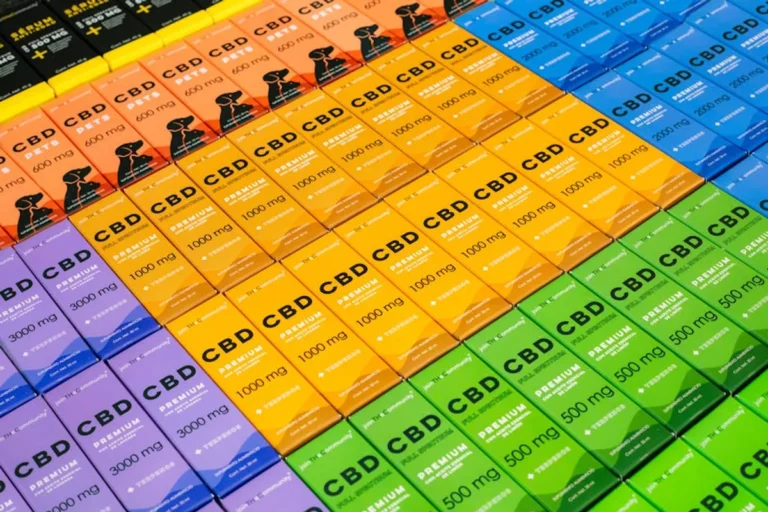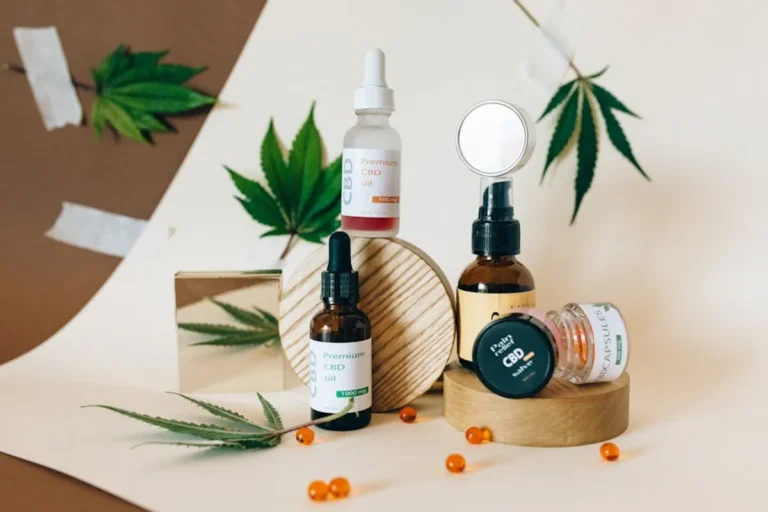

The market for hemp oil has expanded significantly, presenting consumers with a wide array of choices. This proliferation, while offering variety, also necessitates a discerning approach to purchase. Not all hemp oils are created equal, and product quality can vary substantially based on cultivation practices, extraction methods, and ingredient transparency. Before committing to a purchase, asking targeted questions ensures you acquire a product that aligns with your expectations for quality, safety, and efficacy. An informed decision mitigates the risk of purchasing an ineffective or substandard product. Before committing to a purchase, consider key considerations before purchasing to ensure product quality.
Evaluating the Source and Cultivation Practices
The origin of the hemp plant directly influences the final oil's purity and profile. Hemp is a bioaccumulator, meaning it readily absorbs compounds from the soil, including beneficial nutrients and potentially harmful toxins like heavy metals or pesticides. Understanding the plant's journey from seed to oil is a foundational step in vetting a product. Understanding the plant's journey from seed to oil answers common questions about hemp oil and its production.
Where is the Hemp Sourced From?
Inquire about the geographical origin of the hemp. Reputable brands often source their hemp from specific regions known for stringent agricultural regulations and clean soil, such as the United States (particularly Kentucky, Colorado, Oregon), Canada, or parts of Europe. Domestic sourcing often implies adherence to federal and state agricultural guidelines, which can include testing for contaminants. International sourcing requires additional scrutiny to ensure similar quality controls.
What Cultivation Methods Are Used?
Ask about the cultivation environment. Organic farming practices, avoiding synthetic pesticides, herbicides, and chemical fertilizers, contribute to a cleaner end product. While "organic" certification can be costly and not all small farms have it, brands should still be able to articulate their commitment to sustainable and chemical-free growing. This detail directly impacts the potential for residual contaminants in the oil.
Understanding Extraction and Processing
The method used to extract oil from the hemp plant impacts its purity, potency, and the presence of other beneficial compounds. Different techniques yield varying results, with some being more efficient and safer than others.
How is the Oil Extracted?
The two primary extraction methods are CO2 extraction and ethanol extraction.
- CO2 Extraction: This method uses pressurized carbon dioxide to separate the oil from the plant material. It is considered a "clean" method because CO2 leaves no toxic residues and allows for precise control over the extraction process, preserving cannabinoids, terpenes, and other beneficial compounds. It is often preferred for high-quality products.
- Ethanol Extraction: Ethanol (food-grade alcohol) can also extract cannabinoids and terpenes. While effective, it can also extract chlorophyll, which may impart a bitter taste, and requires a thorough post-extraction purification process to remove all residual solvents. Ensure the brand confirms rigorous solvent removal if this method is used.
Avoid products extracted using harsh chemical solvents like butane or propane, as these can leave harmful residues.
Demanding Third-Party Laboratory Testing
Independent third-party lab testing is the most critical verification step. It provides unbiased confirmation of a product's contents and purity, offering transparency that brand claims alone cannot.
Can I See a Certificate of Analysis (COA)?
A Certificate of Analysis (COA) is a document from an accredited third-party laboratory detailing the product's chemical profile. Every reputable hemp oil product should have an easily accessible COA, typically linked via a QR code on the packaging or available on the brand's website.
Look for:
- Cannabinoid Profile: Verify the reported CBD content matches the label, and check for the presence and levels of other cannabinoids like CBG, CBN, and trace amounts of THC (if applicable).
- Potency: Confirm the total milligrams of CBD per bottle and per serving.
- Purity Screen: Ensure the COA tests for and shows undetectable levels of heavy metals (lead, mercury, cadmium, arsenic), pesticides, residual solvents, and microbial contaminants (mold, bacteria).
A COA should be recent (within the last 12-18 months) and specific to the batch number of the product you are considering.
Pro Tip: Always cross-reference the COA's batch number with the batch number printed on the product packaging. Discrepancies or outdated COAs are significant red flags that indicate a lack of transparency or quality control.
Clarifying Potency and Formulation
Understanding the concentration and type of hemp extract helps manage dosage expectations and ensures the product aligns with your desired effects.
What is the Potency (mg of CBD) Per Serving and Per Bottle?
Labels can sometimes be misleading, displaying total CBD per bottle without clearly stating the CBD content per serving. Calculate the milligrams of CBD per milliliter (ml) or per drop to accurately gauge potency. This allows for precise dosing and comparison between different products. For example, a 1000mg CBD oil in a 30ml bottle contains approximately 33.3mg CBD per ml.
Is it Full-Spectrum, Broad-Spectrum, or Isolate?
These terms describe the range of compounds present alongside CBD:
- Full-Spectrum: Contains all naturally occurring compounds from the hemp plant, including other cannabinoids (like trace amounts of THC, up to 0.3%), terpenes, and flavonoids. This composition is believed to produce an "entourage effect," where compounds work synergistically.
- Broad-Spectrum: Contains multiple cannabinoids, terpenes, and flavonoids, but with all detectable THC removed. This is an option for those who want the entourage effect without any THC.
- Isolate: Pure CBD, with all other plant compounds removed. It contains no THC, terpenes, or other cannabinoids. While potent, it lacks the synergistic benefits of full or broad-spectrum products.
Your choice depends on whether you prefer the potential benefits of the entourage effect or require a THC-free product.
What Other Ingredients Are Included?
Examine the full ingredient list. Hemp oil products often contain carrier oils to improve absorption and palatability. Common carrier oils include MCT oil (medium-chain triglyceride, often derived from coconut), hemp seed oil, or olive oil. Avoid products with artificial flavors, synthetic sweeteners, or unnecessary additives that can dilute potency or trigger sensitivities.
Considering Brand Reputation and Customer Support
A brand's history and commitment to customer satisfaction can be indicative of its overall reliability and product quality.
What is the Brand's Reputation for Transparency and Customer Service?
Research the brand's history, read customer reviews on independent platforms, and assess their responsiveness. A transparent brand readily provides information about their sourcing, testing, and manufacturing processes. Good customer service indicates a company stands behind its products and is willing to address concerns.
Making an Informed Purchase Decision
Purchasing hemp oil requires diligence, but the effort ensures you select a product that is safe, effective, and delivers genuine value. Prioritize brands that offer complete transparency through readily available and verifiable third-party COAs, detail their sourcing and extraction methods, and clearly label their product's potency and ingredients. By systematically addressing these questions, you empower yourself to navigate the market confidently and choose a hemp oil product that meets your specific needs and quality expectations.
Frequently Asked Questions About Buying Hemp Oil
Q: Is hemp oil the same as CBD oil?
A: Not always. While "hemp oil" is often used interchangeably with "CBD oil," true hemp seed oil (derived from the seeds) contains negligible CBD. When purchasing for CBD benefits, ensure the label specifies "CBD oil," "hemp extract," or indicates a clear CBD content in milligrams.
Q: How do I determine the right dosage for me?
A: Dosage is highly individual and depends on factors like body weight, metabolism, and the condition being addressed. Start with a low dose (e.g., 5-10mg of CBD) once or twice daily and gradually increase every few days until you achieve the desired effects. Consulting a healthcare professional is recommended.
Q: Is hemp oil legal everywhere?
A: In the United States, hemp-derived products containing less than 0.3% Delta-9 THC are federally legal under the 2018 Farm Bill. However, state laws can vary, so it's essential to verify local regulations. International laws also differ significantly.
Q: What is the typical shelf life of hemp oil?
A: Most hemp oils have a shelf life of 12 to 24 months when stored properly. Keep the oil in a cool, dark place away from direct sunlight and heat to preserve its potency and prevent degradation. Check the product's expiration date.