
Entering the CBD affiliate market requires a strategic approach beyond simply identifying products with high commission rates. The industry operates under unique regulatory scrutiny and consumer expectations, making due diligence paramount for any marketer aiming for long-term success and credibility. Before committing to an affiliate partnership, a series of targeted questions must be addressed to evaluate product quality, brand integrity, program viability, and market alignment. This proactive inquiry minimizes risk, ensures compliance, and positions your promotional efforts on a foundation of trust and informed decision-making.
Understanding Product Quality and Sourcing
Where do they source their hemp?
The origin of hemp directly impacts the final product's quality and safety. Inquire about the geographical location of cultivation, farming practices (e.g., organic certification, pesticide use), and soil testing. Hemp is a bioaccumulator, meaning it absorbs elements from the soil, including heavy metals and toxins. Brands that source from regulated farms in the United States or Europe, often with transparent cultivation practices, generally indicate a higher commitment to product purity and safety. This transparency allows affiliates to confidently promote products derived from clean, responsibly grown hemp.
What extraction methods do they use?
Different extraction methods yield varying cannabinoid and terpene profiles, impacting the product's efficacy and purity. Common methods include CO2 extraction, ethanol extraction, and hydrocarbon extraction. CO2 extraction is often favored for its ability to produce clean, solvent-free extracts, preserving beneficial compounds. Ethanol extraction is also widely used but requires careful post-processing to remove residual solvents. Understanding the method helps assess the product's potential purity and the brand's commitment to quality control. Avoid products from brands that are vague about their extraction processes.
Are third-party lab results (COAs) readily available?
Certificate of Analysis (COA) documents from ISO 17025-accredited third-party labs are non-negotiable. These reports verify cannabinoid potency (e.g., CBD, THC levels), confirm the absence of heavy metals, pesticides, microbial contaminants, and residual solvents. A reputable brand will provide COAs for every batch, easily accessible on their website or upon request. Examine COAs for comprehensive testing, recent dates, and consistency with product labeling. Lack of transparent COAs indicates a significant red flag regarding product safety and compliance.
What is the product's cannabinoid profile and potency?
Beyond just CBD content, understand whether the product is full-spectrum (contains all cannabinoids, terpenes, and flavonoids, including trace THC), broad-spectrum (contains multiple cannabinoids and terpenes but no THC), or an isolate (pure CBD). Each profile offers different potential benefits and caters to different consumer preferences. Potency, typically measured in milligrams per serving or per bottle, must be clearly stated and verifiable via COA. This detail helps target specific consumer needs and accurately represent product efficacy.
Evaluating Brand Reputation and Compliance
How does the brand handle regulatory compliance?
The CBD industry is subject to evolving regulations from bodies like the FDA in the United States. Brands must adhere to strict labeling requirements, marketing claims, and manufacturing practices. Inquire about their adherence to Good Manufacturing Practices (GMP), their policies on health claims (which are heavily restricted), and their legal counsel regarding product formulation and distribution. Promoting non-compliant brands can expose affiliates to reputational damage and potential legal issues.
What is the brand's customer service reputation?
An affiliate's reputation is intrinsically linked to the brands they promote. Research customer reviews on independent platforms, social media, and forums. Look for consistent feedback regarding product effectiveness, shipping reliability, and responsiveness of customer support. A brand with a history of poor customer service or unresolved complaints will inevitably reflect poorly on the affiliate promoting it, leading to higher refund rates and diminished trust.
Do they have a clear return or satisfaction guarantee?
A robust return policy or satisfaction guarantee signals a brand's confidence in its products and commitment to customer satisfaction. This is particularly important in the CBD space, where consumer results can vary. A 30-day or 60-day money-back guarantee provides assurance to potential buyers and reduces the risk of post-purchase dissatisfaction, which can ultimately impact an affiliate's earnings and credibility.
Pro Tip: Always verify that a CBD brand's marketing claims are realistic and compliant. Avoid any brand making unsubstantiated medical claims or promising guaranteed results. Such claims not only violate regulatory guidelines but also erode consumer trust and can lead to penalties for both the brand and its affiliates.
Assessing Affiliate Program Mechanics
What is the commission structure and payout frequency?
Clarify the exact commission rate (percentage of sale or flat fee) and whether it applies to all products or specific categories. Understand the payout schedule (e.g., monthly, bi-weekly), minimum payout thresholds, and available payment methods (e.g., PayPal, direct deposit). Transparent and timely payouts are essential for managing your affiliate business effectively.
What is the cookie duration?
Cookie duration defines how long a customer who clicks your affiliate link can make a purchase and still credit you with the sale. Common durations range from 30 to 90 days. A longer cookie duration provides a greater window for conversion, especially for products like CBD that might involve a longer research and decision-making process for consumers.
What marketing assets and support are provided?
Effective affiliate programs offer a range of resources to aid promotion. Inquire about:
- Pre-designed banners, product images, and videos
- Product descriptions and copy suggestions
- Access to promotional codes or exclusive offers
- Dedicated affiliate manager support
- Real-time tracking and reporting dashboards
Robust support and quality assets reduce your workload and enhance promotional effectiveness.
Are there any restrictions on promotional methods?
Some programs impose restrictions on certain promotional tactics, such as pay-per-click (PPC) bidding on brand terms, email marketing practices, or specific social media platforms. Understand these limitations upfront to avoid violating terms and potentially losing commissions or being removed from the program. Compliance with these rules protects both the affiliate and the brand.
Considering Market Fit and Audience Alignment
Who is the target customer for these products?
Aligning the product's target demographic with your audience is critical. Understand the brand's ideal customer profile, including their demographics, psychographics, and specific needs the CBD products address. A mismatch between your audience and the product's intended user base will result in low conversion rates, regardless of commission.
How competitive is the product niche?
Research the competitive landscape for the specific CBD products you intend to promote. High competition might require more sophisticated marketing strategies. Evaluate the brand's unique selling propositions (USPs) – what makes their products stand out in a crowded market? This differentiation is key to carving out your own space and attracting conversions.
Does the product line offer diversification?
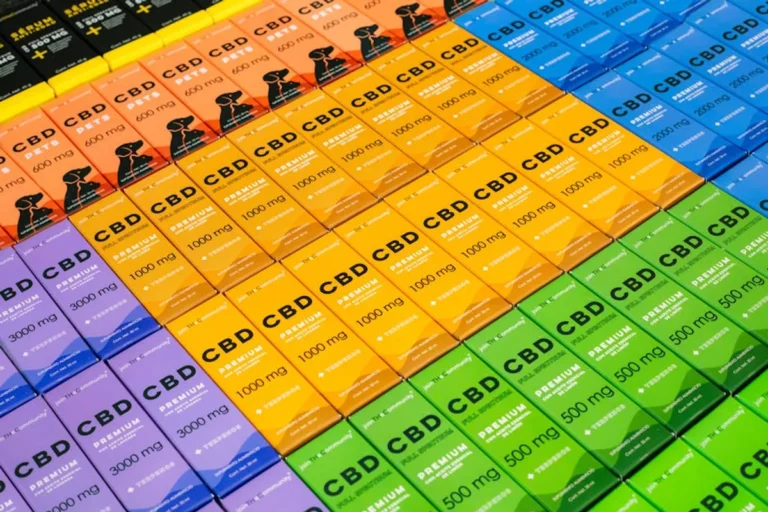
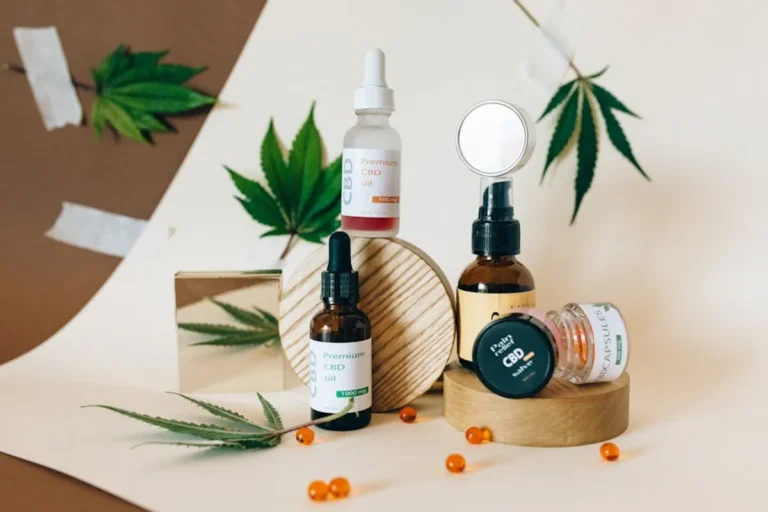
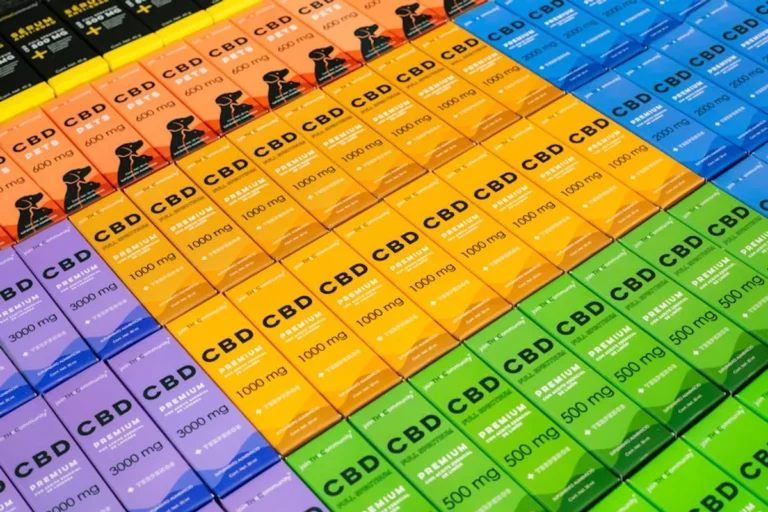
A brand offering a diverse range of CBD products (e.g., oils, edibles, topicals, pet products, different potencies) allows for broader audience targeting and increased average order value. A varied product line also provides opportunities for cross-promotion and catering to evolving consumer preferences without needing to join multiple affiliate programs.
Making Informed CBD Affiliate Choices
Selecting the right CBD affiliate products is less about finding the highest commission and more about establishing a sustainable, credible partnership. By thoroughly vetting brands and their offerings against these critical questions, you build a foundation of trust with your audience and minimize operational headaches. Focus on transparency, quality, compliance, and mutual benefit to ensure your affiliate marketing efforts in the CBD space are both ethical and profitable. Your reputation as a trusted resource depends on the integrity of the products you choose to endorse.
Frequently Asked Questions
Why are third-party lab results crucial for CBD products?
Third-party lab results (COAs) are crucial because they independently verify the product's cannabinoid content, ensuring it matches labeling claims, and confirm the absence of contaminants like heavy metals, pesticides, and solvents, thus guaranteeing safety and purity for consumers.
What is a typical cookie duration for CBD affiliate programs?
Typical cookie durations for CBD affiliate programs range from 30 to 90 days, with 30 or 60 days being common, allowing a reasonable window for customer research and purchase after clicking an affiliate link.
Are there specific legal considerations for promoting CBD?
Yes, promoting CBD involves specific legal considerations, primarily avoiding unapproved health claims, adhering to FDA guidelines regarding dietary supplements, and understanding state-specific regulations on CBD product sales and marketing to ensure compliance.