
Navigating the CBD market requires understanding the distinctions between product types to align with specific wellness goals. Broad-spectrum CBD emerges as a distinct option, positioned between CBD isolate and full-spectrum extracts. It offers a blend of cannabinoids and terpenes found naturally in the hemp plant, but crucially, it undergoes processing to remove detectable levels of tetrahydrocannabinol (THC). This specific composition addresses consumer demand for the potential benefits of the "entourage effect" without the concern of THC presence, which can be a deciding factor for those subject to drug testing or sensitive to THC's psychoactive properties. This article details broad-spectrum CBD's unique profile, its potential applications, and critical considerations for informed consumer choices.
What Defines Broad-Spectrum CBD?
Broad-spectrum CBD is a hemp extract that contains cannabidiol (CBD) alongside other naturally occurring compounds from the cannabis plant, such as cannabigerol (CBG), cannabinol (CBN), and various terpenes. The defining characteristic is the deliberate removal of THC, or its reduction to non-detectable levels, typically below 0.01% or 0.0%. This contrasts with full-spectrum CBD, which retains all cannabinoids, including up to 0.3% THC, and CBD isolate, which is pure CBD with all other plant compounds removed. This approach differs from full spectrum hemp extracts in terms of THC content.
Key Components of Broad-Spectrum CBD
The efficacy of broad-spectrum CBD is often attributed to the synergistic interaction of its varied components, a phenomenon known as the entourage effect. While THC is absent, the presence of other cannabinoids and terpenes is intended to amplify CBD's individual effects. Terpenes, for instance, are aromatic compounds that contribute to the plant's scent and flavor, but also possess their own therapeutic properties, such as anti-inflammatory or calming effects, depending on the specific terpene profile. This multi-compound approach aims to deliver a more comprehensive effect than CBD isolate alone.
How Broad-Spectrum Differs from Other CBD Types
- Broad-Spectrum CBD: Contains multiple cannabinoids and terpenes, with non-detectable THC. Aims for entourage effect without psychoactive components.
- Full-Spectrum CBD: Contains all naturally occurring cannabinoids, terpenes, and flavonoids, including up to 0.3% THC. Offers the full entourage effect, but THC may be present in drug tests.
- CBD Isolate: Pure CBD, with all other plant compounds removed. Offers no entourage effect, but guarantees zero THC.
Potential Benefits of Broad-Spectrum CBD
Consumers often select broad-spectrum CBD for its potential to deliver the entourage effect without the psychoactive component of THC. This balance is particularly appealing for individuals seeking comprehensive wellness support while adhering to strict THC avoidance for personal or professional reasons.
The Entourage Effect Without THC
The primary advantage of broad-spectrum CBD is its capacity to harness the entourage effect. This theory posits that cannabinoids and other compounds in the cannabis plant work together synergistically to enhance the therapeutic effects of each individual compound. For example, specific terpenes like myrcene or limonene, when combined with CBD, may contribute to enhanced relaxation or mood elevation, respectively. This collective action is believed to provide a more robust and nuanced effect compared to isolated CBD. Users report varied experiences, from improved sleep quality to reduced discomfort, often attributing these outcomes to the broader cannabinoid and terpene profile.
Common Applications and User Experiences
Best for: Individuals seeking general wellness support, stress reduction, improved sleep, or localized discomfort relief who want to avoid THC entirely. It is also suitable for those in professions requiring regular drug testing.
User feedback frequently highlights broad-spectrum products for their versatility and perceived efficacy in managing daily stressors and promoting a sense of calm. Specific applications include supporting post-exercise recovery, aiding in relaxation before sleep, and contributing to a balanced mood throughout the day. The absence of THC means users can incorporate these products into their routine without concern for impairment or positive drug test results related to THC.
Understanding the Risks and Considerations
While broad-spectrum CBD offers a compelling profile, consumers must be aware of potential risks and important considerations before integrating it into their regimen. These factors range from individual physiological responses to product quality variations.
Potential Side Effects
Even without THC, CBD products can induce side effects, although generally mild. Common reported effects include dry mouth, drowsiness, changes in appetite, and diarrhea. These reactions are typically dose-dependent, meaning higher doses are more likely to trigger them. Starting with a low dose and gradually increasing it allows the body to adjust and helps identify the optimal amount with minimal adverse effects.
Drug Interactions and Safety Precautions
Pro Tip: Always consult with a healthcare professional before combining broad-spectrum CBD with prescription medications. CBD can interact with certain drugs, particularly those metabolized by the cytochrome P450 enzyme system in the liver, potentially altering their effectiveness or increasing side effects. This includes blood thinners, anticonvulsants, and certain antidepressants.
Individuals with pre-existing medical conditions, pregnant or breastfeeding individuals, and those on medication should exercise particular caution. The absence of THC does not negate the potential for other cannabinoids to interact with bodily systems or medications. Transparent communication with a doctor ensures that CBD use is safe and does not interfere with existing health protocols.
Navigating Product Quality and Labeling
The CBD market lacks consistent federal regulation, leading to significant variations in product quality and labeling accuracy. Misleading labels can misrepresent cannabinoid content, including the presence or absence of THC. Consumers must prioritize products from reputable brands that provide comprehensive third-party lab testing results, known as Certificates of Analysis (COAs). These reports verify cannabinoid potency, confirm the absence of THC, and test for contaminants like pesticides, heavy metals, and residual solvents.
Factors to Consider Before Choosing Broad-Spectrum CBD
Making an informed decision about broad-spectrum CBD involves evaluating several key factors that directly impact product safety, efficacy, and value. These considerations help ensure that the chosen product aligns with personal health goals and quality expectations.
Third-Party Lab Testing
Verifying third-party lab testing is non-negotiable. A reliable COA should be accessible, typically via a QR code on the product label or directly on the brand's website. This document details the cannabinoid profile, confirming the stated CBD content and, critically for broad-spectrum products, verifying non-detectable levels of THC. It also screens for contaminants, providing assurance of product purity. Without a COA, claims about purity and potency remain unsubstantiated.
Extraction Methods
The method used to extract CBD from the hemp plant significantly influences the purity and safety of the final product. CO2 extraction is widely regarded as the gold standard due to its ability to produce clean, potent extracts without the use of harsh chemical solvents. Other methods, such as ethanol extraction, can also yield quality products, but may require more rigorous purification steps. Understanding the extraction method provides insight into the manufacturer's commitment to quality and safety.
Dosage and Administration
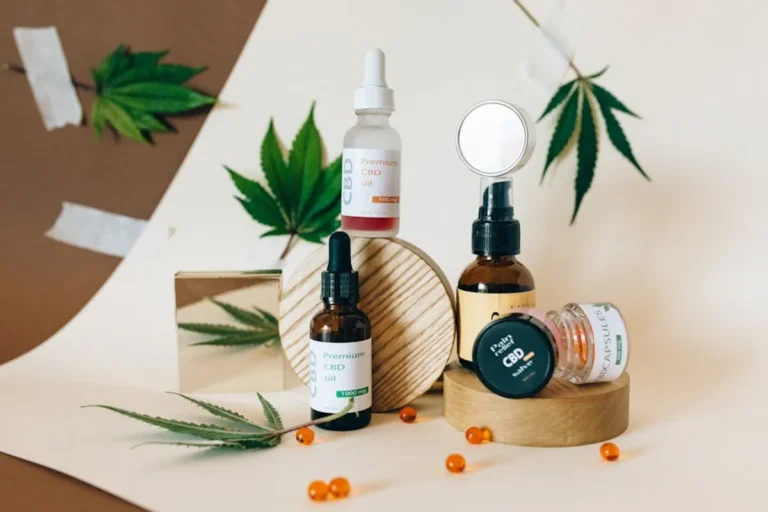
Effective dosage varies widely among individuals due to factors like body weight, metabolism, the condition being addressed, and individual sensitivity. There is no universal "correct" dose. It is generally recommended to start with a low dose (e.g., 5-10 mg) and gradually increase it over several days or weeks until the desired effects are achieved. Broad-spectrum CBD is available in various forms, including oils, capsules, edibles, and topicals, each offering different absorption rates and onset times. Tinctures or oils provide flexibility in dosing and faster absorption when administered sublingually, while capsules offer precise, pre-measured doses.
Practical Considerations for Consumers
Choosing broad-spectrum CBD effectively means prioritizing transparency and verified quality. Always scrutinize product labels for clear ingredient lists and cannabinoid concentrations. Look for brands that are transparent about their hemp sourcing, cultivation practices, and manufacturing processes. Reliable brands often provide educational resources and responsive customer support to address specific product inquiries. Remember that personal experience with CBD can vary; what works for one individual may not work for another. Patience and consistent tracking of effects are key to finding the right product and dosage for your needs.
Frequently Asked Questions About Broad-Spectrum CBD
Does broad-spectrum CBD show up on drug tests?
Broad-spectrum CBD products are processed to remove detectable THC. While this significantly reduces the risk, trace amounts below detection limits could theoretically accumulate over time or in highly sensitive tests. Always choose products with verified third-party lab reports confirming non-detectable THC levels.
Is broad-spectrum CBD as effective as full-spectrum CBD?
Broad-spectrum CBD aims to provide the entourage effect without THC. While many users find it highly effective, some believe the complete cannabinoid profile of full-spectrum CBD, including trace THC, offers a more robust effect. Individual responses vary.
How long does it take for broad-spectrum CBD to work?
Onset time depends on the administration method. Sublingual oils or tinctures may take 15-45 minutes. Edibles or capsules can take 1-2 hours due to digestion. Topical applications provide localized effects within minutes to an hour.
Can broad-spectrum CBD make you feel "high"?
No. Broad-spectrum CBD contains non-detectable levels of THC, the psychoactive compound responsible for the "high" sensation. Therefore, it will not produce intoxicating effects.