Navigating the landscape of wellness products can be complex, particularly when considering options like hemp oil. This natural extract, derived from the seeds of the Cannabis sativa plant, has garnered significant attention for its nutritional profile and various reported applications. However, understanding its distinct properties, potential advantages, and inherent considerations is crucial for any consumer. This guide provides a detailed overview of hemp oil, differentiating it from other cannabis-derived products, outlining its common uses, and highlighting essential factors to evaluate before incorporating it into a daily regimen.
Distinguishing Hemp Oil from Other Cannabis Extracts
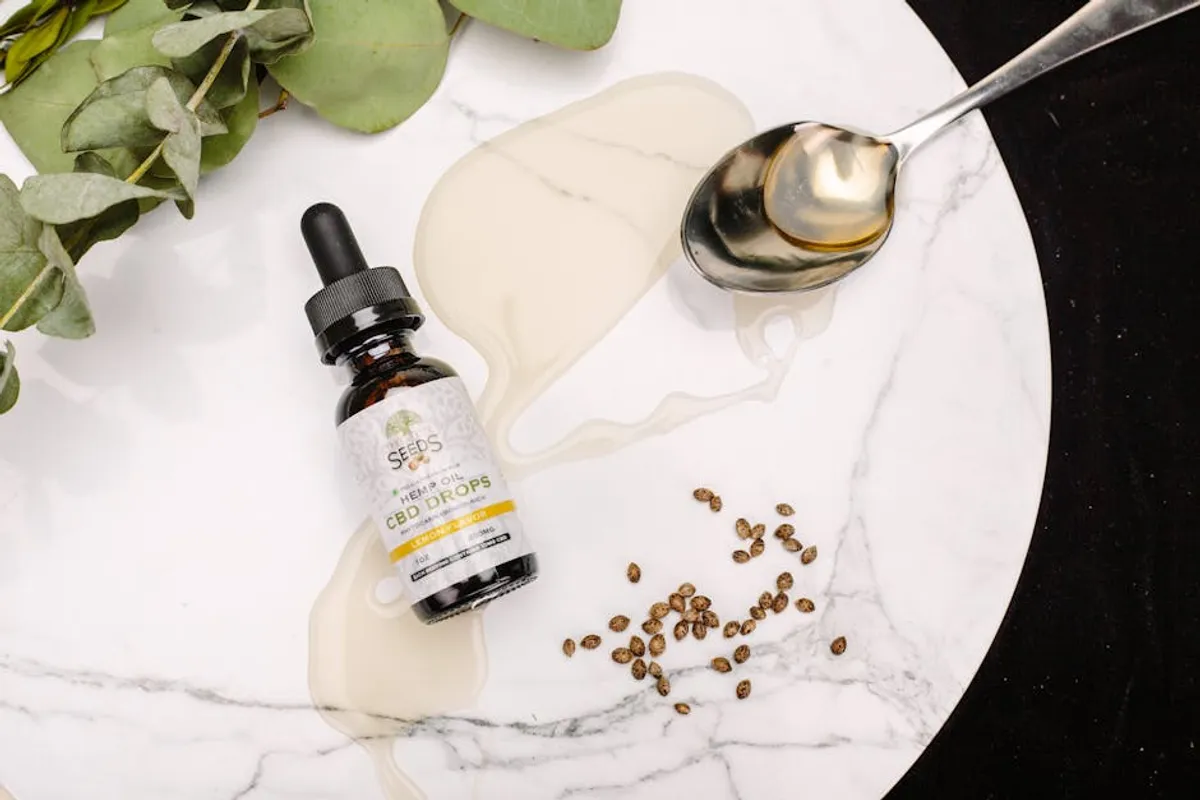
Hemp oil, often referred to as hemp seed oil, is extracted primarily from the seeds of industrial hemp plants. These seeds contain minimal to no tetrahydrocannabinol (THC), the psychoactive compound found in marijuana, and also very low levels of cannabidiol (CBD). The oil is produced through a cold-pressing method, similar to olive oil, which preserves its nutritional integrity.
It is important to differentiate hemp seed oil from CBD oil. CBD oil is extracted from the flowers, leaves, and stalks of the hemp plant, where cannabidiol concentrations are highest. While both originate from the Cannabis sativa plant, their chemical compositions and intended uses vary significantly:
- Hemp Seed Oil: Predominantly a nutritional oil, rich in essential fatty acids, vitamins, and minerals. Contains negligible cannabinoids (THC, CBD).
- CBD Oil: Primarily valued for its cannabinoid content, specifically CBD, which interacts with the body's endocannabinoid system. May contain trace amounts of THC, depending on the product type (full-spectrum, broad-spectrum, isolate).
Consumers seeking the nutritional benefits of the hemp plant's seeds will typically look for "hemp seed oil," whereas those interested in cannabinoid effects will search for "CBD oil" or "hemp extract oil" with specified CBD content. This distinction is crucial when considering hemp extract oil benefits and their applications.
Potential Benefits of Hemp Oil
Hemp oil's nutritional density is a primary driver of its reported benefits, making it a valuable addition to diets and topical applications. Its composition supports several bodily functions without the psychoactive effects associated with other cannabis derivatives.
Nutritional Profile
Hemp oil is celebrated for its balanced ratio of omega-6 to omega-3 essential fatty acids, typically around 3:1. This ratio is considered optimal for human health, supporting cardiovascular function and reducing systemic inflammation. Beyond fatty acids, it contains a spectrum of vitamins and minerals:
- Essential Fatty Acids: Linoleic acid (LA), alpha-linolenic acid (ALA), and gamma-linolenic acid (GLA).
- Vitamins: Vitamin E (a potent antioxidant), B vitamins.
- Minerals: Potassium, magnesium, calcium, iron, zinc.
This comprehensive nutritional profile contributes to its role as a dietary supplement and a functional food ingredient.
Skin Health Applications
Topical application of hemp oil is common in skincare for its moisturizing and soothing properties. The fatty acids in the oil closely resemble the skin's natural lipids, allowing for effective absorption and barrier support.
Best for: Individuals with dry skin, eczema, or minor irritations seeking natural hydration and anti-inflammatory support. The GLA content, in particular, is often cited for its potential to calm skin inflammation and reduce redness.
Other Reported Uses
While research is ongoing and often preliminary, some users report other benefits from dietary hemp oil, including:
- Cardiovascular Support: The omega-3 content may contribute to maintaining healthy cholesterol levels and blood pressure.
- Digestive Health: Fiber content from whole hemp seeds (though less in the oil itself) can support gut regularity. The oil's anti-inflammatory properties may also indirectly benefit the digestive tract.
- General Well-being: As a rich source of nutrients, it can contribute to overall vitality and energy levels.
Important Considerations and Risks
While generally considered safe, understanding the potential downsides and quality variations of hemp oil is critical for responsible use.
Purity and Quality Concerns
The market for hemp-derived products is still evolving, leading to inconsistencies in product quality and labeling. Contamination with pesticides, heavy metals, or residual solvents can occur if manufacturing standards are not rigorously maintained.
Pro Tip: Always prioritize products from reputable manufacturers that provide third-party lab testing results (Certificates of Analysis, or COAs). These documents verify the product's purity, potency, and confirm the absence of contaminants. Look for COAs specific to the batch number on your product.
Potential Side Effects
Hemp oil is typically well-tolerated, but some individuals may experience mild side effects, especially when consumed in large quantities. These can include:
- Digestive upset (e.g., diarrhea, stomach cramps)
- Allergic reactions (rare, but possible for individuals sensitive to cannabis plants)
Starting with a small dose and gradually increasing it allows the body to adjust and helps identify any sensitivities.
Legal and Regulatory Landscape
In many regions, hemp oil derived from industrial hemp (containing less than 0.3% THC) is legal. However, regulations can vary by jurisdiction and may change. Consumers should verify local laws regarding the purchase and use of hemp-derived products.
Drug Interactions
While hemp seed oil contains minimal cannabinoids, it's still prudent to exercise caution, particularly if taking anticoagulant medications (blood thinners). The high omega-3 content in hemp oil, while beneficial, can have mild blood-thinning effects. Consult a healthcare professional if you are on prescription medication to discuss potential interactions.
Making an Informed Choice
Choosing a hemp oil product requires diligence beyond simply selecting a brand. Focus on transparency, intended use, and professional guidance.
Sourcing and Label Reading
Look for products labeled "cold-pressed, unrefined hemp seed oil" for dietary use, indicating minimal processing and preservation of nutrients. For topical use, ensure the product is free from harsh chemicals or artificial fragrances. Verify the country of origin and any organic certifications.
Dosage and Administration
For dietary use, typical recommendations range from one tablespoon daily, which can be incorporated into salads, smoothies, or taken directly. For topical application, a small amount can be massaged into the skin as needed. There is no universally established "correct" dose; individual needs and responses vary.
Consulting Healthcare Professionals
Before making significant changes to your diet or wellness routine, especially if you have pre-existing health conditions, are pregnant, nursing, or taking medications, consult with a doctor or qualified healthcare provider. They can offer personalized advice based on your health profile and potential interactions.
Empowering Your Wellness Decisions
Hemp oil offers a range of nutritional and potential topical benefits, rooted in its rich profile of essential fatty acids, vitamins, and minerals. Its distinction from cannabinoid-rich oils like CBD is critical for consumers to understand. By prioritizing products with transparent third-party testing, understanding potential mild side effects, and consulting healthcare professionals, individuals can make informed decisions about integrating hemp oil into their personal wellness strategies. Focus on quality, clear labeling, and professional advice to ensure a beneficial and safe experience.
Frequently Asked Questions
Is hemp oil the same as CBD oil?
No, hemp oil (or hemp seed oil) is pressed from the seeds of the hemp plant and contains negligible cannabinoids like THC and CBD. CBD oil is extracted from the flowers, leaves, and stalks, where cannabinoids are concentrated, and is used for its CBD content.
What are the primary benefits of consuming hemp oil?
Hemp oil is primarily valued for its nutritional content, including a balanced ratio of omega-3 and omega-6 essential fatty acids, vitamin E, and minerals. It supports cardiovascular health, skin health, and general well-being.
Can hemp oil make you fail a drug test?
Pure hemp seed oil contains virtually no THC (typically below 0.001%), making it highly unlikely to cause a positive drug test. However, cross-contamination or mislabeling in unregulated products are rare possibilities, which is why third-party testing is crucial.
How should I store hemp oil to maintain its quality?
Hemp oil is sensitive to heat and light, which can degrade its delicate fatty acids. Store it in a cool, dark place, preferably in the refrigerator, and in an opaque, airtight container. Once opened, consume it within a few months for optimal freshness.