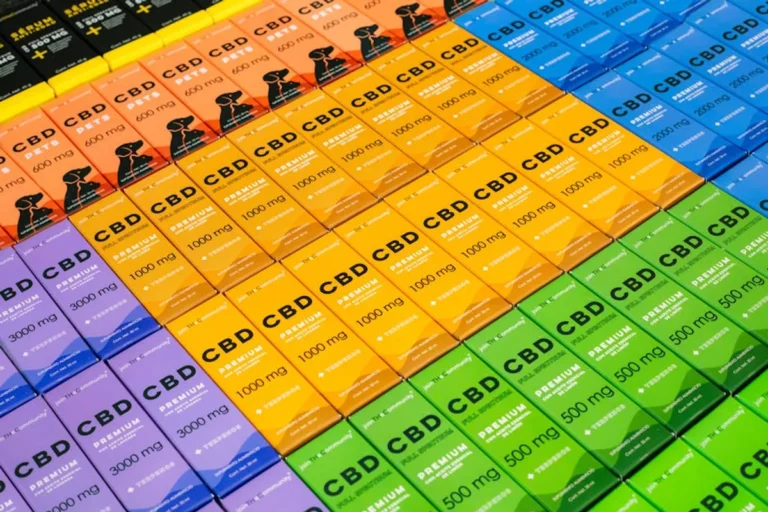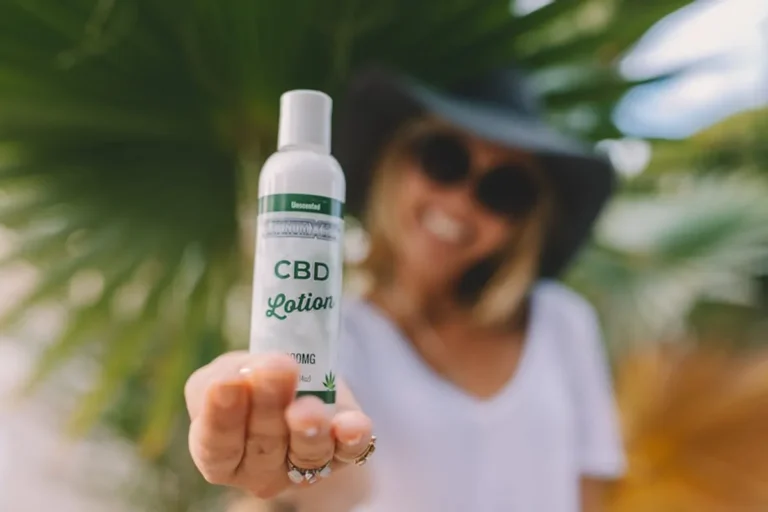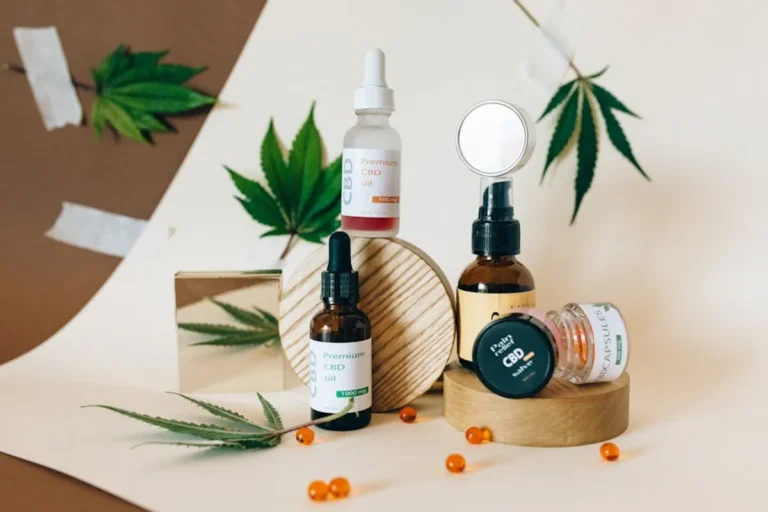
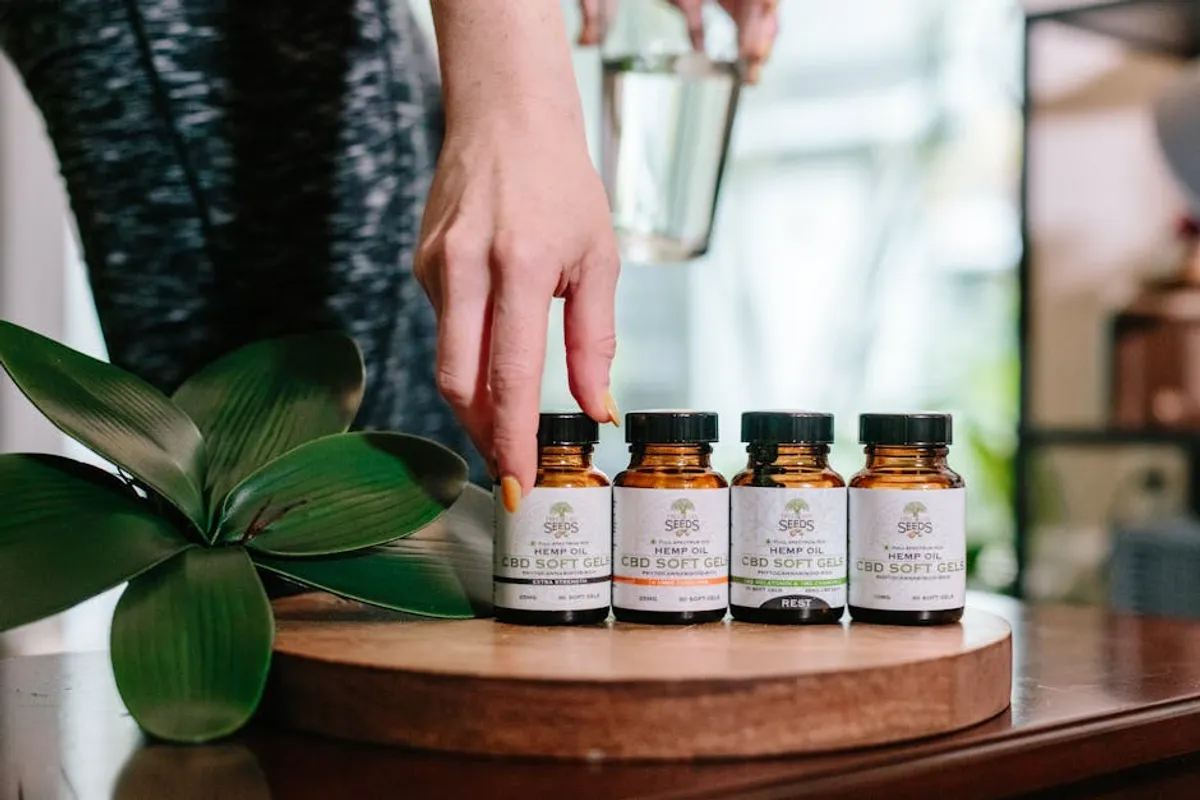
Navigating the world of hemp-derived products can be complex for newcomers, especially when confronting the term "hemp oil." This guide clarifies the fundamental distinctions and essential purchasing criteria, ensuring beginners make informed decisions about which product best suits their needs. Understanding the differences between hemp seed oil and CBD oil, both commonly referred to as "hemp oil," is the first critical step in any buying journey. Before making a purchase, consider common questions worth asking before you buy hemp oil.
Hemp Oil vs. CBD Oil: Clarifying the Core Difference
The most common source of confusion for beginners is the interchangeable use of "hemp oil" to describe two distinct products: hemp seed oil and CBD oil (often labeled as hemp extract oil). While both originate from the hemp plant, their composition, extraction methods, and primary uses differ significantly. Understanding how to distinguish between hemp seed and cbd oil is vital for beginners.
Hemp Seed Oil: Nutritional Powerhouse
Hemp seed oil is produced by cold-pressing the seeds of the Cannabis sativa plant. These seeds contain negligible amounts of cannabinoids like CBD or THC. Instead, hemp seed oil is prized for its rich nutritional profile.
- Composition: Primarily composed of essential fatty acids, including an optimal 3:1 ratio of omega-6 to omega-3. It also contains gamma-linolenic acid (GLA), antioxidants, and vitamins E and B.
- Extraction: Typically cold-pressed, a mechanical process that extracts oil without heat or chemical solvents, preserving its delicate nutritional compounds.
- Uses: Primarily culinary (dressings, cooking at low temperatures, smoothies) and topical (skin moisturizers, hair conditioners) due to its anti-inflammatory properties and ability to nourish the skin barrier. It is not intended for cannabinoid-related wellness benefits.
CBD Oil (Hemp Extract Oil): Cannabinoid-Rich Extract
CBD oil, or hemp extract oil, is derived from the flowers, leaves, and stalks of the hemp plant, which are rich in cannabinoids, terpenes, and flavonoids. These compounds interact with the body's endocannabinoid system.
- Composition: Contains varying concentrations of cannabidiol (CBD), along with other minor cannabinoids (CBG, CBN), terpenes (which contribute to aroma and therapeutic effects), and other plant compounds. THC content is legally limited to less than 0.3% in most regions.
- Extraction: Commonly extracted using CO2 (supercritical or subcritical) or ethanol, methods designed to efficiently pull cannabinoids and terpenes from the plant material.
- Uses: Primarily for wellness purposes, often consumed sublingually (under the tongue), ingested via capsules or edibles, or applied topically for targeted relief. Its effects are attributed to its cannabinoid content.
Pro Tip: Always check the ingredient list. If a product simply says "Hemp Oil" but lists "Cannabidiol (CBD)" or "Hemp Extract" as an active ingredient, it is CBD oil. If it lists "Hemp Seed Oil" as the primary ingredient and no mention of cannabinoids, it is strictly hemp seed oil.
Key Factors for Buying Quality Hemp Seed Oil
For those specifically seeking hemp seed oil for its nutritional benefits, several criteria dictate quality and efficacy.
Source and Cultivation Practices
The origin of the hemp seeds directly impacts the oil's purity. Opt for products sourced from reputable farms that adhere to strict agricultural standards.
- Organic Certification: Indicates the hemp was grown without synthetic pesticides, herbicides, or fertilizers, reducing the risk of chemical residues in the final product.
- Non-GMO Verification: Ensures the seeds used are not genetically modified, aligning with natural product preferences.
Extraction Method: Cold-Pressed Superiority
For hemp seed oil, cold-pressing is the gold standard. This mechanical process involves pressing the seeds at low temperatures, typically below 120°F (49°C).
- Nutrient Preservation: High heat can degrade delicate omega fatty acids and vitamins, reducing the oil's nutritional value. Cold-pressing maintains the integrity of these beneficial compounds.
- Flavor Profile: Cold-pressed hemp seed oil typically has a distinct, nutty, and slightly grassy flavor, indicative of its freshness and unrefined nature.
Purity and Third-Party Testing
While hemp seeds are less likely to absorb heavy metals than the fibrous stalks, contamination can still occur. Reputable brands provide transparency.
- Certificate of Analysis (COA): A COA from an independent third-party lab confirms the absence of heavy metals, pesticides, molds, and other contaminants. For hemp seed oil, it may also verify the fatty acid profile.
- Unrefined Status: Unrefined oils retain more nutrients and flavor. Refined hemp seed oil often lacks the characteristic green color and nutty taste, indicating a loss of beneficial compounds.
Packaging and Storage
Hemp seed oil is susceptible to oxidation due to its high polyunsaturated fat content. Proper packaging is crucial for maintaining freshness.
- Dark Glass Bottles: Protects the oil from light exposure, which can accelerate oxidation and spoilage.
- Air-Tight Seals: Minimizes exposure to oxygen.
- Refrigeration: Once opened, hemp seed oil should always be refrigerated to extend its shelf life and preserve its delicate fatty acids.
Navigating Labels and Claims
Understanding product labels is paramount for beginners to avoid misinterpretations.
- "Hemp Seed Oil" vs. "Hemp Extract": Clearly distinguishes between the oil derived from seeds (nutritional) and the extract from the plant's aerial parts (cannabinoid-rich).
- Ingredient List Scrutiny: A quality hemp seed oil product should list only "100% cold-pressed hemp seed oil" or similar. Avoid products with added fillers, artificial flavors, or unnecessary preservatives.
- Batch Numbers: Indicates traceability and allows consumers to reference specific third-party lab reports if provided by the manufacturer.
Making an Informed Purchase
Beyond product specifics, consider these practical aspects before buying.
- Brand Reputation and Transparency: Research the brand's history, mission, and commitment to quality. A trustworthy brand will openly share information about its sourcing, manufacturing processes, and testing protocols.
- Price vs. Value: While cost is a factor, prioritize quality over the lowest price. Extremely cheap hemp seed oil may indicate lower quality seeds, refining processes, or lack of proper testing. Compare prices among similarly high-quality, cold-pressed, organic options.
- Customer Reviews and Feedback: While not a sole determinant, consistent positive reviews can offer insights into product effectiveness, customer service, and overall satisfaction. Look for reviews that mention the oil's flavor, texture, and impact on culinary or topical applications.
Your First Steps with Hemp Oil
Selecting the right hemp oil begins with clarity on your needs—whether it's for nutritional support via hemp seed oil or wellness benefits from CBD oil. Always prioritize transparency, third-party testing, and reputable sourcing. Start with smaller quantities to assess quality and suitability before committing to larger purchases. This deliberate approach ensures you acquire a product that genuinely meets your expectations and delivers on its intended benefits.
Frequently Asked Questions
What is the shelf life of hemp seed oil?
Unopened, quality hemp seed oil typically lasts 12-18 months. Once opened, it should be refrigerated and consumed within 6-9 months to maintain freshness and nutritional integrity.
Can hemp seed oil be used for cooking at high temperatures?
No, hemp seed oil has a low smoke point (around 330°F or 165°C) due to its delicate unsaturated fatty acids. It is best used for low-heat cooking, baking, or as a finishing oil for dressings and dips.
Is hemp seed oil the same as marijuana oil?
No, hemp seed oil is distinct from marijuana oil. Hemp seed oil comes from the seeds of industrial hemp and contains no psychoactive compounds. Marijuana oil is derived from cannabis strains high in THC, the compound responsible for psychoactive effects.
Will using hemp seed oil make me fail a drug test?
No, pure hemp seed oil contains negligible to no THC, the compound screened in drug tests. Therefore, consuming hemp seed oil will not cause a positive drug test result.