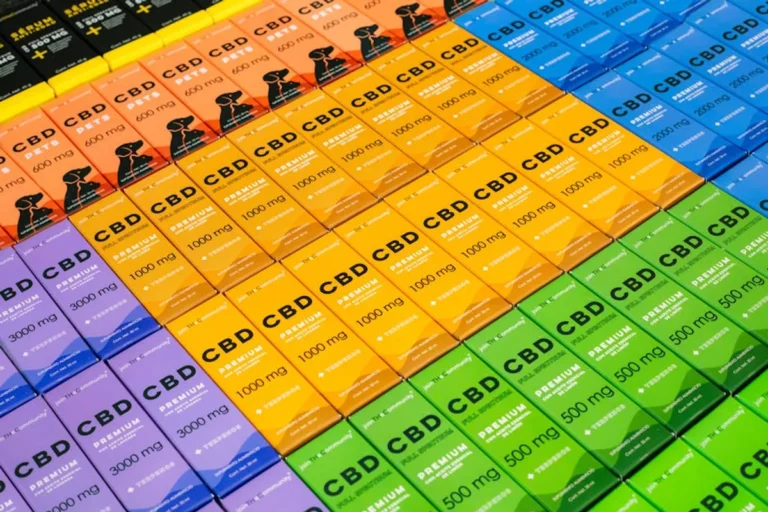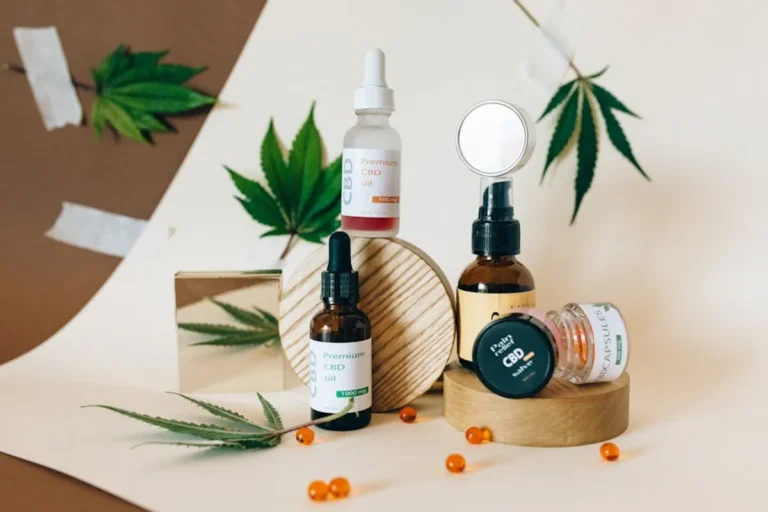
Entering the CBD affiliate landscape presents a distinct opportunity for new marketers, given the industry's rapid expansion and diverse product offerings. However, for beginners, navigating the sheer volume of available programs and products can feel overwhelming. The critical first step isn't just finding any CBD product to promote, but identifying legitimate, high-quality options supported by transparent affiliate programs that align with ethical marketing practices and provide a clear path to conversion. This guide focuses on criteria to simplify that initial selection process, ensuring you choose products that build trust with your audience and yield sustainable returns, rather than short-term, high-risk ventures.
Evaluating CBD Product Quality and Compliance
The foundation of any successful CBD affiliate effort rests on the quality and legitimacy of the products you promote. Unlike many other affiliate niches, CBD carries specific regulatory and consumer trust considerations. Beginners must prioritize programs that offer complete transparency regarding product sourcing, manufacturing, and testing.
Third-Party Lab Testing and Certificates of Analysis (COAs)
A non-negotiable requirement for any reputable CBD product is readily available third-party lab testing. These tests verify the cannabinoid content (ensuring advertised CBD levels are accurate and THC levels are within legal limits), and screen for contaminants such as heavy metals, pesticides, and residual solvents. Always look for a Certificate of Analysis (COA) for each product batch. A program that makes COAs easily accessible (e.g., via a QR code on the product, or a dedicated page on the brand's website) demonstrates a commitment to transparency and consumer safety. Without verifiable COAs, you risk promoting products that are mislabeled, ineffective, or even harmful, which directly impacts your credibility and potential for long-term earnings.
Ingredient Transparency and Sourcing
Beyond cannabinoid content, examine the full ingredient list. High-quality CBD products often use organic hemp, natural flavorings, and carrier oils like MCT (medium-chain triglyceride) oil. Avoid products with artificial additives, excessive fillers, or unclear ingredient origins. Understanding the hemp source (e.g., grown in the USA under specific agricultural regulations) adds another layer of assurance regarding quality and adherence to cultivation standards. Brands that openly share their cultivation and extraction methods are generally more trustworthy.
Assessing Affiliate Program Structures and Support
Once product legitimacy is established, turn your attention to the mechanics of the affiliate program itself. Not all programs are created equal, especially for those new to the space.
Commission Rates and Payout Terms
CBD affiliate programs typically offer commission rates ranging from 10% to 30% or higher, often varying by product category or sales volume. For beginners, a rate in the 15-25% range is common and fair. Crucially, understand the payout terms: minimum payout thresholds, payment frequency (e.g., weekly, bi-weekly, monthly), and payment methods (e.g., PayPal, direct deposit). Programs with low minimum thresholds and frequent payouts are more suitable for beginners, allowing for earlier cash flow and validation of marketing efforts.
Cookie Duration and Attribution
The cookie duration defines how long after a click your referral can still earn you a commission. Standard durations range from 30 to 90 days. A longer cookie duration (e.g., 60+ days) is more advantageous, as it provides a wider window for potential customers to make a purchase decision, which can be longer in the CBD space due to research and consideration. Also, inquire about the attribution model – most programs use last-click attribution, meaning the last affiliate link clicked before purchase gets the commission. Ensure these terms are clearly stated in the affiliate agreement.
Marketing Assets and Educational Resources
Effective affiliate marketing requires compelling content and visuals. A beginner-friendly program provides a robust suite of marketing assets: high-quality product images, banners, pre-written ad copy, and product descriptions. Even more valuable are educational resources, such as articles, FAQs, or guides about CBD, which you can leverage or adapt for your own content. Some programs offer dedicated affiliate managers who can provide personalized support, performance insights, and strategic guidance, which is a significant asset for newcomers.
Pro Tip: Before committing to any CBD affiliate program, thoroughly review their terms of service, especially clauses related to marketing restrictions, prohibited claims, and legal compliance. The CBD industry is subject to evolving regulations, and promoting products with unsubstantiated health claims can lead to account termination or legal issues. Stick to factual information supported by COAs and general wellness benefits, avoiding any medical claims.
Matching Products to Your Niche and Audience
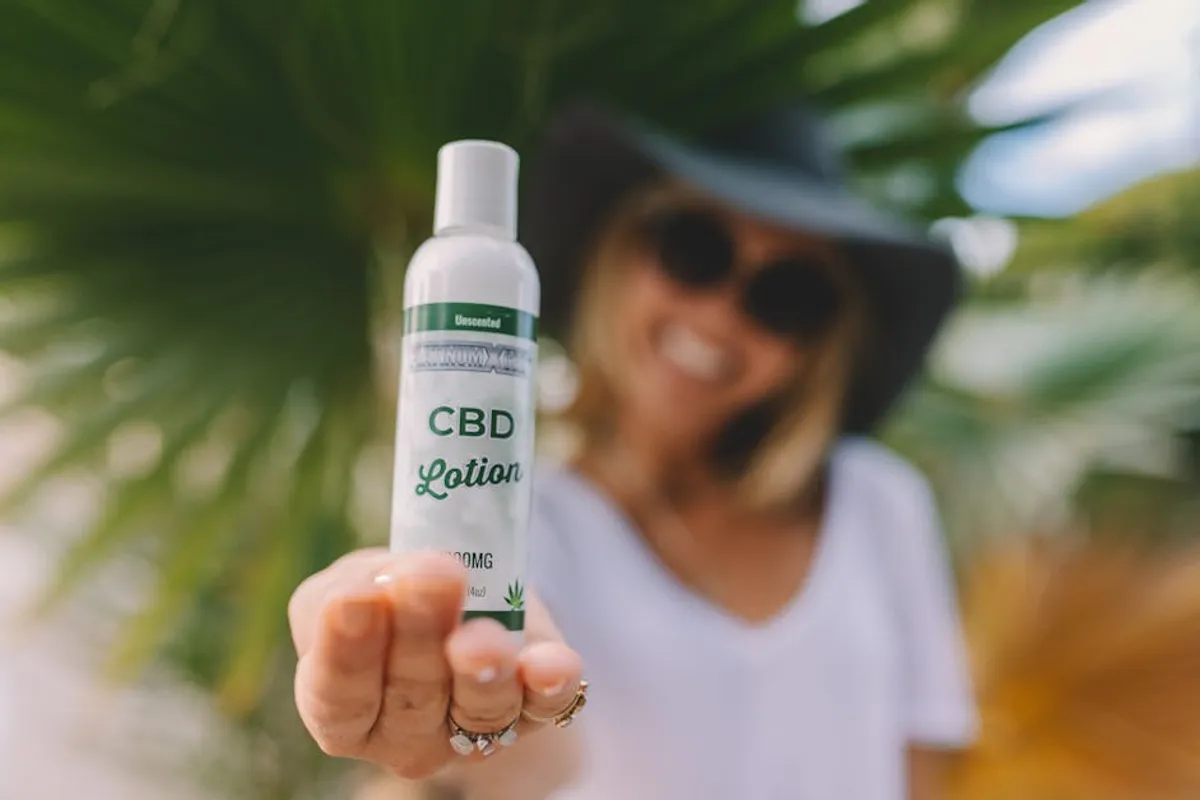
The CBD market is broad, encompassing everything from tinctures and capsules to topicals, edibles, and pet products. Identifying a specific niche within this market is crucial for beginners to effectively target an audience and differentiate their promotional efforts.
Consider the following when defining your niche:
- Specific Product Categories: Instead of "CBD," focus on "CBD oil for sleep," "CBD topicals for muscle recovery," or "CBD treats for anxious pets." This allows for more targeted content and audience engagement.
- Demographic Focus: Are you targeting athletes, seniors, busy professionals, or new pet owners? Understanding their specific needs and pain points helps in product selection.
- Problem-Solution Approach: Identify common issues your audience faces (e.g., occasional sleeplessness, post-workout soreness, daily stress) and recommend CBD products that offer a relevant solution.
Best for: Beginners seeking to establish credibility and a focused audience, rather than attempting to capture the entire CBD market.
Launching Your CBD Affiliate Efforts
Once you’ve selected a few promising CBD affiliate products and programs, your next steps involve strategic implementation. Start by creating high-quality, informative content that educates your audience about the products and their potential benefits, always referencing verifiable information. Focus on building trust through transparent reviews, comparisons, and personal insights (if applicable and ethical). Utilize the marketing assets provided by the affiliate program, but customize them to fit your brand voice. Monitor your performance metrics closely—clicks, conversions, and earnings—to understand what resonates with your audience and where to optimize your strategy. The CBD affiliate space rewards persistence, ethical promotion, and a genuine commitment to providing value to consumers.
Frequently Asked Questions
What is a good commission rate for CBD affiliate products?
A good commission rate for CBD affiliate products typically ranges from 15% to 25% for entry-level affiliates. Some programs offer higher tiers for proven performance, or a lower base rate with bonuses. Evaluate this in conjunction with average order value to understand potential earnings.
How do I verify the legitimacy of a CBD product?
Verify legitimacy by checking for readily available third-party lab test results (Certificates of Analysis or COAs) for each product batch. These should confirm cannabinoid content and screen for contaminants. Also, look for transparent sourcing information and clear ingredient lists.
Can I promote CBD products on social media platforms?
Promoting CBD products on social media can be challenging due to platform-specific advertising policies that often restrict or prohibit CBD-related content. Organic content and community building are generally safer approaches, but direct advertising often requires careful adherence to platform guidelines or alternative strategies.
What should I look for in an affiliate dashboard or reporting system?
A beginner-friendly affiliate dashboard should provide clear, real-time data on clicks, conversions, sales, and commissions earned. Look for features like customizable reports, referral link generation, and access to marketing assets. Transparent and easy-to-understand reporting is crucial for tracking performance and optimizing your strategy.