
Navigating the market for CBD products can be challenging, especially for beginners seeking options to manage stress. The sheer volume of choices—from oils and capsules to gummies and topicals—combined with varying potencies and claims, often leads to confusion. This guide simplifies the process, focusing on the critical factors a first-time buyer needs to consider to make an informed decision for stress management. Beyond stress, this guide will also touch on other common uses for CBD that beginners might find helpful.
Understanding CBD for Stress
Cannabidiol (CBD) is a compound derived from the cannabis plant. Unlike tetrahydrocannabinol (THC), CBD is not intoxicating and does not produce a "high." Preliminary research and anecdotal evidence suggest CBD may influence the body's endocannabinoid system, a complex network involved in regulating various physiological processes, including mood, sleep, and stress response. For beginners, understanding this basic interaction is key to appreciating why CBD is considered for stress.
How CBD Interacts with the Body
The endocannabinoid system (ECS) consists of cannabinoid receptors (CB1 and CB2), endocannabinoids (compounds produced by the body), and enzymes that synthesize and break them down. CBD is thought to interact indirectly with these receptors, as well as influencing other non-cannabinoid receptors and ion channels, which can contribute to its potential effects on mood and relaxation. This indirect interaction is why CBD is not psychoactive but may still impact feelings of calm and well-being.
Full-Spectrum, Broad-Spectrum, or Isolate?
The type of CBD extract significantly impacts its potential effects and is a crucial choice for beginners. Each offers a different profile of plant compounds:
- Full-Spectrum CBD: Contains all naturally occurring compounds of the cannabis plant, including cannabinoids (like CBD, CBN, CBG), terpenes, flavonoids, and trace amounts of THC (up to 0.3% by dry weight). This combination is believed to create an "entourage effect," where compounds work synergistically to enhance benefits.
- Broad-Spectrum CBD: Contains all the compounds found in full-spectrum CBD, but with the THC completely removed or reduced to undetectable levels. This is often preferred by individuals who want the benefits of the entourage effect without any THC.
- CBD Isolate: This is pure CBD, with all other plant compounds removed. It is tasteless, odorless, and contains no THC. While it lacks the entourage effect, it is suitable for those who prefer to avoid all other cannabinoids.
Best for: Beginners concerned about THC should consider broad-spectrum or isolate. Those seeking the most comprehensive plant benefits might opt for full-spectrum if comfortable with trace THC.
Key Factors When Buying CBD for Stress
Once you understand the basic types, evaluating specific products requires attention to several critical details.
Potency and Dosage: Finding Your Starting Point
CBD potency is typically measured in milligrams (mg) per bottle for oils or per serving for capsules and gummies. For stress management, beginners should start with a low potency (e.g., 5-10 mg per serving) and gradually increase the dose until the desired effect is achieved. There is no universal "correct" dose; individual response varies based on body weight, metabolism, and the severity of stress. Always follow the manufacturer's suggested serving size initially, and consult with a healthcare professional if you have concerns.
Product Type: Oils, Capsules, Gummies, Topicals
The delivery method influences onset time, duration of effects, and convenience:
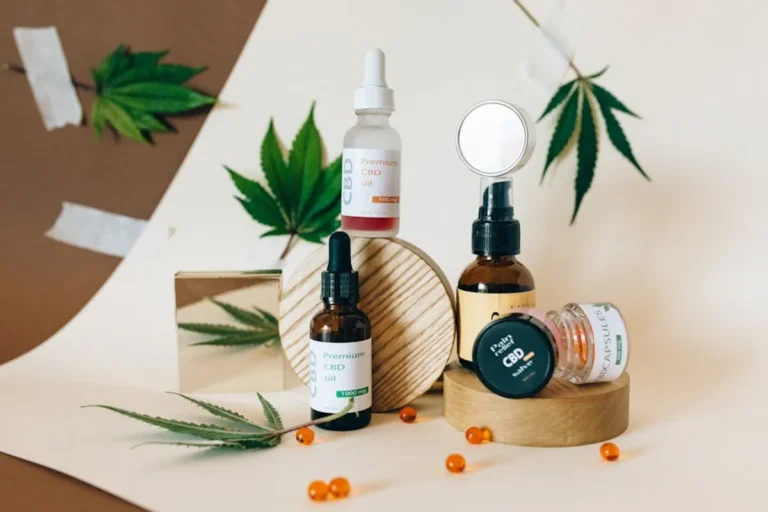
- CBD Oils (Tinctures): Administered sublingually (under the tongue), oils offer relatively fast absorption (15-45 minutes) and allow for precise dosage adjustments by counting drops. They are versatile and widely available.
- CBD Capsules/Softgels: Provide a consistent, pre-measured dose, making them convenient and discreet. Absorption is slower (30-90 minutes) as they must pass through the digestive system.
- CBD Gummies/Edibles: Similar to capsules in onset time and convenience, gummies offer a palatable way to consume CBD. Dosage is pre-set per gummy.
- CBD Topicals (Creams, Balms): Applied directly to the skin, topicals are generally used for localized discomfort rather than systemic stress relief, as they typically do not enter the bloodstream significantly.
Best for: Systemic stress relief, oils or capsules/gummies are most appropriate. Oils offer flexibility, while capsules/gummies offer convenience.
Third-Party Lab Testing: Verifying Purity and Potency
This is arguably the most crucial factor. Reputable CBD brands send their products to independent, accredited third-party laboratories for testing. These labs verify:
- Cannabinoid Profile: Confirms the CBD content and ensures THC levels are within legal limits (or absent).
- Purity: Checks for contaminants like heavy metals, pesticides, herbicides, mold, and residual solvents.
Always look for a Certificate of Analysis (COA) for each product batch. This document should be easily accessible on the brand's website via a QR code or direct link. Without a COA, there is no reliable way to verify what you are consuming.
Ingredient Quality and Sourcing
The quality of the hemp plant itself matters. Look for brands that source their hemp from reputable farms, ideally those that use organic farming practices. This minimizes exposure to pesticides and other harmful chemicals. Also, consider the extraction method. CO2 extraction is widely regarded as the cleanest and most efficient method, producing a pure extract without harsh chemical residues.
Brand Reputation and Customer Reviews
While not a substitute for lab testing, a brand's reputation and customer feedback can offer valuable insights. Look for brands with transparent practices, responsive customer service, and consistently positive reviews regarding product effectiveness and quality. Be wary of brands with exaggerated claims or a lack of readily available information.
Navigating the Market: What to Look For (and Avoid)
As you begin your search, keep these practical points in mind to filter through the numerous options:
- Look for: Clear labeling of CBD content, full ingredient lists, batch-specific COAs, transparent sourcing information, and reasonable pricing that reflects quality.
- Avoid: Products with vague labeling, no accessible lab reports, excessively low prices that may indicate poor quality, or brands making unverified medical claims.
Pro Tip: When comparing products, calculate the cost per milligram of CBD. Divide the total price by the total CBD content (in mg) to get a true cost comparison across different potencies and bottle sizes. This helps identify value beyond the sticker price.
Starting Your CBD Regimen
Once you've selected a product, begin with the lowest recommended dose. Take it consistently for several days to a week before considering an increase, allowing your body time to adjust and respond. Keep a journal to track your dosage, the time you take it, and any effects you notice regarding your stress levels, sleep, and overall mood. This systematic approach helps you identify the optimal dose and product type for your individual needs.
Making Your Informed Purchase
Choosing CBD for stress as a beginner doesn't have to be overwhelming. By prioritizing third-party lab testing, understanding the differences between full-spectrum, broad-spectrum, and isolate, and paying attention to potency and product type, you can confidently select a product that aligns with your goals. Focus on transparency, quality sourcing, and a gradual approach to dosing for the best experience.
Frequently Asked Questions
Is CBD legal?
In the United States, CBD derived from hemp (containing less than 0.3% THC) is federally legal, but state laws can vary. Always check local regulations.
How long does it take for CBD to work for stress?
Onset time varies by product type and individual. Oils can take 15-45 minutes, while edibles and capsules may take 30-90 minutes. Consistent use over several days or weeks often yields more noticeable effects.
Can I take CBD with other medications?
CBD can interact with certain medications, particularly those metabolized by the cytochrome P450 enzyme system. It is crucial to consult with a healthcare professional before combining CBD with any prescription drugs.
Will CBD make me feel high?
No, CBD is non-intoxicating. Full-spectrum products contain only trace amounts of THC (below 0.3%), which is not enough to produce a psychoactive effect.