Navigating the market for CBD products specifically aimed at improving sleep can be complex for a newcomer. With a growing array of options, understanding what differentiates a quality product from an ineffective one is essential. This guide outlines the core criteria and considerations for beginners looking to make an informed first purchase of CBD for sleep, focusing on product characteristics rather than brand endorsements.
What is CBD and How Does it Relate to Sleep?
Cannabidiol (CBD) is a compound derived from the cannabis plant. Unlike tetrahydrocannabinol (THC), CBD is non-intoxicating, meaning it does not produce the "high" associated with cannabis. Its interaction within the body, primarily with the endocannabinoid system (ECS), is what researchers are exploring in relation to various physiological processes, including mood, stress response, and sleep-wake cycles. The ECS helps maintain internal balance, and CBD is thought to influence this system indirectly, potentially supporting a state of calm conducive to sleep, rather than acting as a direct sedative.
Understanding CBD Types: Full-Spectrum, Broad-Spectrum, Isolate
The type of CBD extract determines its cannabinoid and terpene profile, which can influence its effects. Understanding these distinctions is crucial for beginners:
- Full-Spectrum CBD: Contains all naturally occurring compounds of the hemp plant, including other cannabinoids (like CBN, CBG), terpenes, and flavonoids. It also includes trace amounts of THC (up to 0.3% by dry weight, as per federal regulations). The presence of these multiple compounds is theorized to create an "entourage effect," where they work synergistically to enhance the overall therapeutic benefits.
- Broad-Spectrum CBD: Similar to full-spectrum, it contains a range of cannabinoids, terpenes, and flavonoids, but with the THC completely removed or reduced to non-detectable levels. This option is often preferred by individuals who want the potential benefits of the entourage effect without any THC.
- CBD Isolate: This is pure CBD, with all other plant compounds, including THC, removed. It typically comes as a white powder or crystal. While it offers a high concentration of CBD, it lacks the potential synergistic effects of other cannabinoids and terpenes found in full-spectrum or broad-spectrum products.
For sleep, many users report preferring full-spectrum or broad-spectrum products due to the potential entourage effect, which some believe contributes more effectively to relaxation and sleep support.
Key Considerations When Buying CBD for Sleep
Making an initial purchase requires attention to several product attributes that impact effectiveness, safety, and value.
Potency and Dosage: Finding Your Starting Point
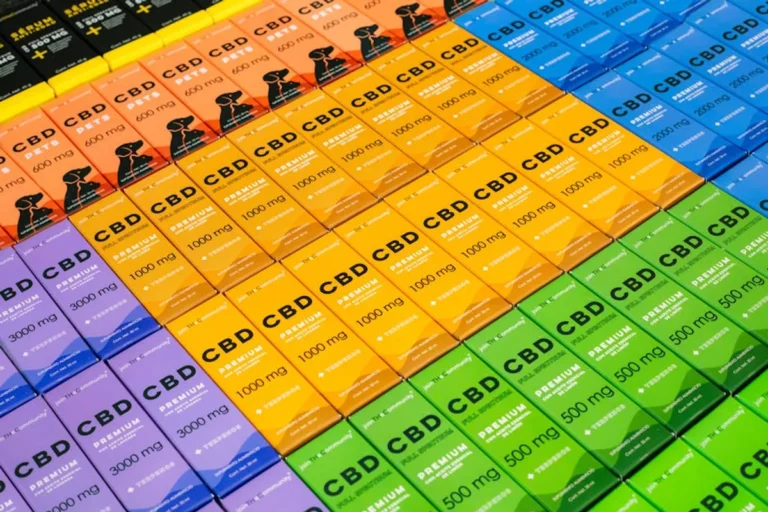
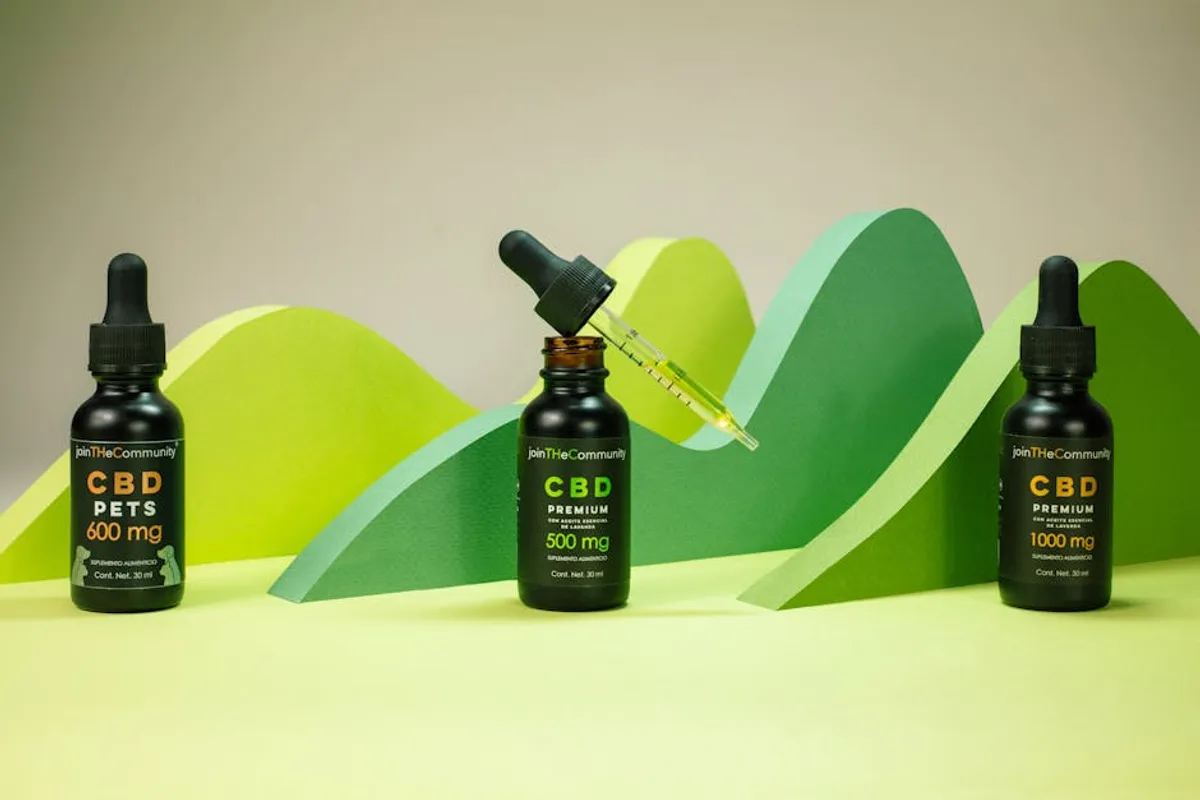
CBD product potency is typically measured in milligrams (mg) per bottle or per serving. For beginners, starting with a lower potency product and gradually increasing the dose is generally recommended. This allows individuals to assess their personal response and find the minimum effective dose. A common starting point might be 10-20 mg of CBD per dose, taken about 30-60 minutes before bedtime. The total CBD content of a bottle (e.g., 500 mg, 1000 mg) indicates its overall concentration, while the serving size (e.g., 1 ml dropper, 1 capsule) determines the CBD amount per intake.
Third-Party Lab Testing: Ensuring Purity and Accuracy
This is arguably the most critical factor for any CBD purchase. Reputable manufacturers send their products to independent, third-party laboratories for testing. These labs provide a Certificate of Analysis (COA) that verifies several key aspects:
- Cannabinoid Profile: Confirms the exact amounts of CBD, THC, and other cannabinoids present, ensuring the product matches its label claims.
- Purity: Tests for contaminants such as heavy metals, pesticides, mold, mildew, and residual solvents (chemicals used in the extraction process).
Always look for products with easily accessible and up-to-date COAs, typically available on the brand’s website via a batch number on the product packaging. Absence of a COA should be a red flag.
Ingredients and Formulation: Beyond Just CBD
While CBD is the primary active ingredient, other components in a sleep-focused formulation can enhance its potential effects. Look for natural ingredients and avoid artificial flavors, colors, or unnecessary additives. Some CBD products for sleep may include:
- Terpenes: Specific terpenes like Linalool (found in lavender) or Myrcene (found in hops) are associated with relaxing properties.
- Minor Cannabinoids: Cannabinol (CBN) is another cannabinoid often highlighted for its potential sedative qualities.
- Botanicals: Ingredients like chamomile, valerian root, passionflower, or lemon balm are traditional sleep aids that can complement CBD.
- Melatonin: Some formulations combine CBD with melatonin, a hormone that regulates sleep-wake cycles.
Consider whether you prefer a pure CBD product or one with additional synergistic ingredients.
Consumption Methods: Oils, Capsules, Gummies
The method of consumption influences how quickly CBD takes effect and how long it lasts. Beginners should consider convenience, onset time, and taste preferences:
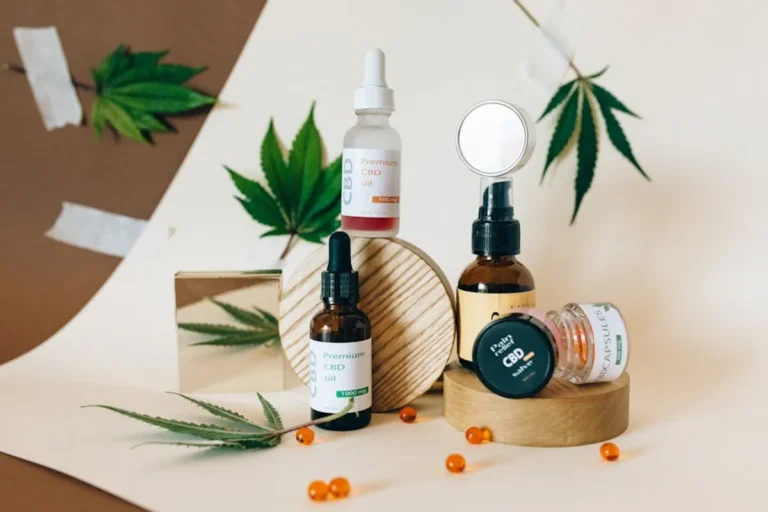
- CBD Oils/Tinctures: Taken sublingually (under the tongue), these offer relatively fast absorption (15-45 minutes) and allow for flexible dosing by adjusting the number of drops. Flavor can vary.
- CBD Capsules/Softgels: Provide a precise, pre-measured dose, making them easy to use. Absorption occurs through the digestive system, leading to a slower onset (45-90 minutes) but potentially longer-lasting effects.
- CBD Gummies: A palatable and discreet option, similar to capsules in terms of onset time and duration. Often flavored to mask the natural taste of hemp.
Best for:
- Fast onset, adjustable dose: Oils/Tinctures
- Precise, consistent dose, no taste: Capsules/Softgels
- Palatability, discreet use: Gummies
Evaluating Product Quality and Transparency
Beyond the COA, a brand's overall transparency and reputation contribute to product quality. Look for clear labeling that specifies CBD content, serving size, and ingredient lists. Brands that openly share their hemp sourcing practices (e.g., organic farming, U.S.-grown hemp) and extraction methods (e.g., CO2 extraction, which is considered clean and efficient) demonstrate a commitment to quality. Customer reviews can offer insights into product effectiveness and customer service, but individual experiences vary.
Pro Tip: When starting with CBD for sleep, consistency is key. It may take several days or even weeks of regular use to observe potential benefits. Start with a low dose and maintain it for at least a week before considering a gradual increase. Keep a simple sleep journal to track your dosage and perceived effects.
Practical Steps for Your First Purchase
To simplify your initial buying process, follow these steps:
- Define Your Needs: Are you looking for general relaxation, help falling asleep, or staying asleep?
- Choose a CBD Type: Decide between full-spectrum, broad-spectrum, or isolate based on your comfort with THC and desired entourage effect.
- Select a Consumption Method: Consider your preference for fast onset, precise dosing, or palatability.
- Prioritize Third-Party Testing: Only consider products with readily available, recent COAs confirming cannabinoid content and purity.
- Start Low and Slow: Begin with a low potency product and a small dose, then observe your body's response.
- Research Brands: Look for companies with transparent practices, clear labeling, and positive customer feedback regarding their commitment to quality.
Frequently Asked Questions About CBD for Sleep
Is CBD legal?
Federally, hemp-derived CBD products containing less than 0.3% THC are legal in the United States, following the 2018 Farm Bill. However, state laws can vary, so it's advisable to check local regulations.
Will CBD make me feel "high"?
No. CBD is non-intoxicating. Full-spectrum products contain only trace amounts of THC (below 0.3%), which is generally not enough to produce psychoactive effects.
How long does it take for CBD to work for sleep?
Onset time varies depending on the consumption method. Oils taken sublingually may take 15-45 minutes, while capsules and gummies can take 45-90 minutes as they pass through the digestive system. Individual responses also vary.
Can I take CBD with other sleep medications?
It is crucial to consult with a healthcare professional before combining CBD with any other medications, especially those that affect the central nervous system or are metabolized by the liver. CBD can interact with certain drugs, potentially altering their effectiveness or increasing side effects.