CBD capsules offer a distinct method for consuming cannabidiol, presenting a structured alternative to oils, tinctures, or edibles. For individuals evaluating CBD as a potential supplement, capsules streamline the experience by providing pre-measured doses in a familiar format. This approach bypasses taste considerations and simplifies daily routines, making them a practical choice for consistent use. However, like any supplement, understanding their specific benefits, potential risks, and critical factors for selection is essential for making an informed decision.
What Are CBD Capsules?
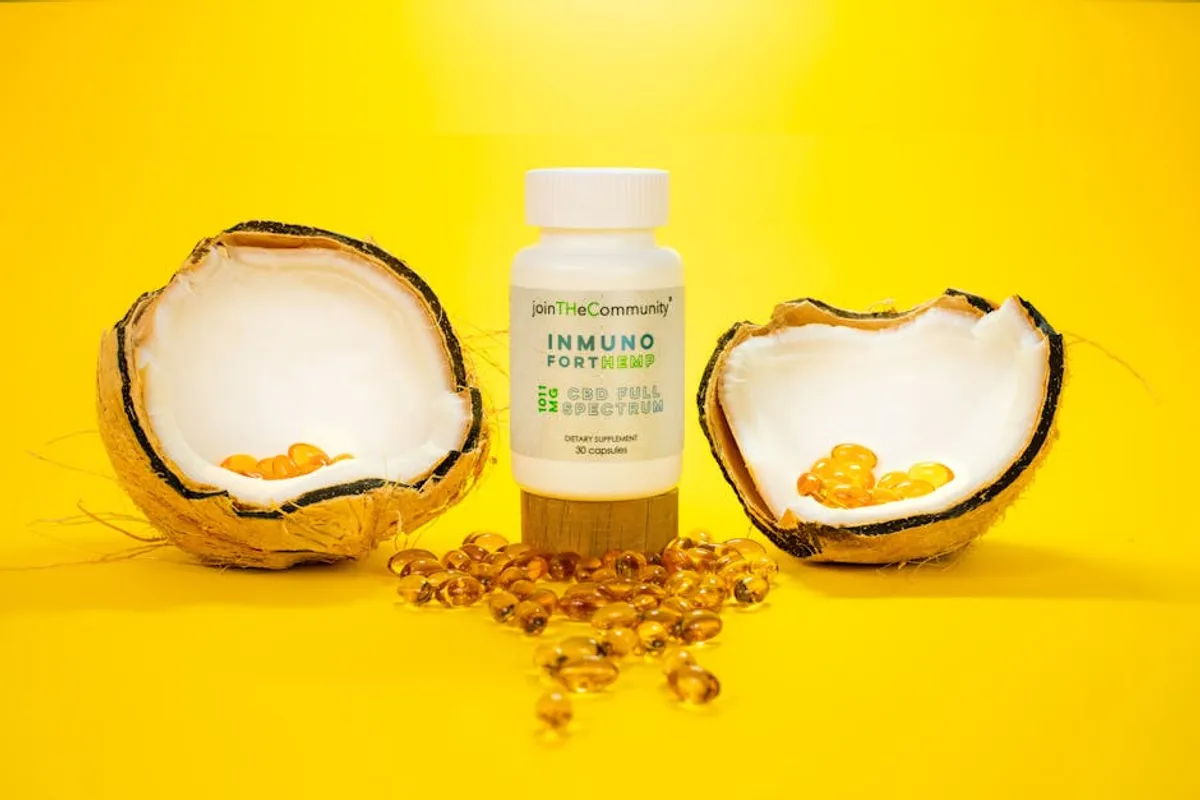
CBD capsules encapsulate cannabidiol, derived from the hemp plant, into a digestible shell, typically made of gelatin or a plant-based alternative. These capsules are designed for oral ingestion, similar to traditional vitamin supplements. The CBD content within can vary significantly in potency and formulation, impacting its effects and absorption profile.
Formulations: Full-Spectrum, Broad-Spectrum, Isolate
The type of CBD extract within a capsule dictates its chemical composition and potential efficacy:
- Full-Spectrum CBD: Contains all naturally occurring compounds from the hemp plant, including other cannabinoids (like trace amounts of THC, within legal limits of 0.3% by dry weight), terpenes, and flavonoids. This composition is believed to produce an "entourage effect," where compounds work synergistically.
- Broad-Spectrum CBD: Includes a range of cannabinoids, terpenes, and flavonoids, but with the THC removed to undetectable levels. It aims to offer the benefits of the entourage effect without any concern for THC content.
- CBD Isolate: Pure CBD, with all other plant compounds removed. This option is suitable for individuals who wish to avoid all other cannabinoids or who are sensitive to other hemp components.
Softgels vs. Hard-Shell Capsules
CBD capsules are generally available in two primary forms, each with distinct characteristics:
- Softgels: These are typically made from gelatin and often contain CBD suspended in a carrier oil (e.g., MCT oil). The liquid format can sometimes improve bioavailability, meaning the body absorbs a higher percentage of the CBD. They are often easier to swallow.
- Hard-Shell Capsules: These consist of two interlocking halves and can contain CBD in powder form or mixed with a solid filler. They are frequently used for plant-based formulations (e.g., HPMC for vegan options) and offer precise dosing for powdered extracts.
Potential Benefits of CBD Capsules
The primary appeal of CBD capsules lies in their user-friendly design and consistent delivery. For many, these attributes translate into a more manageable and predictable experience.
Convenience and Precise Dosing
Each capsule contains a specific, pre-measured amount of CBD, eliminating the need for droppers or guesswork associated with tinctures. This precision ensures consistent dosing day-to-day, which is crucial for monitoring effects and adjusting intake systematically. The portability of capsules also makes them suitable for use on the go without drawing attention.
Discretion and Taste Neutrality
CBD oils can have an earthy or herbaceous taste that some find unpalatable. Capsules are swallowed whole, bypassing the taste buds entirely, making them a preferred option for those sensitive to flavor. Their discreet appearance also allows for consumption in public or professional settings without attracting notice.
Sustained Release Profile
When ingested, CBD capsules pass through the digestive system, where the CBD is gradually released and absorbed. This process typically results in a slower onset of effects compared to sublingual oils but often leads to a longer-lasting effect. This sustained release can be beneficial for individuals seeking prolonged relief throughout the day or night.
Users commonly report employing CBD capsules to support:
- Calm and relaxation: anecdotal evidence suggests a role in managing everyday stress.
- Sleep quality: many individuals integrate capsules into their evening routine for improved rest.
- Physical discomfort: some find capsules helpful for addressing minor aches and soreness.
Potential Risks and Considerations
While generally well-tolerated, CBD capsules are not without potential risks and require careful consideration, particularly regarding individual health and product quality.
Drug Interactions
CBD can interact with certain medications, particularly those metabolized by cytochrome P450 enzymes in the liver. This includes blood thinners, anticonvulsants, antidepressants, and some heart medications. Such interactions can alter drug efficacy or increase side effects. Professional medical advice is crucial before combining CBD with prescription drugs.
Side Effects
Reported side effects of CBD are typically mild and may include dry mouth, drowsiness, reduced appetite, and diarrhea. These effects are often dose-dependent, meaning they are more likely with higher doses. Individual responses vary significantly.
Regulatory Landscape and Quality Control
The CBD market remains largely unregulated, leading to significant variability in product quality and accuracy of labeling. Some products have been found to contain less CBD than advertised, more THC than legally permitted, or contaminants like pesticides, heavy metals, and residual solvents. This lack of consistent oversight poses a risk to consumers seeking reliable and safe products.
Bioavailability Concerns
When CBD is ingested orally, it undergoes "first-pass metabolism" in the liver, which breaks down a significant portion of the compound before it reaches systemic circulation. This reduces the bioavailability of orally administered CBD, meaning a smaller percentage of the dose actually becomes active in the body compared to other consumption methods. While some formulations aim to enhance absorption (e.g., nano-emulsified CBD), it remains a factor to consider for efficacy.
What to Know Before Purchasing
Navigating the CBD market requires diligence to ensure product safety, efficacy, and value. Focusing on transparency and verifiable information is paramount.
Third-Party Lab Testing (COAs)
Always prioritize products that provide a Certificate of Analysis (COA) from an independent, ISO 17025-accredited third-party laboratory. This document verifies the CBD and THC content, confirms the absence of contaminants (pesticides, heavy metals, microbes, residual solvents), and ensures the product matches its label claims. Reputable brands make COAs easily accessible via QR codes on packaging or on their websites.
Ingredient Transparency
Examine the full ingredient list beyond just CBD content. Look for clear indications of the CBD extract type (full-spectrum, broad-spectrum, isolate), carrier oils (e.g., MCT oil, hemp seed oil), and any other additives. Avoid products with artificial colors, flavors, or unnecessary fillers. For those with dietary restrictions, check capsule materials (e.g., gelatin vs. plant-based cellulose).
Dosage and Potency
CBD capsules are available in various potencies (e.g., 10mg, 25mg, 50mg per capsule). Start with a lower dose and gradually increase until desired effects are achieved. Higher potency capsules may offer better value per milligram of CBD but require more careful titration. Understand the total CBD content per package versus per serving.
Pro Tip: When evaluating CBD capsules, cross-reference the batch number on the product packaging with the COA available online. This ensures you are reviewing the lab results specific to the product you hold, not a generic report. Discrepancies warrant caution.
Making an Informed Choice
Choosing CBD capsules involves balancing convenience with critical assessment of product quality and personal health considerations. Prioritize brands demonstrating full transparency through accessible third-party lab reports and clear ingredient lists. Consult with a healthcare professional, especially if you are taking other medications or have underlying health conditions, to discuss potential interactions and appropriate dosing. Begin with a conservative dose and monitor your body's response, adjusting as needed. This methodical approach helps ensure a safer and more effective experience with CBD capsules.
Frequently Asked Questions About CBD Capsules
How long do CBD capsules take to work?
Typically, CBD capsules take longer to exert effects compared to sublingual oils or vaping. Due to digestion and first-pass metabolism, effects usually begin within 60 to 120 minutes after ingestion.
How long do the effects of CBD capsules last?
The effects of CBD capsules tend to be longer-lasting than other methods, often persisting for 6 to 8 hours, and sometimes up to 10 hours, due to the slow release and absorption through the digestive system.
Can I take CBD capsules with other medications?
CBD can interact with several types of medications, particularly those metabolized by the liver's cytochrome P450 enzyme system. It is critical to consult a healthcare professional before taking CBD capsules if you are on any prescription medications to avoid potential adverse interactions.
Are CBD capsules legal?
In the United States, CBD products derived from hemp containing less than 0.3% delta-9 THC are federally legal under the 2018 Farm Bill. However, state laws vary, and it is advisable to check local regulations. International laws regarding CBD also differ significantly.