
For many, navigating the complexities of daily life often involves managing stress. This persistent challenge has led individuals to explore various avenues for relief, including natural alternatives. Among these, Cannabidiol (CBD), a non-intoxicating compound derived from the cannabis plant, has emerged as a subject of widespread interest for its potential role in mitigating stress and anxiety symptoms without the psychoactive effects associated with THC.
Understanding CBD's utility for stress management requires a clear assessment of its proposed benefits, potential risks, and the practical knowledge necessary for informed use. This involves examining how CBD interacts with the body, what scientific and anecdotal evidence suggests, and the critical considerations for sourcing and consumption. Beyond stress, understanding how CBD for sleep works can offer further insights into its therapeutic potential.
Understanding CBD's Potential for Stress Relief
CBD interacts with the body's endocannabinoid system (ECS), a complex network of receptors and neurotransmitters involved in regulating various physiological processes, including mood, sleep, appetite, and stress response. While CBD does not directly bind to CB1 and CB2 cannabinoid receptors in the same way THC does, it influences the ECS indirectly, potentially modulating receptor activity and increasing the availability of endocannabinoids.
Research suggests several mechanisms through which CBD might contribute to stress reduction:
- **Modulation of Serotonin Receptors:** CBD has been shown to interact with 5-HT1A serotonin receptors, which play a significant role in anxiety and mood regulation. This interaction is similar to how some pharmaceutical antidepressants and anxiolytics function.
- **Neurogenesis and Neuroprotection:** Some studies indicate CBD may promote neurogenesis (the formation of new brain cells) and offer neuroprotective properties, which could contribute to improved emotional regulation and resilience to stress.
- **Anti-inflammatory Effects:** Chronic stress can lead to inflammation. CBD's known anti-inflammatory properties might indirectly contribute to a more balanced physiological state, potentially reducing the physical manifestations of stress.
- **Sleep Improvement:** Stress often disrupts sleep patterns. By potentially promoting relaxation and reducing anxiety, CBD may help improve sleep quality, which is crucial for overall stress management.
Specific conditions where CBD has shown promise in preliminary studies and anecdotal reports include generalized anxiety disorder, social anxiety disorder, and post-traumatic stress disorder (PTSD). However, it is crucial to note that much of this research is still in early stages, often involving animal models or small human trials. Definitive clinical evidence is still developing.
Potential Risks and Side Effects
While generally considered well-tolerated, CBD is not without potential risks and side effects. Users should be aware of these to make informed decisions and consult healthcare professionals as needed.
- **Drowsiness and Sedation:** Especially at higher doses, CBD can induce drowsiness, which might be beneficial for sleep but could impair concentration or motor skills during waking hours.
- **Dry Mouth:** Some users report experiencing dry mouth, a common side effect associated with cannabinoid use.
- **Diarrhea:** Gastrointestinal upset, including diarrhea, can occur, particularly with higher doses or certain formulations.
- **Appetite Changes:** CBD can influence appetite, with some users reporting either an increase or decrease.
- **Drug Interactions:** This is a critical concern. CBD can inhibit cytochrome P450 enzymes, which are responsible for metabolizing many prescription medications. This interaction can alter the concentration of other drugs in the body, potentially leading to increased side effects or reduced efficacy. Medications commonly affected include blood thinners (e.g., warfarin), seizure medications, heart rhythm medications, and certain antidepressants.
Pro Tip: Always consult a healthcare professional before incorporating CBD into your routine, especially if you are currently taking any prescription medications. This is crucial to identify potential drug interactions and ensure CBD is appropriate for your individual health profile.
What to Know Before Using CBD for Stress
Navigating the CBD market requires careful consideration of several factors to ensure product quality, safety, and efficacy.
Product Formulations and Delivery Methods
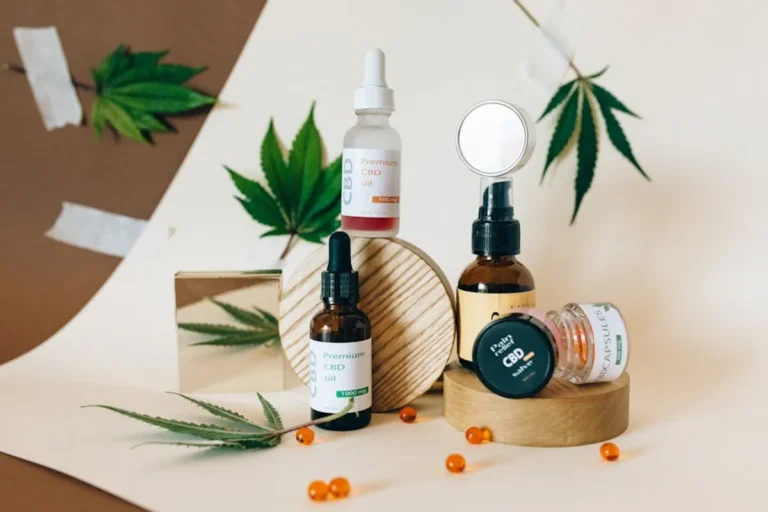
CBD products come in various forms, each offering different absorption rates and duration of effects:
- **Oils and Tinctures:** Administered sublingually (under the tongue), these offer relatively quick absorption and allow for precise dosage adjustments.
- **Capsules and Edibles:** Provide a discreet, pre-measured dose. Absorption is slower as CBD must pass through the digestive system, leading to delayed onset but longer-lasting effects.
- **Vapes:** Offer the fastest onset of effects due to direct absorption into the bloodstream via the lungs, but pose potential risks associated with vaping itself.
- **Topicals:** Creams, balms, and lotions are applied to the skin for localized effects and are generally not used for systemic stress relief.
Full-Spectrum, Broad-Spectrum, and Isolate
The type of CBD extract impacts its chemical composition:
- **Full-Spectrum CBD:** Contains all naturally occurring compounds of the cannabis plant, including cannabinoids (like trace amounts of THC, typically below 0.3%), terpenes, and flavonoids. The "entourage effect" theory suggests these compounds work synergistically to enhance therapeutic benefits.
- **Broad-Spectrum CBD:** Contains multiple cannabinoids, terpenes, and flavonoids, but has had all detectable THC removed. It offers a similar entourage effect without the concern of THC.
- **CBD Isolate:** Pure CBD, with all other plant compounds removed. It contains no THC and is often preferred by those who want to avoid any other cannabis compounds.
Dosage and Individual Response
There is no universally recommended dosage for CBD, particularly for stress. Response varies significantly based on individual factors such as body weight, metabolism, severity of symptoms, and product potency. It is generally advised to:
- **Start Low, Go Slow:** Begin with a minimal dose (e.g., 5-10 mg per day) and gradually increase it over several days or weeks until desired effects are achieved.
- **Monitor Effects:** Keep a journal to track dosage, time of administration, and observed effects on stress levels, mood, and sleep.
Ensuring Product Quality and Transparency
The CBD market is largely unregulated, making third-party testing crucial for verifying product quality and safety. Reputable brands provide a Certificate of Analysis (COA) for each product batch.
A COA should confirm:
- **Cannabinoid Potency:** Verifies the exact amounts of CBD, THC, and other cannabinoids present, ensuring the product matches its label claims.
- **Purity:** Tests for contaminants such as heavy metals, pesticides, residual solvents, and microbial impurities (e.g., mold, bacteria).
Always purchase CBD products from companies that openly provide COAs, ideally from ISO 17025-accredited laboratories, to ensure independent and reliable testing.
Informed Decisions for Stress Management
Considering CBD for stress management involves weighing its potential benefits against known risks and practical considerations. While preliminary research and anecdotal accounts suggest CBD may offer a natural avenue for calming anxiety and improving overall well-being, it is not a universally effective solution and should not replace professional medical advice or prescribed treatments. For those preferring a specific form, the advantages and disadvantages of CBD capsules warrant consideration.
Prioritize product quality through third-party testing, understand the differences between extract types, and approach dosage with caution and patience. Most importantly, engage in an open dialogue with your healthcare provider to ensure CBD use aligns with your health goals and does not interfere with existing medications or conditions.
Frequently Asked Questions About CBD and Stress
Is CBD legal?
In the United States, hemp-derived CBD products containing less than 0.3% THC are federally legal under the 2018 Farm Bill. However, state laws vary, and some states have stricter regulations. Always check local laws before purchasing or using CBD.
How long does it take for CBD to work for stress?
The onset of effects varies significantly based on the delivery method. Vaping CBD can produce effects within minutes, while sublingual tinctures may take 15-45 minutes. Edibles and capsules can take 1-2 hours to show effects as they must pass through the digestive system.
Will CBD make me feel "high"?
No, CBD is non-intoxicating and will not produce the "high" associated with marijuana. This effect is primarily due to THC. Full-spectrum products contain only trace amounts of THC (less than 0.3%), which is insufficient to cause intoxication.
Can I take CBD with other stress-reducing supplements or medications?
While CBD is often used alongside other supplements, it is critical to consult a healthcare professional before combining it with any other medications or supplements, particularly those that affect the central nervous system or are metabolized by the liver. CBD can interact with certain drugs, potentially altering their effects.