
Navigating the expanding market for CBD oil requires a discerning approach. With a proliferation of products and brands, making an informed purchase extends beyond simply comparing prices or bottle sizes. Consumers must engage with specific, critical questions to ensure they are acquiring a product that is both safe and effective for their intended use. This proactive inquiry minimizes the risk of purchasing mislabeled, contaminated, or ineffective CBD oil, ensuring a more reliable and satisfactory experience. Considering key questions before purchasing helps ensure a safe and effective product.
Verifying Product Purity and Potency
Where are the third-party lab results (COAs)?
A Certificate of Analysis (COA) from an independent, ISO 17025-accredited laboratory is the foundational document for verifying CBD product claims. This report should be readily accessible, typically via a QR code on the product label or directly on the brand's website. A legitimate COA provides a detailed breakdown of cannabinoid content, including CBD, THC, and other minor cannabinoids, alongside screening for contaminants.
- Cannabinoid Profile: Confirms the advertised CBD content and ensures THC levels are compliant (e.g., below 0.3% for full-spectrum products in many regions).
- Contaminant Screening: Verifies the absence of heavy metals, pesticides, residual solvents, and microbial impurities, which can compromise product safety.
- Batch-Specific Data: Ensures the COA corresponds to the specific batch number of the product you intend to purchase, preventing outdated or generic reports.
What is the CBD concentration per serving?
The total CBD content listed on a bottle (e.g., 1000mg) does not immediately convey the potency per dose. It is crucial to determine the milligram amount of CBD per serving (e.g., per dropper, capsule, or gummy). This calculation allows for accurate dosing and comparison between products. For tinctures, divide the total CBD by the total volume in milliliters, then multiply by the volume of a single serving (e.g., 1ml for a full dropper). This provides the precise CBD mg/serving, which is essential for managing intake and evaluating cost-effectiveness.
Is the product full-spectrum, broad-spectrum, or isolate?
Understanding the distinction between these three primary CBD types is critical for managing expectations regarding effects and THC exposure.
- Full-Spectrum: Contains all cannabinoids naturally found in the hemp plant, including CBD, minor cannabinoids, terpenes, and up to 0.3% THC. This composition is believed to produce an "entourage effect," where compounds work synergistically.
- Broad-Spectrum: Contains multiple cannabinoids and terpenes, but has undergone additional processing to remove all detectable THC. It aims to offer some entourage benefits without THC.
- Isolate: Pure CBD, with all other plant compounds removed. It contains 0% THC and is suitable for those who wish to avoid any other cannabinoids or terpenes.
Understanding Sourcing and Manufacturing Practices
Where is the hemp grown and processed?
The geographic origin of hemp directly impacts the quality of the final CBD product. Hemp is a bioaccumulator, meaning it readily absorbs substances from the soil, including beneficial nutrients and harmful contaminants like heavy metals or pesticides. Inquire about the cultivation practices and whether the hemp is grown organically or sustainably. Reputable brands often source from regions with stringent agricultural regulations, such as the U.S. or parts of Europe, providing greater assurance regarding soil quality and farming methods.
What extraction method is used?
The method used to extract CBD from the hemp plant influences the purity and safety of the oil. CO2 extraction is widely considered the gold standard due to its ability to produce clean, potent extracts without the use of harsh chemical solvents. Supercritical CO2 extraction, in particular, preserves the integrity of cannabinoids and terpenes while efficiently separating them from the plant material. Other methods, like ethanol extraction, can also be effective but require careful post-processing to ensure no residual solvents remain in the final product. Solvent-based extractions using hydrocarbons (e.g., butane, propane) are generally less desirable due to potential solvent residues. Understanding hemp oil extraction methods is vital for determining the quality of the final product.
Pro Tip: Always cross-reference the batch number on your purchased product with the COA available online. If the batch number is missing or doesn't match a valid, recent COA, reconsider the product's authenticity and safety claims. A current COA should be no older than 12-18 months.
Assessing Brand Transparency and Support
Does the brand offer clear customer support and return policies?
A reputable CBD brand demonstrates confidence in its products through robust customer service and fair return policies. Accessible customer support (phone, email, chat) indicates a willingness to address consumer questions or concerns. A transparent return policy, especially for unopened or unsatisfactory products, provides a safety net for buyers, signaling the brand stands behind its offerings and prioritizes customer satisfaction.
Are there clear ingredient lists and usage instructions?
Beyond the CBD content, a complete ingredient list is essential. This includes carrier oils (e.g., MCT oil, hemp seed oil), flavorings, and any other additives. Clear, precise usage instructions, including recommended serving sizes and administration methods, are crucial for safe and effective use. Vague or absent instructions can lead to improper dosing and unsatisfactory results.
What do independent customer reviews indicate?
While not a substitute for third-party lab results, a pattern of consistent, positive independent customer reviews can offer insights into product efficacy, customer service quality, and overall brand reputation. Look for reviews on platforms outside the brand's direct control to gauge unbiased opinions. Pay attention to comments regarding consistency of effects, taste, packaging, and delivery experience.
Evaluating Value and Application
How does the price per milligram of CBD compare?
Comparing the total price of a CBD product without considering its potency is misleading. The most accurate way to assess value is to calculate the cost per milligram of CBD. Divide the product's price by its total CBD content in milligrams. This metric allows for a direct, apples-to-apples comparison across different brands, bottle sizes, and concentrations, revealing the true economic value of your purchase.
Example: A 1000mg CBD oil costing $60 has a cost of $0.06 per mg ($60 / 1000mg). A 500mg CBD oil costing $40 has a cost of $0.08 per mg ($40 / 500mg). The 1000mg bottle is more cost-effective per milligram.
Is the product type suitable for my intended use?
CBD is available in various forms, each with different absorption rates and applications. Matching the product type to your specific needs enhances efficacy and convenience.
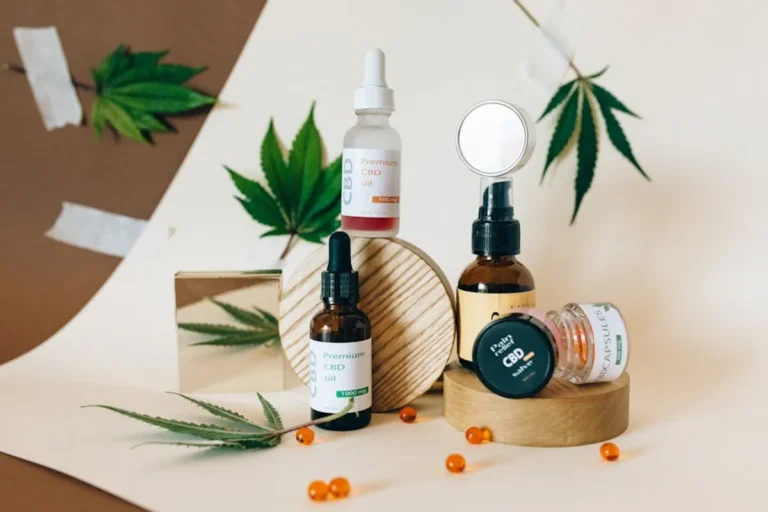
- Tinctures/Oils: Administered sublingually (under the tongue) for relatively fast absorption and precise dosing. Best for: General wellness, daily maintenance, flexible dosing.
- Capsules/Softgels: Provide a consistent, pre-measured dose, bypassing taste issues. Slower absorption due to digestion. Best for: Discreet use, consistent dosing, taste aversion.
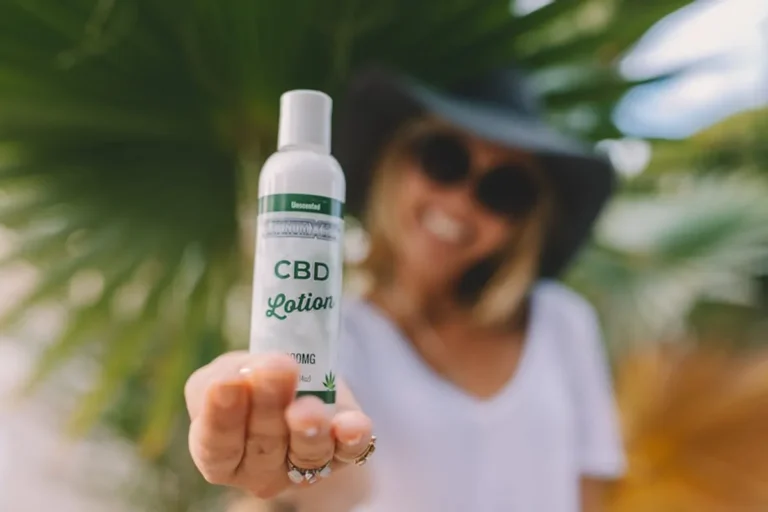
- Topicals/Creams: Applied directly to the skin for localized effects. Does not enter the bloodstream significantly. Best for: Muscle soreness, joint discomfort, skin issues.
- Edibles (Gummies, etc.): Offer a palatable and discreet way to consume CBD. Slower and less efficient absorption than tinctures. Best for: Enjoyable consumption, fixed dosing, longer-lasting effects.
Navigating the CBD Market with Confidence
Purchasing CBD oil moves beyond a simple transaction when armed with the right questions. By systematically inquiring about third-party lab results, understanding concentration and spectrum types, scrutinizing sourcing and extraction methods, and evaluating brand transparency, consumers can significantly mitigate risks. This diligent approach ensures that the CBD product chosen aligns with personal health goals, safety standards, and financial expectations, fostering a more positive and predictable experience with hemp-derived cannabinoids.
Frequently Asked Questions
What is a Certificate of Analysis (COA)?
A Certificate of Analysis (COA) is a document from an independent, accredited laboratory that verifies the cannabinoid content and purity of a CBD product, confirming levels of CBD, THC, and the absence of contaminants like heavy metals or pesticides.
Why is hemp source important?
Hemp source is crucial because hemp is a bioaccumulator, meaning it absorbs elements from the soil. Knowing the origin helps ensure the plant was grown in clean soil, free from harmful toxins, contributing to a safer final product.
What's the difference between full-spectrum and isolate?
Full-spectrum CBD contains all naturally occurring compounds from the hemp plant, including up to 0.3% THC. CBD isolate is pure CBD, with all other cannabinoids, terpenes, and THC removed.
How do I calculate CBD cost per milligram?
To calculate CBD cost per milligram, divide the total price of the product by the total milligrams of CBD it contains. This provides a standardized metric for comparing the value of different CBD products.