Navigating the market for hemp oil requires a clear understanding of its properties, uses, and regulatory landscape. For marketers, content creators, and product developers, addressing common consumer questions directly and accurately is not just good practice; it is essential for building trust and guiding purchasing decisions. This article clarifies the most frequently asked questions about hemp oil, providing a foundational knowledge base for anyone engaging with this increasingly popular product category.
Understanding Hemp Oil's Identity
Hemp oil, often referred to as hemp seed oil, is extracted from the seeds of the Cannabis sativa plant. This extraction method differentiates it significantly from other cannabis-derived products. The seeds themselves contain negligible amounts of cannabinoids like CBD (cannabidiol) and THC (tetrahydrocannabinol), the psychoactive compound. Instead, hemp oil is valued for its nutritional profile.
Distinguishing Hemp Oil from CBD Oil
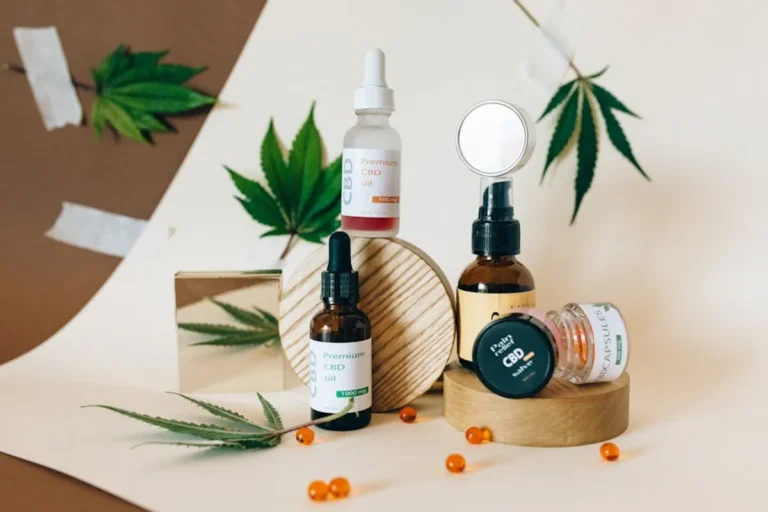
A frequent point of confusion arises between hemp oil and CBD oil. While both originate from the cannabis plant, their source material and chemical compositions are distinct. Hemp oil is pressed solely from the seeds, making it rich in fatty acids but virtually devoid of cannabinoids. CBD oil, conversely, is extracted from the flowers, leaves, and stalks of the hemp plant, which are rich in cannabinoids, including CBD. Therefore, a product labeled "hemp oil" typically refers to hemp seed oil, while "CBD oil" indicates a product containing cannabidiol.
How is Hemp Oil Produced?
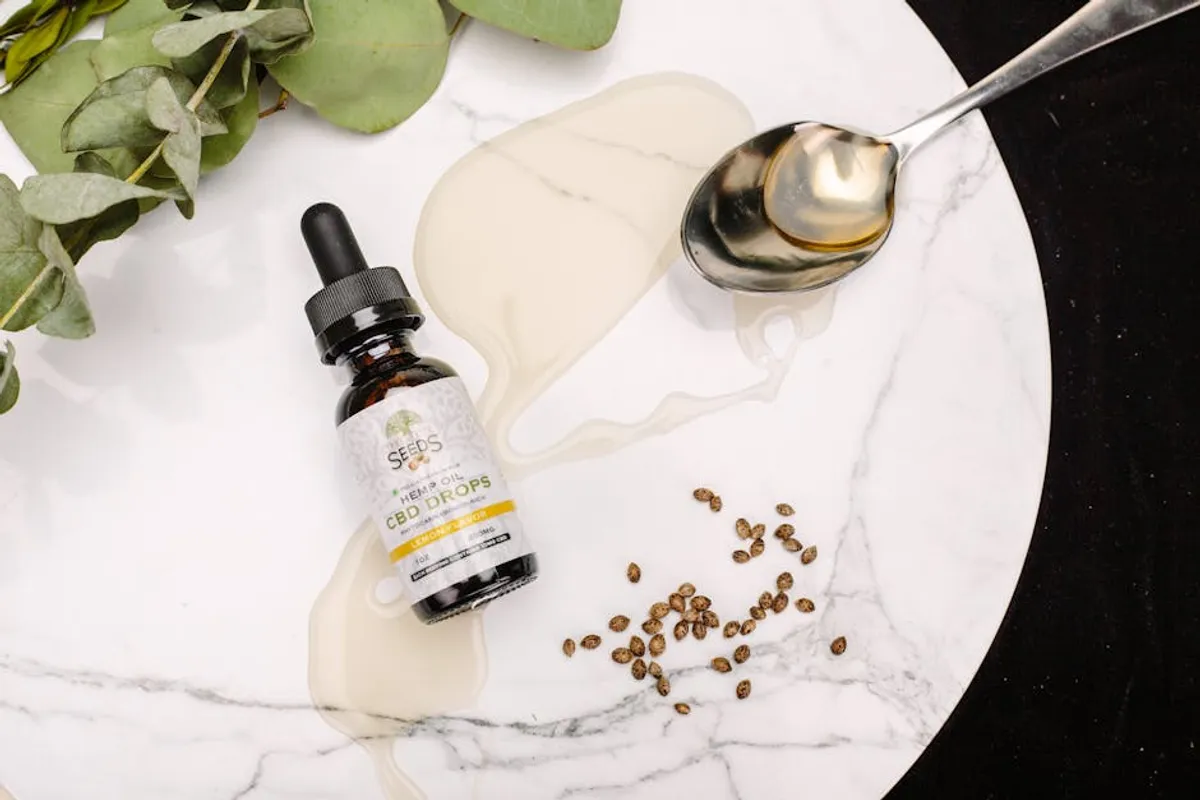
The primary method for producing hemp oil is cold-pressing the seeds of the hemp plant. This mechanical process involves crushing the seeds and extracting the oil without the use of heat or chemical solvents. Cold-pressing helps preserve the oil's delicate nutritional compounds, including essential fatty acids and vitamins. After pressing, the oil is typically filtered to remove any remaining seed particles, resulting in a clear, green-tinted oil with a distinct nutty flavor.
Primary Uses and Benefits of Hemp Oil
Hemp oil's commercial value stems from its diverse applications across several industries, primarily due to its nutritional composition and emollient properties.
Nutritional Applications
Hemp oil is highly regarded as a nutritional supplement and culinary ingredient. It is particularly rich in polyunsaturated fatty acids, specifically omega-6 (linoleic acid) and omega-3 (alpha-linolenic acid), in an optimal ratio often cited as 3:1. This balance is considered beneficial for human health. Additionally, it contains gamma-linolenic acid (GLA), a less common omega-6 fatty acid. These nutritional components contribute to its use in:
- Dietary supplements for essential fatty acid intake.
- Salad dressings, dips, and other cold culinary preparations.
- Fortified food products where its nutty flavor is complementary.
Skincare and Topical Uses
The emollient properties of hemp oil make it a popular ingredient in skincare and cosmetic formulations. Its fatty acid profile helps to moisturize and soothe the skin without clogging pores. It is often found in products designed for dry or sensitive skin.
Best for: Formulations targeting hydration, barrier support, and gentle skin conditioning.
Industrial and Other Applications
Beyond food and cosmetics, hemp oil has industrial applications, though these typically use less refined versions. It can be found in certain paints, varnishes, and plastics. Its quick-drying properties and natural composition make it an attractive alternative in some manufacturing processes.
Legality and Safety Profile
Understanding the legal status and safety considerations of hemp oil is crucial for both consumers and businesses operating in this space.
Understanding THC Content and Legality
The legal status of hemp oil is generally clear: it is legal in most countries, including the United States, provided it is derived from industrial hemp containing less than 0.3% THC by dry weight. Since hemp oil is extracted from the seeds, which naturally contain negligible to no THC, it typically falls well within these legal thresholds. This low THC content ensures that hemp oil does not produce psychoactive effects.
Potential Side Effects and Interactions
Hemp oil is generally well-tolerated. When consumed orally, some individuals might experience mild digestive upset, such as diarrhea, especially when first introducing it into their diet or consuming large quantities. Topically, allergic reactions are rare but possible, as with any natural oil.
There are no widely documented significant drug interactions specifically with hemp seed oil, unlike some cannabinoid-rich products. However, individuals on blood thinners should consult a healthcare professional, as omega-3 fatty acids can have mild anticoagulant effects.
Pro Tip for Product Vetting: Always scrutinize product labels. Reputable hemp oil products will clearly state "hemp seed oil" in the ingredients list. Verify third-party lab testing, if available, to confirm the absence of THC and the purity of the oil, especially if the product makes any broad "hemp extract" claims that could imply cannabinoid content. When vetting products, consider common questions worth asking before you buy to ensure authenticity.
Quality and Sourcing Considerations
The quality of hemp oil can vary based on cultivation practices, extraction methods, and storage. Opting for cold-pressed, unrefined, and organic varieties often ensures a higher quality product with preserved nutritional integrity. Sourcing from regions with stringent agricultural standards can also be a quality indicator.
Choosing and Using Hemp Oil Products
Making informed decisions about hemp oil involves understanding product variations and appropriate usage.
Key Factors When Selecting Hemp Oil
When evaluating hemp oil products, consider these elements:
- Extraction Method: Prioritize cold-pressed to ensure nutrient retention.
- Organic Certification: Indicates the absence of pesticides and herbicides.
- Packaging: Dark glass bottles protect the oil from light degradation, preserving its quality.
- Purity: Look for products that are unrefined and free from additives or fillers.
- Source: Understand where the hemp was grown, as agricultural standards vary.
Dosage and Application Guidance
For dietary use, a common recommendation is 1-2 tablespoons per day, either consumed directly or incorporated into food. It is best used in cold dishes to avoid degrading its delicate fatty acids with high heat. For topical application, a small amount can be massaged directly into the skin or added to existing skincare products.
Storage Recommendations
Hemp oil is susceptible to oxidation due to its high polyunsaturated fat content. It should be stored in a cool, dark place, ideally refrigerated, and consumed within a few months of opening to maintain its freshness and nutritional value.
Informed Engagement with Hemp Oil
A clear understanding of hemp oil, its composition, uses, and regulatory context empowers both consumers and industry professionals. By addressing common questions with precise, evidence-based information, the market can foster greater transparency and trust. This clarity is fundamental for effective product development, marketing, and consumer education within the hemp-derived product sector.
Frequently Asked Questions
Q: Does hemp oil contain CBD?
A: No, traditional hemp oil (hemp seed oil) is pressed from the seeds and contains negligible to no CBD. CBD oil is extracted from the flowers, leaves, and stalks of the hemp plant.
Q: Will hemp oil make me high?
A: No, hemp oil does not contain psychoactive levels of THC. It is derived from hemp seeds, which naturally have very low to no THC content.
Q: What is the shelf life of hemp oil?
A: Unopened, hemp oil can last 12-18 months. Once opened, it should be refrigerated and consumed within 3-6 months to prevent oxidation and maintain freshness.
Q: Can hemp oil be used for cooking at high temperatures?
A: It is not recommended for high-heat cooking due to its low smoke point and delicate fatty acid profile, which can degrade with heat. It is best used in cold preparations like salads or dressings.