
Navigating the market for full-spectrum CBD requires a discerning approach. Unlike more regulated consumer goods, the CBD industry demands that buyers exercise significant due diligence to ensure product quality, efficacy, and safety. Full-spectrum CBD, by definition, contains all cannabinoids, terpenes, and flavonoids naturally found in the hemp plant, including trace amounts of THC (up to 0.3%). This synergistic blend, often referred to as the "entourage effect," is a primary reason many consumers seek it out. However, the presence of multiple compounds necessitates a deeper inquiry into how these products are sourced, processed, and verified. Before making a purchase, asking targeted questions can differentiate reputable providers from those offering substandard or mislabeled goods, directly impacting the value and safety of your investment. Understanding the distinctions between full-spectrum CBD versus alternatives can help you select the best product for your needs.
Verifying Product Purity and Sourcing
The foundation of any quality full-spectrum CBD product lies in its source material and processing. Understanding these initial steps provides crucial insight into the final product's integrity. Knowing the source of the hemp is a key consideration when buying hemp oil.
Where are the hemp plants grown?
The geographic origin of hemp directly influences its quality and safety. Hemp is a bioaccumulator, meaning it readily absorbs substances from the soil, including beneficial nutrients and harmful contaminants like heavy metals, pesticides, and herbicides. Knowing the cultivation location allows you to assess the agricultural standards. For instance, hemp grown in regions with strict agricultural regulations and clean soil practices, such as certain states within the U.S. or specific European countries, generally yields a cleaner product. Conversely, hemp from regions with less stringent oversight or known soil contamination issues carries a higher risk of containing undesirable residues.
What extraction methods are used?
The method used to extract CBD and other compounds from the hemp plant significantly impacts the purity and integrity of the final product. Common methods include CO2 extraction, ethanol extraction, and hydrocarbon extraction. Supercritical CO2 extraction is often preferred for full-spectrum products because it uses pressurized carbon dioxide to separate CBD from the plant material, leaving no harmful chemical residues. This method is precise, efficient, and preserves the beneficial cannabinoids and terpenes. Ethanol extraction is also widely used, but it can sometimes extract chlorophyll, leading to a greener taste, and requires careful post-processing to ensure all solvent is removed. Hydrocarbon extraction, while effective, carries a higher risk of residual solvents if not performed meticulously. Inquiring about the extraction method helps confirm that the process avoids harsh chemicals that could compromise the final product's safety and taste.
What carrier oils and additional ingredients are present?
Full-spectrum CBD extracts are typically diluted in a carrier oil to improve bioavailability and ease of dosage. Common carrier oils include MCT oil (derived from coconut), hemp seed oil, and olive oil. MCT oil is often favored for its rapid absorption. Beyond the carrier oil, some products include additional ingredients for flavor, preservation, or enhanced effects, such as essential oils or terpenes. It is essential to review this ingredient list for potential allergens, artificial additives, or unnecessary fillers. A product with a short, transparent ingredient list, primarily consisting of the full-spectrum hemp extract and a high-quality carrier oil, indicates a focus on purity and efficacy.
Understanding Potency and Lab Testing
Verification of what is actually in the bottle is paramount. This requires a close examination of potency claims and, critically, independent laboratory analysis.
What is the exact CBD content per serving?
Accurate dosing is fundamental to achieving desired effects and managing expectations. Full-spectrum CBD products should clearly state the total CBD content in the bottle (e.g., 1000mg per 30ml bottle) and the CBD content per serving (e.g., 33mg per 1ml dropper). Vague or absent potency information makes it impossible to dose consistently or compare product value effectively. A clear label allows consumers to calculate their cost per milligram of CBD, a key metric for evaluating commercial viability.
Is a current Certificate of Analysis (COA) available?
A Certificate of Analysis (COA) from an independent, third-party laboratory is the single most important document for verifying a full-spectrum CBD product's claims. Reputable brands will make their COAs readily accessible, often via a QR code on the product label or directly on their website. The COA confirms the cannabinoid profile, including the exact percentages of CBD, THC, CBG, CBN, and other minor cannabinoids. For full-spectrum products, it is crucial to verify that THC levels are below the legal limit of 0.3%.
Pro Tip: When reviewing a COA, always check the date to ensure it is recent (ideally within the last 12 months) and that the batch number on the COA matches the batch number on the product you intend to purchase. This confirms the results are relevant to the specific product in hand.
How does the COA confirm THC levels and contaminant screening?
Beyond cannabinoid potency, a comprehensive COA provides crucial information on contaminant screening. This includes tests for:
- Heavy Metals: Lead, mercury, cadmium, and arsenic, which hemp can absorb from contaminated soil.
- Pesticides: Residues from chemicals used in cultivation.
- Microbials: Mold, yeast, and bacteria that can develop during growth or processing.
- Residual Solvents: Traces of chemicals used during the extraction process (if not CO2).
The COA should clearly indicate that these contaminants are either "not detected" or fall within safe, acceptable limits. Absence of this information on a COA should be a significant red flag, as it directly impacts the safety profile of the full-spectrum product.
Assessing Brand Transparency and Support
A brand's commitment to customer satisfaction and clear communication is an indicator of its overall reliability and trustworthiness in the CBD market.
What are the brand's customer service policies?
Responsive and knowledgeable customer service is invaluable, especially when dealing with products that may require specific guidance on usage or effects. Before purchasing, evaluate the availability of customer support channels (phone, email, live chat) and their stated response times. A brand that prioritizes clear communication and offers accessible support demonstrates a commitment to its customers beyond the initial sale. This is particularly relevant for new users who may have questions about dosing, product interactions, or expected outcomes with full-spectrum CBD.
Are there clear return and refund policies?
Given the personal nature and varying efficacy of CBD products, a transparent return and refund policy provides a layer of consumer protection. Reputable brands typically offer a satisfaction guarantee or a reasonable return window for unopened or even partially used products. Understanding these policies upfront ensures that if a product does not meet expectations or causes an unexpected reaction, you have recourse. Vague or non-existent return policies can indicate a lack of confidence in their product or an unwillingness to address customer dissatisfaction.
Practical Considerations for Use
Beyond the product's inherent quality, its suitability for your specific needs and how it integrates into your routine are practical considerations for any buyer.
What product form is best for my needs?
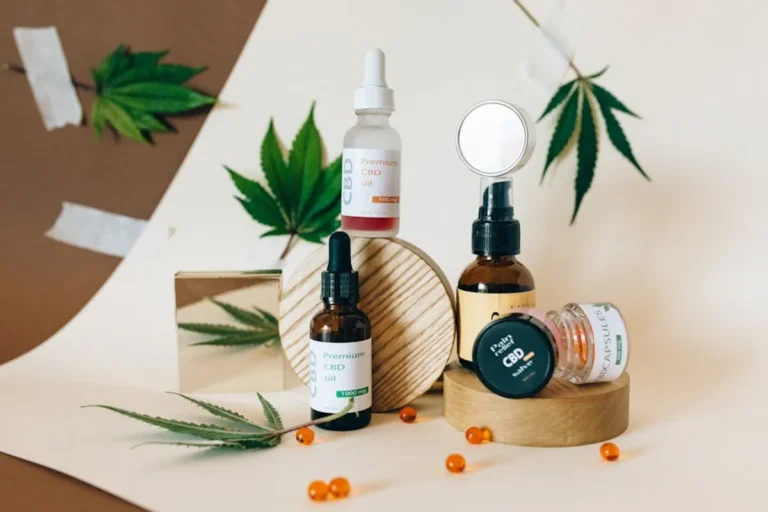
Full-spectrum CBD is available in various forms, each with different absorption rates and use cases. Tinctures (oils) are popular for their versatility in dosing and sublingual absorption. Capsules offer precise, pre-measured doses and convenience. Topicals are designed for localized relief. Edibles provide a discreet and palatable option, though with a slower onset. Consider your lifestyle, desired onset time, and preferred method of consumption when selecting a product form. For instance, someone seeking rapid effects might prefer a tincture, while someone looking for sustained, consistent dosing might opt for capsules.
What are the recommended serving sizes?
While individual responses to CBD vary, reputable brands provide clear guidelines on recommended serving sizes. These suggestions serve as a starting point, helping users understand how to begin and adjust their intake. A brand that offers detailed serving instructions, potentially including guidance on titration (gradually increasing dosage), demonstrates a commitment to responsible use. Conversely, products with no serving recommendations leave users to guesswork, which can lead to inefficient use or dissatisfaction. Always start with the lowest recommended dose and adjust slowly based on your body's response.
Making an Informed Full-Spectrum CBD Choice
Purchasing full-spectrum CBD is an investment in personal wellness, and the market's current landscape places the onus on the buyer to be well-informed. By systematically asking about sourcing, extraction, lab testing, brand transparency, and practical application, you equip yourself with the critical data needed to make a confident decision. Prioritizing products with verifiable purity, transparent potency, and robust third-party testing minimizes risk and maximizes the potential for a positive experience. This diligent approach ensures that the full-spectrum CBD you choose aligns with your expectations for quality and safety.
Common Full-Spectrum CBD Buyer Questions
Is full-spectrum CBD legal?
Yes, full-spectrum CBD derived from hemp containing less than 0.3% Delta-9 THC is federally legal in the United States under the 2018 Farm Bill. However, state laws can vary, so it's advisable to check local regulations.
Will full-spectrum CBD make me feel "high"?
No, full-spectrum CBD should not produce a psychoactive "high" because it contains only trace amounts of THC (less than 0.3%). This level is generally insufficient to cause intoxication.
Can full-spectrum CBD show up on a drug test?
While unlikely, it is possible. Full-spectrum CBD products contain trace amounts of THC. Consistent, high-dose consumption could potentially lead to detectable levels of THC metabolites, which drug tests screen for.
What is the difference between full-spectrum and broad-spectrum CBD?
Full-spectrum CBD contains all beneficial cannabinoids, terpenes, and flavonoids found in the hemp plant, including up to 0.3% THC. Broad-spectrum CBD contains these same compounds but has had the THC completely removed.