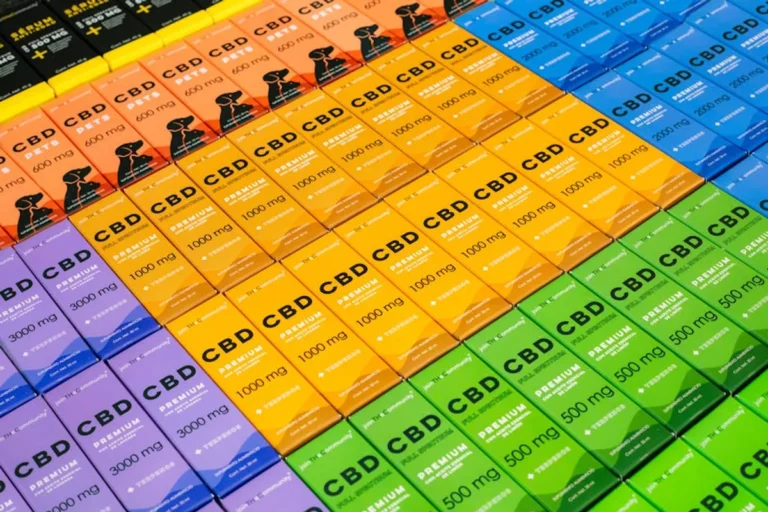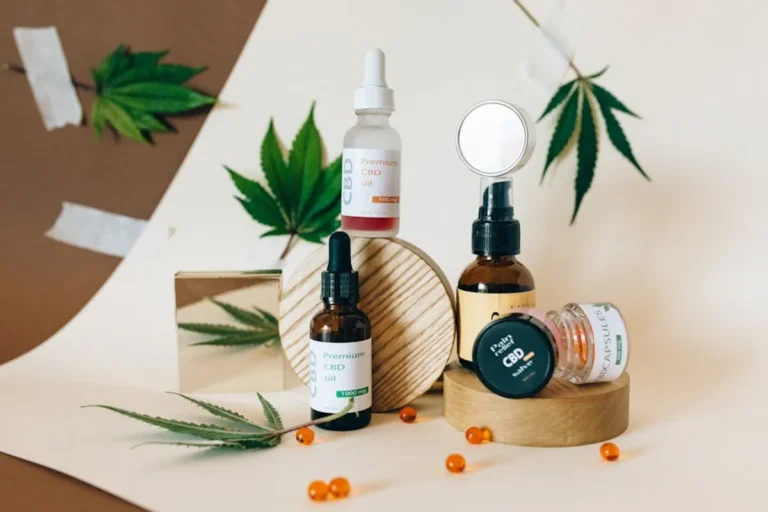

Navigating the cannabinoid market requires understanding the distinctions between product types, especially when considering full-spectrum CBD against its various alternatives. Full-spectrum CBD is defined by its comprehensive cannabinoid profile, including up to 0.3% Delta-9 THC, alongside other cannabinoids, terpenes, and flavonoids naturally present in the hemp plant. This composition is often associated with the "entourage effect," a theory suggesting that these compounds work synergistically to enhance therapeutic benefits.
However, full-spectrum CBD is not universally suitable. Factors such as personal sensitivity to THC, employment drug testing policies, legal restrictions, or a desire for specific cannabinoid effects can necessitate exploring other options. These alternatives offer different cannabinoid ratios, THC content (or lack thereof), and distinct therapeutic potentials, catering to a broader range of user preferences and requirements. Understanding these differences is crucial for making an informed decision that aligns with individual health goals and lifestyle considerations. Considering these factors helps determine how to spot the marketing hype surrounding various products.
What to Look For in an Alternative
When evaluating alternatives to full-spectrum CBD, several critical factors guide selection. Prioritizing these elements ensures the chosen product aligns with specific needs and expectations:
- Cannabinoid Profile: Determine if the product contains only CBD, a range of cannabinoids excluding THC, or specific minor cannabinoids like CBG or CBN. This directly impacts potential effects and legal compliance.
- THC Content: For those concerned about drug tests or psychoactive effects, opting for products with 0.0% THC (non-detectable) is paramount. Full-spectrum alternatives explicitly remove or avoid THC.
- Terpene Presence: Terpenes contribute to the entourage effect and offer their own therapeutic properties. Some alternatives retain terpenes, while others do not.
- Desired Effects: Different cannabinoid profiles are associated with distinct outcomes, such as sleep support, anti-inflammatory action, or mood regulation. Match the alternative's profile to your primary wellness goals.
- Third-Party Lab Testing (COAs): Always verify that products come with accessible Certificates of Analysis (COAs) from independent labs. These documents confirm cannabinoid potency, THC levels, and the absence of contaminants like heavy metals, pesticides, and microbial impurities.
- Legal Compliance: Ensure the product's cannabinoid content, particularly regarding THC, adheres to local and federal regulations in your jurisdiction.
- Formulation and Delivery Method: Consider how the alternative is consumed (tinctures, capsules, topicals, vapes) and if the formulation enhances bioavailability or targets specific areas.
1. CBD Isolate
CBD isolate represents the purest form of cannabidiol available, typically containing 99% or more pure CBD. It is produced by extracting all other compounds from the hemp plant, including other cannabinoids (like THC), terpenes, flavonoids, and plant waxes, leaving only crystalline CBD. This extensive purification process results in a product that is tasteless, odorless, and completely free of THC, making it a distinct alternative to full-spectrum options.
Key Features: Zero THC content (non-detectable), high purity (99%+ CBD), versatile for various applications due to its neutral profile. It does not produce the entourage effect because it lacks other synergistic plant compounds.
Pricing: Generally the most cost-effective option per milligram of CBD due to simpler extraction and purification processes compared to broad-spectrum or full-spectrum products. Prices typically range from $0.03 to $0.08 per mg of CBD, depending on brand and product type (e.g., powder vs. infused product).
Best For: Individuals who must avoid THC entirely due to drug testing concerns or personal sensitivity. It is also suitable for those who prefer a neutral-tasting product, or for precise CBD dosing without the influence of other cannabinoids.
Pros:
- Guaranteed THC-free, eliminating psychoactive concerns and drug test risks.
- High purity allows for precise CBD dosing.
- Tasteless and odorless, making it easy to incorporate into various foods, drinks, or topical formulations without altering flavor.
- Often more affordable than other CBD forms.
Cons:
- Lacks the entourage effect, potentially reducing overall therapeutic efficacy for some users compared to products with a wider cannabinoid and terpene profile.
- May not be as effective for certain conditions where the synergistic action of multiple compounds is beneficial.
- Limited therapeutic scope compared to full-spectrum options.
2. Broad-Spectrum CBD
Broad-spectrum CBD offers a middle ground between full-spectrum CBD and CBD isolate. It contains a range of cannabinoids, terpenes, and flavonoids naturally found in the hemp plant, similar to full-spectrum, but undergoes an additional process to remove all detectable traces of Delta-9 THC. This allows users to potentially benefit from a partial entourage effect without the concern of THC consumption or its associated effects.
Key Features: Contains multiple cannabinoids (e.g., CBD, CBG, CBN, CBDV), terpenes, and flavonoids, but with non-detectable levels of THC. Retains some synergistic plant compounds.
Pricing: Typically priced higher than CBD isolate due to the more complex extraction and purification steps involved in removing THC while preserving other compounds. Prices often fall in the range of $0.05 to $0.12 per mg of CBD.
Best For: Individuals seeking the benefits of multiple hemp compounds and a partial entourage effect, but who need to avoid THC entirely due to personal preference, employment drug screening, or legal restrictions.
Pros:
- Provides a partial entourage effect from multiple cannabinoids and terpenes, potentially enhancing therapeutic outcomes compared to isolate.
- Guaranteed THC-free (non-detectable), mitigating drug test concerns and psychoactive effects.
- Offers a broader range of potential therapeutic benefits than isolate due to the presence of minor cannabinoids and terpenes.
Cons:
- May not achieve the full synergistic potential of the entourage effect compared to full-spectrum CBD, as some compounds (THC) are absent.
- More expensive than CBD isolate due to additional processing.
- The specific range and concentration of minor cannabinoids and terpenes can vary significantly between products and brands, requiring careful review of COAs.
3. Delta-8 THC
Delta-8 THC is a minor cannabinoid found in the cannabis plant, an isomer of Delta-9 THC (the primary psychoactive compound). While it shares a similar chemical structure with Delta-9, its molecular arrangement differs slightly, resulting in a milder psychoactive experience. Most commercially available Delta-8 THC is synthesized from hemp-derived CBD through a chemical conversion process, due to its low natural abundance in the plant. Its legal status is complex and varies by state, often falling into a gray area under the 2018 Farm Bill if derived from hemp and containing less than 0.3% Delta-9 THC.
Key Features: Psychoactive, but with a milder intoxicating effect than Delta-9 THC. Federally legal in some contexts due to derivation from hemp and low Delta-9 THC content. Often associated with relaxation and appetite stimulation.
Pricing: Varies significantly by product type (vapes, edibles, tinctures) and brand. Generally comparable to premium CBD products, with prices ranging from $0.04 to $0.15 per mg of Delta-8 THC.
Best For: Users seeking a mild psychoactive experience for relaxation, mood enhancement, or appetite stimulation, particularly in regions where Delta-9 THC is restricted or for those who find Delta-9 too potent. It is not an alternative for those seeking non-intoxicating effects.
Pros:
- Offers a distinct, milder psychoactive effect compared to Delta-9 THC, which some users prefer for relaxation or creative pursuits.
- May provide therapeutic benefits such as pain relief, anti-nausea, and appetite stimulation.
- Potentially legal in some areas where Delta-9 THC is prohibited, offering an alternative for cannabinoid enthusiasts.
Cons:
- It is psychoactive and can cause impairment, making it unsuitable for driving or operating machinery.
- Less research on long-term effects and safety compared to CBD or Delta-9 THC.
- Quality control issues are prevalent due to the chemical conversion process; third-party lab testing is crucial to ensure purity and safety.
- Legal status is inconsistent and subject to change, creating uncertainty for consumers and businesses.
4. CBG (Cannabigerol)
Cannabigerol (CBG) is often referred to as the "mother cannabinoid" because it is the precursor from which other cannabinoids, including CBD and THC, are synthesized in the cannabis plant. In its raw, acidic form (CBGA), it converts into other cannabinoids as the plant matures. When decarboxylated, CBGA becomes CBG. CBG is non-psychoactive and is being studied for a range of potential therapeutic properties that differ from CBD, making it a compelling alternative for targeted wellness goals.
Key Features: Non-intoxicating. Potential for distinct therapeutic effects such as anti-inflammatory, neuroprotective, and antibacterial properties. Often found in lower concentrations in mature hemp plants, leading to higher extraction costs.
Pricing: Generally more expensive than CBD isolate or broad-spectrum CBD due to its lower abundance in most hemp strains and the specialized extraction methods required. Prices can range from $0.08 to $0.20 per mg of CBG, often sold in blends with CBD.
Best For: Individuals specifically interested in the unique therapeutic benefits attributed to CBG, such as support for gut health, neuroprotection, or anti-inflammatory action, without any psychoactive effects. It is often sought by those exploring minor cannabinoids beyond CBD.
Pros:
- Non-psychoactive, offering therapeutic benefits without intoxication.
- Unique potential therapeutic profile, including anti-inflammatory, neuroprotective, and antibacterial properties, distinct from CBD.
- Supports the endocannabinoid system through different mechanisms than CBD, potentially offering complementary benefits.
Cons:
- Less common and more expensive than CBD products due to lower natural concentrations in hemp.
- Research on CBG is still in early stages, with many findings based on preclinical or animal studies.
- Less readily available in a wide range of product formats compared to CBD.
5. CBN (Cannabinol)
Cannabinol (CBN) is a minor cannabinoid that is primarily formed when THC degrades due to exposure to heat and light. Unlike THC, CBN is considered mildly psychoactive at very high doses but is largely non-intoxicating at typical consumption levels, especially when derived from hemp. It has gained attention for its potential sedative properties, often marketed as a cannabinoid for sleep support, but research is still developing to confirm these effects definitively.
Key Features: Non-intoxicating at standard doses. Known for potential sedative and sleep-inducing properties. Also being studied for appetite stimulation and anti-inflammatory effects. Often found in aged cannabis material.
Pricing: Similar to CBG, CBN products are typically more expensive than CBD isolate or broad-spectrum due to its lower concentration in fresh hemp and the need for specific extraction or conversion processes. Prices usually range from $0.07 to $0.18 per mg of CBN, often in combination with CBD.
Best For: Users primarily seeking sleep support, relaxation, or appetite stimulation without the significant psychoactive effects of THC. It's an alternative for those who find CBD alone insufficient for sleep or who wish to explore other minor cannabinoids for specific benefits.
Pros:
- Potential for significant sedative effects, making it a promising option for sleep aid.
- Non-intoxicating at typical doses, allowing for therapeutic use without impairment.
- May offer additional benefits such as appetite stimulation and anti-inflammatory properties.
Cons:
- Research on CBN's effects, particularly its sedative properties, is still limited and requires more human clinical trials.
- More expensive and less widely available than CBD products.
- Often sold in conjunction with CBD or other cannabinoids, making it harder to isolate its specific effects.
6. Terpene-Rich CBD Formulations
Terpene-rich CBD formulations are products designed to maximize the presence of specific terpenes alongside CBD, often utilizing broad-spectrum CBD or CBD isolate as a base. While full-spectrum CBD naturally contains terpenes, these formulations go further by either reintroducing specific terpene profiles or using strains naturally high in desired terpenes. The aim is to leverage the synergistic effects of terpenes and cannabinoids, enhancing the overall therapeutic experience and potentially directing specific outcomes like relaxation or energy, without the presence of THC or with non-detectable THC levels.
Key Features: Emphasizes specific terpene profiles (e.g., myrcene for relaxation, limonene for mood). Often THC-free (broad-spectrum base) or uses CBD isolate with added terpenes. Designed for targeted effects and enhanced sensory experience.
Pricing: Varies significantly based on the complexity of the terpene profile and the quality of the CBD base. Often considered premium products, with prices ranging from $0.06 to $0.15 per mg of CBD, plus the added value of specific terpene blends.
Best For: Individuals seeking targeted effects from the entourage of terpenes and cannabinoids, but who wish to avoid THC. This is suitable for those who appreciate the aromatic and flavor profiles of terpenes and believe they contribute to specific wellness outcomes.
Pros:
- Allows for customization and targeting of specific effects (e.g., calming, uplifting) through chosen terpene profiles.
- Enhances the overall experience with natural aromas and flavors from terpenes.
- Provides a partial entourage effect without the presence of THC, addressing drug test concerns.
- Offers a more nuanced and potentially more effective experience than pure CBD isolate.
Cons:
- Can be more expensive than standard broad-spectrum or isolate products due to specialized formulation.
- The efficacy of specific terpene combinations for targeted effects requires more scientific validation.
- Quality and consistency of terpene profiles can vary between brands, necessitating careful review of COAs.
7. CBDA (Cannabidiolic Acid)
CBDA is the raw, acidic precursor to CBD, found abundantly in raw hemp plants. When exposed to heat (a process called decarboxylation), CBDA converts into CBD. Unlike CBD, CBDA interacts with the endocannabinoid system and other biological targets through different mechanisms. It is non-psychoactive and has garnered interest for its unique potential therapeutic properties, including anti-inflammatory, anti-nausea, and antidepressant effects, which may be more potent than those of CBD for certain applications.
Key Features: Non-intoxicating. Raw, unheated form of CBD. Interacts with the body differently than CBD, potentially offering distinct and more potent therapeutic benefits for specific conditions. Often preserved through cold extraction methods.
Pricing: Generally more expensive than CBD due to the specialized extraction and processing required to maintain its raw, acidic form and prevent decarboxylation. Prices can range from $0.08 to $0.20 per mg of CBDA, often sold in "raw" or "acidic" cannabinoid blends.
Best For: Users interested in exploring the unique therapeutic potential of raw cannabinoids, particularly for anti-inflammatory or anti-nausea effects, who prefer a non-decarboxylated form. It's an alternative for those seeking different mechanisms of action compared to traditional CBD.
Pros:
- Unique therapeutic profile, potentially offering stronger anti-inflammatory and anti-nausea effects than CBD.
- Non-psychoactive, ensuring no intoxicating effects.