Evaluating hemp oil brands requires a systematic approach, especially when the legal and ethical landscape prohibits direct medical claims. For consumers, marketers, and site owners, the challenge is to differentiate products based on verifiable quality, transparency, and product integrity, rather than unsubstantiated health benefits. This guide outlines objective criteria for comparing hemp oil brands, focusing on factors that indicate a commitment to quality and consumer trust, all without venturing into medical assertions. Evaluating these factors helps consumers navigate how to spot the marketing hype around hemp oil products.
Understanding Non-Medical Quality Indicators
The foundation of any credible hemp oil product lies in its raw materials and manufacturing process. These factors directly influence the final product's purity and composition, offering concrete points of comparison.
Hemp Source and Cultivation Practices
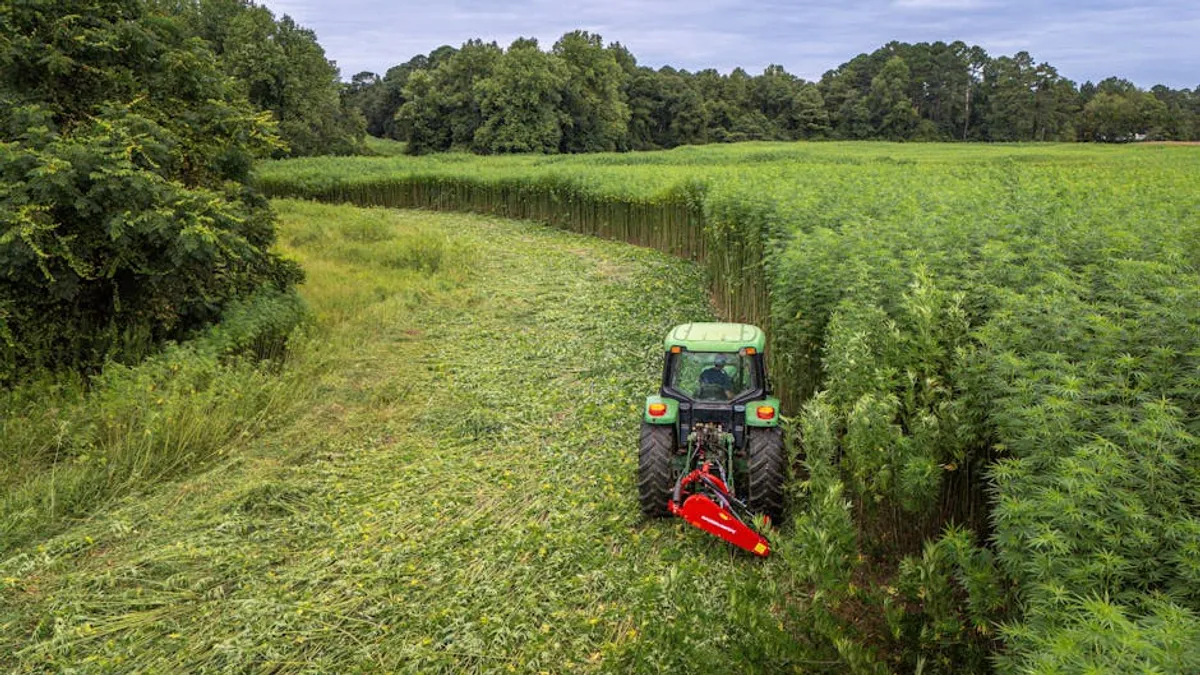
The origin of the hemp plant is a primary indicator of quality. Hemp is a bioaccumulator, meaning it readily absorbs substances from the soil. Brands that prioritize hemp grown in nutrient-rich, uncontaminated soil—often in regions with stringent agricultural regulations—tend to produce cleaner products. Look for brands that specify their hemp is:
- Domestically Sourced: In countries with robust agricultural oversight, like the United States or certain European nations, cultivation standards are generally higher, reducing the risk of contaminants.
- Organic or Sustainably Grown: While not always certified organic, brands should ideally state their hemp is grown without synthetic pesticides, herbicides, or chemical fertilizers. This commitment minimizes exposure to harmful residues in the final oil.
- Non-GMO: Genetic modification can alter plant characteristics; non-GMO certification ensures the natural integrity of the hemp plant.
A brand's transparency regarding its cultivation partners and practices signals confidence in its raw material quality.
Extraction Methods and Purity
The method used to extract cannabinoids from the hemp plant significantly impacts the purity and profile of the final oil. The two most common methods are CO2 extraction and ethanol extraction.
- CO2 Extraction: This method uses pressurized carbon dioxide to separate cannabinoids and terpenes from the plant material. It is widely considered the "gold standard" because it is clean, non-toxic, and efficient, leaving no harmful solvent residues. It allows for precise control over the extraction process, preserving beneficial compounds.
- Ethanol Extraction: While effective, ethanol extraction can sometimes pull unwanted compounds like chlorophyll, which may require additional filtration steps. If a brand uses ethanol, they should detail their post-extraction purification processes to ensure a clean final product.
Brands should clearly state their extraction method and provide assurances about the absence of residual solvents, heavy metals, pesticides, and other contaminants, typically verified through third-party testing.
The Role of Third-Party Lab Testing
Independent third-party lab testing is non-negotiable for verifying a hemp oil product's contents and purity. These tests, documented in a Certificate of Analysis (COA), provide objective data that brands cannot manipulate. Without a readily available and understandable COA, a brand's claims about potency or purity remain unsubstantiated. Verifying a brand's COA answers common questions worth asking before you buy any hemp oil product.
What to Look for in a Certificate of Analysis (COA)
A comprehensive COA offers critical insights. When comparing brands, always check for the following:
- Cannabinoid Profile and Potency: Verifies the exact amounts of CBD, minor cannabinoids (CBG, CBN, CBC, THC), and terpenes. This ensures the product contains what the label claims and confirms whether it is full-spectrum, broad-spectrum, or an isolate. Crucially, it confirms THC levels are below the legal limit (e.g., 0.3% in many regions).
- Contaminant Screening:
- Heavy Metals: Tests for lead, arsenic, mercury, and cadmium, which can be absorbed from soil.
- Pesticides: Confirms the absence of agricultural chemicals used during cultivation.
- Residual Solvents: If extraction methods other than CO2 are used, this test ensures no harmful solvents remain.
- Microbial Contaminants: Checks for mold, yeast, bacteria (e.g., E. coli, salmonella).
- Lab Accreditation and Date: The COA should come from an ISO 17025-accredited lab, indicating competence and impartiality. The test date should be recent, ideally within the last 12-18 months, to reflect the current batch.
Formulation Details and Ingredient Transparency
Beyond the hemp extract itself, the other ingredients in a hemp oil product contribute to its overall quality and suitability for various consumers.
Full-Spectrum, Broad-Spectrum, or Isolate?
These terms describe the cannabinoid and terpene content of the extract:
- Full-Spectrum: Contains all naturally occurring compounds in the hemp plant, including CBD, minor cannabinoids, terpenes, and trace amounts of THC (under 0.3%). This formulation is often favored for the "entourage effect," where compounds work synergistically.
- Broad-Spectrum: Contains a range of cannabinoids and terpenes, but with the THC completely removed. This is suitable for individuals who want to avoid THC entirely but still benefit from other hemp compounds.
- Isolate: Pure CBD, with all other cannabinoids, terpenes, and plant materials removed. It offers the highest concentration of CBD but lacks the potential synergistic effects of other compounds.
Brands should clearly label which type of extract they use, allowing consumers to choose based on their preferences and needs.
Carrier Oils and Additives
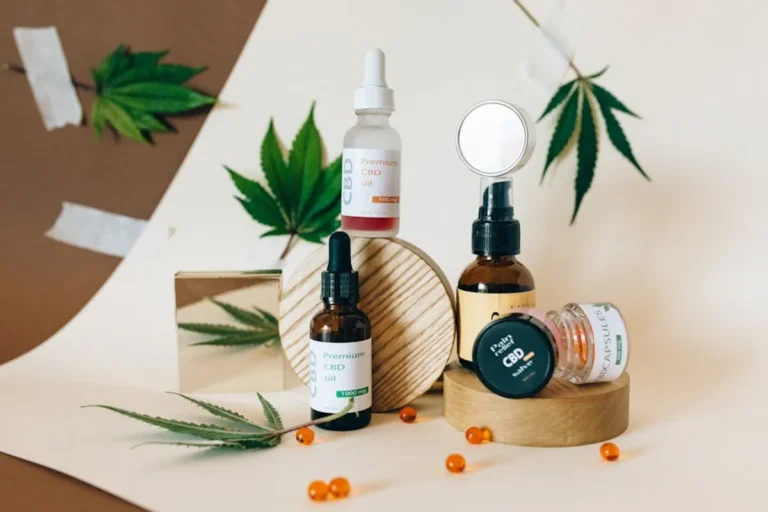
Hemp extract is typically diluted in a carrier oil to improve absorption and manage dosage. Common carrier oils include MCT oil (derived from coconut), hemp seed oil, or olive oil. Brands should specify the type of carrier oil and any other added ingredients, such as natural flavorings. Transparency here ensures consumers are aware of all components and can avoid potential allergens or unwanted additives.
Pro Tip: Always cross-reference the batch number on a product's packaging with the batch number on its corresponding Certificate of Analysis (COA). If a brand does not provide batch-specific COAs, or if the numbers do not match, exercise caution. This mismatch can indicate outdated testing or a lack of accountability for specific product runs.
Brand Transparency and Consumer Support
A reputable brand demonstrates transparency beyond just lab reports. Their commitment to providing clear information and supporting customers reflects their overall integrity.
Clear Potency Labeling
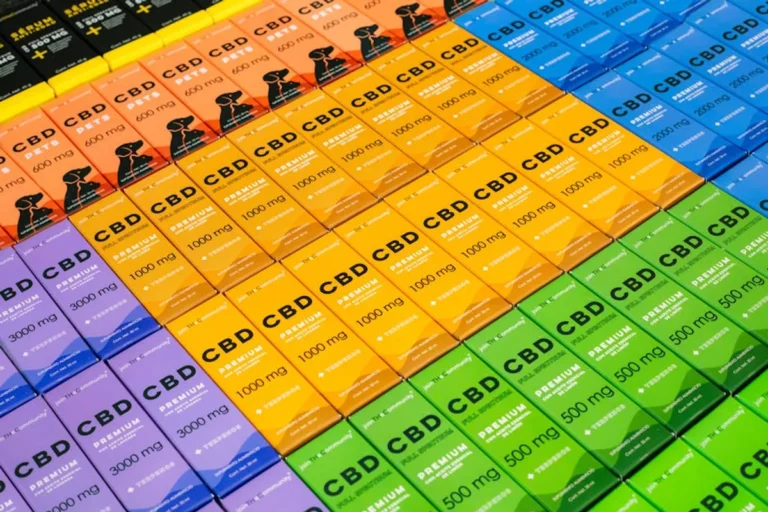
Effective comparison requires clear and consistent potency labeling. Brands should clearly state the total amount of CBD (and other major cannabinoids) in the entire bottle, as well as the amount per serving (e.g., per dropper or capsule). This allows for accurate dosage calculation and price-per-milligram comparisons.
Best for: Direct comparison of product strength and value.
Customer Reviews and Brand Accessibility
While not a direct measure of product quality, a brand's reputation, reflected in customer reviews, can offer insights into product consistency, customer service, and overall satisfaction. Look for brands with accessible customer support channels (phone, email, chat) and clear return policies. A responsive and informative customer service team is a strong indicator of a brand's commitment to its buyers.
Maximizing Value: Price Per Milligram
Once quality and transparency factors are assessed, comparing the price per milligram of CBD (or total cannabinoids) provides a direct commercial metric for value. To calculate this:
- Determine the total milligrams of CBD (or total cannabinoids) in the product.
- Divide the product's price by the total milligrams.
This calculation allows for an apples-to-apples comparison of cost-effectiveness across different brands and potencies, helping consumers make economically sound decisions without compromising on quality indicators.
Informed Brand Selection
Selecting a hemp oil brand without relying on medical claims hinges entirely on a brand's verifiable commitment to quality, safety, and transparency. By systematically evaluating cultivation practices, extraction methods, third-party lab results, ingredient lists, and overall brand integrity, consumers and industry professionals can make informed decisions. This approach prioritizes objective data and responsible product stewardship, ensuring that purchasing choices are grounded in tangible evidence rather than marketing rhetoric.
Frequently Asked Questions
Why is third-party lab testing so important for hemp oil?
Third-party lab testing provides an unbiased verification of a product's cannabinoid content and confirms the absence of harmful contaminants like heavy metals, pesticides, and microbial impurities. It ensures the product matches its label claims and meets safety standards.
What is the difference between full-spectrum and broad-spectrum hemp oil?
Full-spectrum hemp oil contains all naturally occurring compounds from the hemp plant, including trace amounts of THC (below 0.3%). Broad-spectrum hemp oil contains a similar range of compounds but has been processed to remove all detectable THC.
How can I calculate the true cost-effectiveness of a hemp oil product?
To calculate cost-effectiveness, divide the total price of the product by the total milligrams of CBD (or total cannabinoids) in the bottle. This gives you the price per milligram, allowing for a direct comparison across different brands and product sizes.
Should I be concerned if a brand makes medical claims about its hemp oil?
Yes, you should be cautious. Regulatory bodies strictly prohibit brands from making unsubstantiated medical claims about hemp oil products. Brands that engage in such practices may be less trustworthy and could be operating outside established guidelines, indicating a potential lack of integrity.