
Navigating the market for broad-spectrum CBD requires a discerning approach, especially given the prevalence of marketing claims that often overshadow verifiable product quality. Broad-spectrum CBD products are designed to deliver the beneficial compounds of the hemp plant—cannabinoids, terpenes, and flavonoids—while rigorously ensuring the absence of detectable THC. This specific formulation is often sought by individuals who want to experience the entourage effect, a synergistic interaction among hemp compounds, without any exposure to THC. However, the path to identifying genuinely effective broad-spectrum options among myriad offerings demands a clear understanding of what constitutes quality and transparency. This guide outlines the essential criteria for evaluating broad-spectrum CBD, enabling informed purchasing decisions that cut through marketing noise.
Verifying Product Integrity Through the Certificate of Analysis (COA)
The Certificate of Analysis (COA) stands as the single most critical document for evaluating any CBD product, particularly broad-spectrum formulations. A credible COA is issued by an independent, ISO 17025-accredited third-party laboratory, not by the manufacturer itself. Its purpose is to verify the product's cannabinoid profile and purity. Without a readily accessible and up-to-date COA for each batch, a product's claims lack verifiable support.
When reviewing a COA for broad-spectrum CBD, prioritize these elements:
- Cannabinoid Profile: Confirm that the report lists a non-detectable level of delta-9 THC (often indicated as ND or <0.01-0.03%). Simultaneously, look for the presence and quantified levels of other cannabinoids such as CBD, CBG, CBN, and CBC. A rich profile of minor cannabinoids suggests a more comprehensive broad-spectrum extract.
- Terpene Profile: Many COAs will also detail the terpene content. Terpenes contribute to the entourage effect and can influence the product’s aroma and potential benefits. Their presence, even in trace amounts, is a positive indicator.
- Contaminant Screening: The COA must include testing for heavy metals (lead, arsenic, cadmium, mercury), pesticides, residual solvents (from the extraction process), and microbial contaminants (mold, mildew, bacteria). Absence of these harmful substances is non-negotiable for product safety.
Pro Tip: Always cross-reference the batch number on the COA with the batch number printed on the product packaging. Discrepancies or missing batch numbers indicate a lack of transparency and should be a red flag.
Assessing Hemp Sourcing and Extraction Methods
The quality of the initial hemp material and the method used to extract CBD significantly impact the final product's purity and efficacy. Understanding these aspects provides a foundational layer for evaluating broad-spectrum options.
Hemp Cultivation Standards
Prioritize broad-spectrum CBD derived from organically grown hemp cultivated in the United States. US-grown hemp is subject to stricter agricultural regulations and testing requirements compared to hemp sourced internationally. This oversight minimizes the risk of pesticides, herbicides, and other environmental toxins being absorbed by the plant from the soil. Reputable brands will openly declare their hemp source, often specifying the state or region of cultivation.
Extraction Techniques
The two primary extraction methods for producing CBD extracts are CO2 extraction and ethanol extraction:
- CO2 Extraction: This method uses pressurized carbon dioxide to separate CBD and other compounds from the hemp plant. It is considered a clean, efficient, and solvent-free process that preserves the integrity of cannabinoids and terpenes. Supercritical CO2 extraction, in particular, allows for precise control over temperature and pressure, yielding high-purity extracts.
- Ethanol Extraction: Ethanol, a food-grade alcohol, is used as a solvent to strip cannabinoids and other compounds from the plant material. While effective, improper post-extraction processing can leave residual solvents in the final product. Brands utilizing ethanol extraction should provide COAs that confirm the absence of these residual solvents.
Both methods can produce high-quality broad-spectrum CBD, but CO2 extraction is often preferred for its cleanliness and ability to retain a comprehensive cannabinoid and terpene profile without solvent residue concerns.
Evaluating Carrier Oils and Additional Ingredients
Beyond the core CBD extract, the other components of a broad-spectrum product play a role in its absorption, stability, and overall user experience. These elements, though seemingly minor, contribute to the product's commercial viability and user satisfaction.
Carrier Oils
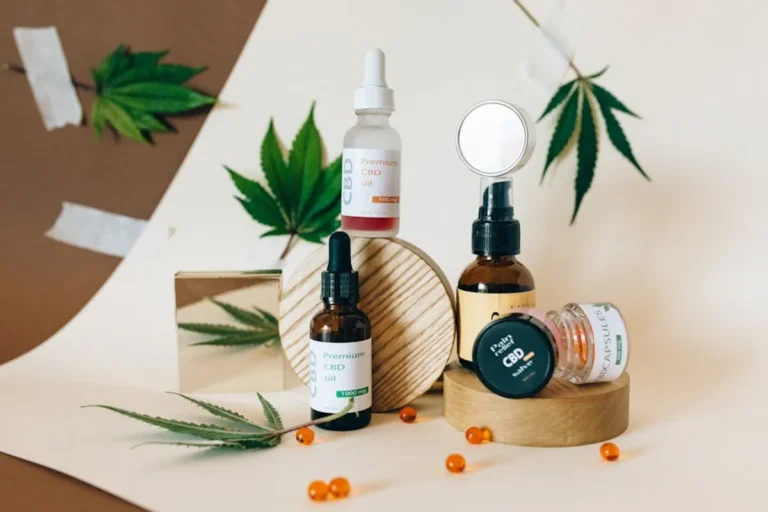
Broad-spectrum CBD extract is typically diluted in a carrier oil to improve bioavailability and facilitate accurate dosing. Common carrier oils include:
- MCT Oil (Medium-Chain Triglyceride): Derived from coconut, MCT oil is highly favored due to its rapid absorption rate and neutral taste. Its molecular structure allows for efficient transport of cannabinoids into the bloodstream, making it a popular choice for tinctures and capsules.
- Hemp Seed Oil: While it comes from the same plant, hemp seed oil contains negligible cannabinoids itself. It serves as a nutritious carrier, rich in omega fatty acids, but may have a more pronounced earthy flavor.
- Olive Oil: Less common, olive oil is a stable carrier but can have a distinct taste and slower absorption compared to MCT.
Best for: Rapid absorption and neutral flavor, look for MCT oil as the carrier. For those prioritizing an all-hemp product, hemp seed oil is a suitable alternative.
Complementary Ingredients and Formulations
Some broad-spectrum products incorporate additional ingredients designed to enhance specific effects or improve palatability. These can include:
- Terpenes: Reintroduced terpenes (isolated from hemp or other plants) can fine-tune the aroma and contribute to the entourage effect, potentially targeting specific outcomes like relaxation or focus.
- Botanical Extracts: Ingredients like essential oils (e.g., lavender for calming, peppermint for invigoration) or herbal extracts (e.g., chamomile, melatonin) are added to customize the product's profile for specific applications, such as sleep aids or topical pain relief.
- Flavorings: Natural flavorings are often added to mask the earthy taste of hemp extract, making the product more palatable. Ensure these are derived from natural sources and free from artificial additives.
Always review the full ingredient list to ensure transparency and avoid any components you may be sensitive to. The presence of well-chosen complementary ingredients, supported by a clear COA, can differentiate a premium product.
Avoiding Hype and Misleading Claims
The CBD market, while maturing, still contends with exaggerated marketing and unsubstantiated claims. Educating yourself on common red flags is essential for making informed choices.
Unsubstantiated Health Claims
Be wary of products that make definitive medical claims about curing diseases, treating severe conditions, or offering instant relief. Regulatory bodies prohibit such claims, and their presence on a product's labeling or website is a strong indicator of an untrustworthy brand. Broad-spectrum CBD is a wellness product, not a pharmaceutical cure.
Lack of Transparency
Any brand that does not openly provide COAs for every product batch, or obscures information about its hemp sourcing and extraction methods, should be approached with caution. Transparency is the cornerstone of trust in this industry.
Vague or Overly Generic Product Descriptions
Products described with vague terms like "pure hemp extract" without specifying cannabinoid content or broad-spectrum status often lack substance. Look for precise terminology and quantified data on cannabinoid levels.
Unrealistic Pricing
While quality broad-spectrum CBD is not inexpensive to produce, excessively high prices without clear justification (e.g., unique formulation, extensive testing beyond standard) can be a marketing tactic. Conversely, extremely low prices might signal compromised quality, inferior sourcing, or a lack of proper testing. Compare prices across reputable brands based on milligram content and verified quality.
Making an Informed Selection
Selecting broad-spectrum CBD without succumbing to marketing hype boils down to a systematic evaluation of verifiable data. Prioritize brands that demonstrate complete transparency through readily available, third-party COAs specific to each product batch. Confirm the absence of THC, the presence of other beneficial cannabinoids and terpenes, and the absence of contaminants. Investigate the hemp source, favoring US-grown, organically cultivated material, and inquire about extraction methods. Finally, consider the carrier oil and any additional ingredients, ensuring they align with your preferences and health goals. By focusing on these concrete indicators, you can confidently choose a broad-spectrum CBD product that genuinely meets quality standards and delivers on its promise.
Frequently Asked Questions About Broad-Spectrum CBD
What is the "entourage effect" in broad-spectrum CBD?
The entourage effect describes the synergistic interaction between various cannabinoids, terpenes, and other compounds naturally found in the hemp plant. While broad-spectrum CBD contains multiple hemp compounds, it specifically excludes THC, aiming to deliver enhanced therapeutic benefits compared to CBD isolate, which contains only CBD.
How does broad-spectrum CBD differ from full-spectrum and CBD isolate?
Broad-spectrum CBD contains multiple cannabinoids and terpenes but no detectable THC. Full-spectrum CBD includes all naturally occurring compounds from the hemp plant, including up to 0.3% THC. CBD isolate is pure CBD, with all other cannabinoids and plant compounds removed.
Can broad-spectrum CBD cause a positive drug test result?
Broad-spectrum CBD products are formulated to contain non-detectable levels of THC. However, due to varying testing sensitivities, individual metabolism, and the potential for trace, non-quantifiable amounts of THC, there remains a minimal, albeit very low, risk of a positive drug test. For absolute certainty, CBD isolate is the only option that guarantees no THC.
What is a typical starting dosage for broad-spectrum CBD?
There is no universal starting dosage, as individual responses vary based on body weight, metabolism, and desired effects. A common recommendation is to start with a low dose, such as 10-20 mg per day, and gradually increase it over several days or weeks until the desired effect is achieved. Consulting with a healthcare professional is always advisable for personalized guidance.