The market for hemp oil is saturated with products, each claiming unique benefits and superior quality. For consumers, distinguishing genuine value from marketing hype requires a focused approach to product evaluation. Understanding the core attributes that define a high-quality hemp oil product is essential for making an informed purchase that aligns with individual needs and expectations.
Evaluating Hemp Source and Extraction Methods
The origin of the hemp plant directly influences the final product's purity and profile. Look for hemp oil derived from organically grown, domestically sourced hemp. Organic cultivation minimizes exposure to pesticides, herbicides, and other synthetic chemicals that can contaminate the plant and, subsequently, the oil. Domestic sourcing, particularly from states with stringent agricultural regulations, often provides greater transparency regarding farming practices and quality controls.
The method used to extract oil from the hemp plant is equally critical. CO2 extraction is widely regarded as the gold standard. This process uses pressurized carbon dioxide to separate the oil, preserving the full spectrum of cannabinoids, terpenes, and other beneficial compounds without the need for harsh chemical solvents. Solvent-based extraction methods, while sometimes cheaper, can leave behind undesirable residues like ethanol, butane, or propane, compromising the oil's purity and safety. Always check if the extraction method is clearly stated on the product label or manufacturer's website.
Understanding Third-Party Lab Testing and Certificates of Analysis (COAs)
Reliable hemp oil manufacturers provide readily accessible Certificates of Analysis (COAs) from independent, third-party laboratories. These documents are non-negotiable for verifying product claims and ensuring safety. A comprehensive COA confirms the cannabinoid profile, including the precise levels of active compounds like CBD, CBG, and CBC, and critically, verifies that THC levels are below the legal limit of 0.3% (or are undetectable for broad-spectrum and isolate products). Beyond cannabinoid content, a credible COA will also screen for:
- Heavy Metals: Lead, mercury, cadmium, and arsenic, which hemp plants can absorb from contaminated soil.
- Pesticides: Residues from agricultural chemicals.
- Residual Solvents: Traces from the extraction process, particularly if non-CO2 methods were used.
- Microbial Contaminants: Mold, yeast, bacteria, and other pathogens.
Always cross-reference the batch number on the product packaging with the COA to ensure you are viewing the results for the specific product you intend to purchase. The COA should be recent, ideally within the last 12-18 months.
Assessing Potency and Concentration
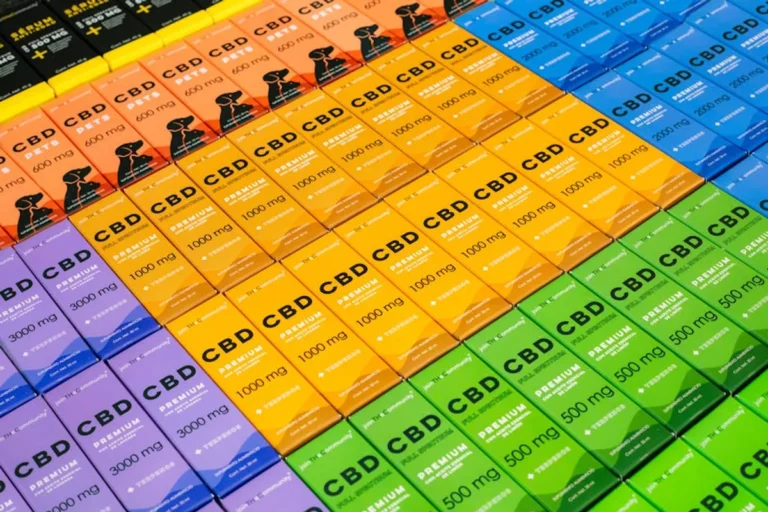
Hemp oil potency is typically measured in milligrams (mg) and refers to the total amount of active compounds in the entire bottle, as well as per serving. A common point of confusion arises when comparing products with different bottle sizes. For instance, a 500mg bottle might seem less potent than a 1000mg bottle, but if the 500mg bottle is smaller, its concentration per milliliter (mg/ml) could be higher. To accurately compare value and potency across products, calculate the cost per milligram of active compounds. Divide the total cost of the product by the total milligrams of active compounds (as verified by the COA) to determine the true cost-effectiveness.
Best for: Calculating cost per milligram provides a standardized metric for comparing products regardless of bottle size.
Scrutinizing Ingredient Lists and Additives
A high-quality hemp oil product typically features a concise ingredient list. Beyond the hemp extract itself, common carrier oils include MCT oil (derived from coconuts), hemp seed oil, or olive oil. These carrier oils aid in absorption and bioavailability. Avoid products with artificial flavors, colors, sweeteners, or unnecessary preservatives. While some natural flavorings (like peppermint or citrus essential oils) are acceptable, an extensive list of unidentifiable additives can signal a lower-quality product or an attempt to mask undesirable flavors from poor extraction.
Warning: Be wary of products that list "hemp seed oil" as the primary ingredient without specifying "hemp extract" or "cannabinoid extract." Hemp seed oil, while nutritious, contains negligible amounts of active cannabinoids like CBD.
Pro Tip for Identifying Misleading Claims: Phrases like "pure hemp extract" or "hemp-derived" can be vague. Always look for specific cannabinoid content (e.g., "X mg CBD") clearly stated and backed by a third-party COA. If a brand avoids transparency regarding specific cannabinoid levels or lab results, it's a significant red flag.
Understanding Product Types: Tinctures, Capsules, and Topicals
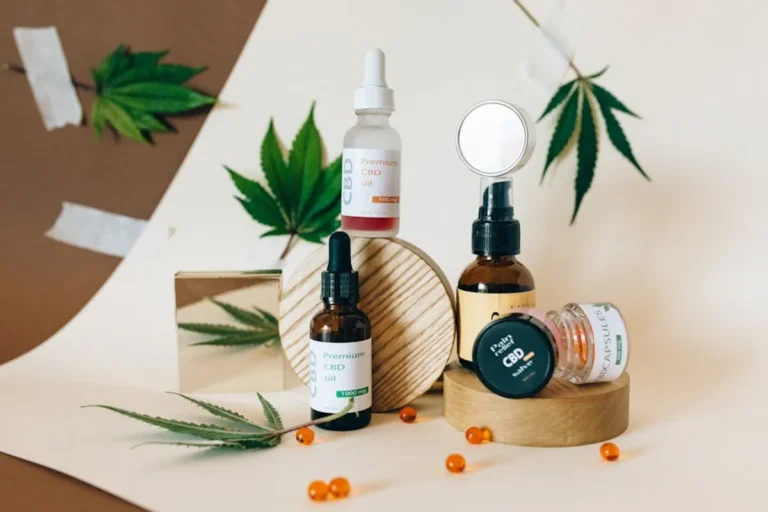
Hemp oil products come in various forms, each offering distinct advantages:
- Tinctures: Administered sublingually (under the tongue), tinctures allow for relatively quick absorption into the bloodstream. They offer flexibility in dosage, as drops can be adjusted precisely.
- Capsules: Provide a pre-measured, consistent dose, making them convenient for those who prefer not to measure or dislike the taste of tinctures. Absorption occurs through the digestive system, which can take longer.
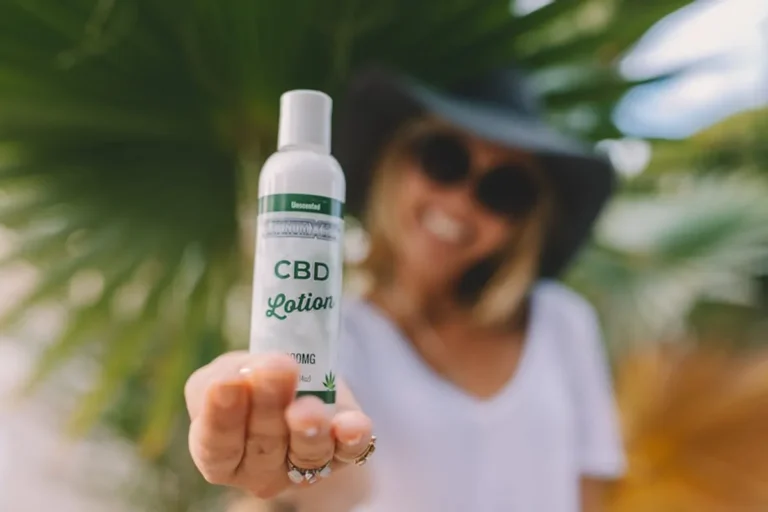
- Topicals: Creams, balms, and lotions infused with hemp extract are designed for localized application. They interact with cannabinoid receptors in the skin, providing targeted effects without entering the bloodstream.
Choosing the right product type depends on your intended use and personal preference for administration and onset time. Consider how each format integrates into your daily routine and what specific benefits you are seeking.
Making an Informed Hemp Oil Selection
Choosing hemp oil without succumbing to hype requires a methodical approach focused on verifiable information. Prioritize products that offer clear, transparent details about their hemp source, extraction method, and, most importantly, provide current, comprehensive third-party lab results. Evaluate potency based on cost per milligram of active compounds, and scrutinize ingredient lists for unnecessary additives. By focusing on these key criteria, consumers can confidently navigate the market and select a product that genuinely meets their quality and efficacy expectations. By focusing on these key criteria, consumers can confidently navigate the market and understand how to spot the marketing hype.
Frequently Asked Questions About Hemp Oil
What is the difference between hemp oil and CBD oil?
The terms "hemp oil" and "CBD oil" are often used interchangeably, but there's a critical distinction. "Hemp oil" can refer to hemp seed oil, which is extracted from the seeds and contains minimal to no cannabinoids. "CBD oil" specifically refers to oil extracted from the hemp plant's flowers, leaves, and stalks, which are rich in cannabinoids like CBD. Always confirm the product's cannabinoid content via a COA to ensure it contains active compounds.
How do I read a Certificate of Analysis (COA)?
A COA should list the cannabinoid profile (e.g., CBD, CBG, THC levels), indicating the quantity in milligrams per gram (mg/g) or percentage. It should also include results for contaminants such as heavy metals, pesticides, and residual solvents, showing "ND" (non-detectable) or levels below regulatory limits. Verify the lab's accreditation and ensure the batch number on the COA matches your product.
Are there any potential side effects of hemp oil?
While generally well-tolerated, some individuals may experience mild side effects such as drowsiness, dry mouth, or digestive upset. These effects are often dose-dependent. It's always advisable to start with a low dose and gradually increase it, and to consult with a healthcare professional, especially if you are taking other medications.
How much hemp oil should I take?
There is no universal dosage for hemp oil, as individual responses vary based on body weight, metabolism, and the desired effect. Most manufacturers provide suggested serving sizes, but it's common practice to "start low and go slow." Begin with a minimal dose and gradually increase it over several days or weeks until you achieve the desired outcome. Consulting a healthcare professional for personalized guidance is recommended.