The market for CBD oil is expanding rapidly, creating a landscape rich with options but also prone to unsubstantiated claims and marketing hype. For consumers, distinguishing genuine, high-quality products from those relying on buzzwords requires a systematic approach to evaluation. This guide outlines the critical factors to consider, enabling informed decisions based on verifiable product attributes rather than marketing rhetoric. This involves avoiding the marketing hype to find genuine products.
Navigating Product Claims and Market Transparency
Many CBD products are marketed with broad wellness benefits, but a discerning buyer looks beyond these general assertions. The primary challenge lies in the lack of universal regulation, which permits varying levels of transparency and quality control across brands. Effective evaluation begins with understanding what information is essential and how to interpret it.
Identifying Red Flags in Marketing
When encountering CBD product claims, exercise caution with:
- Unrealistic Efficacy Promises: Any product claiming to cure specific diseases or offer immediate, dramatic results without scientific backing should be viewed skeptically. CBD research is ongoing, and reputable brands focus on well-documented effects.
- Absence of Third-Party Testing: If a brand does not readily provide Certificates of Analysis (COAs) from independent laboratories, it is a significant red flag. This indicates a potential lack of transparency regarding product contents and purity.
- Vague Ingredient Lists: Products with ambiguous "proprietary blends" or unclear CBD concentrations per serving obscure what you are actually consuming. Quality brands detail all active and inactive ingredients.
- Extremely Low Pricing: While competitive pricing exists, exceptionally cheap CBD oil might signal compromised quality, inferior hemp sources, or less efficient extraction methods. Producing high-quality CBD is a resource-intensive process.
Key Factors for Evaluating CBD Product Quality
A robust evaluation process centers on several non-negotiable criteria that speak directly to a product's integrity and safety.
Hemp Source and Cultivation Practices
The origin of the hemp plant directly impacts the quality of the final CBD oil. Hemp is a bioaccumulator, meaning it absorbs compounds from the soil, including pesticides, heavy metals, and other toxins. Therefore, the cultivation environment is paramount. Effective hemp oil quality control starts with understanding the plant's origin.
Look for:
- US-Grown Hemp: Hemp grown in the United States is subject to agricultural regulations, often providing better oversight than imported hemp.
- Organic or Sustainably Grown: Brands that specify organic or sustainable farming practices indicate a commitment to minimizing contaminants. This typically means no synthetic pesticides, herbicides, or chemical fertilizers are used.
- Specific Farm Information: Some brands go further by naming the farms or regions where their hemp is cultivated, offering an additional layer of transparency.
Extraction Method
The process used to extract CBD from the hemp plant significantly affects the purity and potency of the oil. Different methods yield varying results and can leave behind undesirable residues.
Preferred Method:
CO2 Extraction: This method uses pressurized carbon dioxide to pull CBD and other cannabinoids from the plant material. It is considered the industry gold standard because it is clean, efficient, and leaves no toxic residues. Both supercritical and subcritical CO2 extraction are effective.
Avoid:
Solvent Extraction (e.g., butane, propane, ethanol): While some ethanol extraction can be done safely, methods using harsh chemical solvents like butane or propane can leave behind harmful residues if not performed meticulously. These methods are generally less desirable for consumer products.
Third-Party Lab Testing and Certificates of Analysis (COAs)
Independent third-party lab testing is the single most important indicator of a CBD product's quality and accuracy. A Certificate of Analysis (COA) is a document from an accredited, independent lab detailing the product's composition.
A comprehensive COA should verify:
- Cannabinoid Profile and Potency: Confirms the exact amounts of CBD, THC (should be below 0.3% for legal hemp products), and other cannabinoids like CBG, CBN, and CBC. This ensures the product's stated potency matches its actual content.
- Absence of Contaminants: Tests for heavy metals (e.g., lead, mercury), pesticides, herbicides, mold, mildew, and residual solvents. These contaminants can be harmful if present.
- Terpene Profile: For full-spectrum and broad-spectrum products, a terpene profile indicates the presence and concentration of these aromatic compounds, which contribute to the "entourage effect."
Always check that the COA is recent (typically within the last year) and matches the batch number on the product you are considering. Reputable brands make their COAs easily accessible on their website via QR codes or direct links.
Pro Tip: When reviewing a COA, pay close attention to the "Total CBD" and "Total THC" values. Ensure the THC content is below the legal limit of 0.3% by dry weight. Discrepancies between advertised potency and COA results are a clear sign to look elsewhere.
Understanding CBD Types and Potency
CBD oil products come in different forms, each with a distinct cannabinoid profile affecting its potential effects. Potency, measured in milligrams (mg), indicates the concentration of CBD.
Types of CBD
Choosing the right type depends on individual preferences and sensitivities:
Full-Spectrum CBD: Contains all naturally occurring compounds of the hemp plant, including CBD, minor cannabinoids (CBG, CBN, CBC), terpenes, and trace amounts of THC (less than 0.3%). This allows for the "entourage effect," where compounds work synergistically.
Broad-Spectrum CBD: Similar to full-spectrum but has had all detectable traces of THC removed. It still contains other cannabinoids and terpenes, offering some benefits of the entourage effect without the concern of THC presence.
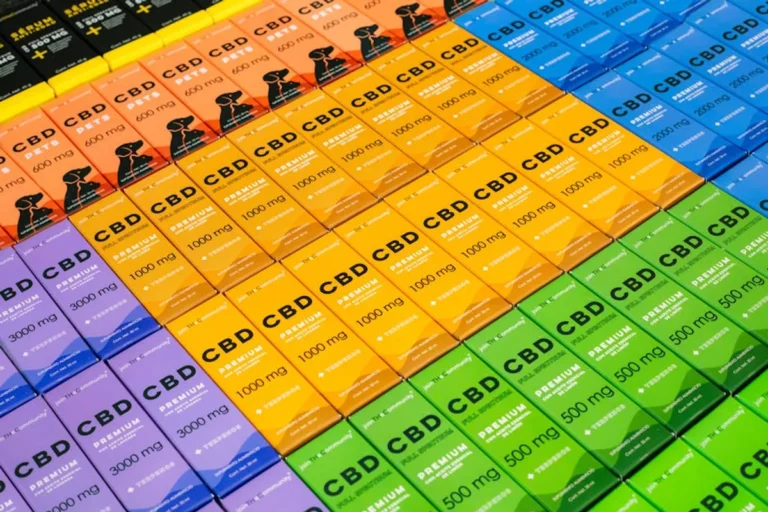
CBD Isolate: Pure CBD, with all other cannabinoids, terpenes, and plant compounds removed. It is 99% pure CBD and contains no THC. This is suitable for individuals who want to avoid THC entirely or are sensitive to other hemp compounds.
Potency and Concentration
CBD oil potency is expressed in milligrams (mg) per bottle and per serving. A higher total mg in a bottle does not always mean a higher concentration per serving if the bottle size is also larger.
To calculate mg per serving: Divide the total CBD (mg) by the number of servings in the bottle. For example, a 1000mg CBD oil in a 30ml bottle typically contains 30 servings (one ml dropper). This equates to approximately 33.3mg of CBD per serving.
Start with a lower potency and gradually increase as needed, observing your body's response. This approach allows you to find an effective dosage without overconsumption.
Making an Informed Purchase Decision
Beyond the product specifics, consider the brand's overall commitment to quality and customer experience.
Brand Reputation and Customer Service
A reputable brand demonstrates transparency and stands behind its products. Look for:
- Clear Contact Information: Easily accessible customer service channels (phone, email, chat).
- Educational Resources: Brands that invest in educating their customers about CBD, usage, and product specifics often prioritize consumer well-being.
- Return Policies: A clear and fair return or satisfaction guarantee policy indicates confidence in their product.
Ingredient List and Carrier Oils
Review the full ingredient list. High-quality CBD oils typically use simple, natural ingredients. The most common carrier oils are MCT oil (derived from coconut), hemp seed oil, or olive oil. These oils aid in CBD absorption and offer their own nutritional benefits. Avoid products with unnecessary additives, artificial flavors, or synthetic ingredients.
Prioritizing Verified Information Over Marketing Noise
Choosing CBD oil effectively means shifting focus from promotional language to verifiable data. By prioritizing third-party lab results, understanding the source and extraction methods, and recognizing the different types and potencies, consumers can confidently select products that meet their quality and safety expectations. This systematic approach ensures that your purchase is based on substance, not fleeting trends or exaggerated claims.
Common Questions About Choosing CBD Oil
What is the legal THC limit in CBD products?
In the United States, federally legal hemp-derived CBD products must contain less than 0.3% delta-9 THC by dry weight. Some states may have stricter regulations, so always check local laws.
How do I know if a COA is legitimate?
A legitimate COA will be from an ISO 17025 accredited third-party lab, display batch numbers matching the product, and include comprehensive testing for cannabinoids, heavy metals, pesticides, and microbial contaminants. Look for the lab's contact information to verify if necessary.
Is full-spectrum CBD always better than isolate?
Not necessarily. While full-spectrum CBD offers the "entourage effect" due to the presence of all hemp compounds, CBD isolate is preferred by individuals who need to avoid THC entirely, have sensitivities to other cannabinoids, or simply prefer a pure CBD product. The "best" type depends on individual needs and preferences.
Should I consult a doctor before using CBD oil?
It is advisable to consult a healthcare professional, especially if you are taking other medications or have underlying health conditions. CBD can interact with certain drugs, and a medical professional can offer personalized guidance.