Choosing CBD for recovery involves navigating a market saturated with products, each promising unique benefits. The challenge lies in distinguishing effective options from those that capitalize on trending interest without delivering tangible value. For individuals seeking support for muscle soreness, inflammation, improved sleep, or stress reduction after physical exertion or daily demands, an informed approach is essential. This guide outlines the critical factors for selecting CBD products that align with genuine recovery goals, cutting through marketing noise to focus on product integrity and scientific rationale.
Understanding CBD Product Types for Recovery
The efficacy of CBD for recovery often depends on the specific compounds present alongside cannabidiol. Different product types offer distinct profiles, influencing their potential benefits and considerations for use.
Full-Spectrum CBD
Full-spectrum CBD products contain a comprehensive array of cannabinoids, terpenes, and flavonoids naturally found in the hemp plant, including trace amounts of tetrahydrocannabinol (THC) – typically below the legal limit of 0.3%. This composition is believed to foster an "entourage effect," where the various compounds work synergistically to enhance therapeutic benefits beyond what CBD isolate might offer alone. For recovery, this broad interaction can be beneficial for addressing complex issues like systemic inflammation or chronic discomfort.
Best for: Individuals seeking maximum potential benefits from the whole plant, tolerant of trace THC, and not subject to drug testing protocols.
Broad-Spectrum CBD
Broad-spectrum CBD maintains the beneficial compounds of the hemp plant, such as other cannabinoids (CBG, CBN, CBC) and terpenes, but undergoes an additional process to remove all detectable THC. This option provides a similar entourage effect to full-spectrum products, but without the concern of THC ingestion. It serves as a middle ground for those who want more than just CBD isolate but need to avoid THC entirely.
Best for: Individuals desiring the entourage effect without any THC, particularly those concerned about drug tests or THC sensitivity.
CBD Isolate
CBD isolate is the purest form of cannabidiol, containing 99% or more pure CBD with all other plant compounds removed. This odorless, tasteless powder or crystal form is often preferred for its precise dosing capabilities and complete absence of THC. While it lacks the entourage effect, some individuals find it sufficient for specific recovery needs or prefer its simplicity.
Best for: Individuals seeking pure CBD, those with sensitivities to other hemp compounds, or those who require absolute assurance of no THC.
Key Factors Beyond Spectrum: Quality and Purity
Regardless of the spectrum chosen, product quality and purity are paramount. These factors directly influence safety, efficacy, and ultimately, the success of CBD in supporting recovery.
Third-Party Lab Testing (COAs)
Reliable CBD brands provide a Certificate of Analysis (COA) from an independent, accredited third-party laboratory for every product batch. This document verifies the cannabinoid content, ensuring the product contains the advertised amount of CBD and confirms the absence of harmful contaminants. For recovery, a verified COA is non-negotiable as it guarantees you are consuming a safe and accurately dosed product, free from pesticides, heavy metals, residual solvents, and microbial impurities that could hinder health and recovery.
- Cannabinoid Profile: Confirms CBD, THC (if applicable), and other cannabinoid levels.
- Purity Testing: Checks for heavy metals, pesticides, residual solvents, and microbial contaminants.
- Batch Number Match: Ensures the COA corresponds to the specific product purchased.
Hemp Source and Cultivation
The origin and cultivation practices of the hemp plant directly impact the final product's quality. Hemp is a bioaccumulator, meaning it readily absorbs substances from the soil. Opting for products derived from organically grown, U.S.-sourced hemp minimizes the risk of contaminants. U.S. hemp cultivation is subject to stricter agricultural regulations compared to many international sources, contributing to a cleaner raw material.
Extraction Methods
The method used to extract CBD from the hemp plant influences the purity and integrity of the final extract. CO2 extraction is widely considered the gold standard due to its ability to produce a clean, potent extract without the use of harsh chemical solvents. Ethanol extraction is another common and effective method, particularly for full-spectrum products, as it can efficiently extract a broad range of cannabinoids and terpenes. Understanding the extraction method provides insight into a brand's commitment to quality and product safety.
PRO TIP: Always cross-reference the Certificate of Analysis (COA) with the product batch number on the packaging. A legitimate COA ensures the product's stated CBD content and purity, directly impacting its potential effectiveness for your recovery goals.
Dosing and Application for Recovery
Effective CBD use for recovery is highly individualized, requiring attention to both dosage and delivery method to optimize results.
Starting Low, Going Slow
There is no universal "correct" CBD dose for recovery. Individual factors such as body weight, metabolism, the severity of symptoms, and individual endocannabinoid system response all play a role. A common recommendation is to start with a low dose (e.g., 5-10 mg) once or twice daily and gradually increase it over several days or weeks until the desired effects are observed. Consistency is key, as CBD often works best when taken regularly.
Delivery Methods
The way CBD is consumed affects its absorption rate and duration of effects, making certain methods more suitable for specific recovery needs:
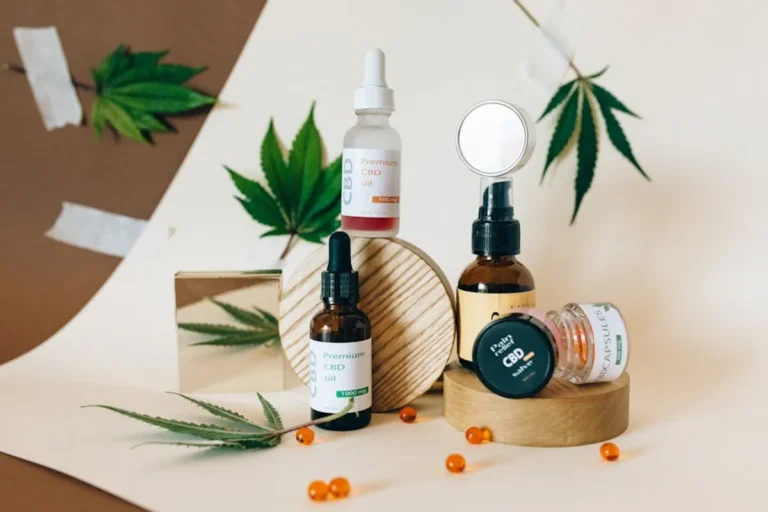
- Tinctures/Oils: Administered sublingually (under the tongue), these offer relatively fast absorption (15-30 minutes) and precise dosing control, making them suitable for general systemic recovery, stress reduction, or sleep support.
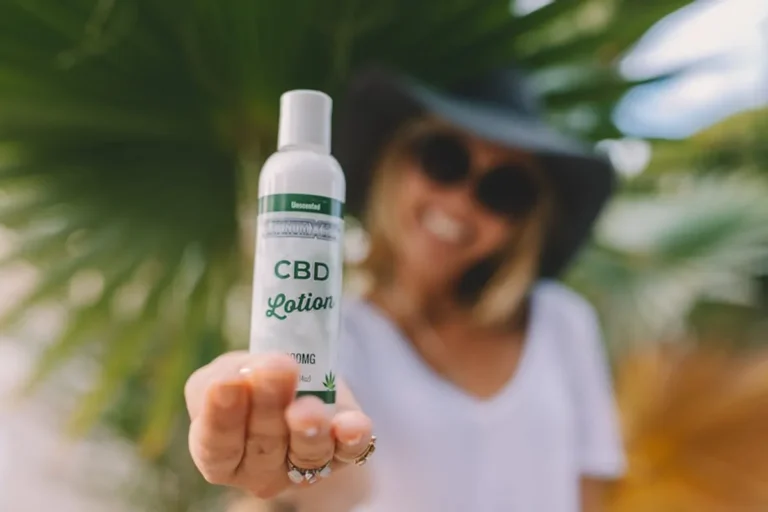
- Topicals (Creams, Balms, Lotions): Applied directly to the skin, topicals provide localized relief for muscle soreness, joint pain, or inflammation in specific areas. They typically do not enter the bloodstream, focusing their action on the immediate application site.
- Edibles (Gummies, Capsules): These provide a discreet and convenient way to consume CBD, with effects that typically last longer (4-8 hours) but take longer to onset (1-2 hours) due to digestion. Edibles are often preferred for sustained relief or nightly sleep support.
Avoiding the Hype: What to Watch Out For
The CBD market's rapid growth has unfortunately led to a proliferation of products making exaggerated or unsubstantiated claims. To make an informed choice for recovery, be wary of:
- Unrealistic Health Claims: Any product promising to "cure" diseases or deliver immediate, miraculous results is a red flag. CBD is a supplement, not a pharmaceutical cure-all.
- Lack of Transparency: Brands that do not readily provide third-party lab results, detailed ingredient lists, or information about their hemp sourcing and extraction methods should be avoided.
- Extremely Low Prices: While affordability is a factor, unusually cheap CBD products can indicate poor quality hemp, inefficient extraction, or inaccurate CBD content. Quality CBD production involves significant costs.
- Vague Labeling: Products labeled simply as "hemp oil" without specifying "CBD" or providing cannabinoid content are often misleading. Hemp seed oil, while nutritious, contains negligible CBD.
Making an Informed Choice for Recovery
Selecting CBD for recovery requires diligence and a focus on verifiable product attributes over marketing rhetoric. Prioritize brands that offer full transparency through third-party lab testing, disclose their hemp sourcing, and clearly explain their extraction processes. Understand the differences between full-spectrum, broad-spectrum, and isolate products to align with your personal needs and any THC concerns. Finally, approach dosing with patience, starting low and adjusting gradually, and choose a delivery method that best suits your specific recovery goals, whether localized relief or systemic support. By adhering to these principles, you can make an informed decision that genuinely contributes to your recovery journey.
Frequently Asked Questions About CBD for Recovery
How long does CBD take to work for recovery?
The onset time for CBD's effects varies significantly by delivery method. Sublingual tinctures can take 15-30 minutes, while edibles and capsules may take 1-2 hours. Topicals typically provide localized relief within minutes to an hour. Consistent use over several days or weeks often yields more noticeable and sustained recovery benefits.
Can I use CBD with other recovery supplements?
Generally, CBD can be integrated into a recovery regimen alongside other supplements. However, it is always advisable to consult with a healthcare professional, especially if you are taking prescription medications, to avoid potential interactions or to ensure CBD is appropriate for your specific health profile.
Is there a difference between hemp oil and CBD oil for recovery?
Yes, a significant difference exists. "Hemp oil" often refers to hemp seed oil, which is extracted from the seeds and contains beneficial fatty acids but negligible CBD. "CBD oil," or hemp extract oil, is derived from the flowers, leaves, and stalks of the hemp plant and is specifically rich in cannabidiol and other cannabinoids. For recovery benefits from CBD, ensure the product explicitly states "CBD" and provides its cannabinoid content.
What's the best CBD delivery method for post-workout muscle soreness?
For localized post-workout muscle soreness, topical CBD products (creams, balms, roll-ons) are often most effective. They allow for direct application to the affected area, providing targeted relief without systemic absorption. For general muscle recovery, inflammation, or improved sleep that aids recovery, tinctures or edibles might be preferred for their systemic and longer-lasting effects.