Individuals exploring options for physical and mental recuperation often encounter discussions around cannabidiol, or CBD. The decision to integrate CBD into a recovery regimen involves evaluating its purported benefits against potential risks and practical considerations. Understanding how CBD interacts with the body, what to expect from its use, and how to navigate product choices is critical for anyone considering this compound for post-exertion recovery, managing discomfort, or improving sleep quality. For individuals specifically seeking rest, understanding the role of CBD in improving sleep quality is a primary consideration.
Mechanism and Potential Benefits for Recovery
CBD interacts with the body's endocannabinoid system (ECS), a complex network of receptors and neurotransmitters that plays a role in regulating various physiological processes, including pain, mood, appetite, and sleep. While research is ongoing, the proposed mechanisms suggest CBD does not bind directly to cannabinoid receptors (CB1 and CB2) in the same way as THC, but rather influences them indirectly, along with other non-cannabinoid receptors and ion channels.
Inflammation and Pain Modulation
One of the primary reasons individuals consider CBD for recovery is its potential to modulate inflammation and pain. Studies indicate CBD may exert anti-inflammatory effects by interacting with specific receptors and pathways involved in immune response. For athletes or those experiencing post-exercise muscle soreness (DOMS), this could translate to reduced discomfort and a quicker return to baseline function. For chronic pain management, CBD's influence on pain perception pathways, independent of opioid receptors, presents a non-addictive avenue worth exploring, although it is not a direct replacement for prescribed pain management protocols.
Sleep Quality and Restorative Processes
Adequate sleep is fundamental to physical and mental recovery. CBD may promote better sleep indirectly by addressing underlying issues such as anxiety, stress, or pain, which frequently disrupt sleep cycles. While not a direct sedative for most users, CBD's potential to calm the nervous system could facilitate falling asleep and maintaining sleep throughout the night. Improved sleep quality directly impacts muscle repair, hormone regulation, and cognitive restoration, all vital components of an effective recovery process.
Muscle Relaxation and Post-Exertion Support
Beyond inflammation, CBD is sometimes used for its potential muscle-relaxant properties. This can be particularly relevant for individuals experiencing muscle spasms or persistent tension following strenuous activity. By influencing neurotransmitter systems and inflammatory pathways, CBD might contribute to decreased muscle stiffness and enhanced flexibility, aiding in the overall comfort and mobility during the recovery phase.
Acknowledging the Risks and Side Effects
While generally considered well-tolerated, CBD is not without potential risks. A comprehensive understanding of these factors is necessary for informed decision-making.
Common Adverse Reactions
Reported side effects of CBD are typically mild and transient. They can include:
- Drowsiness or sedation, particularly at higher doses.
- Dry mouth, often due to CBD's interaction with salivary glands.
- Diarrhea or other gastrointestinal discomforts.
- Changes in appetite and weight.
These effects often diminish with continued use or by adjusting the dosage. Individuals should monitor their response and consult a healthcare professional if adverse reactions persist or are severe.
Drug Interaction Concerns
A significant risk associated with CBD use is its potential to interact with other medications. CBD is metabolized by cytochrome P450 (CYP450) enzymes in the liver, the same enzyme system responsible for metabolizing a wide range of pharmaceutical drugs. This can lead to altered drug concentrations in the bloodstream, either increasing or decreasing their effectiveness and potentially increasing side effects. Medications commonly affected include:
- Blood thinners (e.g., warfarin)
- Anticonvulsants
- Antidepressants
- Immunosuppressants
- Certain heart medications
Pro Tip: Always consult with a healthcare professional before starting CBD, especially if you are currently taking any prescription medications. They can assess potential drug interactions and provide guidance on safe use.
The Challenge of Product Consistency
The CBD market remains largely unregulated, leading to significant variability in product quality, potency, and purity. Many products may contain less CBD than advertised, more THC than legally permitted, or undesirable contaminants such as pesticides, heavy metals, or residual solvents. This inconsistency means that the actual benefits and risks can vary widely depending on the specific product chosen, underscoring the importance of diligent product selection.
Key Considerations Before Use
For those considering CBD for recovery, several practical factors influence its efficacy and safety.
Dosage and Delivery Methods
Determining the correct CBD dosage is highly individualized and depends on factors like body weight, metabolism, the specific condition being addressed, and product concentration. A common recommendation is to "start low and go slow," beginning with a small dose (e.g., 5-10 mg) and gradually increasing it until the desired effects are achieved. CBD can be consumed in various forms:
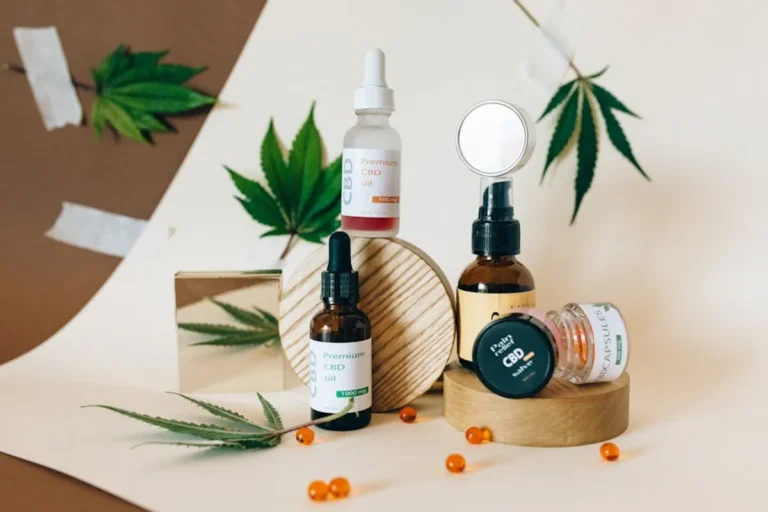
- Tinctures/Oils: Administered sublingually (under the tongue) for relatively fast absorption and precise dosing.
- Capsules/Edibles: Offer discreet use and pre-measured doses, but have a slower onset due to digestion.
- Topicals: Creams, balms, and salves applied directly to the skin for localized relief of muscle soreness or joint pain, with minimal systemic absorption.
- Vapes: Provide the fastest onset of effects but carry potential respiratory risks and are generally not recommended for new users.
Prioritizing Third-Party Lab Testing
Given the unregulated nature of the market, third-party lab testing is non-negotiable for verifying product claims. Reputable CBD brands provide a Certificate of Analysis (COA) from an independent laboratory, detailing:
- CBD and THC content, ensuring it matches label claims and adheres to legal limits (<0.3% THC).
- Absence of contaminants such as heavy metals, pesticides, molds, and residual solvents.
Always review the COA before purchase to ensure product safety and authenticity.
Consulting Healthcare Professionals
Before integrating CBD into a recovery plan, particularly if managing existing health conditions or taking other medications, a consultation with a healthcare provider is essential. They can offer personalized advice, discuss potential interactions, and help determine if CBD is an appropriate addition to your regimen.
Making an Informed Choice
CBD presents a compelling area for those seeking supplementary support for recovery, particularly concerning inflammation, pain, and sleep. However, its effective and safe use hinges on understanding its mechanisms, acknowledging potential risks, and navigating the market with diligence. Prioritizing third-party tested products, starting with conservative dosages, and consulting healthcare professionals are foundational steps toward making an informed choice that aligns with individual recovery goals and health profiles.
Frequently Asked Questions
Is CBD psychoactive?
No, CBD is non-psychoactive. Unlike THC, it does not produce the "high" associated with cannabis. Products derived from hemp typically contain less than 0.3% THC, an insufficient amount to cause intoxication.
How long does it take for CBD to work for recovery?
The onset of CBD's effects varies depending on the delivery method. Vaping or sublingual tinctures can produce effects within minutes to an hour. Edibles and capsules typically take 30 minutes to two hours to manifest effects, as they must pass through the digestive system. Topical applications provide localized relief, with onset times varying.
Can I fail a drug test from using CBD?
While pure CBD isolate should not cause a positive drug test for THC, full-spectrum CBD products contain trace amounts of THC (up to 0.3%). Though unlikely, consistent use of full-spectrum products could theoretically lead to a positive result, especially with highly sensitive drug tests. Broad-spectrum products, which have THC removed, offer a safer alternative for those concerned about drug testing.
What's the difference between full-spectrum, broad-spectrum, and CBD isolate?
Full-spectrum CBD contains all compounds found naturally in the cannabis plant, including cannabinoids (like CBD and trace THC), terpenes, and flavonoids. Broad-spectrum CBD contains all these compounds except THC. CBD isolate is pure CBD, with all other plant compounds removed. Full-spectrum is often preferred for the "entourage effect," where compounds work synergistically, but broad-spectrum and isolate are options for those avoiding THC.