Choosing a hemp oil product requires careful consideration beyond simply selecting a brand. The market features a wide spectrum of products, varying significantly in composition, quality, and manufacturing standards. Consumers must prioritize safety by understanding what constitutes a reputable product, how to interpret relevant documentation, and what indicators signal potential risks. This guide details the essential steps to make an informed and safe purchasing decision, focusing on verifiable product attributes and transparent company practices. Prioritize products by understanding how to spot the marketing hype surrounding hemp oil.
Understanding Hemp Oil Composition and Sourcing
Hemp oil, derived from the Cannabis sativa plant, is distinct from hemp seed oil. While hemp seed oil comes from the seeds and is primarily a nutritional supplement rich in omega fatty acids, hemp oil for wellness purposes is typically extracted from the plant's flowers, leaves, and stalks. This extraction yields a broader profile of compounds, including cannabinoids (like CBD, CBG, CBN), terpenes, and flavonoids. The safety and efficacy of these products are directly linked to the plant's cultivation and the subsequent extraction processes.
The Importance of Hemp Source and Cultivation
The origin of the hemp plant directly impacts the final product's purity. Hemp is a bioaccumulator, meaning it readily absorbs substances from its environment, including heavy metals, pesticides, and other toxins present in the soil. Products derived from hemp grown in contaminated soil will carry those contaminants into the final oil. Prioritize products made from hemp grown in regions with strict agricultural regulations, such as the United States or certain European countries. Look for brands that specify their hemp source and ideally provide details about their farming practices, including whether they are organic or adhere to sustainable cultivation methods. This transparency indicates a commitment to quality control from the earliest stage.
Extraction Methods and Their Implications
The method used to extract compounds from the hemp plant affects the purity and profile of the final oil. CO2 extraction is widely regarded as the safest and most efficient method. It uses pressurized carbon dioxide to pull desired compounds from the plant material, leaving no toxic solvent residues. Ethanol extraction is another common method, but it requires careful post-processing to ensure all alcohol is removed. Hydrocarbon solvents like butane or propane, while effective, carry a higher risk of leaving harmful residues if not executed with stringent quality control. A reputable brand will clearly state its extraction method, providing assurance that the product is free from residual solvents.
Navigating Product Labels and Certifications
The label on a hemp oil product provides critical information, but its clarity and completeness vary. Understanding what to look for—and what questions to ask—is fundamental to assessing product safety. The label should answer common questions worth asking before you buy a hemp oil product.
Verifying Third-Party Lab Testing (COAs)
The most crucial safety indicator for any hemp oil product is a Certificate of Analysis (COA) from an independent, ISO 17025-accredited third-party laboratory. This document confirms the product's contents and verifies the absence of harmful contaminants. A COA should be readily available on the product's packaging via a QR code, on the brand's website, or upon request. Always check the batch number on the COA against the product you are purchasing to ensure it matches. The COA should detail:
- Cannabinoid Profile and Potency: This confirms the exact amounts of beneficial compounds, such as CBD, CBG, and THC (ensuring it's below the legal limit of 0.3% delta-9 THC).
- Terpene Profile: While not directly a safety concern, terpenes contribute to the product's effects and indicate a well-preserved extract.
- Contaminant Screening: Essential checks include heavy metals (e.g., lead, mercury), pesticides, residual solvents from extraction, and microbial contaminants (e.g., mold, bacteria). Any detectable levels of these contaminants should be a red flag.
Understanding Ingredient Lists and Product Types
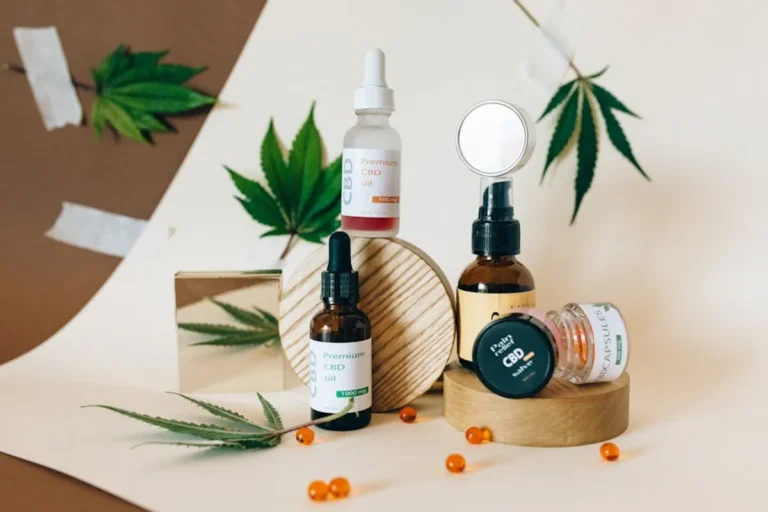
Carefully read the full ingredient list. Beyond the hemp extract itself, look for the carrier oil (e.g., MCT oil, hemp seed oil, olive oil), which should be food-grade and clearly identified. Some products may include flavorings or other botanical extracts. Ensure all ingredients are listed and recognizable. Hemp oil products generally fall into three categories based on their cannabinoid profile:
- Full-Spectrum: Contains all naturally occurring compounds from the hemp plant, including trace amounts of THC (under 0.3%).
- Broad-Spectrum: Contains multiple cannabinoids and terpenes, but with the THC completely removed.
- Isolate: Contains only one cannabinoid, typically CBD, with all other plant compounds removed.
Your choice depends on personal preference and desired effects, but understanding the type helps verify the COA's cannabinoid profile.
Decoding Potency and Dosage Information
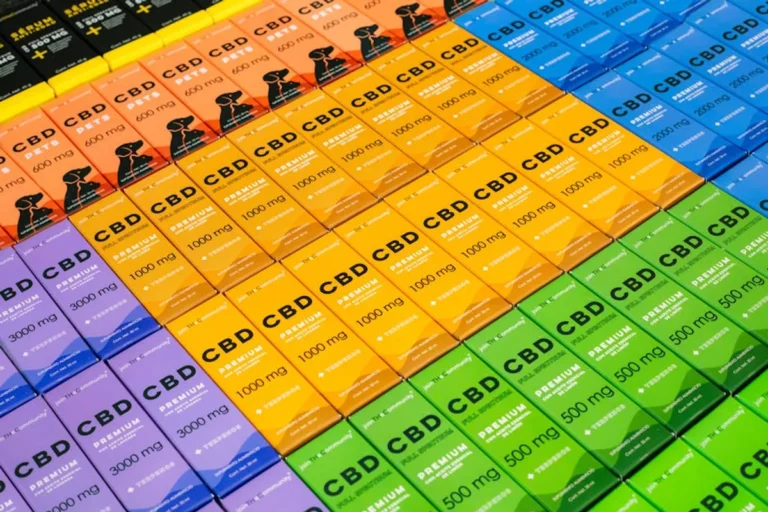
The total milligram content of cannabinoids (e.g., "1000mg CBD per bottle") indicates the product's overall strength. The serving size, usually measured in milliliters (ml) or drops, combined with the total cannabinoid content, allows you to calculate the milligram dose per serving. Reputable brands provide clear instructions on how to measure a serving and suggest a starting dose. Be wary of products with vague potency claims or those that do not clearly delineate the amount of active compounds per serving.
Pro Tip: Always cross-reference the advertised cannabinoid content on the product label with the third-party lab report. Discrepancies, even minor ones, can indicate inconsistent quality control or misleading claims. If a brand cannot provide a current, batch-specific COA, avoid that product.
Identifying Red Flags and Avoiding Misleading Claims
The unregulated nature of the hemp market means consumers must be vigilant against deceptive practices and low-quality products. Recognizing common red flags can prevent unsafe purchases.
Exaggerated Efficacy Claims
Be skeptical of products that promise to cure diseases or offer immediate, miraculous results. While hemp oil may support general wellness, reputable brands avoid making unsubstantiated medical claims. Such claims often signal a lack of scientific backing and a focus on marketing over product quality or safety.
Lack of Transparency
A brand's unwillingness to provide detailed information about its hemp source, manufacturing processes, or third-party lab results is a significant red flag. Transparency builds trust; its absence suggests something might be concealed. Look for clear contact information, a professional website, and consistent messaging across all platforms.
Unrealistic Pricing
Extremely low prices for hemp oil can indicate inferior quality, poor extraction methods, or diluted products. High-quality hemp cultivation, precise extraction, and rigorous third-party testing are expensive processes. Conversely, excessively high prices without clear justification (e.g., unique formulations, extensive research) may simply be price gouging. Seek products that offer value commensurate with their verified quality.
Steps for a Safe Hemp Oil Purchase
To ensure you are selecting a safe and effective hemp oil product, follow these actionable steps:
- Verify Third-Party Lab Reports: Always check for a current Certificate of Analysis (COA) that matches the product's batch number. Confirm cannabinoid potency and the absence of contaminants like heavy metals, pesticides, and residual solvents.
- Research Hemp Source: Prioritize products made from US-grown hemp or hemp from other regions with strict agricultural standards. Look for organic certification or sustainable farming practices.
- Understand Extraction Method: Opt for products extracted using CO2 or ethanol, ensuring the brand confirms proper post-processing to remove any residues.
- Scrutinize Ingredient Lists: Ensure all ingredients are clearly listed, recognizable, and free from unnecessary additives or artificial components. Identify the carrier oil.
- Assess Brand Reputation: Choose brands with a history of positive customer reviews, clear communication, and a commitment to transparency. Check for readily available contact information and educational resources.
- Avoid Exaggerated Claims: Be wary of products promising cures or unrealistic health benefits. Focus on brands that communicate responsibly about the potential wellness support of hemp oil.
Frequently Asked Questions About Hemp Oil Safety
Is it safe to use hemp oil every day?
For most individuals, daily use of hemp oil is considered safe, particularly when following recommended dosages. However, individual responses vary. It's always advisable to start with a low dose and gradually increase it, monitoring your body's reaction. Consulting a healthcare professional is recommended, especially if you are taking other medications or have underlying health conditions.
How can I tell if a hemp oil product is legitimate?
A legitimate hemp oil product will always come with an easily accessible, batch-specific third-party Certificate of Analysis (COA) that verifies its cannabinoid content and confirms it is free from contaminants. The brand should be transparent about its hemp source, extraction methods, and have clear contact information.
What are the potential side effects of hemp oil?
Hemp oil is generally well-tolerated, but some individuals may experience mild side effects such as dry mouth, drowsiness, or digestive upset. These effects are often dose-dependent. If you experience adverse reactions, discontinue use and consult a healthcare provider.
Does hemp oil contain THC?
Full-spectrum hemp oil products contain trace amounts of delta-9 THC, typically below the legal limit of 0.3%. Broad-spectrum hemp oil and CBD isolate products are processed to remove THC. Always check the product's COA to confirm its THC content, especially if you are subject to drug testing or prefer to avoid THC entirely.