
Navigating the landscape of wellness supplements requires understanding the distinct properties and applications of various natural products. Hemp oil, often lauded for its nutritional profile, particularly its essential fatty acid content, frequently enters discussions alongside a range of alternatives. Consumers and professionals alike seek clarity on how hemp oil differs from other plant-derived oils, specific nutrient supplements, or herbal extracts that address similar health and wellness objectives. Before selecting a product, considering common questions worth asking before you buy can help navigate the market.
The primary distinction for hemp oil lies in its source and composition. True hemp oil, typically extracted from the seeds of the Cannabis sativa plant, is a nutritional powerhouse rich in omega-3 and omega-6 fatty acids, vitamin E, and minerals. It generally contains only trace amounts of cannabinoids like CBD or THC, if any. Its value is predominantly in its dietary contribution rather than cannabinoid-mediated effects. However, the term "hemp oil" is sometimes colloquially, and inaccurately, used to refer to CBD oil, which is extracted from the flowers and leaves and is rich in cannabidiol. This article focuses on hemp seed oil as the baseline for comparison, differentiating it from products that offer distinct mechanisms of action or target different wellness outcomes.
For those evaluating options, understanding the specific active compounds, their bioavailability, and the intended effects of each alternative is critical. This involves moving beyond broad wellness claims to investigate the scientific basis for their use, considering factors such as sourcing, extraction methods, and potential interactions with other supplements or medications. The selection of an appropriate alternative hinges on identifying precise individual needs, whether for anti-inflammatory support, stress reduction, cognitive enhancement, or general nutritional supplementation.
What to Look For in an Alternative
When considering alternatives to hemp oil, a structured evaluation process helps align product selection with specific wellness goals and dietary needs. Focus on these key attributes:
Active Compounds: Identify the primary beneficial compounds. For instance, if seeking anti-inflammatory effects, look for alternatives rich in specific polyphenols, terpenes, or fatty acids known for those properties. If it's for stress, consider adaptogens.
Intended Benefits: Match the product's documented benefits with your personal objectives. Some alternatives excel in cardiovascular support, while others are geared towards cognitive function, mood regulation, or joint health. Ensure the alternative's mechanism of action aligns with the desired outcome.
Source and Purity: Investigate the origin of the raw materials and the extraction processes. Look for products that are sustainably sourced, non-GMO, and free from heavy metals, pesticides, and other contaminants. Third-party testing verification is a strong indicator of purity and potency.
Bioavailability: Consider how effectively the body can absorb and utilize the active compounds. Some compounds benefit from specific formulations (e.g., liposomal delivery, co-consumption with fats) to enhance their bioavailability.
Dietary Restrictions and Allergies: Check for common allergens (e.g., soy, nuts, gluten) and ensure the product aligns with dietary preferences such as vegan, vegetarian, or ketogenic.
Formulation and Delivery Method: Alternatives come in various forms: oils, capsules, tinctures, powders, or topical creams. The chosen method can influence convenience, dosage control, and absorption rate.
Cost-Effectiveness: Evaluate the price per serving or per unit of active compound. A higher upfront cost might be justified by higher potency or better bioavailability, offering greater value over time.
1. CBD Oil (Cannabidiol Oil)
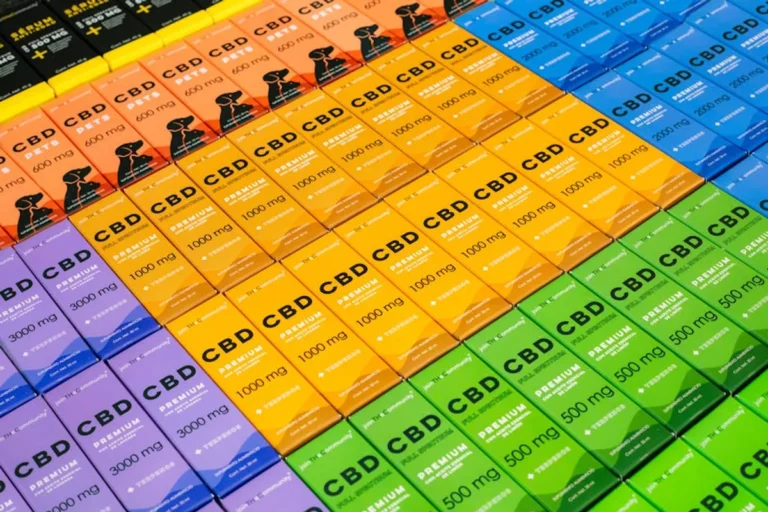
CBD oil is derived from the flowers, leaves, and stalks of the hemp plant, specifically bred for high cannabidiol content and low THC (typically below 0.3%). Unlike hemp seed oil, CBD oil's primary function is to deliver cannabinoids, which interact with the body's endocannabinoid system. This interaction is believed to influence various physiological processes, including mood, pain perception, sleep, and appetite. CBD oil is available in full-spectrum (containing all cannabinoids, terpenes, and flavonoids found in the plant, including trace THC), broad-spectrum (similar to full-spectrum but with THC removed), and isolate (pure CBD). Its application is centered around its potential therapeutic effects rather than its nutritional value. Understanding how cbd oil alternatives compare is crucial for making an informed choice.
Key Features: Contains significant levels of cannabidiol; available in full-spectrum, broad-spectrum, and isolate forms; interacts with the endocannabinoid system; often combined with a carrier oil like MCT or hemp seed oil.
Pricing: Varies significantly based on concentration, brand reputation, extraction method, and spectrum type. Typically ranges from $30 to $150 for a 30ml bottle, with higher concentrations commanding premium prices. Subscription models often offer discounts.
Best For: Individuals seeking targeted support for stress reduction, sleep improvement, discomfort management, or general well-being through cannabinoid interaction. Also suitable for those interested in the entourage effect of full-spectrum products.
Pros:
- Directly provides active cannabinoids for potential therapeutic benefits.
- Diverse product forms (tinctures, capsules, edibles, topicals) allow for varied consumption methods.
- Extensive research is ongoing, with many users reporting positive outcomes for specific conditions.
Cons:
- Can be expensive, especially for high-quality, third-party tested products.
- Regulatory landscape is still evolving, leading to inconsistencies in product labeling and quality across brands.
- Potential for drug interactions, especially with medications metabolized by the cytochrome P450 enzyme system.
- May cause mild side effects such as drowsiness, dry mouth, or changes in appetite.
2. Flaxseed Oil
Flaxseed oil is extracted from the dried, ripened seeds of the flax plant (Linum usitatissimum). It is renowned for its exceptionally high content of alpha-linolenic acid (ALA), an omega-3 fatty acid. ALA is a precursor to EPA and DHA, which are crucial for cardiovascular health, brain function, and reducing inflammation. Unlike hemp seed oil, which offers a balanced omega-3 to omega-6 ratio, flaxseed oil is particularly concentrated in omega-3 ALA. It is primarily consumed for its nutritional benefits, serving as a plant-based source of essential fatty acids for those who avoid fish or have specific dietary preferences. It has a mild, nutty flavor and is often used in dressings, smoothies, or taken directly as a supplement.
Key Features: Rich in ALA (alpha-linolenic acid); plant-based omega-3 source; contains lignans (when unrefined); mild, nutty flavor; sensitive to heat and light.
Pricing: Generally affordable. A 16 oz bottle can range from $10 to $25, depending on organic certification and cold-pressed status. Capsules are also available, with a month's supply typically costing $15 to $30.
Best For: Individuals seeking a significant plant-based source of omega-3 ALA, particularly vegetarians and vegans, or those focused on cardiovascular health and general anti-inflammatory support. Ideal for daily nutritional supplementation.
Pros:
- Excellent plant-based source of omega-3 ALA, supporting heart and brain health.
- Widely available and relatively inexpensive compared to other omega-3 supplements.
- Contains lignans, which have antioxidant properties.
- Versatile for culinary use in cold dishes.
Cons:
- ALA conversion to EPA and DHA in the body is inefficient, meaning direct EPA/DHA sources might be more effective for specific health goals.
- Highly susceptible to oxidation; requires refrigeration and dark storage.
- Not suitable for cooking at high temperatures due to its low smoke point.
- Can cause digestive upset in some individuals at high doses.
3. Fish Oil (Omega-3 Fatty Acid Supplements)
Fish oil is derived from the tissues of oily fish, such as salmon, mackerel, and sardines. Its primary value lies in its direct provision of eicosapentaenoic acid (EPA) and docosahexaenoic acid (DHA), two crucial long-chain omega-3 fatty acids. These fatty acids are well-researched for their roles in reducing inflammation, supporting cardiovascular health, promoting brain function, and aiding eye health. Unlike plant-based omega-3s (like ALA in flaxseed or hemp oil), EPA and DHA are readily utilized by the body without the need for conversion, making fish oil a highly effective source for these specific compounds. It is typically consumed in softgel capsule form to mask the taste and prevent oxidation.
Key Features: Direct source of EPA and DHA; potent anti-inflammatory properties; supports cardiovascular, brain, and eye health; often molecularly distilled for purity.
Pricing: Varies based on EPA/DHA concentration, purity, and brand. A month's supply (typically 1000-2000mg total Omega-3s daily) can range from $15 to $50, with higher purity and concentration products at the upper end.
Best For: Individuals prioritizing direct EPA and DHA intake for robust cardiovascular health, cognitive support, joint health, and significant anti-inflammatory effects. Suitable for those without dietary restrictions against animal products.
Pros:
- Directly supplies highly bioavailable EPA and DHA, bypassing inefficient ALA conversion.
- Extensive scientific evidence supports its benefits for heart, brain, and joint health.
- Available in various concentrations and forms, including triglyceride and ethyl ester.
Cons:
- Not suitable for vegetarians or vegans unless derived from algal sources (which is a separate category).
- Can cause a fishy aftertaste or "burps" for some users.
- Risk of contaminants like mercury if not sourced and processed correctly; requires third-party testing for purity.
- Potential for blood thinning effects, requiring caution for individuals on anticoagulant medications.
4. Black Seed Oil (Nigella Sativa Oil)
Black seed oil, extracted from the seeds of Nigella sativa, is an ancient remedy gaining contemporary scientific interest. Its primary active compound is thymoquinone, a powerful antioxidant and anti-inflammatory agent. The oil is also rich in other beneficial compounds like nigellone, essential fatty acids (omega-6 and omega-9), and various vitamins and minerals. It is traditionally used for a wide array of health concerns, including immune system support, respiratory health, digestive issues, and skin conditions. Its mechanism of action is distinct from hemp oil, focusing on immune modulation and broad anti-inflammatory pathways through its unique phytochemical profile rather than cannabinoid or essential fatty acid balance alone.
Key Features: Rich in thymoquinone; potent antioxidant and anti-inflammatory; supports immune function, respiratory health, and digestion; distinct pungent flavor.
Pricing: A 4 oz bottle of cold-pressed black seed oil typically ranges from $20 to $40. Capsules are also available, with a month's supply costing $25 to $50, depending on concentration and organic certification.
Best For: Individuals seeking broad-spectrum immune support, anti-inflammatory benefits, and respiratory health aid. Also considered for digestive wellness and skin conditions. Suitable for those exploring traditional herbal remedies with emerging scientific backing.
Pros:
- Contains unique active compounds like thymoquinone with strong antioxidant and anti-inflammatory properties.
- Supports a healthy immune response and may aid in respiratory and digestive health.
- Offers a different set of benefits compared to omega-3 rich oils.
Cons:
- Strong, pungent taste that some find unpalatable.
- Can interact with certain medications, including blood thinners and drugs metabolized by the liver.
- Limited long-term human studies on specific dosages and effects compared to more established supplements.
- Quality and thymoquinone content can vary significantly between brands.
5. Magnesium Supplements
Magnesium is an essential mineral involved in over 300 enzymatic reactions in the body, playing critical roles in muscle and nerve function, blood glucose control, blood pressure regulation, and energy production. It is often considered an alternative for individuals seeking support for stress, anxiety, sleep quality, muscle cramps, and overall nervous system health—areas where some users might also turn to hemp oil. Unlike oils, magnesium supplements provide a specific mineral rather than fatty acids or botanical compounds. Various forms exist (e.g., magnesium citrate, glycinate, threonate), each with different absorption rates and specific benefits. For example, magnesium glycinate is favored for its calming effects and high bioavailability.
Key Features: Essential mineral; supports muscle, nerve, and energy function; aids in stress reduction and sleep quality; available in various chelated forms for enhanced absorption.
Pricing: Highly variable by form and dosage. A month's supply of a common form like magnesium citrate or glycinate typically costs $10 to $30. More specialized forms like magnesium L-threonate can be slightly higher.
Best For: Individuals experiencing muscle cramps, restless legs, stress, anxiety, or difficulty sleeping. Also beneficial for those looking to support bone health and cardiovascular function. An effective alternative when the primary goal is mineral repletion and nervous system regulation.
Pros:
- Addresses a fundamental mineral deficiency common in modern diets.
- Directly supports numerous bodily functions, including stress response and sleep cycles.
- Specific forms available to target different needs (e.g., calming, cognitive support).
Cons:
- Excessive intake, especially of certain forms (e.g., magnesium oxide), can cause digestive issues like diarrhea.
- Absorption rates vary significantly between different forms of magnesium.
- May interact with certain medications, including antibiotics and diuretics.
- Does not provide the broad spectrum of fatty acids or botanical compounds found in oils.
6. Ashwagandha Extract
Ashwagandha (Withania somnifera) is an adaptogenic herb widely used in Ayurvedic medicine. Adaptogens are natural substances that help the body adapt to stress and exert a normalizing effect on bodily processes. Ashwagandha is primarily valued for its ability to reduce stress and anxiety, improve sleep quality, enhance cognitive function, and support overall vitality. Its active compounds, called withanolides, are believed to modulate the body's stress response system, including the HPA axis. As an herbal extract, it offers a distinct approach to wellness compared to the nutritional support of hemp oil, focusing on systemic stress resilience and hormonal balance rather than fatty acid intake.
Key Features: Adaptogenic herb; contains withanolides; reduces stress and anxiety; supports sleep and cognitive function; promotes vitality and energy balance.
Pricing: A month's supply of ashwagandha extract (typically 500-600mg per capsule, standardized for withanolides) ranges from $15 to $35, depending on brand, concentration, and organic certification.
Best For: Individuals seeking natural support for stress management, anxiety reduction, improved sleep quality, and enhanced mental clarity. Ideal for those looking to bolster their body's resilience to physical and psychological stressors.
Pros:
- Proven adaptogenic properties help the body manage stress more effectively.
- Supports multiple aspects of well-being, including mood, sleep, and energy.
- Generally well-tolerated with a long history of traditional use.
Cons:
- Effects may take several weeks to become noticeable.
- Can cause mild side effects in some individuals, such as stomach upset or drowsiness.
- May interact with certain medications, including sedatives, thyroid hormones, and immunosuppressants.
- Quality and standardization of active compounds (withanolides) can vary between products.
7. Turmeric Extract (Curcumin)
Turmeric extract, primarily standardized for its active compounds called curcuminoids (with curcumin being the most prominent), is a powerful anti-inflammatory and antioxidant agent. Derived from the root of the Curcuma longa plant, it has been a staple in traditional medicine for centuries. Its benefits largely stem from its ability to modulate multiple molecular targets involved in inflammation and oxidative stress. While hemp oil offers some anti-inflammatory benefits through its omega fatty acid profile, turmeric extract provides a more direct and potent anti-inflammatory action via distinct biochemical pathways. Often, turmeric supplements are formulated with piperine (from black pepper) to significantly enhance curcumin's bioavailability, which is otherwise poor.
Key Features: Rich in curcuminoids; potent anti-inflammatory and antioxidant; often combined with piperine for enhanced absorption; supports joint health and digestive wellness.
Pricing: A month's supply of turmeric extract with piperine (typically 500-1000mg curcuminoids) ranges from $15 to $40, depending on brand, concentration, and formulation for bioavailability.
Best For: Individuals seeking strong natural anti-inflammatory support, particularly for joint health, muscle recovery, and overall reduction of oxidative stress. Also beneficial for digestive health and liver support. Suitable for those prioritizing targeted inflammation management.
Pros:
- Provides powerful anti-inflammatory and antioxidant effects through its curcuminoid content.
- Well-researched for its benefits in joint health, pain management, and digestive support.
- Enhanced bioavailability with formulations including piperine.
Cons:
- Poor bioavailability of curcumin on its own, necessitating specific formulations (e.g., with piperine, liposomal).
- Can cause mild digestive upset in some individuals.
- May interact with blood-thinning medications and drugs that reduce stomach acid.
- Quality and curcuminoid concentration can vary widely among products.
How to Choose the Right Alternative
Selecting the most appropriate alternative to hemp oil involves a systematic approach that considers individual health objectives, existing health conditions, and lifestyle factors. Begin by clearly defining your primary wellness goal: are you seeking general nutritional support, targeted anti-inflammatory effects, stress reduction, or improved sleep? Each alternative excels in different areas due to its unique active compounds and mechanisms.
Next, evaluate the scientific evidence supporting the claims of each alternative. Prioritize products with robust research demonstrating efficacy for your specific needs. Consider the purity and quality of the product, looking for third-party testing certifications, transparent sourcing, and clear labeling of active ingredient concentrations. This is particularly crucial for herbal extracts and supplements where potency can vary significantly between brands.
Assess potential interactions with any medications you are currently taking and consult with a healthcare professional, especially if you have pre-existing health conditions. Factor in dietary restrictions or preferences, such as vegan requirements or sensitivities to certain ingredients