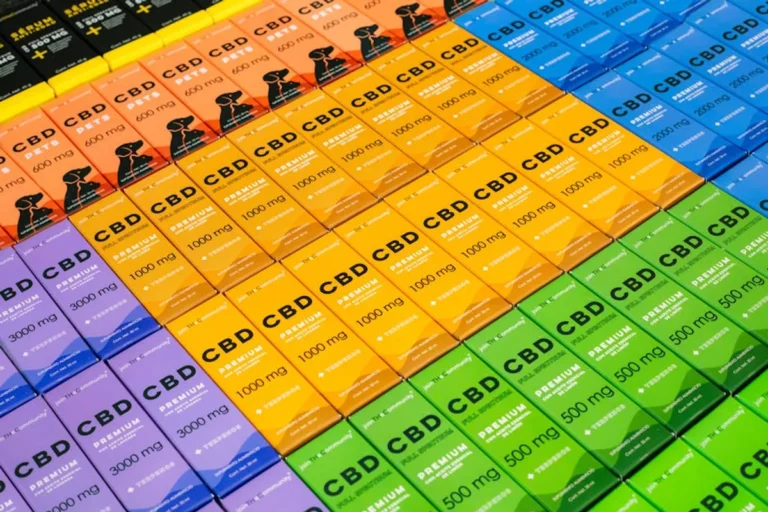

Consumers exploring wellness solutions often encounter a critical decision point: whether to use CBD oil or consider its various alternatives. This choice extends beyond simple preference, touching on legal considerations, desired therapeutic effects, individual physiological responses, and potential interactions with other medications. While CBD oil has gained significant traction for its non-psychoactive properties and perceived benefits in areas like pain management, anxiety reduction, and sleep improvement, a range of other natural compounds and supplements offer distinct mechanisms of action and efficacy profiles. Understanding these differences is crucial for making an informed decision that aligns with specific health goals and personal circumstances. This decision often involves considering full spectrum alternatives that offer unique benefits and drawbacks.
The landscape of natural health supplements is broad, with many substances claiming similar benefits to CBD. However, their biochemical pathways, absorption rates, potential side effects, and regulatory statuses vary considerably. For instance, some alternatives may target specific neurotransmitter systems more directly, while others focus on inflammation or adaptogenic stress response. Evaluating these distinctions requires a practical approach, considering not just anecdotal evidence but also scientific backing, purity standards, and typical user experiences. This comparison aims to delineate the core characteristics of CBD oil against a curated selection of popular alternatives, providing a framework for discerning their respective strengths and limitations in a commercial context.
What to Look For in an Alternative
When assessing alternatives to CBD oil, several critical factors should guide the evaluation process. These considerations move beyond marketing claims to focus on tangible, measurable attributes that impact efficacy, safety, and suitability for individual needs. Evaluating these factors is key to avoiding marketing hype and finding the best supplement for individual needs.
- Mechanism of Action: Understand how the compound interacts with the body's systems (e.g., endocannabinoid system, GABA receptors, inflammatory pathways). A clear understanding helps predict potential benefits and side effects.
- Targeted Conditions: While many supplements claim broad wellness benefits, specific alternatives often excel in particular areas like sleep, anxiety, pain, or inflammation. Match the alternative's primary indication to your specific health concern.
- Scientific Evidence: Prioritize alternatives with a robust body of scientific research, including clinical trials, supporting their efficacy and safety. Peer-reviewed studies offer a more reliable basis than anecdotal reports.
- Safety Profile and Side Effects: Investigate potential side effects, contraindications, and interactions with medications. Some natural supplements can have significant impacts on drug metabolism or blood clotting.
- Legality and Accessibility: Confirm the legal status of the alternative in your region and its availability through reputable suppliers. Regulatory oversight varies widely, affecting product quality and consistency.
- Purity and Potency: Seek products from manufacturers providing third-party testing results for purity (absence of contaminants) and potency (accurate concentration of active ingredients). This is critical for consistent dosing and safety.
- Formulation and Bioavailability: Consider how the alternative is delivered (e.g., capsules, tinctures, powders) and its bioavailability, which affects how much of the active compound the body can absorb and utilize.
- Cost-Effectiveness: Evaluate the price per dose relative to the expected benefits and the duration of use. Higher prices do not always equate to superior efficacy.
1. CBD Oil
CBD (cannabidiol) oil is a non-intoxicating cannabinoid derived primarily from the hemp plant. It is extracted and typically diluted with a carrier oil like MCT oil. CBD interacts with the body's endocannabinoid system (ECS), a complex network of receptors and neurotransmitters involved in regulating various physiological processes, including pain, mood, sleep, appetite, and immune function. Unlike THC, CBD does not produce a psychoactive "high," making it appealing for those seeking therapeutic benefits without impairment. Its primary appeal lies in its broad-spectrum potential, addressing multiple wellness concerns simultaneously through its modulatory effects on the ECS.
Key Features: Modulates the endocannabinoid system; non-psychoactive; anti-inflammatory properties; neuroprotective potential; anxiolytic effects; available in full-spectrum (contains trace THC), broad-spectrum (THC-free with other cannabinoids), and isolate (pure CBD) forms.
Pricing: Varies significantly based on concentration, product type (tincture, capsule, topical), and brand. Generally, a 30ml bottle with 500mg-1500mg CBD can range from $30 to $100+. Higher concentrations command higher prices.
Best For: Individuals seeking broad-spectrum wellness support for chronic pain, anxiety, insomnia, inflammation, and general stress management without psychoactive effects. Suitable for daily use in various forms.
Pros:
- Wide range of potential therapeutic applications due to ECS modulation.
- Non-intoxicating, allowing for daily use without cognitive impairment.
- Generally well-tolerated with a favorable safety profile.
- Available in diverse product types for varied preferences and delivery methods.
- Growing body of research supporting its efficacy for specific conditions.
Cons:
- Legality can still be ambiguous or restricted in some regions, despite federal legalization in many areas.
- Product quality and potency can vary widely among manufacturers; third-party testing is essential but not universally present.
- Potential for drug interactions, particularly with medications metabolized by cytochrome P450 enzymes.
- Effects can be subtle and may require consistent use over time to become noticeable.
- Cost can be a barrier for long-term, high-dose use.
2. Turmeric (Curcumin)
Turmeric is a spice derived from the root of the Curcuma longa plant, widely recognized for its vibrant yellow color and use in traditional medicine, particularly Ayurveda. Its primary active compounds are curcuminoids, with curcumin being the most studied. Curcumin is a potent antioxidant and anti-inflammatory agent. It works by inhibiting various molecules involved in inflammation, such as NF-κB, COX-2, and LOX, and by neutralizing free radicals. While turmeric itself contains curcumin, most therapeutic applications utilize concentrated curcumin extracts, often formulated for enhanced bioavailability due to curcumin's poor absorption in its raw form.
Key Features: Potent anti-inflammatory and antioxidant properties; supports joint health; promotes digestive health; may support cognitive function; often combined with piperine (black pepper extract) to enhance absorption.
Pricing: Curcumin supplements are widely available and generally affordable. A bottle of 60-120 capsules (500mg-1000mg curcumin per serving) can range from $15 to $40, depending on brand, concentration, and bioavailability enhancements.
Best For: Individuals seeking natural anti-inflammatory support for conditions like arthritis, muscle soreness, and inflammatory bowel conditions. Also suitable for antioxidant protection and general wellness.
Pros:
- Strong scientific backing for its anti-inflammatory and antioxidant effects.
- Generally safe with a low incidence of side effects.
- Widely available and relatively inexpensive.
- Benefits extend beyond inflammation to digestive health and cognitive support.
- Natural and derived from a common food source.
Cons:
- Poor bioavailability of curcumin in its natural form; requires specific formulations (e.g., with piperine, liposomal delivery) for optimal absorption.
- High doses can cause mild digestive upset in some individuals.
- Potential for interactions with blood-thinning medications due to its anticoagulant properties.
- Effects may take time to become noticeable, requiring consistent use.
3. Magnesium
Magnesium is an essential mineral involved in over 300 enzymatic reactions in the body, playing a critical role in muscle and nerve function, blood glucose control, blood pressure regulation, and bone health. As an alternative to CBD, magnesium is particularly relevant for its role in stress reduction, sleep improvement, and muscle relaxation. It influences neurotransmitter activity, including GABA, which has calming effects on the brain. Many individuals are magnesium deficient, and supplementation can address a range of symptoms from muscle cramps and fatigue to anxiety and poor sleep quality. Different forms of magnesium (e.g., citrate, glycinate, threonate) offer varying bioavailability and specific benefits.
Key Features: Essential mineral; supports muscle and nerve function; promotes relaxation and sleep; helps regulate blood pressure; involved in energy production; modulates neurotransmitters like GABA.
Pricing: Magnesium supplements are very affordable. A month's supply (60-120 capsules) of a common form like magnesium citrate or glycinate typically costs between $10 and $25.
Best For: Individuals experiencing muscle cramps, restless legs, general fatigue, anxiety, or difficulty sleeping. Also beneficial for those with known magnesium deficiencies or seeking cardiovascular support.
Pros:
- Fundamental mineral with broad impacts on physiological health.
- Highly effective for muscle relaxation, stress reduction, and sleep quality.
- Very affordable and widely accessible.
- Generally safe when taken within recommended dosages.
- Different forms allow for targeted benefits and improved absorption.
Cons:
- High doses, especially of certain forms (e.g., magnesium oxide, citrate), can cause digestive issues like diarrhea.
- Absorption can vary depending on the form of magnesium.
- Potential for interactions with certain medications, including antibiotics and diuretics.
- Effects on anxiety and sleep may be less pronounced for severe conditions compared to pharmaceutical interventions.
4. Ashwagandha
Ashwagandha (Withania somnifera) is an adaptogenic herb central to Ayurvedic medicine, known for its ability to help the body adapt to stress. It contains active compounds called withanolides, which are believed to contribute to its therapeutic effects. Ashwagandha works by regulating the body's stress response system, specifically by modulating the hypothalamic-pituitary-adrenal (HPA) axis and reducing cortisol levels. This action helps to alleviate symptoms of stress and anxiety, improve sleep quality, and enhance overall resilience. Unlike sedatives, ashwagandha helps normalize physiological functions rather than suppressing them, making it suitable for long-term use.
Key Features: Adaptogenic herb; reduces stress and anxiety by modulating cortisol; improves sleep quality; enhances cognitive function; supports physical performance and recovery; acts as an antioxidant.
Pricing: Ashwagandha supplements are moderately priced. A bottle of 60-120 capsules (typically 300mg-600mg extract per serving) ranges from $15 to $35, with specialized extracts like KSM-66 or Sensoril sometimes being slightly higher.
Best For: Individuals experiencing chronic stress, anxiety, mild depression, or sleep disturbances due to stress. Also beneficial for athletes seeking performance and recovery support, and those looking to improve cognitive function.
Pros:
- Scientifically supported adaptogenic properties for stress and anxiety reduction.
- Helps improve sleep quality without causing drowsiness.
- Non-habit forming and generally well-tolerated.
- Benefits extend to physical endurance and cognitive clarity.
- Traditional use history provides a long safety record.
Cons:
- Effects may take several weeks of consistent use to become fully apparent.
- Can cause mild digestive upset in some individuals, especially at high doses.
- Potential for interactions with thyroid medications, immunosuppressants, and sedatives.
- Not recommended for pregnant or breastfeeding women without medical consultation.
5. Valerian Root
Valerian root (Valeriana officinalis) is a perennial flowering plant whose roots have been traditionally used as a sedative and anxiolytic since ancient times. Its primary mechanism of action is believed to involve increasing the availability of gamma-aminobutyric acid (GABA) in the brain, a neurotransmitter that helps regulate nerve impulses and calm the nervous system. Valerian root does not directly bind to GABA receptors like some pharmaceutical drugs, but rather appears to inhibit the breakdown of GABA, leading to a mild sedative effect. It is commonly used as a natural remedy for insomnia and general anxiety, often taken shortly before bedtime.
Key Features: Natural sedative; promotes sleep and reduces insomnia; alleviates anxiety; increases GABA availability in the brain; non-habit forming in typical doses.
Pricing: Valerian root supplements are inexpensive. A bottle of 60-120 capsules (typically 500mg-1000mg root extract per serving) usually costs between $10 and $25.
Best For: Individuals primarily struggling with occasional insomnia, difficulty falling asleep, or mild anxiety. Suitable for short-term use to establish healthier sleep patterns.
Pros:
- Effective for promoting sleep and reducing sleep latency.
- Non-habit forming at recommended dosages, unlike some prescription sleep aids.
- Relatively fast-acting compared to some other herbal remedies for sleep.
- Affordable and widely available.
- Long history of traditional use for sleep and anxiety.
Cons:
- Can cause drowsiness or "hangover" effect the next morning in some individuals.
- May cause mild side effects such as headaches, dizziness, or digestive upset.
- Strong, distinct odor that some find unpleasant.
- Potential for interactions with sedatives, alcohol, and other medications that cause drowsiness.
- Not recommended for long-term daily use without medical supervision.
6. L-Theanine
L-Theanine is an amino acid found predominantly in green tea leaves. It is known for its ability to promote relaxation without sedation, making it a unique alternative for stress and anxiety management. L-Theanine works by crossing the blood-brain barrier and increasing alpha brain wave activity, which is associated with a state of "wakeful relaxation." It also influences neurotransmitters such as GABA, dopamine, and serotonin, contributing to its calming and mood-enhancing effects. Unlike many sedatives, L-Theanine typically does not cause drowsiness, allowing users to remain alert and focused while experiencing reduced stress.
Key Features: Promotes relaxation without sedation; enhances alpha brain waves; improves focus and attention; modulates neurotransmitter activity (GABA, dopamine, serotonin); reduces stress and anxiety.
Pricing: L-Theanine supplements are generally affordable. A bottle of 60-120 capsules (typically 100mg-200mg per serving) ranges from $15 to $30.
Best For: Individuals seeking to reduce stress and anxiety while maintaining alertness and focus. Ideal for improving concentration, managing performance anxiety, or achieving a calm state without drowsiness.
Pros:
- Promotes relaxation and reduces anxiety without causing sedation.
- Can improve focus, attention, and cognitive performance.
- Generally well-tolerated with a very low incidence of side effects.
- Non-habit forming and can be used daily.
- Often used in combination with caffeine to mitigate jitters and enhance focus.
Cons:
- Effects may be subtle for individuals with severe anxiety or panic disorders.
- Some individuals may experience mild headaches or dizziness at higher doses.
- Not typically a strong sleep aid on its own for severe insomnia, though it can improve sleep quality.
- Purity and dosage can vary between brands, necessitating careful selection.
7. Omega-3 Fatty Acids
Omega-3 fatty acids, specifically EPA (eicosapentaenoic acid) and DHA (docosahexaenoic acid), are essential polyunsaturated fats primarily found in fatty fish, fish oil, and certain plant sources like flaxseed. They are critical structural components of cell membranes, particularly in the brain and retina, and play a significant role in regulating inflammation and immune function. As an alternative to CBD, omega-3s are relevant for their anti-inflammatory properties, mood regulation, and cognitive support. They influence various signaling pathways and the production of eicosanoids, which are involved in inflammation and pain. Research supports their role in reducing symptoms of depression and anxiety, and improving cardiovascular health.
Key Features: Essential fatty acids; potent anti-inflammatory effects; supports brain health and cognitive function; improves mood and reduces anxiety/depression symptoms; promotes cardiovascular health; crucial for cell membrane integrity.
Pricing: Omega-3 supplements vary widely based on EPA/DHA concentration, source (fish, algal), and purity. A month's supply (60-120 softgels with 1000mg-2000mg total omega-3s) can range from $15 to $50, with higher-purity, concentrated products at the upper end.
Best For: Individuals looking for broad anti-inflammatory support, mood stabilization, cognitive enhancement, and cardiovascular health benefits. Suitable for long-term daily supplementation as a foundational nutrient.
Pros:
- Extensive scientific evidence for anti-inflammatory, cardiovascular, and cognitive benefits.
- Essential nutrient, often deficient in modern diets.
- Generally safe with a favorable side effect profile.
- Can help reduce symptoms of mild depression and anxiety.
- Supports overall cellular health and function.
Cons:
- Can cause mild digestive upset, fishy aftertaste, or burps in some individuals.
- Potential for interactions with blood-thinning medications, increasing bleeding risk at very high doses.
- Quality and purity (especially regarding heavy metals and PCBs) are critical; third-party tested products are essential.
- Effects on mood and inflammation may take several weeks or months to become apparent.
- Vegetarian/vegan options (algal oil) are available but may be more expensive.
How to Choose the Right Alternative
Selecting the most appropriate alternative to CBD oil requires a systematic approach, aligning the specific needs of the individual with the known properties of each compound. Begin by clearly defining the primary health concern you wish to address, whether it is chronic pain, anxiety, sleep disturbance, or general wellness. Each alternative possesses a distinct mechanism of action and efficacy profile, making some more suitable for particular conditions than others. For instance, if inflammation is the primary issue, Turmeric or Omega-3s might be more direct solutions. For stress and anxiety without sedation, L-Theanine or Ashwagandha offer targeted benefits. Sleep issues might point towards Valerian Root or Magnesium.
Beyond the primary concern, consider your personal health history, including any existing medical conditions, current medications, and known allergies. Certain supplements can interact with prescription drugs or exacerbate underlying health issues. Consulting with a healthcare professional is advisable, especially when managing chronic conditions or taking multiple medications, to avoid adverse interactions and ensure the chosen alternative is safe and appropriate. Evaluate the scientific evidence supporting the claims of each alternative; prioritize those with robust clinical research over anecdotal reports. Finally, assess product quality by looking for third-party testing for purity and potency, ensuring you receive a safe and effective product. The goal is to find a supplement that not only addresses your symptoms but also integrates safely and effectively into your overall health regimen.
Frequently Asked Questions
Is CBD oil legal everywhere?
While federal law in the United States permits hemp-derived CBD products containing less than 0.3% THC, state laws vary. Some states have stricter regulations or outright prohibitions. Internationally, legality differs significantly by country. Always verify the current legal status in your specific location before purchasing or using CBD oil.
Are alternatives generally safer than CBD oil?
The safety profile of any supplement, including CBD oil and its alternatives, depends on individual factors, dosage, purity, and potential interactions. Generally, magnesium, L-Theanine, and turmeric are considered very safe for most individuals at recommended doses. Valerian root and ashwagandha also have good safety records but can cause mild side effects or interact with certain medications. CBD oil is also generally well-tolerated, but it has a known potential for drug interactions, particularly with medications metabolized by the cytochrome P450 enzyme system. Always consult a healthcare professional to assess individual safety.
How do I know which alternative is right for me?
The best alternative depends on your specific health goals, existing conditions, and individual response. Start by identifying your primary concern (e.g., pain, anxiety, sleep). Research alternatives known to target that concern effectively. Consider starting with a single supplement at a low dose and observing its effects. Consulting with a healthcare provider, especially one knowledgeable about supplements, can provide personalized guidance based on your medical history.
Can I take CBD oil with other supplements?
Combining CBD oil with other supplements is common, but caution is advised. While many combinations are safe, some can lead to additive effects (e.g., combining CBD with other sedatives might increase drowsiness) or potential interactions. For instance, both CBD and certain alternatives like turmeric or omega-3s can have blood-thinning properties, which could be an issue if combined with anticoagulant medications. Always discuss your supplement regimen with a healthcare professional to prevent unintended interactions.
What are the common side effects of these alternatives?
Most natural alternatives have relatively mild side effects. Magnesium can cause diarrhea at high doses. Turmeric might lead to mild digestive upset. Ashwagandha can cause drowsiness or stomach upset. Valerian root may result in morning grogginess, headaches, or dizziness. L-Theanine is generally well-tolerated, but some report mild headaches. Omega-3s can cause fishy burps or mild gastrointestinal discomfort. CBD oil's common side effects include drowsiness, dry mouth, diarrhea, and changes in appetite. Side effects are often dose-dependent and vary by individual.