The market for hemp oil has expanded significantly, presenting consumers with a wide array of choices for daily wellness. This growth, while beneficial for accessibility, also introduces complexity. Shoppers often face a challenge in discerning high-quality, effective products from those that offer less value or inconsistent results. To navigate this landscape successfully, understanding key comparison points is essential for making an informed decision that aligns with individual wellness goals. Understanding these key factors to consider before buying helps navigate the complex market.
Understanding Hemp Oil Types and Extraction Methods
Not all hemp oil is created equal. The type of hemp extract and how it's processed fundamentally affect its cannabinoid profile and potential benefits.
Full-Spectrum Hemp Oil
This type contains all the naturally occurring compounds found in the hemp plant, including cannabinoids (like CBD, CBG, CBN), terpenes, and flavonoids. It includes trace amounts of THC (tetrahydrocannabinol), typically below the legal limit of 0.3%. The presence of multiple compounds is believed to create an "entourage effect," where they work synergistically to enhance therapeutic outcomes compared to isolated compounds.
Best for: Individuals seeking the full range of hemp plant benefits and who are not concerned about trace THC. This is often preferred for comprehensive wellness support.
Broad-Spectrum Hemp Oil
Broad-spectrum hemp oil contains a similar range of cannabinoids and terpenes as full-spectrum, but with the THC completely removed. This is achieved through additional processing steps after initial extraction.
Best for: Shoppers who want the benefits of the entourage effect without any THC. This is a common choice for those subject to drug testing or with personal preferences against THC.
Hemp Seed Oil
Crucially, hemp seed oil is distinct from hemp extract. It is pressed from the seeds of the hemp plant and contains no cannabinoids like CBD or THC. Its value lies in its nutritional profile, rich in omega-3 and omega-6 fatty acids, and vitamins.
Best for: Culinary uses, skin moisturization, and general nutritional support, but not for cannabinoid-specific wellness benefits.
Extraction Methods: CO2 vs. Ethanol
The method used to extract compounds from the hemp plant impacts the purity and quality of the final oil. Supercritical CO2 extraction uses pressurized carbon dioxide to separate cannabinoids and terpenes. This method is generally considered clean and efficient, producing a pure extract free of residual solvents. Ethanol extraction uses alcohol as a solvent. While effective, it requires careful post-processing to ensure all residual ethanol is removed, preventing potential impurities in the final product.
Consider: Products that specify CO2 extraction often indicate a higher standard of purity. If ethanol extraction is used, ensure the manufacturer provides comprehensive third-party testing to confirm solvent absence.
Potency and Purity: Critical Factors
Beyond the type of oil, its potency (concentration of active compounds) and purity (absence of contaminants) are paramount for effectiveness and safety.
CBD Concentration per Serving
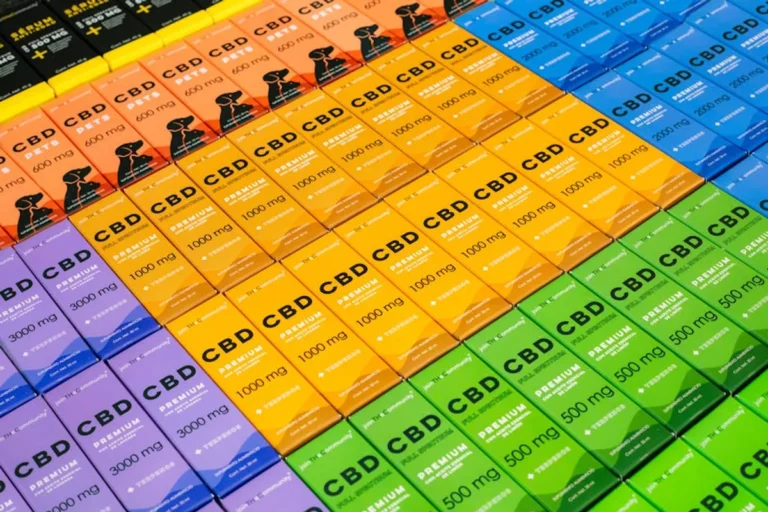
Always compare the milligram (mg) amount of CBD per serving, not just the total mg in the bottle. A 1000mg bottle might seem potent, but if it contains 60 servings, each serving is only about 16.6mg. A 500mg bottle with 15 servings yields about 33.3mg per serving, making it more potent per dose. This metric provides a true understanding of the cost-effectiveness and dosing consistency.
Look for: Clear labeling of mg CBD per serving on the product packaging.
Trace Cannabinoid Profiles
For full- and broad-spectrum products, analyze the presence and quantity of other minor cannabinoids like CBG (cannabigerol), CBN (cannabinol), and CBC (cannabichromene). These compounds contribute to the entourage effect and may offer specific benefits. A product with a richer profile of minor cannabinoids suggests a more comprehensive extract.
Contaminant Screening
Purity refers to the absence of undesirable substances. Hemp is a bioaccumulator, meaning it absorbs compounds from the soil it grows in. Therefore, testing for heavy metals (lead, mercury, cadmium), pesticides, herbicides, and mold is critical. Reputable brands will test for these and make the results public.
Ingredient Transparency and Third-Party Testing
Transparency is the cornerstone of trust in the hemp oil market. Brands should openly share information about their sourcing, manufacturing, and product testing.
Pro Tip: Always verify claims of "organic" or "non-GMO" with certifications, not just label statements. The most reliable indicator of product quality and safety is an accessible, up-to-date Certificate of Analysis (COA) from an independent, ISO 17025-accredited third-party laboratory.
A comprehensive COA should detail:
- Cannabinoid potency (CBD, THC, CBG, CBN, etc.)
- Terpene profile (for full- and broad-spectrum products)
- Absence of heavy metals
- Absence of pesticides and herbicides
- Absence of residual solvents (if applicable to extraction method)
- Absence of mold, mildew, and other microbial contaminants
Shoppers should be wary of brands that do not provide COAs or only offer outdated or incomplete reports. Scan the QR code on product packaging or check the brand's website for easy access to these documents.
Formulation and Delivery Methods
Hemp oil products come in various forms, each offering different absorption rates and convenience levels.
Tinctures and Oils
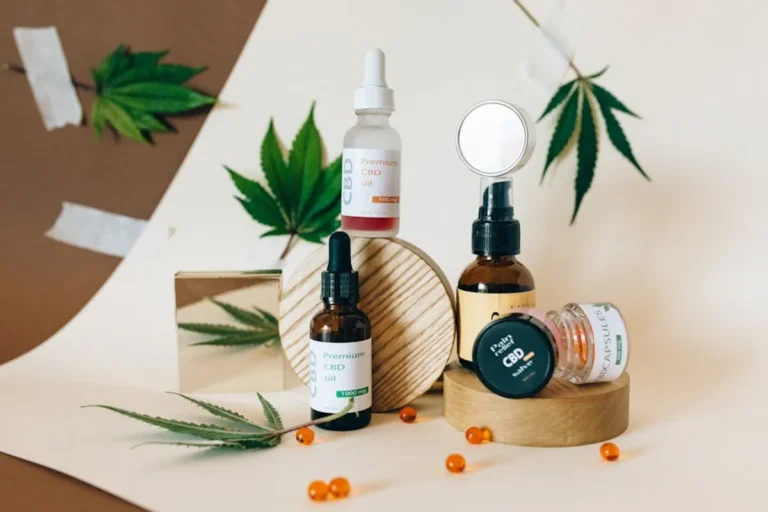
These are typically taken sublingually (under the tongue) for faster absorption into the bloodstream. They allow for flexible dosing, as the amount can be adjusted drop by drop.
Best for: Precise dosage control and relatively quick onset of effects.
Capsules and Softgels
Capsules offer a pre-measured dose, making them convenient and discreet. They are ingested orally and processed through the digestive system, leading to a slower onset but longer-lasting effects.
Best for: Consistent dosing, convenience, and those who dislike the taste of hemp oil.
Topicals and Balms
Applied directly to the skin, these products are designed for localized relief. They interact with cannabinoid receptors in the skin but generally do not enter the bloodstream in significant amounts.
Best for: Targeted relief of muscle soreness, joint discomfort, or skin conditions.
Cost-Effectiveness and Value
Price alone is not an accurate indicator of quality. Calculate the cost per milligram of CBD to compare products effectively. Divide the total product price by the total milligrams of CBD in the container. This metric reveals the true economic value.
Beyond the simple cost per mg, consider the overall value: Does the product offer a full-spectrum profile? Is it third-party tested for purity? Does the brand have a transparent supply chain? A slightly higher price for a product with verifiable quality and transparency often represents better long-term value and efficacy.
Making Your Informed Choice for Daily Wellness
Selecting the right hemp oil product for daily wellness requires careful consideration of several factors. Prioritize products that offer clear labeling, comprehensive third-party lab reports, and a transparent manufacturing process. By comparing hemp oil types, potency, purity, and delivery methods, shoppers can confidently choose a product that supports their specific wellness needs and provides verifiable quality. Using a simple buyer guide for hemp oil can help shoppers confidently choose a product.
Frequently Asked Questions
What is the primary difference between hemp oil and CBD oil?
Hemp oil is a broad term that can refer to hemp seed oil (which contains no cannabinoids) or hemp extract (which contains cannabinoids like CBD). CBD oil specifically refers to an extract from the hemp plant that contains cannabidiol (CBD), often diluted in a carrier oil.
How can I verify the quality of a hemp oil product?
Always look for a Certificate of Analysis (COA) from an independent, third-party lab. This document should confirm the cannabinoid content and test for contaminants like heavy metals, pesticides, and residual solvents.
Does hemp oil for daily wellness contain THC?
Full-spectrum hemp oil contains trace amounts of THC (below 0.3%), while broad-spectrum hemp oil has had the THC removed. Hemp seed oil contains no THC or other cannabinoids.
How do I determine the correct dosage for daily wellness?
Starting with a low dose and gradually increasing it until you achieve the desired effect is a common approach. Consulting with a healthcare professional is recommended, especially if you are taking other medications or have underlying health conditions.