Entering the CBD oil market can feel overwhelming due to the sheer volume of products and varying claims. For those new to CBD, distinguishing between high-quality, effective options and less reputable offerings is critical. This guide provides a clear framework for evaluating CBD oil products, focusing on verifiable attributes and transparent practices to help first-time buyers make informed decisions. This is crucial when choosing a high quality cbd product for your specific needs.
Understanding CBD Oil Fundamentals
CBD, or cannabidiol, is a compound extracted from the hemp plant. Unlike THC, CBD is non-intoxicating. The method of extraction and the final composition significantly impact the product's profile and potential effects. Understanding these basics is the first step in a discerning purchase.
Types of CBD Extracts
CBD oil products typically fall into one of three categories, defined by their cannabinoid and terpene content:
- Full-Spectrum CBD: Contains all naturally occurring compounds from the hemp plant, including other cannabinoids (like trace amounts of THC, within legal limits of 0.3% by dry weight), terpenes, and flavonoids. This composition is believed to create an "entourage effect," where compounds work synergistically.
- Broad-Spectrum CBD: Includes multiple cannabinoids and terpenes found in the hemp plant, but with the THC completely removed. This offers the potential for an entourage effect without any THC.
- CBD Isolate: Pure CBD, with all other plant compounds, including cannabinoids, terpenes, and flavonoids, removed. It's typically a white powder when raw, but dissolved into a carrier oil for tincture products.
Carrier Oils and Potency
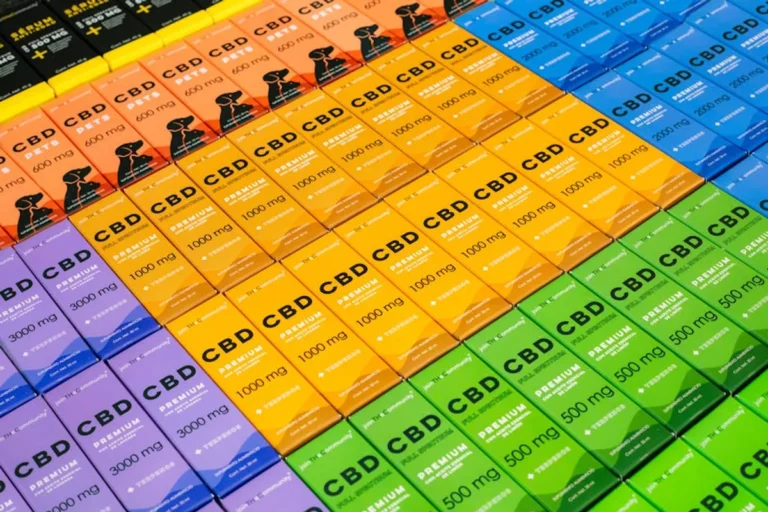
CBD extract is suspended in a carrier oil for consumption, most commonly MCT oil (derived from coconuts), but also hemp seed oil, olive oil, or grapeseed oil. The carrier oil affects absorption and flavor. Potency is measured in milligrams (mg) of CBD per bottle and per serving. A 1000mg bottle might contain 30 servings, meaning approximately 33mg of CBD per serving. Higher potency typically means more CBD per drop, allowing for smaller serving sizes. Be aware of labels and know how to spot the marketing hype in cbd oil products.
Key Factors for Evaluating CBD Oil Products
When selecting a CBD oil, several critical factors differentiate quality products from those that might be less effective or even unsafe. Focus on these verifiable characteristics:
Source of Hemp and Cultivation Practices
The quality of the final CBD oil begins with the hemp plant itself. Look for products derived from hemp grown in the United States, particularly states with established agricultural programs for hemp, such as Colorado, Kentucky, or Oregon. These states often have stricter regulations on cultivation. Prioritize brands that specify organic farming practices, avoiding pesticides, herbicides, and heavy metals, which can accumulate in the plant and transfer to the final product.
Extraction Methods
The method used to extract CBD from the hemp plant impacts purity and safety. CO2 extraction is widely considered the gold standard. This process uses pressurized carbon dioxide to pull CBD and other compounds from the plant material, resulting in a clean, solvent-free extract. Less desirable methods involve harsh chemical solvents like butane or propane, which can leave behind harmful residues.
Third-Party Lab Testing and Certificates of Analysis (COA)
This is arguably the most crucial factor for consumer confidence. Reputable CBD brands send every batch of their products to an independent, ISO-17025 accredited laboratory for testing. The results are published in a Certificate of Analysis (COA). A comprehensive COA confirms:
- Cannabinoid Profile and Potency: Verifies the amount of CBD, THC (ensuring it's below 0.3%), and other cannabinoids present.
- Purity: Tests for contaminants such as heavy metals, pesticides, residual solvents, and microbial impurities (mold, bacteria).
Always check that the COA matches the batch number on the product you are considering and that the test dates are recent. If a brand does not provide readily accessible, up-to-date COAs, it is a significant red flag.
Pro Tip: Always cross-reference the batch number on the product packaging with the batch number on the Certificate of Analysis (COA) provided by the brand. An outdated or mismatched COA means you cannot verify the contents of the specific product you hold.
Ingredients List and Additives
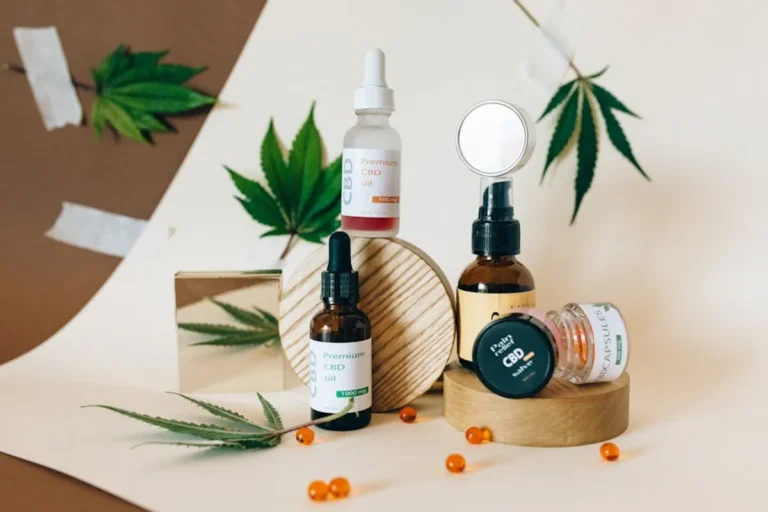
A high-quality CBD oil tincture should have a short, transparent ingredient list. Beyond the CBD extract and carrier oil, some products include natural flavorings (e.g., peppermint, citrus) or minor botanical additions. Be wary of products with artificial flavorings, synthetic additives, or unnecessary fillers. The simpler the ingredient list, the better, as it reduces the chance of unwanted reactions or undisclosed substances.
Brand Transparency and Customer Support
A trustworthy CBD brand will be transparent about its entire process, from seed to sale. This includes clear information on their website about sourcing, extraction, and testing. They should also offer responsive customer service to answer questions about their products, COAs, or usage. Look for brands with clear contact information and a commitment to educating their consumers.
Making an Informed CBD Oil Choice
When you're ready to make a purchase, synthesize these factors. Start with a lower potency product if you're unsure, and observe how your body responds. Prioritize brands that clearly display their COAs, detail their hemp sourcing, and use CO2 extraction. Reading independent customer reviews can offer insights into product effectiveness and brand reliability, but always verify claims against third-party lab results.
Frequently Asked Questions
What is the difference between CBD oil and hemp seed oil?
CBD oil is extracted from the flowers, leaves, and stalks of the hemp plant and contains cannabidiol. Hemp seed oil, on the other hand, is pressed from the seeds of the hemp plant and contains no CBD or other cannabinoids. Hemp seed oil is primarily used for its nutritional value as a food product, rich in omega fatty acids.
How do I determine the correct CBD oil potency for a beginner?
Beginners should start with a low-potency CBD oil, typically around 10-20mg of CBD per serving. It is always recommended to "start low and go slow," gradually increasing the serving size until the desired effect is achieved. Consult the product's specific dosing instructions and consider your individual body weight and sensitivity.
Is CBD oil legal?
In the United States, CBD products derived from hemp containing less than 0.3% THC by dry weight are federally legal under the 2018 Farm Bill. However, state laws can vary, so it's advisable to check local regulations. Internationally, legality varies widely by country.
How should I store CBD oil?
CBD oil should be stored in a cool, dark place, away from direct sunlight and excessive heat. This helps preserve the integrity of the cannabinoids and other compounds, preventing degradation. Many people store their CBD oil in a pantry or cupboard, or even the refrigerator.