Determining the optimal dosage for hemp oil is a nuanced process, often leading to confusion for new and experienced users alike. Unlike conventional medications with standardized dosing, hemp oil’s efficacy and appropriate intake are highly individual-dependent. The prevailing misconception that a single dosage recommendation applies universally overlooks critical biological and product-specific variables. A truly effective approach necessitates understanding these factors to establish a personalized regimen, moving beyond generic advice to achieve desired outcomes efficiently.
Understanding the Variables Affecting Hemp Oil Dosage
The notion of a universal hemp oil dose is impractical because numerous factors influence how the body processes and responds to cannabinoids. Recognizing these variables is fundamental to establishing a safe and effective personal dosage.
Individual Body Chemistry and Metabolism
Each person's endocannabinoid system (ECS) is unique, influencing how cannabinoids interact with the body. Genetic predispositions, enzyme activity, and the density of cannabinoid receptors (CB1 and CB2) vary significantly between individuals. This means two people of similar weight and condition might require vastly different doses to experience comparable effects. For instance, individuals with faster metabolisms may process cannabinoids more quickly, potentially necessitating higher or more frequent doses to maintain consistent levels in the bloodstream. Conversely, those with slower metabolic rates might find lower doses more effective for longer durations.
Weight and Body Mass
Body weight and composition play a role in how substances are distributed and metabolized. Generally, individuals with higher body mass may require a larger dose to achieve the same effect as someone with a lower body mass, simply because there is more tissue for the compounds to diffuse through and interact with. However, this is not a rigid rule, as body chemistry often overrides simple weight-based calculations.
Severity of Condition and Desired Outcome
The reason for using hemp oil significantly impacts dosage. Someone seeking mild stress relief might find a low dose sufficient, while an individual addressing chronic discomfort or more pronounced issues may require a substantially higher intake. The desired outcome—whether it's subtle mood modulation, improved sleep quality, or targeted relief—directly dictates the necessary concentration of active compounds to engage the ECS effectively.
Product Concentration and Potency
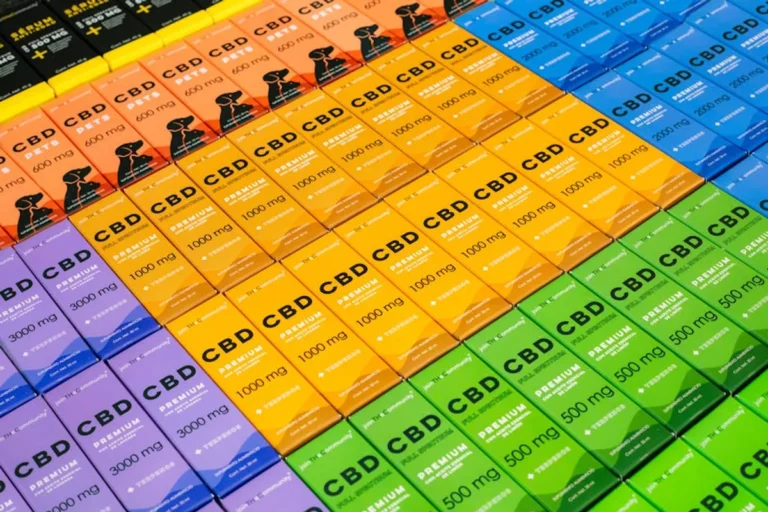
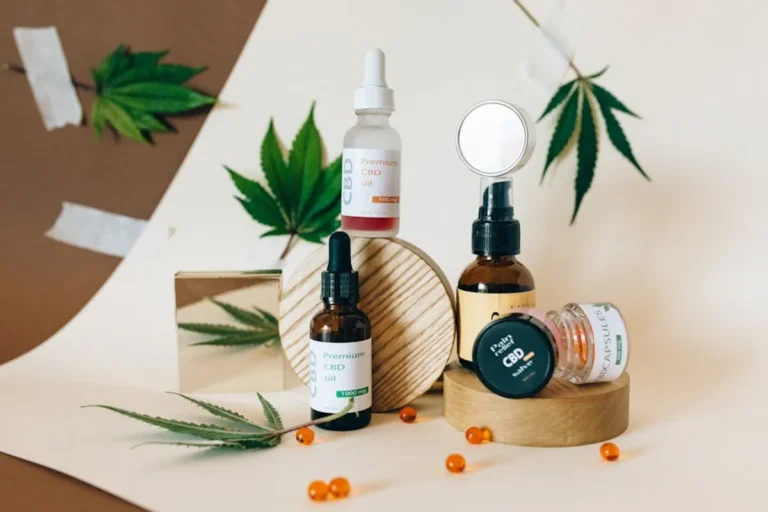
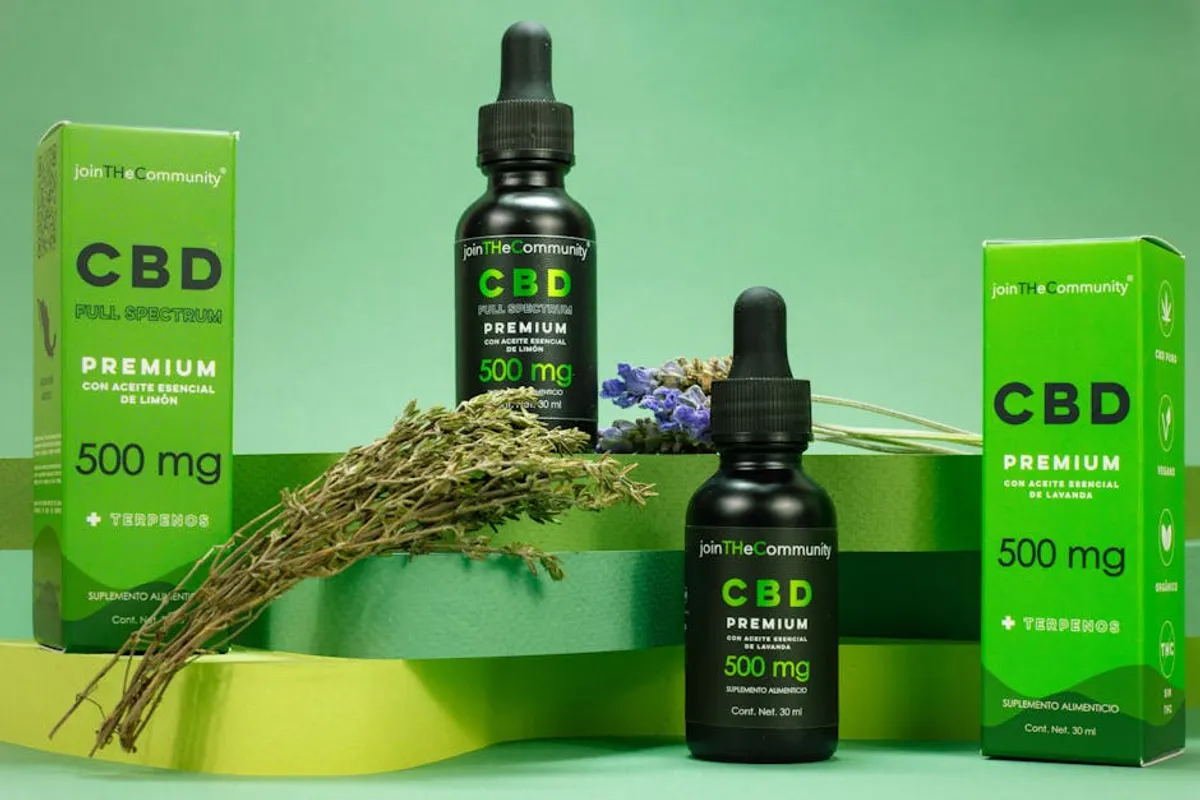
Hemp oil products vary widely in their cannabinoid concentration, typically measured in milligrams (mg) per bottle or per serving. A 1000mg bottle of hemp oil in a 30ml volume is significantly more potent per milliliter than a 500mg bottle of the same size. Understanding the total cannabinoid content and how it translates to a single serving (e.g., one dropperful) is crucial for accurate dosing. Without this clarity, a user might inadvertently take a much higher or lower dose than intended, leading to inconsistent results. Understanding hemp oil for beginners is key to making an informed purchase decision.
Method of Consumption
The way hemp oil is consumed affects its bioavailability—the rate and extent to which the active compounds are absorbed into the bloodstream.
- Sublingual (under the tongue): Offers relatively fast absorption as cannabinoids bypass the digestive system and liver metabolism, entering the bloodstream directly through mucous membranes. Effects are typically felt within 15-30 minutes.
- Ingestible (capsules, edibles): Slower onset (30-90 minutes) because cannabinoids must pass through the digestive tract and liver, where some are broken down. This results in lower bioavailability but often longer-lasting effects.
- Topical (creams, balms): Applied to the skin for localized effects, cannabinoids generally do not enter the bloodstream in significant amounts. Dosage here is less about systemic intake and more about targeted application to the affected area.
The chosen method dictates not only the onset time but also the quantity of cannabinoids that ultimately reach the ECS, influencing the effective dose.
Starting Low and Going Slow: The Titration Method
Given the variability in individual response, the most reliable approach to finding an effective hemp oil dosage is through titration—a systematic process of starting with a minimal dose and gradually increasing it while monitoring effects. This method minimizes the risk of adverse reactions and helps pinpoint the lowest effective dose.
Steps for Titration:
- Begin with a conservative dose: Start with the lowest recommended dose by the product manufacturer, or typically 5-10mg of total cannabinoids, once or twice daily.
- Maintain consistency: Use this initial dose consistently for 3-7 days to allow your body to adapt and for you to observe any subtle effects.
- Evaluate and adjust: After the initial period, assess your symptoms and desired outcomes. If the effects are insufficient, increase the dose by a small increment (e.g., 5mg).
- Repeat the cycle: Continue to maintain the new dose for several days before re-evaluating and adjusting again. This iterative process helps identify the sweet spot.
- Note changes: Pay attention to both positive changes and any potential side effects.
Pro Tip: Consistency is Key
For accurate dosage assessment, maintain a consistent product, brand, and method of consumption during the titration phase. Switching products or methods frequently will obscure which changes are attributable to dosage adjustments versus product variations.
Deciphering Product Labels and COAs
Reliable hemp oil products provide clear labeling and readily accessible Certificates of Analysis (COAs). The label should specify the total cannabinoid content in milligrams, the volume of the bottle, and the serving size. A COA, typically from an independent third-party lab, offers a detailed breakdown of the product's cannabinoid profile (e.g., CBD, CBG, CBN, THC levels), confirming its potency and verifying the absence of contaminants like pesticides, heavy metals, and residual solvents. This transparency is crucial for ensuring product quality and accurately calculating dosage based on verified cannabinoid content. Before purchasing, consider common questions worth asking before you buy to ensure product quality.
Common Dosage Guidelines (and Their Limitations)
While "one size does not fit all," general guidelines can serve as a starting point, but they must be approached with caution and tailored through individual experimentation. For instance, many sources suggest 1-6mg of cannabinoids per 10 pounds of body weight. This provides a broad range, yet it fails to account for individual sensitivity, the specific condition being addressed, or the product's full spectrum of compounds. These guidelines are best used as initial reference points, not definitive prescriptions, underscoring the importance of personalized titration.
Tracking Your Experience for Optimal Results
Maintaining a detailed dosage journal is invaluable for personalizing hemp oil intake. Record the date, time, dose (in mg), method of consumption, and any observed effects, both positive and negative. Note improvements in symptoms, changes in mood, sleep patterns, or any discomfort. This data creates a clear record of your body's response to different doses, allowing for informed adjustments and efficient identification of your optimal therapeutic window.
Navigating Dosage Adjustments and Plateaus
As the body adapts, some individuals may experience a plateau where the initial benefits seem to diminish, or they may find their needs change over time. When this occurs, it may be appropriate to adjust the dosage. This could involve slightly increasing the dose, dividing the daily dose into multiple smaller servings, or even taking a short "tolerance break" to reset the body's sensitivity. Always make adjustments incrementally and continue to monitor your response, documenting changes in your journal.
Practical Considerations for Personalized Dosing
Ultimately, effective hemp oil dosing is a highly personalized journey. It demands patience, careful observation, and a systematic approach. The goal is not simply to take a certain amount, but to find the precise quantity that delivers the desired therapeutic effects with minimal side effects. By understanding the variables at play, utilizing the titration method, verifying product quality, and meticulously tracking your experience, you can navigate the complexities of hemp oil dosage to optimize its benefits for your unique needs.
Frequently Asked Questions
How long does it take to find the right hemp oil dosage?
Finding an optimal dosage can take anywhere from a few days to several weeks, depending on individual response and the consistency of the titration process. Patience and diligent tracking are essential.
Can I take too much hemp oil?
While hemp oil is generally well-tolerated, very high doses can lead to mild side effects such as drowsiness, dry mouth, or digestive upset. The titration method helps avoid excessive intake by identifying the lowest effective dose.
Should I consult a healthcare professional before starting hemp oil?
Yes, especially if you are taking other medications or have underlying health conditions. A healthcare professional can provide guidance on potential interactions and appropriate starting points for your specific situation.
Does hemp oil dosage change over time?
It can. Factors like changes in body weight, severity of symptoms, or developing a slight tolerance might necessitate dosage adjustments. Regular re-evaluation and tracking help maintain efficacy.