Navigating the market for hemp oil requires distinguishing verifiable product information from widespread misconceptions. Buyers often encounter conflicting claims, making informed decisions difficult. Understanding the facts behind common hemp oil myths is crucial for selecting products that align with specific needs and expectations. This clarity helps consumers avoid ineffective purchases and ensures they are investing in legitimate, quality offerings. Understanding these common questions worth asking before you buy helps consumers make better choices.
Addressing Pervasive Misconceptions
Myth 1: Hemp Oil Contains THC and Causes a High
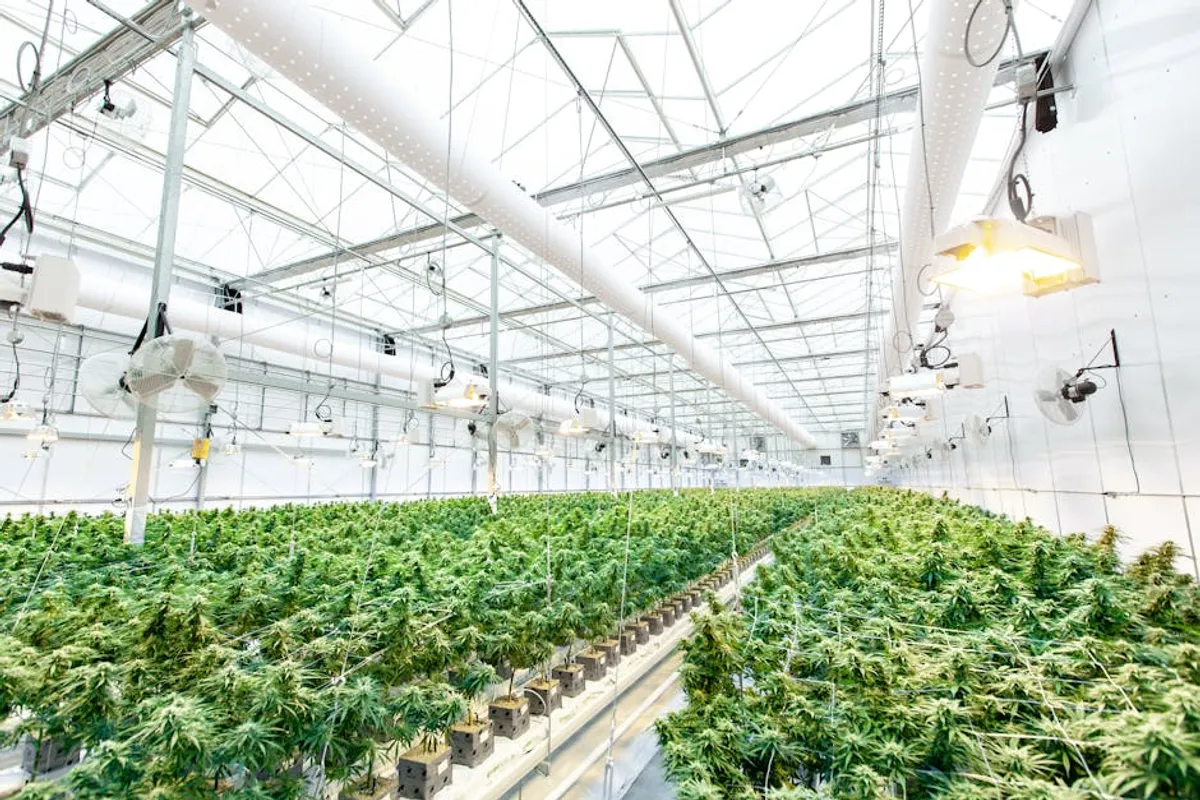
One of the most persistent myths is that hemp oil, like marijuana, is psychoactive due to its tetrahydrocannabinol (THC) content. This stems from a misunderstanding of the cannabis plant family. Hemp, by federal definition, contains no more than 0.3% Delta-9 THC on a dry weight basis. This trace amount is insufficient to produce intoxicating effects. Legitimate hemp oil products, particularly those labeled as "hemp extract" or "CBD oil," are derived from industrial hemp strains specifically cultivated for low THC levels and high cannabinoid content. Hemp seed oil, extracted solely from the seeds, contains negligible to zero cannabinoids, including THC.
Myth 2: All Hemp Oils Are the Same as CBD Oil
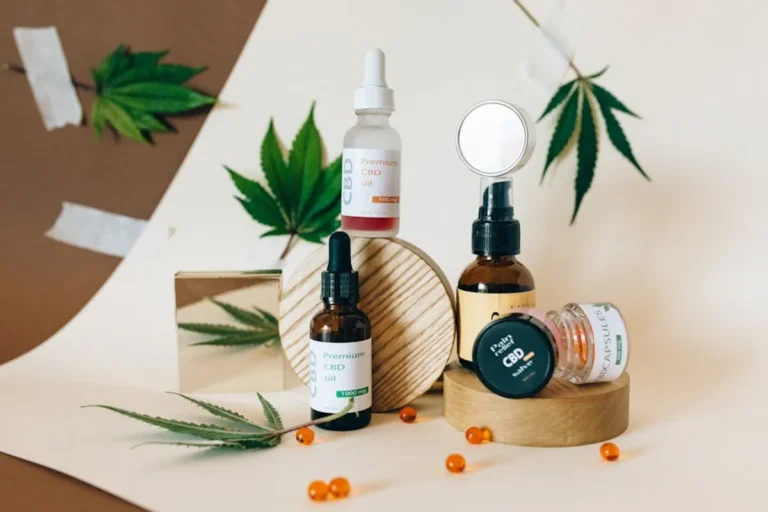
The terms "hemp oil" and "CBD oil" are often used interchangeably, leading to significant confusion. However, they refer to distinct products with different compositions and applications. Hemp seed oil is pressed from the seeds of the hemp plant. It is rich in omega-3 and omega-6 fatty acids, vitamins, and minerals, making it a nutritional supplement or a cooking ingredient. It contains no significant cannabinoids. CBD oil, conversely, is an extract from the flowers, leaves, and stalks of the hemp plant, where cannabinoids like cannabidiol (CBD), terpenes, and flavonoids are concentrated. This distinction is critical for buyers seeking the specific properties associated with cannabinoids versus those seeking nutritional benefits.
Myth 3: Hemp Oil is a Cure-All for Every Ailment
The marketing surrounding hemp oil, particularly CBD-rich extracts, sometimes overstates its potential. While research continues to explore the plant's compounds for various applications, it is not a universal panacea. Buyers should approach claims of "curing" or "treating" a wide array of conditions with skepticism. Hemp oil products are typically marketed as dietary supplements intended to support general well-being, balance, or specific bodily functions. They are not regulated as pharmaceutical drugs and should not be presented as such. Consumers seeking solutions for medical conditions should consult healthcare professionals and rely on evidence-based treatments. Buyers should know how to spot the marketing hype surrounding hemp oil products.
Myth 4: Higher Price Always Means Better Quality
The cost of hemp oil products varies widely, and a higher price point does not automatically guarantee superior quality or efficacy. Several factors influence pricing, including the hemp source, extraction methods (e.g., CO2 extraction is more expensive but yields purer extracts), third-party testing, and concentration of active compounds. Some brands may charge a premium for marketing or brand recognition rather than for inherently better product attributes. Discerning buyers focus on transparency, verifiable lab results (Certificates of Analysis, or COAs), and clear labeling regarding cannabinoid content and ingredients, rather than solely on price.
Myth 5: You Can't Fail a Drug Test After Using Hemp Oil
While legally compliant hemp oil products contain minimal THC, typically below the 0.3% threshold, the possibility of failing a drug test exists, particularly with full-spectrum products. THC can accumulate in the body over time, and even trace amounts might register on sensitive drug screenings. Broad-spectrum hemp extracts, which undergo an additional process to remove detectable THC, or CBD isolates, which are pure CBD, offer alternatives for individuals concerned about drug testing. Buyers subject to employment or other drug screenings should exercise caution and consider products with guaranteed non-detectable THC levels, verified by third-party lab reports.
Pro Tip: Always prioritize products accompanied by a publicly available Certificate of Analysis (COA) from an independent, third-party laboratory. This document verifies cannabinoid content, confirms the absence of heavy metals, pesticides, and microbial contaminants, and validates THC levels, providing crucial transparency for buyer confidence.
Making an informed purchase requires more than just avoiding common myths; it demands active scrutiny of product details and brand practices. Here are key considerations for buyers:
- Review Third-Party Lab Reports (COAs): Confirm cannabinoid potency and purity.
- Understand Product Labels: Differentiate between "hemp seed oil" and "hemp extract" or "CBD oil."
- Investigate Sourcing: Opt for brands that specify their hemp source, ideally from regulated agricultural practices.
- Examine Extraction Methods: CO2 extraction is generally preferred for its cleanliness and efficiency.
- Assess Brand Reputation: Look for consistent positive feedback and transparent communication.
- Consult Professionals: For specific health concerns or interactions with medications, consult a healthcare provider.
Navigating the Market with Confidence
The hemp oil market is dynamic, characterized by innovation alongside persistent misinformation. For buyers, the path to a satisfactory purchase involves education and critical evaluation. By understanding the distinctions between product types, scrutinizing marketing claims, and prioritizing transparency through third-party verification, consumers can confidently select hemp oil products that genuinely meet their expectations. Empowered with accurate information, buyers move beyond myths to make choices grounded in fact and verifiable quality, ensuring their investment is well-placed.
Frequently Asked Questions
Is hemp oil legal everywhere?
In the United States, hemp-derived products containing less than 0.3% Delta-9 THC are federally legal under the 2018 Farm Bill. However, state laws can vary, so it is advisable to check local regulations before purchasing or traveling with hemp oil.
How can I tell the difference between hemp seed oil and CBD oil?
Hemp seed oil is typically labeled as "hemp seed oil" or "cannabis sativa seed oil" and lists fatty acids as primary components. CBD oil, or hemp extract, will specify "CBD," "cannabidiol," or "hemp extract" and usually indicates the total CBD content in milligrams.
What should I look for on a product label?
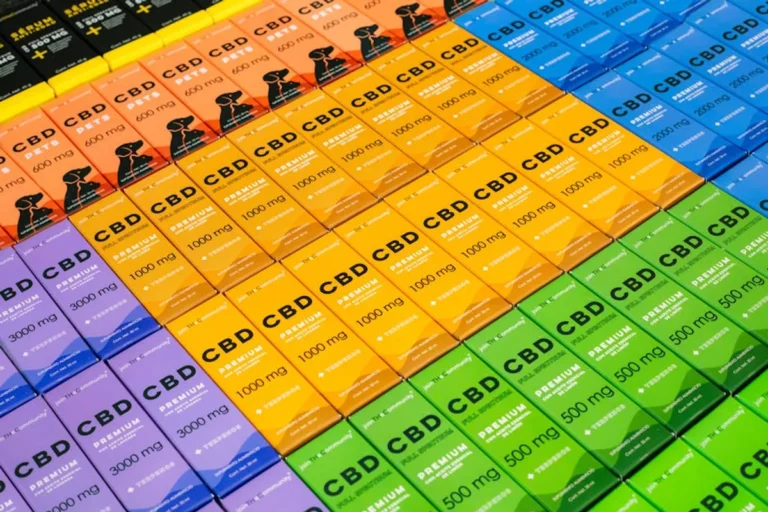
Key information includes the total CBD/cannabinoid content, net weight, ingredients list, suggested serving size, batch number, and a QR code or link to third-party lab results (COA).
Can children or pets use hemp oil?
While some products are formulated for children or pets, it is crucial to consult a pediatrician or veterinarian before administering any hemp oil product to ensure safety, appropriate dosage, and to avoid potential interactions with other medications or health conditions.