
Navigating the market for full-spectrum CBD can be complex for newcomers. This guide simplifies the process, focusing on the critical factors that differentiate high-quality products and ensure an informed purchase. Understanding these distinctions is essential, as full-spectrum CBD offers a unique profile of compounds from the hemp plant, including a range of cannabinoids, terpenes, and flavonoids, alongside trace amounts of tetrahydrocannabinol (THC) — always below the federal limit of 0.3%. This specific composition is distinct from broad-spectrum CBD, which removes THC, and CBD isolate, which contains only CBD. The presence of multiple compounds in full-spectrum products is often associated with the "entourage effect," a theory suggesting that these compounds work synergistically to enhance therapeutic benefits. Considering these factors raises common questions worth asking before you buy a full-spectrum CBD product.
Understanding Full-Spectrum CBD's Composition
Full-spectrum CBD is derived directly from the hemp plant, meaning it retains the complete phytochemical profile present in the original plant material. This includes not only cannabidiol (CBD) but also minor cannabinoids like CBG, CBN, and CBC, alongside a rich array of terpenes and flavonoids. Terpenes are aromatic compounds responsible for the plant's scent and flavor, while flavonoids are plant pigments with their own beneficial properties. The crucial differentiator is the inclusion of up to 0.3% THC by dry weight. While this concentration is insufficient to induce psychoactive effects, its presence is considered vital for the entourage effect, where the combined action of all compounds is thought to be more effective than CBD alone.
Distinguishing Full-Spectrum from Other CBD Types
To make an informed choice, it's important to understand how full-spectrum compares to its counterparts:
- Broad-Spectrum CBD: Undergoes an additional processing step to remove all detectable traces of THC, while still preserving other cannabinoids, terpenes, and flavonoids. This is often chosen by individuals who want the benefits of the entourage effect without any THC.
- CBD Isolate: This is the purest form of CBD, containing 99% or more cannabidiol and no other plant compounds. It is typically odorless and tasteless, making it versatile for various applications. However, it does not offer the entourage effect due to the absence of other compounds.
For beginners, full-spectrum CBD offers the most comprehensive plant profile, making it a common starting point for those seeking the full potential benefits of hemp-derived compounds.
Key Factors for Evaluating Full-Spectrum CBD Products
When selecting a full-spectrum CBD product, several critical factors dictate quality, safety, and efficacy. Prioritizing these ensures you invest in a product that delivers on its promises.
Hemp Sourcing and Cultivation Practices
The origin of the hemp plant directly impacts the final product's quality. Look for products derived from hemp grown in the United States, particularly states with stringent agricultural regulations for hemp cultivation. This typically means the hemp is grown without harmful pesticides, herbicides, or synthetic fertilizers. Organic certification is a strong indicator of responsible farming practices, minimizing exposure to undesirable chemicals.
Extraction Methods
The method used to extract CBD and other compounds from the hemp plant significantly affects the purity and integrity of the final oil. The most reputable and widely used methods include:
- CO2 Extraction: This process uses pressurized carbon dioxide to pull cannabinoids, terpenes, and other beneficial compounds from the plant material. It is considered the "gold standard" due to its ability to yield a clean, potent, and solvent-free extract.
- Ethanol Extraction: While effective, this method uses alcohol as a solvent. If not properly processed, residual solvents can remain in the final product. Reputable manufacturers ensure thorough purification to remove these.
Avoid products extracted using harsh chemical solvents like butane or propane, as these can leave harmful residues.
Third-Party Lab Testing (Certificates of Analysis)
This is arguably the most critical factor. Independent third-party lab testing verifies the product's cannabinoid content, confirms THC levels are below 0.3%, and screens for contaminants. A Certificate of Analysis (COA) should be readily available for every product batch, either on the product page or via a QR code on the packaging. When reviewing a COA, verify:
- Cannabinoid Profile: Ensures the advertised CBD content is accurate and confirms the presence of other minor cannabinoids and terpenes typical of full-spectrum products.
- THC Content: Confirms THC levels are below the legal limit of 0.3%.
- Purity Screen: Checks for heavy metals, pesticides, residual solvents, and microbial contaminants (mold, bacteria).
Absence of a COA or an outdated one is a red flag. Always cross-reference the batch number on the product with the COA.
Pro Tip: Always verify a product's Certificate of Analysis (COA) directly from the manufacturer's website by matching the batch number on the product packaging. A legitimate COA provides transparency on cannabinoid potency and confirms the absence of harmful contaminants, offering a crucial layer of trust and safety.
Potency and Dosage
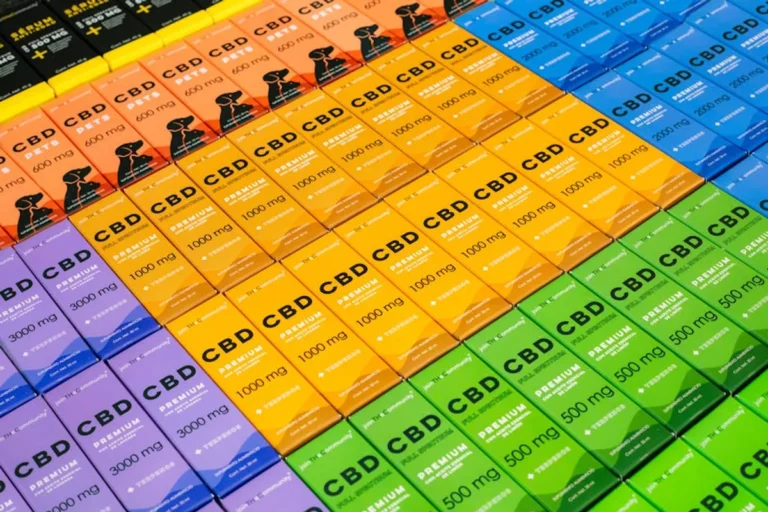
CBD potency is typically measured in milligrams (mg) per bottle for tinctures or per serving for edibles and capsules. For beginners, starting with a lower potency product (e.g., 500-1000mg per 30ml bottle) allows for gradual titration. The general recommendation is to "start low and go slow," meaning begin with a minimal dose and gradually increase it until desired effects are achieved. Keep a journal to track your dosage and observed effects.
Product Formulations and Ingredients
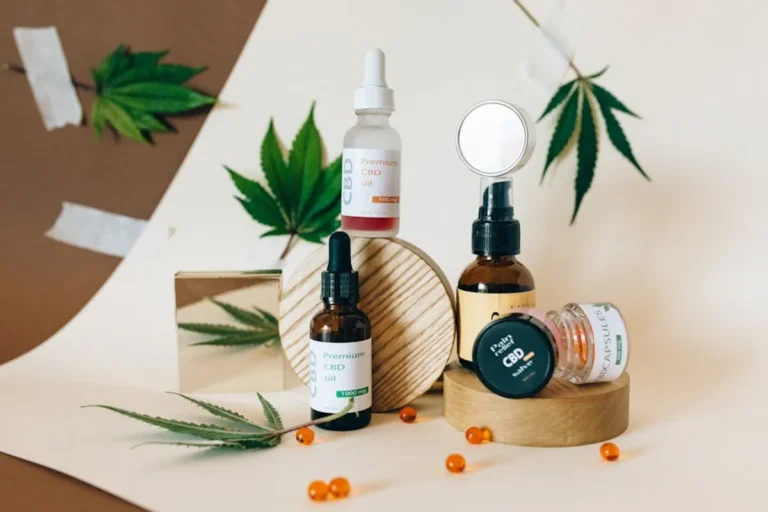
Full-spectrum CBD is available in various forms, each with different absorption rates and user experiences:
- Oils/Tinctures: Administered sublingually (under the tongue) for relatively fast absorption. Often mixed with carrier oils like MCT oil (coconut-derived) or hemp seed oil, which aid in bioavailability.
Best for: Precise dosing control, faster onset of effects.
- Capsules/Softgels: Provide a pre-measured dose, offering convenience and discretion. Absorbed through the digestive system, leading to a slower onset but longer-lasting effects.
Best for: Consistent dosing, convenience, no taste.
- Edibles (Gummies, Chocolates): Offer a palatable way to consume CBD. Like capsules, they are digested, resulting in delayed but prolonged effects.
Best for: Enjoyable consumption, consistent dosing, taste masking.
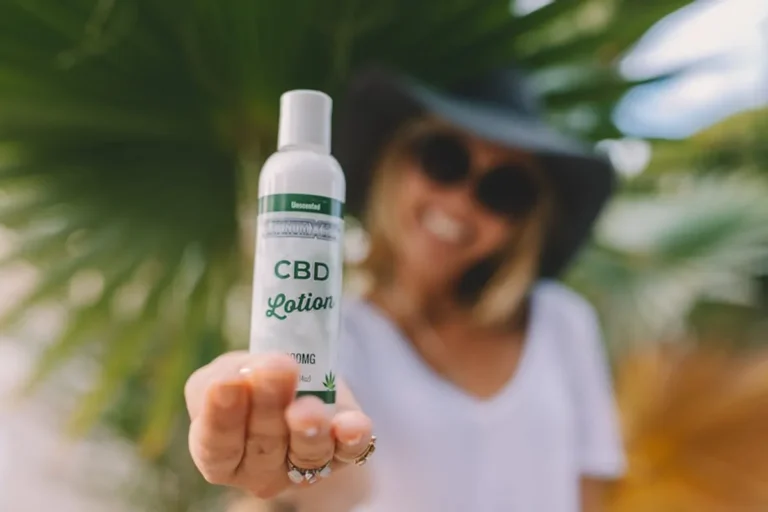
- Topicals (Creams, Balms): Applied directly to the skin for localized effects. CBD does not enter the bloodstream significantly through topical application.
Best for: Targeted relief for muscles and joints.
Examine the full ingredient list to avoid artificial additives, excessive sugars, or allergens. Simpler formulations are often better.
Making Your First Full-Spectrum CBD Purchase
With an understanding of the key evaluation criteria, your first purchase can be a confident one. Begin by identifying reputable brands that transparently provide third-party lab results. Focus on products with clear labeling regarding potency and ingredients. For initial use, a tincture allows for flexible dosing adjustments as you determine your optimal intake. Remember that individual responses to CBD vary, so patience and consistent observation are crucial.
Frequently Asked Questions
What is the "entourage effect"?
The entourage effect is a proposed mechanism where the various compounds in the hemp plant—cannabinoids, terpenes, and flavonoids—work together synergistically to enhance the overall therapeutic benefits, potentially making them more effective than CBD used in isolation.
Will full-spectrum CBD make me high?
No, full-spectrum CBD products contain less than 0.3% THC, which is not enough to produce psychoactive effects or a "high." This trace amount is federally legal and primarily contributes to the entourage effect.
How long does full-spectrum CBD take to work?
The onset time varies depending on the product type and individual metabolism. Sublingual tinctures typically take 15-45 minutes, while edibles and capsules can take 1-2 hours as they must pass through the digestive system. Topical products provide localized effects without entering the bloodstream significantly.
Is full-spectrum CBD legal?
Yes, full-spectrum CBD derived from hemp containing less than 0.3% THC is federally legal in the United States under the 2018 Farm Bill. However, state laws can vary, so it is always advisable to check local regulations.