The pursuit of restful sleep is a significant concern for many, driving interest in various remedies, including cannabidiol (CBD). As a non-intoxicating compound derived from the cannabis plant, CBD has gained attention for its potential to influence the body's endocannabinoid system, which plays a role in regulating sleep, mood, and pain. For individuals exploring CBD as an option for sleep support, understanding its reported benefits, potential risks, and the critical factors for informed use is essential for making a responsible decision.
Potential Benefits of CBD for Sleep
Research into CBD’s direct impact on sleep is ongoing, but current understanding suggests several mechanisms through which it may contribute to improved sleep quality. CBD is not typically considered a sedative; rather, its influence often stems from addressing underlying issues that disrupt sleep, such as anxiety, pain, and inflammation. By modulating these factors, CBD may create a more conducive environment for natural sleep processes.
Modulating the Endocannabinoid System (ECS)
The ECS is a complex cell-signaling system that helps maintain homeostasis in the body. CBD interacts indirectly with cannabinoid receptors (CB1 and CB2) and other non-cannabinoid receptors, including serotonin receptors. By influencing the ECS, CBD may help regulate various physiological functions that impact sleep, such as mood stability, stress response, and pain perception. This modulation could lead to a calmer state, making it easier to fall asleep and stay asleep.
Addressing Anxiety and Stress
One of the most frequently cited reasons for sleep disturbances is anxiety. Clinical and preclinical studies suggest CBD may have anxiolytic properties, meaning it could reduce feelings of anxiety. By interacting with serotonin receptors, CBD may help regulate mood and reduce the physiological symptoms of stress, such as a racing heart or restless thoughts. This calming effect can be beneficial for individuals whose sleep is consistently disrupted by anxious thoughts or general stress.
Pain and Inflammation Management
Chronic pain is a significant barrier to quality sleep for many. CBD possesses anti-inflammatory and analgesic (pain-relieving) properties that could alleviate discomfort. By reducing inflammation and pain signals, CBD may help individuals find a more comfortable position for sleep and experience fewer nocturnal awakenings due to physical discomfort. This indirect pathway to improved sleep is particularly relevant for those suffering from conditions like arthritis, neuropathic pain, or muscle soreness.
Risks and Considerations for CBD Use
While CBD is generally considered well-tolerated, it is not without potential risks and considerations. Users must approach CBD with caution, understanding that individual responses can vary significantly. The lack of comprehensive regulation in the CBD market also necessitates careful product selection.
Potential Side Effects
Commonly reported side effects of CBD are generally mild and may include:
- Drowsiness or sedation, especially at higher doses
- Dry mouth
- Diarrhea
- Reduced appetite
- Changes in liver enzyme levels (indicating potential for drug interactions)
These effects are often dose-dependent and can be mitigated by starting with a low dose and gradually increasing it while monitoring the body's response.
Drug Interactions
CBD can interact with certain medications, particularly those metabolized by cytochrome P450 (CYP450) enzymes in the liver. This includes common prescription drugs such as blood thinners (e.g., warfarin), antidepressants, anti-seizure medications, and some immunosuppressants. CBD can inhibit these enzymes, potentially increasing the concentration of other drugs in the body and leading to heightened side effects or reduced efficacy. Consulting a healthcare professional before combining CBD with any prescription medication is critical.
Product Quality and Regulation
The CBD market is largely unregulated, leading to significant variability in product quality, potency, and purity. Many products have been found to contain less CBD than advertised, more THC than legally allowed, or contaminants like pesticides, heavy metals, and residual solvents. This lack of standardization poses a risk to consumers who may not receive the intended therapeutic effects or could be exposed to harmful substances.
Pro Tip: Always prioritize CBD products that provide easily accessible, third-party lab test results (Certificates of Analysis, or COAs). A COA should confirm the CBD and THC content, and verify the absence of contaminants like pesticides, heavy metals, and molds. This is your primary tool for ensuring product safety and accuracy.
Key Information Before Using CBD for Sleep
Making an informed decision about using CBD for sleep involves several practical steps beyond understanding the basic benefits and risks. These considerations help ensure a safer and potentially more effective experience.
Consult a Healthcare Professional
Before incorporating CBD into a sleep regimen, it is highly advisable to discuss it with a doctor, especially if you have pre-existing medical conditions, are taking other medications, or are pregnant or breastfeeding. A healthcare provider can offer personalized advice, help assess potential drug interactions, and guide appropriate dosing based on your health profile.
Understanding Product Types
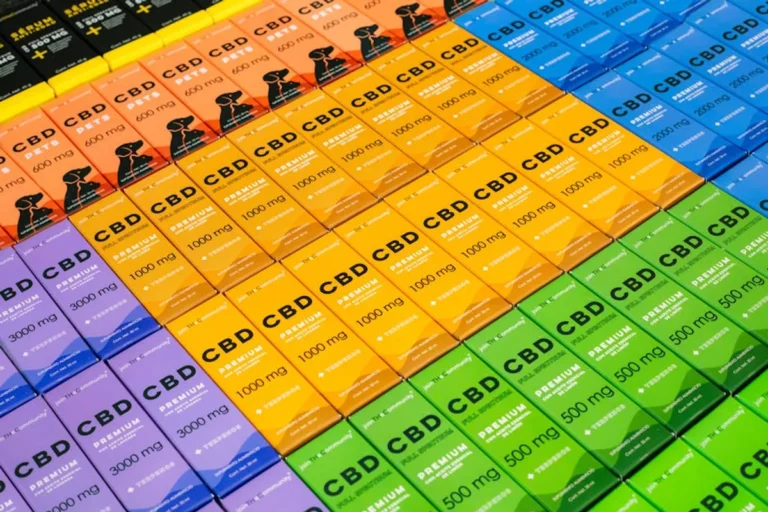
CBD products come in three main forms, each with distinct characteristics:
- Full-spectrum CBD: Contains all compounds found naturally in the cannabis plant, including other cannabinoids (like trace amounts of THC, typically below 0.3%), terpenes, and flavonoids. The "entourage effect" theory suggests these compounds work synergistically to enhance therapeutic benefits.
- Broad-spectrum CBD: Contains multiple cannabinoids, terpenes, and flavonoids, but with all detectable THC removed. This offers some benefits of the entourage effect without the concern of THC.
- CBD isolate: Pure CBD, with all other plant compounds removed. It has no THC and is suitable for individuals who want to avoid any other cannabinoids.
For sleep, some users report better results with full-spectrum or broad-spectrum products due to the potential entourage effect, but individual responses vary.
Dosage and Administration
There is no universally recommended CBD dosage for sleep, as individual responses depend on factors like body weight, metabolism, the severity of sleep issues, and product potency. A common recommendation is to "start low and go slow," beginning with a small dose (e.g., 10-20 mg) and gradually increasing it over several days or weeks until the desired effects are achieved. It's important to be patient and consistent, as CBD's effects may not be immediate. Common administration methods for sleep include sublingual oils/tinctures (for quicker onset), capsules, and edibles (for longer-lasting effects).
Managing Expectations
CBD is not a magic bullet for sleep disorders. It may help improve sleep by addressing underlying causes, but it is not a direct sedative like some pharmaceutical sleep aids. Its effects are often subtle and can take time to become noticeable. Combining CBD use with good sleep hygiene practices—such as maintaining a consistent sleep schedule, creating a dark and quiet sleep environment, and avoiding caffeine before bed—is crucial for maximizing any potential benefits.
Navigating CBD for Better Sleep
For those considering CBD to support their sleep, a methodical approach is key. Begin by assessing your specific sleep challenges and discussing these with a healthcare professional to ensure CBD is a suitable option given your health status and medications. When selecting a product, prioritize transparency: only choose brands that provide comprehensive third-party lab testing results for every batch, confirming cannabinoid content and purity. Start with the lowest effective dose and track your response, noting any improvements in sleep onset, duration, or quality, as well as any side effects. Remember that CBD functions best as part of a holistic approach to sleep, complementing established sleep hygiene practices rather than replacing them.
Frequently Asked Questions About CBD and Sleep
Is CBD legal?
In the United States, CBD derived from hemp (containing less than 0.3% THC) is federally legal. However, state laws vary, and it's essential to check local regulations. CBD derived from marijuana (with higher THC content) remains federally illegal but may be legal in certain states.
How long does it take for CBD to work for sleep?
The onset of CBD's effects varies depending on the administration method. Sublingual tinctures or oils may take 15-45 minutes to produce effects. Edibles and capsules can take 1-2 hours as they must pass through the digestive system. Consistent use over several days or weeks may be necessary to observe full benefits.
What's the best type of CBD for sleep?
There isn't a single "best" type, as individual responses differ. Many users find full-spectrum or broad-spectrum CBD products more effective for sleep due to the potential "entourage effect" from the presence of multiple cannabinoids and terpenes. However, CBD isolate is preferred by those who wish to avoid any trace of THC.
Can I take CBD with other sleep aids?
It is crucial to consult a healthcare professional before combining CBD with other sleep aids, including over-the-counter supplements like melatonin or prescription medications. CBD can interact with certain drugs, potentially altering their effects or increasing the risk of side effects like excessive drowsiness.