Navigating the CBD market for recovery can feel complex, especially for beginners. The goal is to identify a product that aligns with individual needs, focusing on efficacy, safety, and transparency. This guide simplifies the decision-making process by outlining essential considerations, from understanding CBD types to evaluating product quality, ensuring a confident first purchase for recovery applications.
Understanding CBD for Recovery
What is CBD and How Does it Interact with the Body?
Cannabidiol (CBD) is a non-intoxicating compound derived from the cannabis plant. Unlike tetrahydrocannabinol (THC), CBD does not produce a psychoactive "high." Its interaction within the body primarily involves the endocannabinoid system (ECS), a complex network of receptors and neurotransmitters that helps regulate various physiological processes, including pain sensation, inflammation, sleep, and mood. By influencing ECS activity, CBD is explored for its potential in supporting the body's natural recovery processes. This interaction with the ECS is why many explore CBD for sleep quality, seeking to improve rest and restoration.
Common Recovery Applications
Individuals exploring CBD for recovery often seek support for several areas. These commonly include managing post-exercise muscle soreness, assisting with sleep quality to promote physical restoration, and addressing general discomfort. The mechanism is thought to involve CBD's influence on inflammatory responses and its calming properties, which can indirectly contribute to a sense of well-being conducive to recovery.
Key Factors in Choosing a CBD Product
CBD Type: Full-Spectrum, Broad-Spectrum, or Isolate?
The type of CBD dictates its cannabinoid and terpene profile, influencing its effects. Understanding these distinctions is crucial for beginners:
- Full-Spectrum CBD: Contains all naturally occurring compounds of the hemp plant, including other cannabinoids (like CBN, CBG), terpenes, flavonoids, and trace amounts of THC (upering 0.3% by dry weight). This combination is believed to create an "entourage effect," where compounds work synergistically for enhanced benefits.
- Broad-Spectrum CBD: Similar to full-spectrum but with the THC completely removed. It offers the benefits of the entourage effect without any concern for THC content, making it suitable for those who wish to avoid THC entirely while still leveraging other plant compounds.
- CBD Isolate: This is pure CBD, with all other plant compounds removed. It contains 99% pure CBD and is ideal for individuals sensitive to other cannabinoids or those who require a guaranteed THC-free product.
Best for: Full-spectrum for maximum potential synergy; Broad-spectrum for THC avoidance with entourage benefits; Isolate for pure CBD and guaranteed THC-free use.
Potency and Dosage
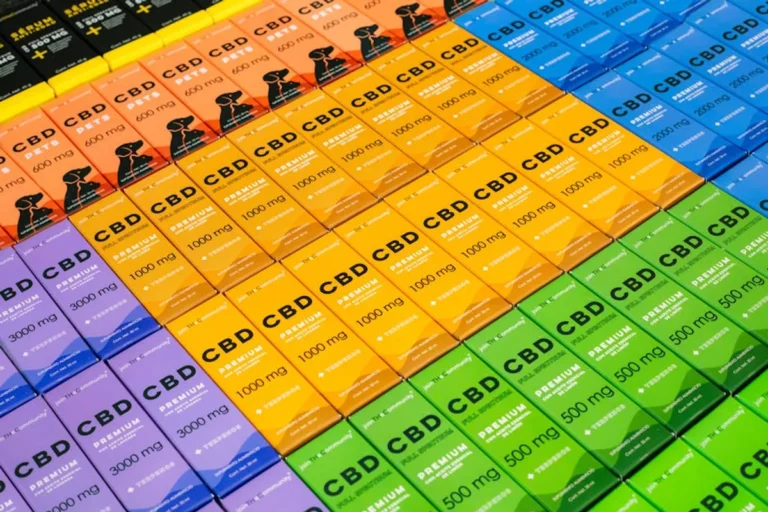
Potency refers to the concentration of CBD per serving, typically measured in milligrams (mg). Products often list total CBD content per bottle (e.g., 500mg, 1000mg) and per serving (e.g., 20mg per dropper). For beginners, starting with a lower potency product and a small dose (e.g., 5-10mg) is recommended. Gradually increasing the dose allows individuals to identify their optimal amount for desired effects, minimizing the risk of overconsumption. Consistent dosing over several days helps gauge effectiveness.
Third-Party Lab Testing
Independent third-party lab testing is a non-negotiable standard for reputable CBD products. These tests verify:
- Cannabinoid Profile: Confirms the advertised CBD content and the presence/absence of other cannabinoids, including THC.
- Purity: Detects contaminants such as heavy metals, pesticides, molds, and residual solvents.
Reputable brands provide Certificates of Analysis (COAs) for each product batch, usually accessible via a QR code on the packaging or on their website. Always review the COA before purchase to ensure product integrity and safety.
Extraction Methods
The method used to extract CBD from the hemp plant impacts the purity and quality of the final product. CO2 extraction is widely considered the gold standard. This method uses pressurized carbon dioxide to separate CBD and other compounds from the plant material, resulting in a clean, solvent-free extract. Other methods, such as ethanol or hydrocarbon extraction, can be effective but carry a higher risk of leaving behind residual solvents if not performed correctly.
Best for: Products explicitly stating CO2 extraction for purity assurance.
Ingredient Quality and Sourcing
The quality of the hemp source directly influences the CBD product. Opt for products made from organically grown hemp, ideally cultivated in the United States, which adheres to strict agricultural regulations. The carrier oil (e.g., MCT oil, hemp seed oil) also matters, as it affects absorption and shelf life. Look for products with minimal, natural ingredients, avoiding artificial flavors, colors, or unnecessary additives.
Product Formats for Recovery
Tinctures and Oils
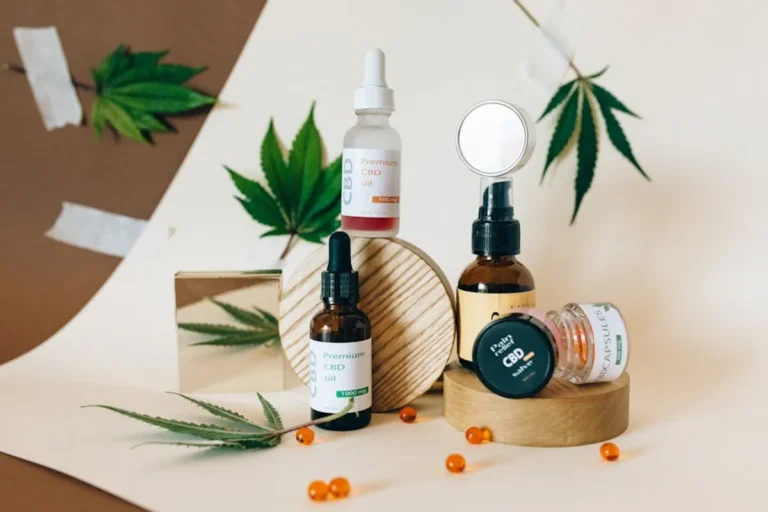
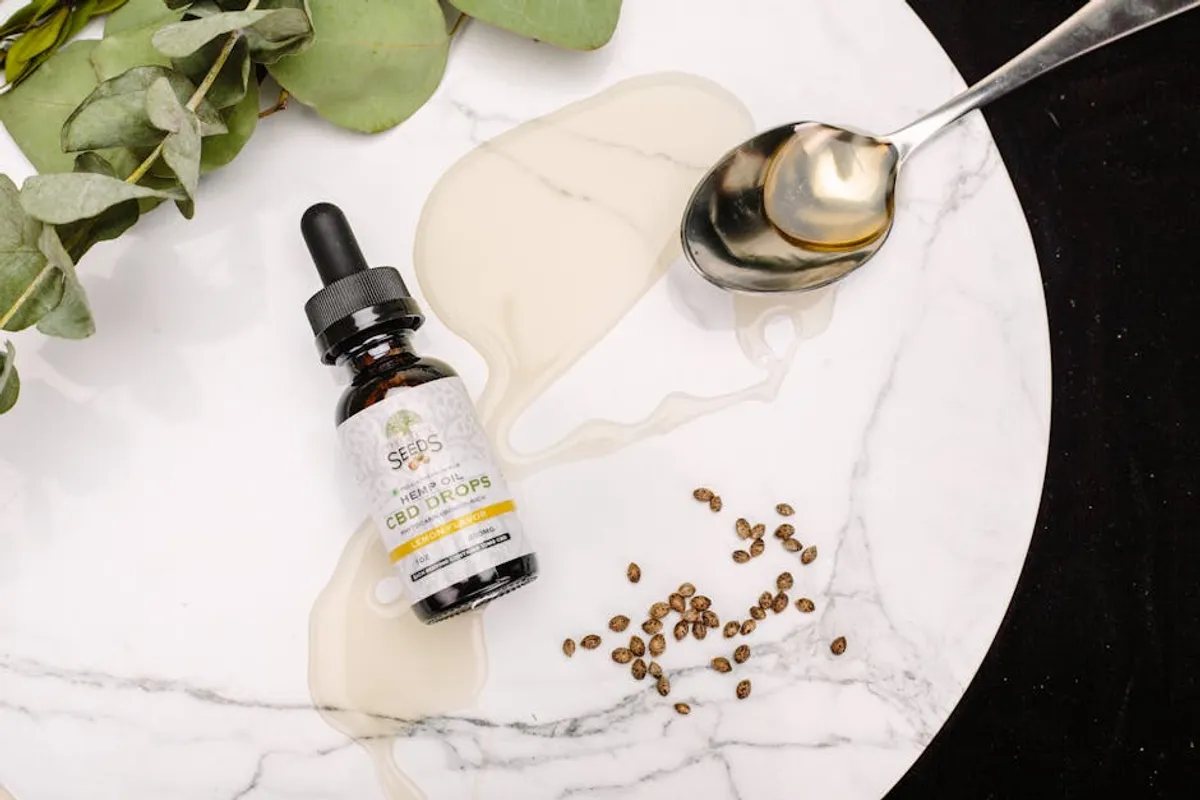
These are liquid CBD extracts, usually mixed with a carrier oil, consumed sublingually (under the tongue). This method allows for direct absorption into the bloodstream, offering a relatively quick onset of effects (typically 15-45 minutes) and precise dosage control using a measured dropper.
Best for: Customizable dosing and faster onset for general recovery support.
Topicals
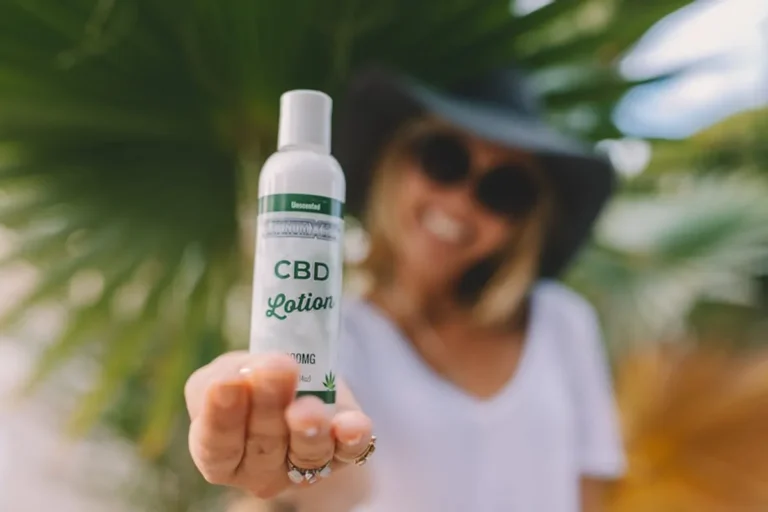
CBD-infused creams, balms, and lotions are applied directly to the skin. They are designed for localized relief, interacting with cannabinoid receptors in the skin without entering the bloodstream. This format is often preferred for targeted muscle soreness or joint discomfort.
Best for: Targeted relief of specific areas of discomfort.
Capsules and Edibles
Capsules offer a pre-measured, consistent dose of CBD, making them convenient for daily use. Edibles (gummies, chocolates) provide a palatable option but often have a slower onset of effects (30-90 minutes or more) as they must pass through the digestive system. Both provide a discreet and easy way to consume CBD.
Best for: Consistent dosing, convenience, and discreet consumption.
Pro Tip: Always consult with a healthcare professional before incorporating CBD into your recovery regimen, especially if you are taking other medications. CBD can interact with certain drugs, particularly those metabolized by the cytochrome P450 enzyme system, potentially altering their effectiveness or increasing side effects.
Making an Informed Choice
When ready to purchase, prioritize brands that demonstrate transparency. This includes readily available third-party lab results, clear ingredient lists, and information about their hemp sourcing and extraction methods. Read customer reviews for insights into product effectiveness and brand reliability, but always cross-reference with verifiable data like COAs. Start with a smaller product size or lower potency to assess individual response before committing to larger or stronger options. A methodical approach ensures a more effective and safer experience with CBD for recovery.
Frequently Asked Questions
Is CBD legal?
Yes, CBD derived from hemp (containing less than 0.3% THC) is federally legal in the United States under the 2018 Farm Bill. However, state laws can vary, so it's advisable to check local regulations.
Will CBD make me high?
No, CBD is non-intoxicating and will not produce a "high." The psychoactive effects associated with cannabis come from THC.
How long does CBD take to work for recovery?
The onset time varies based on the product format and individual metabolism. Sublingual oils typically take 15-45 minutes, topicals can act within minutes for localized relief, while edibles and capsules may take 30-90 minutes or longer as they pass through the digestive system.
Can I take CBD with other medications?
CBD can interact with certain medications, particularly blood thinners and drugs metabolized by liver enzymes. Always consult your doctor before using CBD, especially if you are on prescription medications.