
For individuals exploring the potential benefits of cannabinoids, the market presents a spectrum of choices. Broad-spectrum CBD offers a distinct entry point, balancing a comprehensive array of the hemp plant's beneficial compounds with an absolute assurance of zero THC content. This guide simplifies the essential considerations for beginners, focusing on what broad-spectrum CBD is, why it might be a suitable option, and the critical factors to evaluate before making a purchase. If you're new to the world of hemp extracts, understanding CBD oil for beginners can help clarify your choices.
What Exactly is Broad-Spectrum CBD?
Broad-spectrum CBD represents a specific extract from the hemp plant. Unlike CBD isolate, which contains only purified cannabidiol, broad-spectrum products retain most of the plant's naturally occurring compounds, including other cannabinoids (like CBG, CBN, CBC), terpenes, and flavonoids. The defining characteristic is the meticulous removal of tetrahydrocannabinol (THC), the psychoactive compound in cannabis.
The "Spectrum" Explained
The term "spectrum" refers to the range of compounds present in the hemp extract. Full-spectrum CBD contains all cannabinoids, terpenes, and flavonoids, including trace amounts of THC (up to 0.3% by dry weight, federally legal). Broad-spectrum CBD undergoes an additional processing step to isolate and remove the THC, while preserving the other beneficial components. CBD isolate, at the other end of the spectrum, is 99% pure CBD with all other plant compounds removed.
Key Cannabinoids and Terpenes
Beyond CBD, broad-spectrum extracts typically include minor cannabinoids that interact with the body's endocannabinoid system. Terpenes, aromatic compounds found in hemp, contribute to the plant's scent and flavor, and are also believed to offer distinct effects. Flavonoids, plant-based compounds, add to the overall profile. The presence of these multiple compounds is believed to contribute to what is known as the "entourage effect," where they work synergistically.
Why Consider Broad-Spectrum CBD?
Broad-spectrum CBD appeals to a specific user demographic due to its unique composition. The primary reasons individuals opt for this type of extract center on its comprehensive profile without the psychoactive component.
Zero THC Assurance
For individuals who require or prefer to avoid THC entirely, broad-spectrum CBD is a practical choice. This includes those subject to drug testing, or anyone with personal or professional reasons to ensure no THC consumption. Reputable broad-spectrum products provide third-party lab reports confirming non-detectable levels of THC, offering peace of mind.
The Entourage Effect Without Psychoactivity
The concept of the entourage effect suggests that hemp compounds work better together than in isolation. Broad-spectrum CBD allows users to experience this synergistic interaction among cannabinoids and terpenes, potentially enhancing the product's overall efficacy, without the psychoactive effects associated with THC. This makes it a balanced option for beginners seeking comprehensive plant benefits without any altered state of mind. For those curious about the entourage effect, exploring full-spectrum CBD might offer a different perspective on cannabinoid synergy.
Essential Buying Considerations
Navigating the broad-spectrum CBD market requires attention to specific details to ensure product quality, safety, and effectiveness. Beginners should prioritize transparency and verifiable information.
Verifying Product Quality: Third-Party Lab Reports
A Certificate of Analysis (COA) from an independent, ISO 17025-accredited lab is non-negotiable. This document verifies the product's cannabinoid profile, confirming it contains the advertised CBD concentration and, critically for broad-spectrum, shows non-detectable levels of THC. It also screens for contaminants like heavy metals, pesticides, and microbial impurities, ensuring product safety and purity. Always check that the COA is recent and matches the product batch number.
Understanding Hemp Sourcing and Extraction Methods
The quality of the final product begins with the hemp source. Look for products derived from organically grown hemp, preferably from reputable farms that adhere to strict agricultural practices. The extraction method also impacts purity. CO2 extraction is widely regarded as a clean and efficient method, as it uses pressurized carbon dioxide to pull CBD and other compounds from the plant material without harsh chemical solvents. This method helps preserve the integrity of the cannabinoids and terpenes.
Potency, Dosage, and Product Formulations
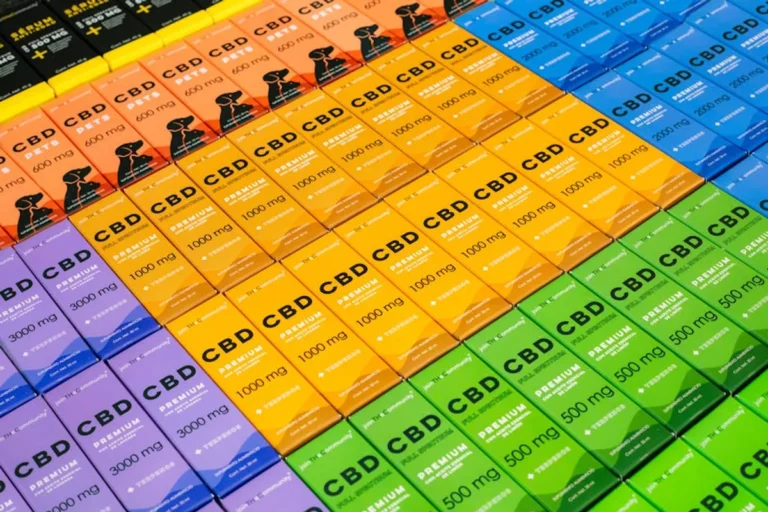
Potency refers to the concentration of CBD per serving, typically measured in milligrams (mg). Beginners should start with lower potency products and gradually increase dosage as needed, observing how their body responds. Broad-spectrum CBD is available in various forms:
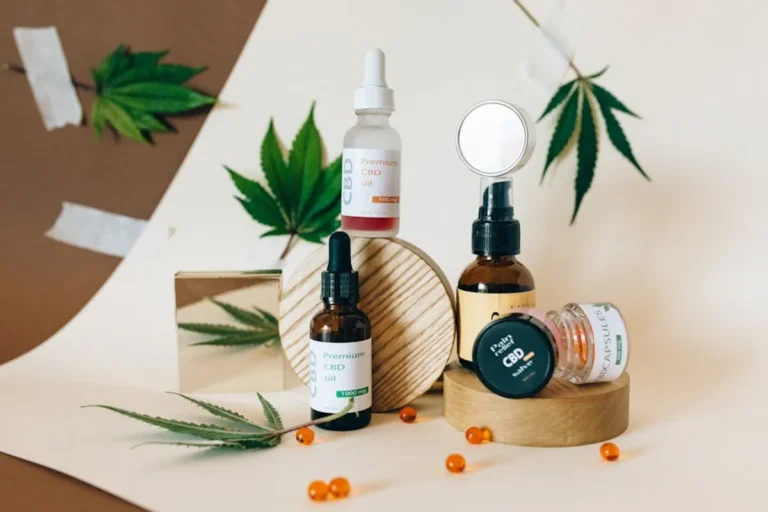
- Oils/Tinctures: Administered sublingually (under the tongue) for faster absorption. Offers precise dosage control.
- Capsules/Softgels: Provides a pre-measured dose, convenient for consistent use. Absorption may be slower due to digestion.
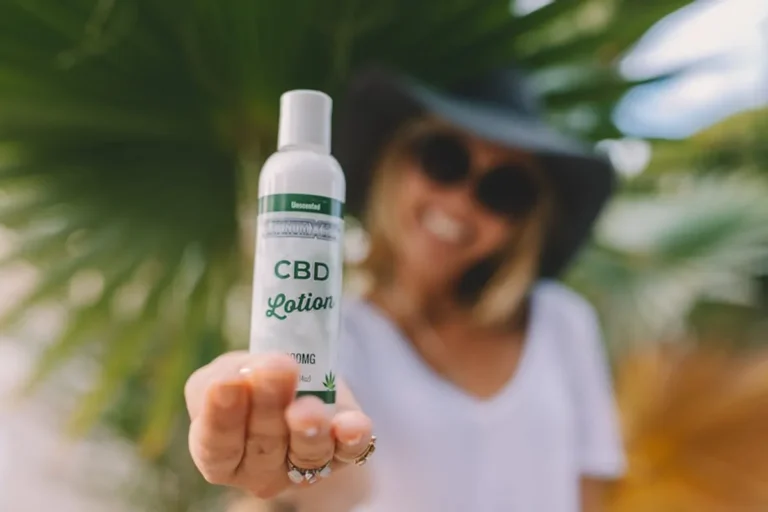
- Topicals (Creams, Balms): Applied directly to the skin for localized effects. Does not enter the bloodstream significantly.
- Edibles (Gummies, Chocolates): A discreet and palatable option. Similar to capsules, effects may take longer to appear.
Pro Tip: When reviewing a product's Certificate of Analysis (COA), pay close attention to the "Total THC" section. For a true broad-spectrum product, this should explicitly state "ND" (Non-Detect) or "0.00%." If any THC is listed, even in trace amounts, the product is technically full-spectrum, not broad-spectrum.
Navigating Your First Purchase
Once you understand the technical aspects, the purchasing process becomes more straightforward. Start by identifying your primary reason for using CBD. This will help narrow down product types and desired potencies. For example, if you prioritize ease of use and precise dosing, a tincture might be ideal. If discretion is key, edibles could be a better fit. Always cross-reference product claims with their corresponding third-party lab reports, which should be readily accessible on the vendor's website or via a QR code on the packaging. Prioritize brands that demonstrate full transparency regarding their sourcing, manufacturing, and testing processes.
Making an Informed Decision
Choosing a broad-spectrum CBD product involves careful consideration of quality, transparency, and personal needs. By understanding the distinction between broad-spectrum, full-spectrum, and isolate, and by diligently checking third-party lab reports, you can confidently select a product that aligns with your preferences for zero THC and a rich cannabinoid profile. Prioritize products from brands that openly share their sourcing and testing data, ensuring you receive a pure and accurately labeled product.
Frequently Asked Questions
Is broad-spectrum CBD legal?
Yes, broad-spectrum CBD products derived from hemp containing less than 0.3% THC are federally legal in the United States under the 2018 Farm Bill. However, state laws can vary, so it's always advisable to check local regulations.
Will broad-spectrum CBD make me feel "high"?
No, broad-spectrum CBD is specifically processed to remove all detectable traces of THC, the compound responsible for psychoactive effects. Therefore, it will not produce a "high."
How long does it take for broad-spectrum CBD to work?
The onset time varies depending on the product type and individual metabolism. Tinctures taken sublingually may take 15-45 minutes, while edibles and capsules can take 30 minutes to 2 hours as they must pass through the digestive system.
Can I fail a drug test using broad-spectrum CBD?
While broad-spectrum products are formulated to contain non-detectable levels of THC, there is a theoretical, albeit very low, risk of failing a highly sensitive drug test if the product contains trace amounts not detected by standard lab equipment, or due to cross-contamination during manufacturing. For absolute certainty, CBD isolate is the only option that guarantees zero THC.