
Navigating the market for hemp extract can be a complex task, especially when faced with a multitude of products, each promising different benefits and displaying varying numerical values on their labels. For consumers seeking specific outcomes, understanding what these labels communicate about product strength and composition is not merely a preference—it is a prerequisite for making informed purchase decisions and ensuring appropriate use. This guide breaks down the essential elements of hemp extract labels, focusing on how to interpret cannabinoid content, extract types, and third-party verification to accurately assess product value and efficacy. Understanding these elements is key to choosing the right hemp oil for your needs.
Decoding the Label: Essential Information
Total Cannabinoid Content (mg)
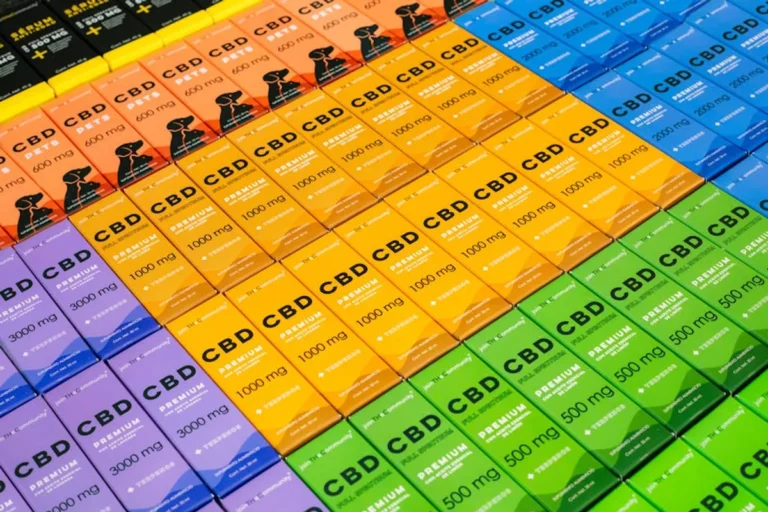
The most prominent number on a hemp extract label is often the total cannabinoid content, typically expressed in milligrams (mg). This figure represents the sum of all cannabinoids, most commonly cannabidiol (CBD), present in the entire bottle or package. While a higher total mg count might suggest a stronger product, it is critical to contextualize this number against the product's volume. A 1000mg tincture in a 15mL bottle is twice as concentrated as a 1000mg tincture in a 30mL bottle, directly impacting the potency per serving and overall cost-effectiveness. This distinction is fundamental for dosage calculation.
Serving Size and Cannabinoids Per Serving
Beyond the total cannabinoid content, the label must specify a recommended serving size and the corresponding amount of cannabinoids per serving. For tinctures, serving size is usually measured in milliliters (mL) or drops. For edibles or capsules, it is typically one unit. This detail is crucial because it translates the total product potency into an actionable daily intake. For example, a 1000mg tincture might deliver 33mg of CBD per 1mL serving, providing a clear metric for daily consumption and allowing for precise adjustments based on individual needs. Without this, consumers are left to guess, which can lead to inefficient use or undesirable effects.
Extract Type: Full-Spectrum, Broad-Spectrum, Isolate
The type of hemp extract significantly influences its chemical profile and potential effects. Labels will typically specify one of three categories:
- Full-Spectrum: Contains all naturally occurring compounds from the hemp plant, including cannabinoids (like CBD, CBG, CBN), terpenes, flavonoids, and trace amounts of THC (up to 0.3% by dry weight). This type is often favored for the "entourage effect," where compounds work synergistically.
- Broad-Spectrum: Similar to full-spectrum but with all detectable THC removed. It retains other cannabinoids, terpenes, and flavonoids, offering a similar, though perhaps milder, entourage effect without the concern of THC presence.
- Isolate: Pure CBD, with all other plant compounds removed. This option is suitable for individuals who require strict avoidance of THC or prefer a single-compound experience.
Understanding these distinctions is vital for consumers to align product choice with personal preferences, legal restrictions, or sensitivity to THC.
Third-Party Lab Testing (COA)
A Certificate of Analysis (COA) from an independent, third-party laboratory is the most reliable indicator of a hemp extract product's quality and accuracy. Reputable brands provide easy access to COAs, often via a QR code on the label or a batch number lookup on their website. A comprehensive COA should verify:
- Cannabinoid Potency: Confirms the exact amounts of CBD, THC, and other cannabinoids listed on the label.
- Purity: Tests for contaminants such as heavy metals, pesticides, residual solvents, and microbial impurities.
The absence of a readily available COA should be considered a significant red flag, as it prevents independent verification of the product's content and safety.
Ingredients and Carrier Oils
Beyond the hemp extract itself, labels list other ingredients, most commonly carrier oils. Medium-chain triglyceride (MCT) oil, hemp seed oil, and olive oil are frequent choices. Carrier oils facilitate absorption and bioavailability of cannabinoids. The label should also disclose any flavorings, preservatives, or other additives. Consumers with allergies or dietary restrictions should review this section carefully to avoid unwanted ingredients.
Batch Numbers and Manufacturing Dates
A batch number allows consumers to trace a specific product back to its manufacturing run and, crucially, to its corresponding COA. This ensures transparency and accountability. A manufacturing or expiration date provides insight into the product's freshness and shelf life. Products nearing or past their expiration date may have degraded cannabinoid content or altered efficacy.
Understanding Hemp Extract Strengths
Milligrams (mg) vs. Milliliters (mL)
It is essential to differentiate between milligrams (mg), which quantify the amount of cannabinoids, and milliliters (mL), which measure the total liquid volume of a tincture. A 30mL bottle with 1000mg of CBD contains 1000mg of CBD distributed throughout 30mL of liquid. This distinction prevents confusion and allows for accurate potency calculations.
Calculating Potency: Total mg per Bottle vs. mg per Serving
To determine the true potency per serving, divide the total milligrams of cannabinoids by the total volume of the bottle (in mL), then multiply by the serving size (in mL). For example:
Example: A 30mL bottle contains 1500mg of CBD. The recommended serving size is 1mL.
1500mg / 30mL = 50mg/mL
50mg/mL * 1mL (serving size) = 50mg of CBD per serving.
This calculation provides the precise cannabinoid intake per dose, which is more useful than the total mg count alone for comparing products and managing personal dosage.
Factors Influencing Strength Perception
While label numbers provide objective metrics, individual perception of strength can vary. Factors contributing to this include:
- Bioavailability: The rate and extent to which the active cannabinoids are absorbed and become available at the site of action. Sublingual (under the tongue) administration generally offers higher bioavailability than ingestibles.
- Individual Response: Metabolism, body weight, genetics, and the endocannabinoid system's unique characteristics can influence how an individual responds to a given dose.
- Method of Consumption: Ingested products (capsules, edibles) undergo first-pass metabolism, which can reduce the amount of cannabinoids reaching the bloodstream compared to sublingual or inhaled products.
Common Label Misconceptions and Red Flags
Consumers should be wary of labels that are intentionally misleading or lack critical information. Key red flags include:
- Products labeled "hemp seed oil" but marketed with implied cannabinoid benefits. Hemp seed oil is rich in nutrients but contains negligible cannabinoids.
- Absence of a batch number or QR code linking to a COA. This lack of transparency makes it impossible to verify product claims.
- Exaggerated claims of rapid or miraculous effects. Hemp extracts are not instant cures.
- Labels that only state total mg without specifying mg per serving or bottle volume, making true potency ambiguous.
- Unrealistic pricing, either excessively low (suggesting low quality or mislabeling) or unjustifiably high.
- Lack of clarity regarding the extract type (full-spectrum, broad-spectrum, isolate).
Pro Tip: Always prioritize products that provide a scannable QR code or clear instructions for accessing a current, batch-specific Certificate of Analysis (COA). Verify that the COA's cannabinoid profile and contaminant testing results align with the product claims and meet your safety expectations. If a COA is unavailable or outdated, consider an alternative product.
Making Informed Choices: A Practical Approach
When evaluating hemp extract products, move beyond the most prominent numbers and delve into the specifics. Prioritize transparency: look for brands that clearly state their extract type, provide detailed serving information, and offer readily accessible third-party lab results. Compare products not just by total milligrams, but by the cost per milligram of active cannabinoid per serving. This allows for an 'apples-to-apples' comparison, ensuring you select a product that aligns with your specific needs, budget, and desired potency. Remember that the goal is not just to find a product, but to find the *right* product for you, supported by verifiable data. This comparison is vital when buying hemp products for beginners to ensure the best value.
Frequently Asked Questions About Hemp Extract Labels
What is the difference between "total mg" and "mg per serving"?
Total mg refers to the entire cannabinoid content in the whole bottle or package, while mg per serving indicates the specific amount of cannabinoids you receive in one recommended dose. The mg per serving is more critical for accurately managing your intake.
Why is third-party lab testing important for hemp extract products?
Third-party lab testing, documented in a Certificate of Analysis (COA), independently verifies the cannabinoid content (ensuring potency matches the label) and confirms the absence of harmful contaminants like pesticides, heavy metals, and residual solvents. It provides an unbiased assurance of quality and safety.
Does a higher total milligram (mg) count always mean a stronger product?
Not necessarily. A higher total mg count in a larger volume product (e.g., 60mL) might yield the same or even lower mg per serving than a lower total mg count in a smaller volume product (e.g., 15mL). Always calculate the mg per serving to assess true potency.
Can "hemp oil" be used interchangeably with "hemp extract" on labels?
No, these terms are not interchangeable. "Hemp oil" often refers to hemp seed oil, which is derived from the seeds and contains negligible cannabinoids. "Hemp extract" or "CBD oil" refers to extracts from the hemp plant's flowers, leaves, and stalks, which are rich in cannabinoids like CBD. Always check the cannabinoid content on the label to distinguish between the two.