Navigating the market for CBD products intended to support stress management requires a discerning eye. With a proliferation of brands and formulations, distinguishing between credible options and marketing hyperbole is essential for consumers seeking genuine value. The objective is to identify products backed by transparency, verifiable quality, and realistic expectations, rather than succumbing to exaggerated claims.
Understanding CBD Fundamentals for Stress Support
Cannabidiol (CBD) interacts with the body's endocannabinoid system (ECS), a complex network of receptors and neurotransmitters involved in regulating various physiological processes, including mood, sleep, and stress response. While research into CBD's precise mechanisms is ongoing, the interaction with the ECS is posited as the primary pathway through which CBD may influence feelings of calm and relaxation, rather than directly treating or curing stress-related conditions.
The Endocannabinoid System Connection
The ECS maintains homeostasis within the body. Cannabinoids like CBD are thought to modulate the activity of ECS receptors (CB1 and CB2) and influence the body's natural endocannabinoids, potentially contributing to a balanced physiological state. This modulatory effect is what underpins the interest in CBD for general well-being and stress support.
Full-Spectrum, Broad-Spectrum, or Isolate?
The type of CBD extract directly impacts its chemical composition and potential effects:
- Full-Spectrum CBD: Contains all naturally occurring compounds from the cannabis plant, including cannabinoids (like THC, within legal limits of 0.3%), terpenes, and flavonoids. The presence of multiple compounds is believed to create an "entourage effect," where they work synergistically to enhance therapeutic benefits. Many users prefer full-spectrum for stress support due to this perceived synergy.
- Broad-Spectrum CBD: Similar to full-spectrum but with all detectable THC removed. It still retains other cannabinoids, terpenes, and flavonoids, offering a potential entourage effect without the concern of THC presence. This is often chosen by individuals who undergo drug testing or prefer to avoid THC entirely.
- CBD Isolate: Pure CBD, with all other plant compounds removed. It contains 99% CBD and no other cannabinoids, terpenes, or flavonoids. While it offers precise CBD dosing, it lacks the potential entourage effect. Some users prefer isolates for their purity and absence of other compounds.
For stress support, full-spectrum and broad-spectrum products are often favored due to the potential for enhanced effects from the wider range of plant compounds.
Critical Factors in Product Selection
Choosing a CBD product for stress requires scrutiny beyond marketing claims. Focus on these concrete indicators of quality and reliability.
Third-Party Lab Testing and COAs
This is non-negotiable. Reputable CBD brands provide a Certificate of Analysis (COA) from an independent, third-party laboratory for every product batch. The COA verifies:
- Cannabinoid Profile and Potency: Confirms the exact amounts of CBD, THC, and other cannabinoids present, ensuring the product matches its label claims.
- Purity: Tests for contaminants such as heavy metals, pesticides, residual solvents, and microbial impurities (mold, bacteria). The absence of these ensures product safety.
Pro Tip: Always cross-reference the batch number on the product packaging with the COA to ensure you're viewing the correct, up-to-date lab results. A COA that's generic or difficult to locate is a significant red flag.
Potency and Dosage Considerations
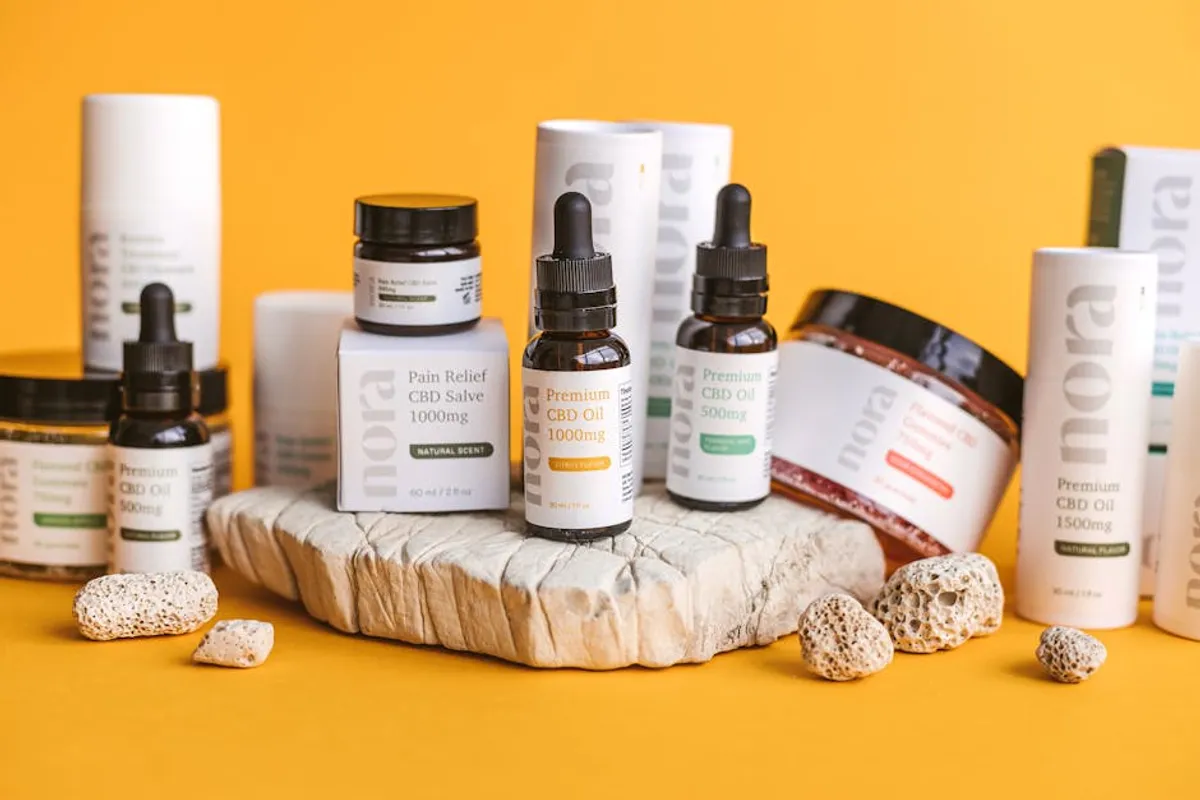
CBD potency is typically measured in milligrams (mg) per serving or per bottle. For stress support, starting with a lower potency product (e.g., 250-500mg per 30ml bottle) and gradually increasing the dose allows individuals to find their optimal level without overconsumption. Pay attention to the mg of CBD per serving, not just the total mg in the bottle, to accurately gauge intake.
Extraction Methods and Carrier Oils
CO2 extraction is widely considered the gold standard for producing clean, potent CBD extracts. It uses pressurized carbon dioxide to separate CBD from the plant material, minimizing the risk of solvent residues. Common carrier oils include MCT oil (derived from coconuts), hemp seed oil, and olive oil. MCT oil is often preferred for its bioavailability, meaning the body can absorb CBD more efficiently when dissolved in it.
Ingredient Transparency and Additives
Examine the full ingredient list. High-quality CBD products for stress will typically have minimal, natural ingredients. Avoid products with artificial flavors, colors, unnecessary fillers, or synthetic additives. If a product claims additional benefits for stress, check if those added ingredients (e.g., adaptogens like ashwagandha, L-theanine) are also clearly listed and sourced responsibly.
Navigating Marketing Claims
The CBD market is largely unregulated, leading to a wide spectrum of marketing approaches. Discernment is key.
Identifying Red Flags
Be wary of brands that make explicit medical claims about curing, treating, or preventing diseases. Such claims are unsubstantiated and often violate regulatory guidelines. Similarly, avoid products with vague sourcing information, a lack of accessible third-party lab results, or prices that seem too good to be true, as these often indicate lower quality or mislabeled products.
Realistic Expectations
CBD is not a miracle cure for stress. It's a supplement that may support the body's natural functions and contribute to a sense of calm. Expecting immediate or dramatic results can lead to disappointment. Integrating CBD into a holistic approach to stress management, which includes lifestyle adjustments, mindfulness, and professional guidance where appropriate, yields the most sustainable outcomes.
Making an Informed Choice for Stress Management
The process of selecting a CBD product for stress is iterative and personal. Follow these steps to maximize your chances of a positive experience.
Starting Low and Going Slow
Begin with a low dose of CBD and monitor your body's response over several days. Gradually increase the dosage until you achieve the desired effect. This approach minimizes potential side effects and helps you identify the minimum effective dose, which is both cost-effective and responsible.
Consulting a Professional
Before incorporating CBD into your routine, especially if you are taking other medications or have underlying health conditions, consult with a healthcare professional. They can provide personalized advice, discuss potential interactions, and help determine if CBD is a suitable option for your specific needs.
Selecting a Reliable CBD Product
Choosing CBD for stress support effectively means prioritizing product quality, transparency, and personal responsiveness over marketing hype. By focusing on third-party lab verification, understanding different CBD types, scrutinizing ingredient lists, and managing expectations, consumers can make informed decisions that align with their wellness goals.
Frequently Asked Questions
How long does it take for CBD to work for stress?
The onset of effects varies depending on the consumption method and individual metabolism. Sublingual tinctures may take 15-45 minutes, while edibles can take 1-2 hours. Consistent daily use is often recommended for sustained benefits.
What's the best form of CBD for stress?
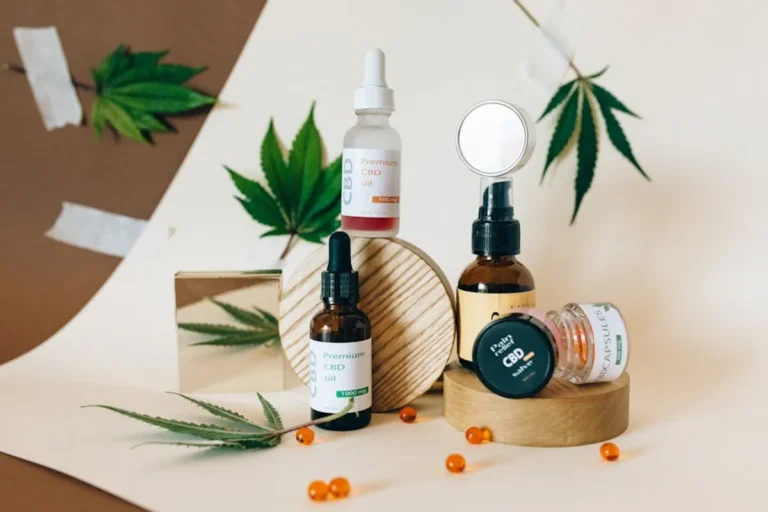
Tinctures (oils) are popular for their versatility in dosing and relatively quick absorption. Capsules offer precise, pre-measured doses, and edibles provide a discreet, longer-lasting effect. The "best" form depends on individual preference and desired onset/duration.
Can I take CBD with other medications?
CBD can interact with certain medications, particularly those metabolized by the cytochrome P450 enzyme system in the liver. Always consult a healthcare professional before combining CBD with prescription drugs to avoid potential adverse interactions.
Is all CBD the same?
No, CBD products vary significantly in quality, potency, and composition (full-spectrum, broad-spectrum, isolate). Differences arise from hemp sourcing, extraction methods, and formulation. Always prioritize products with verifiable third-party lab testing.