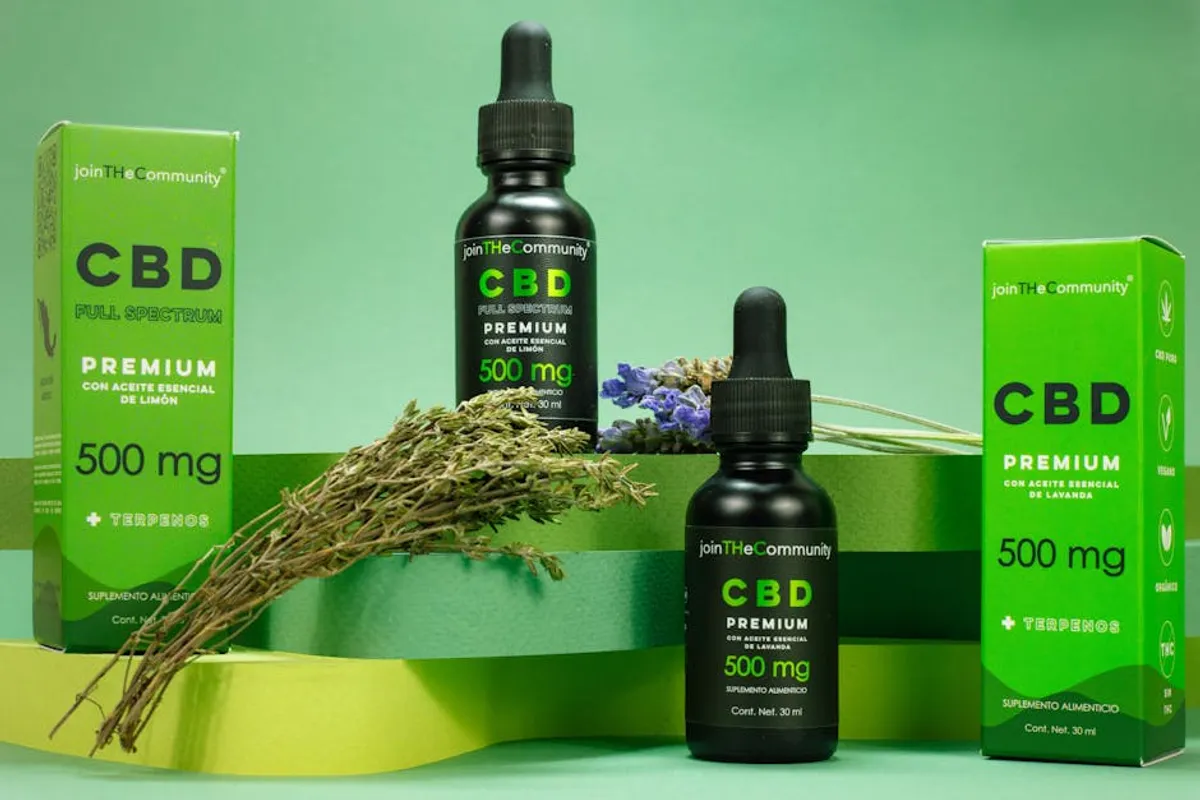
Navigating the distinctions between hemp oil and CBD oil is critical for consumers and businesses alike, given their divergent compositions, applications, and regulatory landscapes. While both originate from the Cannabis sativa L. plant, their source materials and resulting chemical profiles are fundamentally different, leading to distinct commercial uses and expected effects. Understanding these core differences is essential for accurate product selection, effective marketing, and compliance.
Hemp Seed Oil: A Nutritional and Cosmetic Staple
Hemp seed oil is derived exclusively from the seeds of the hemp plant through a cold-pressing process. This method mechanically extracts oil without introducing heat that could degrade its nutritional components. The seeds themselves contain negligible amounts of cannabinoids, including cannabidiol (CBD) and tetrahydrocannabinol (THC), meaning hemp seed oil does not offer the wellness effects associated with cannabinoids. Hemp seed oil production focuses on preserving quality hemp oil ingredients through careful processing.
Chemically, hemp seed oil is characterized by its rich profile of polyunsaturated fatty acids, particularly omega-3 (alpha-linolenic acid) and omega-6 (linoleic acid) in an optimal ratio, often cited as 3:1 or 4:1. It also contains gamma-linolenic acid (GLA), vitamin E, B vitamins, and minerals like magnesium, potassium, and zinc. Its composition makes it a valuable dietary supplement and an ingredient in personal care products.
- Source: Cold-pressed from hemp seeds.
- Primary Compounds: Omega-3 and omega-6 fatty acids, vitamin E, B vitamins, minerals.
- Cannabinoid Content: Trace to none (typically below 0.002% CBD).
- Commercial Applications:
- Culinary: Used in salad dressings, smoothies, and as a finishing oil due to its nutty flavor and nutritional density. Not typically used for high-heat cooking due to its low smoke point.
- Cosmetic: Incorporated into skincare products like moisturizers, serums, and balms for its emollient properties and fatty acid content, which supports skin barrier function.
- Nutritional Supplement: Marketed for general health support, particularly cardiovascular health and inflammation management, due to its omega fatty acid profile.
Best for: Nutritional supplementation, culinary use, and topical skin hydration or general cosmetic formulations where cannabinoid activity is not the objective.
CBD Oil: Focused on Cannabinoid Wellness
CBD oil, in contrast, is extracted from the flowers, leaves, and stalks of the hemp plant, where cannabinoids are concentrated. The extraction processes, such as supercritical CO2 or ethanol extraction, are designed to isolate and concentrate cannabidiol (CBD) along with other beneficial plant compounds like terpenes and minor cannabinoids. The legal threshold for THC content in hemp-derived CBD oil is typically 0.3% or less by dry weight in many jurisdictions, ensuring it is non-intoxicating.
The primary active compound in CBD oil is cannabidiol, which interacts with the body's endocannabinoid system (ECS). This system plays a role in regulating various physiological processes, including mood, sleep, appetite, and immune response. The specific composition of CBD oil depends on its type:
Types of CBD Oil
- Full-Spectrum CBD Oil: Contains all naturally occurring compounds of the hemp plant, including CBD, minor cannabinoids (e.g., CBG, CBC, CBN), terpenes, flavonoids, and trace amounts of THC (under 0.3%). This combination is believed to produce an "entourage effect," where the compounds work synergistically.
- Broad-Spectrum CBD Oil: Similar to full-spectrum but undergoes an additional refinement process to remove all detectable THC while retaining other cannabinoids and terpenes. This is often chosen by individuals who want the potential benefits of the entourage effect without any THC.
- CBD Isolate: Pure CBD, typically 99% or higher, with all other plant compounds, including other cannabinoids and terpenes, removed. It is tasteless and odorless, making it versatile for various product formulations.
Best for: Individuals seeking targeted wellness support through cannabinoid interaction with the endocannabinoid system, available in various forms such as tinctures, capsules, edibles, and topicals.
Extraction Methods and Purity Standards
The methodologies for producing hemp seed oil and CBD oil underscore their distinct natures. Hemp seed oil production is a relatively straightforward mechanical process, involving cold-pressing the seeds and then filtering the resulting oil. This method preserves the delicate fatty acids and vitamins. The resulting hemp oil is rich in nutrients, which can be leveraged for hemp oil skin benefits.
CBD oil extraction is a more complex chemical engineering process. Supercritical CO2 extraction is widely favored for its ability to isolate cannabinoids and terpenes without using harsh solvents, resulting in a clean, pure extract. Ethanol extraction is another common method, effective for large-scale production. Regardless of the method, reputable CBD oil manufacturers employ rigorous post-extraction purification and filtration steps to remove unwanted plant materials, chlorophyll, and residual solvents. Third-party lab testing is a critical step for CBD products to verify cannabinoid potency, confirm THC levels are within legal limits, and ensure the absence of contaminants like heavy metals, pesticides, and microbial impurities.
Pro Tip for Consumers: Verify Labels Carefully
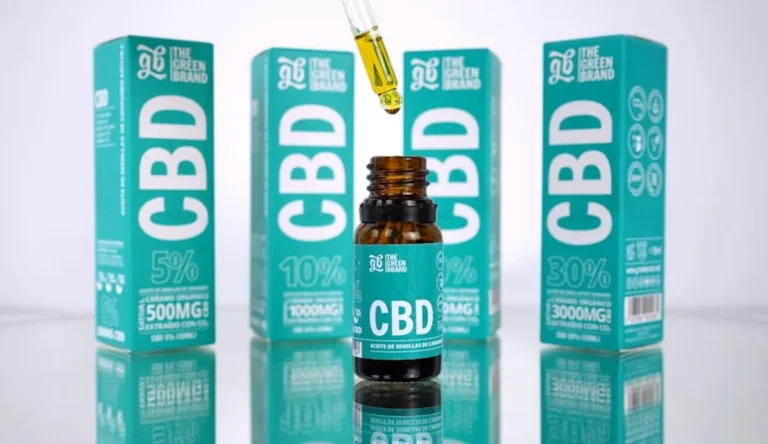
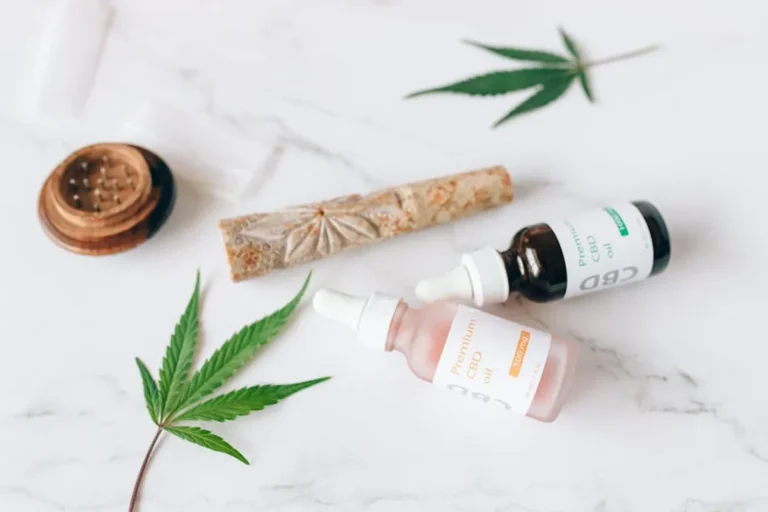
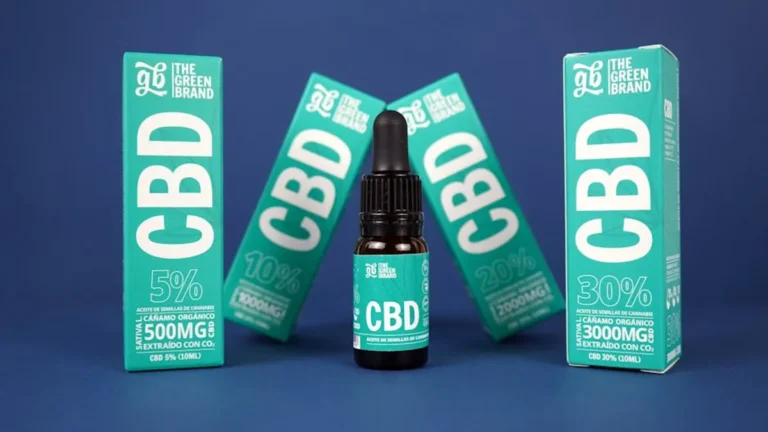
Always scrutinize product labels. Terms like "hemp extract" or "cannabis sativa seed oil" can be ambiguous. For CBD oil, look for explicit mentions of "CBD," "cannabidiol," or "hemp extract (containing CBD)." Reputable CBD products will also provide a scannable QR code or batch number linking to third-party lab reports (Certificates of Analysis, or CoAs) confirming cannabinoid content and purity. If a product simply lists "hemp oil" without further specification, it is likely hemp seed oil.
Regulatory and Commercial Landscape
The regulatory frameworks for hemp seed oil and CBD oil differ significantly. Hemp seed oil is generally classified as a food product or cosmetic ingredient, subject to standard food and cosmetic regulations. Its long history of use and lack of intoxicating compounds mean it faces minimal legal restrictions globally.
CBD oil, however, operates within a more complex and evolving legal environment. While hemp-derived CBD (with less than 0.3% THC) is federally legal in many countries, its classification as a dietary supplement, food additive, or pharmaceutical product varies by jurisdiction and often remains a subject of ongoing debate. This regulatory ambiguity impacts how CBD products can be marketed, labeled, and sold, requiring businesses to stay current with local and national laws.
Commercially, this translates to different market positioning. Hemp seed oil is a commodity product, often found in grocery stores and health food sections, valued for its nutritional profile. CBD oil is positioned within the wellness and supplement markets, often at a higher price point reflecting the specialized extraction, testing, and regulatory compliance costs associated with cannabinoid-rich products.
Choosing the Right Product for Your Needs
The choice between hemp oil and CBD oil hinges entirely on your specific objectives. If your goal is to enhance your diet with essential fatty acids, vitamins, and minerals, or to use a natural emollient for skin care, hemp seed oil is the appropriate selection. It offers robust nutritional benefits without any cannabinoid activity.
Conversely, if you are exploring products for their potential interaction with the endocannabinoid system to support specific wellness goals, then CBD oil, in its various forms (full-spectrum, broad-spectrum, or isolate), is the product to consider. For CBD oil, prioritize products that clearly state their CBD content, provide comprehensive third-party lab reports, and adhere to local legal THC limits.
Always consult with a healthcare professional before incorporating new supplements, especially if you have underlying health conditions or are taking other medications.
Frequently Asked Questions
Can hemp seed oil get me high?
No, hemp seed oil will not get you high. It is pressed from the seeds of the hemp plant, which contain only trace amounts of cannabinoids like THC (tetrahydrocannabinol), the psychoactive compound. Its primary components are fatty acids and nutrients.
Is CBD oil addictive?
CBD oil is generally not considered addictive. Research and anecdotal evidence suggest it does not produce the compulsive drug-seeking behavior associated with addictive substances. It is also non-intoxicating, meaning it does not cause a "high."
How can I tell if a product is truly CBD oil and not just hemp seed oil?
Look for specific labeling that clearly states "CBD," "cannabidiol," or "hemp extract" with a specified CBD content in milligrams. Reputable CBD products will also provide third-party lab results (Certificates of Analysis) that detail the cannabinoid profile, including CBD and THC levels, and confirm purity.
Can I cook with CBD oil like I would with hemp seed oil?
While you can incorporate CBD oil into food, it's generally not recommended for high-heat cooking. High temperatures can degrade cannabinoids and terpenes, reducing their efficacy. CBD oil is better suited for adding to finished dishes, smoothies, or beverages, or consuming directly, whereas hemp seed oil is better for low-heat cooking or as a finishing oil.