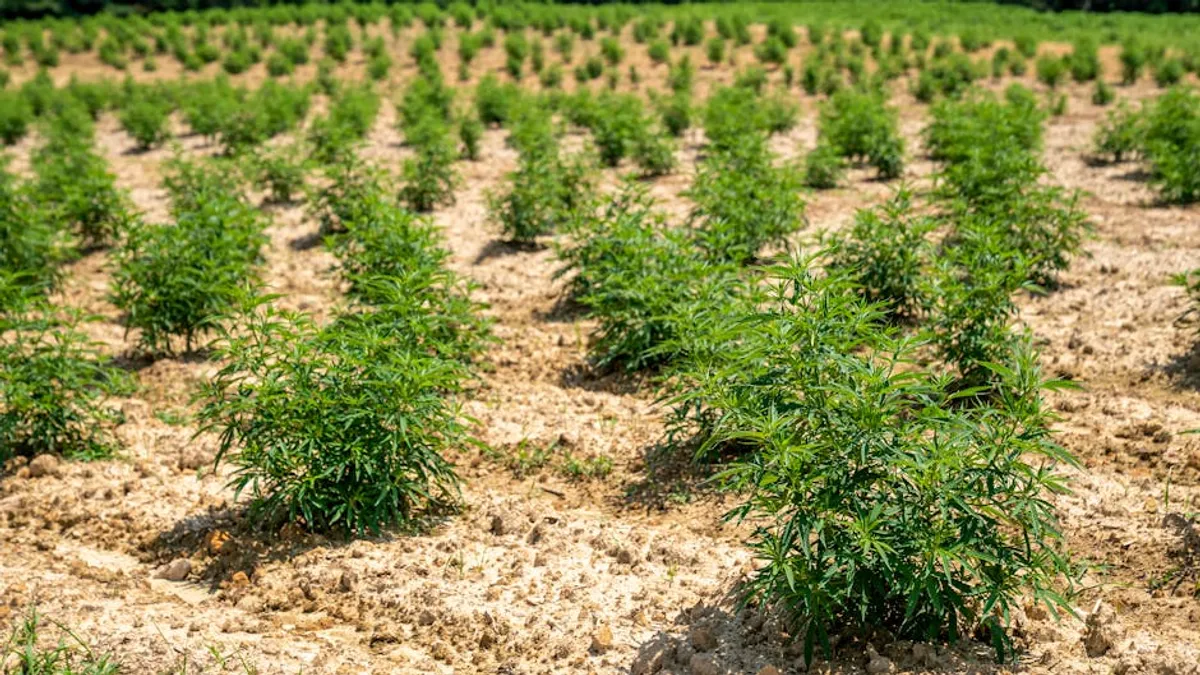
The organic hemp oil market continues to expand, driven by increasing consumer demand for natural products and transparent sourcing. For businesses operating within or adjacent to this sector—from content creators and marketers to product developers and retailers—a deep understanding of what constitutes "organic," how labels communicate product attributes, and the benchmarks for verifiable quality is not merely advantageous; it is essential for establishing credibility and navigating a complex regulatory landscape. This guide provides a framework for dissecting organic hemp oil products, focusing on the critical elements that inform consumer trust and product efficacy. This knowledge is crucial for choosing a high quality hemp product that meets consumer expectations.
Organic Hemp Oil: Defining the "Organic" Standard
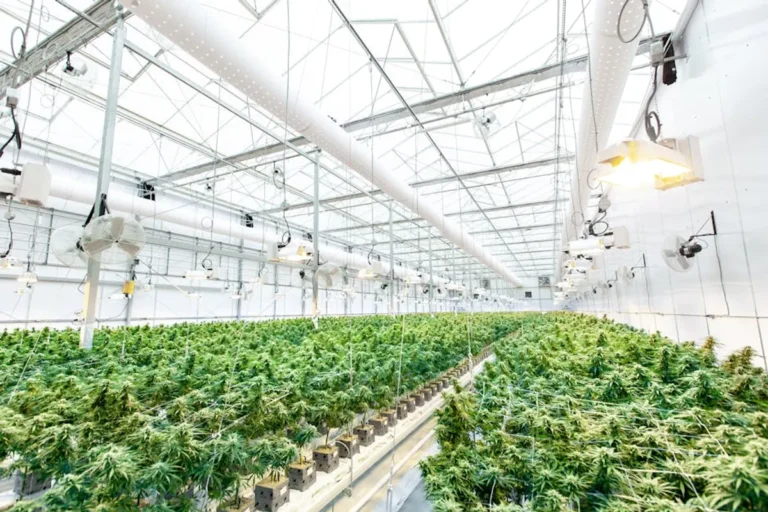
The term "organic" in the context of hemp oil signifies adherence to specific agricultural and processing standards designed to minimize synthetic inputs and promote ecological balance. For hemp cultivation, this typically means the absence of synthetic pesticides, herbicides, and fertilizers. The soil must meet organic certification requirements for a defined period prior to planting, and crop rotation practices are often mandated. Post-harvest, organic processing prohibits the use of synthetic solvents or other non-organic chemical agents during extraction and refinement, ensuring the final product maintains its organic integrity.
Certification Bodies and Their Role
Organic certification is not a self-proclaimed status; it is conferred by accredited third-party organizations that audit every stage of a product's lifecycle, from seed to sale. In the United States, the USDA Organic program sets national standards, with authorized certifying agents conducting inspections and verifying compliance. Similar frameworks exist globally, such as the EU Organic label or Ecocert certification, each with specific criteria and oversight mechanisms. These certifications provide an independent layer of assurance that the product has met rigorous standards for organic production, offering a verifiable claim beyond manufacturer assertions. For market stakeholders, recognizing these seals helps differentiate genuinely organic products from those using "natural" or "eco-friendly" descriptors without formal backing.
Core Ingredients Beyond Hemp Extract
While the primary active component in hemp oil is often a cannabinoid-rich extract, the overall ingredient profile significantly impacts the product's characteristics, including absorption, flavor, and shelf life. Understanding these additional components is crucial for evaluating product quality and consumer experience.
Carrier Oils: Impact on Absorption and Flavor
Hemp extracts are typically diluted in a carrier oil to improve bioavailability, facilitate dosing, and enhance palatability. The choice of carrier oil is a critical formulation decision:
- MCT Oil (Medium-Chain Triglyceride): Derived from coconut or palm oil, MCT is a popular choice due to its rapid absorption rate and neutral flavor. Its chemical structure allows for efficient metabolism, potentially enhancing the uptake of cannabinoids.
- Hemp Seed Oil: Extracted from the seeds of the hemp plant, this oil is rich in omega-3 and omega-6 fatty acids, offering nutritional benefits. It imparts a distinct, earthy, and sometimes nutty flavor, which can be desirable for consumers seeking an all-hemp product.
- Olive Oil: A widely available and generally well-tolerated oil, olive oil has a slower absorption rate compared to MCT but offers a familiar taste profile. Its robust flavor can sometimes mask the natural notes of hemp extract.
The carrier oil can influence the product's overall cost, stability, and consumer preference, making its identification on the label important for product analysis.
Additives and Flavorings: What to Scrutinize
Some organic hemp oils include additional ingredients to improve taste, extend shelf life, or add other functional properties. These can range from natural flavorings (e.g., peppermint oil, citrus extracts) to emulsifiers or preservatives. While natural flavorings are generally benign, the presence of synthetic additives or excessive preservatives can detract from the "organic" ethos and potentially introduce unwanted compounds. Scrutinizing the full ingredient list for clarity and necessity is essential. Products with minimal, clearly defined ingredients often reflect a commitment to purity.
Decoding Hemp Oil Labels for Transparency
A product label is the primary source of information for consumers and businesses alike. However, not all labels are equally transparent or accurate. Discerning critical information requires an understanding of key terms and regulatory nuances.
CBD vs. Hemp Seed Oil: A Critical Distinction
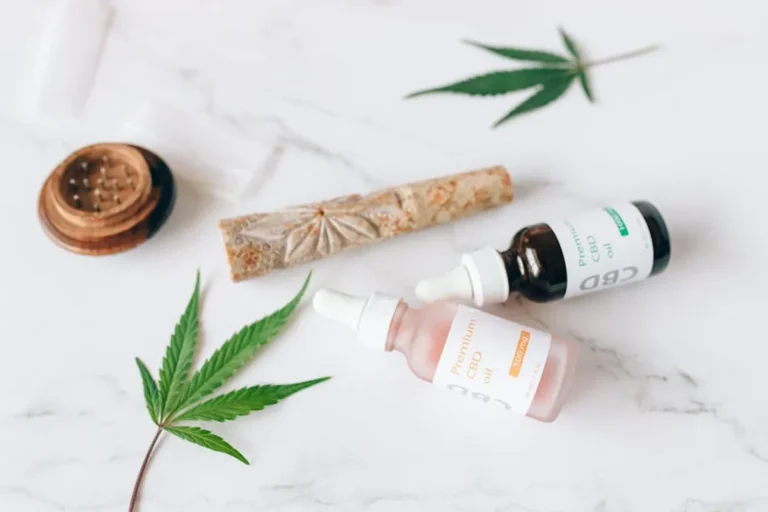
One of the most persistent points of confusion in the market is the difference between "hemp seed oil" and "CBD hemp extract." Hemp seed oil is pressed from the seeds of the hemp plant and contains negligible amounts of cannabinoids like CBD. It is a nutritional oil, rich in essential fatty acids. CBD hemp extract, conversely, is derived from the flowers, leaves, and stalks of the hemp plant and contains significant levels of cannabinoids. Labels must clearly distinguish between these two to avoid misrepresentation. Products marketed primarily for cannabinoid content should explicitly state "CBD extract," "hemp extract," or "cannabinoid-rich hemp oil," along with specific cannabinoid concentrations.
Potency and Batch Testing: Verifying Claims
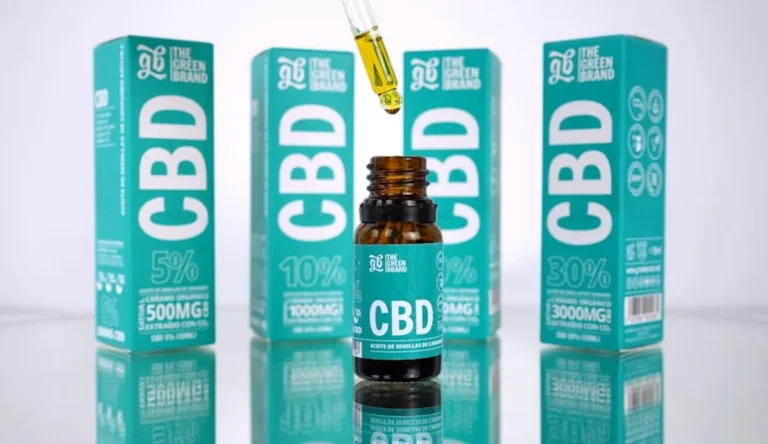
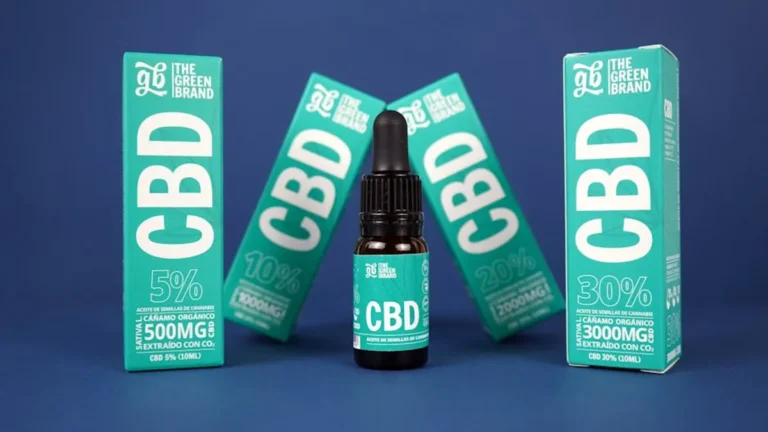
Accurate potency labeling is fundamental. A credible organic hemp oil label will clearly state the total amount of CBD (and often other cannabinoids like CBG, CBN, or trace THC) in milligrams per bottle, as well as the amount per serving. This allows for precise dosing and value comparison. Furthermore, a batch number or QR code linking to third-party lab results (Certificate of Analysis) is a hallmark of transparency. This traceability ensures that the specific product purchased can be verified against its analytical report.
Origin and Extraction Methods
The geographical origin of the hemp (e.g., "Grown in Colorado, USA") can provide insights into cultivation standards, as different regions have varying agricultural regulations. The extraction method also matters: CO2 extraction is widely preferred for organic hemp oil as it uses pressurized carbon dioxide to separate compounds, leaving no harsh chemical residues. Ethanol extraction, while effective, requires careful post-processing to ensure all solvent traces are removed. Labels that specify "CO2 extracted" signal a commitment to purity.
Pro Tip: Always prioritize organic hemp oil products that explicitly state "full-spectrum" or "broad-spectrum" and list the total milligrams of CBD per container. A label that only mentions "hemp extract" without a specific CBD quantity often indicates a lack of transparency regarding cannabinoid content.
Assessing Hemp Oil Quality: Beyond the Label
While labels provide essential information, true quality assessment extends to independent verification and an understanding of potential contaminants.
Third-Party Lab Reports (COAs): The Gold Standard
A Certificate of Analysis (COA) from an ISO 17025-accredited third-party laboratory is the most crucial document for verifying organic hemp oil quality. These reports should be readily accessible via a QR code on the label or directly on the manufacturer's website. A comprehensive COA confirms:
- Cannabinoid Profile and Potency: Verifies the amounts of CBD, THC (ensuring it's below legal limits, typically 0.3% by dry weight), and other minor cannabinoids.
- Heavy Metals: Tests for harmful elements like lead, mercury, arsenic, and cadmium, which hemp plants can absorb from contaminated soil.
- Pesticides: Confirms the absence of synthetic pesticides, herbicides, and fungicides, reinforcing organic claims.
- Residual Solvents: For non-CO2 extraction methods, this test ensures no harmful solvent residues (e.g., ethanol, butane, propane) remain.
- Microbial Contaminants: Checks for bacteria, mold, yeast, and other pathogens that could compromise product safety.
Reviewing these reports allows businesses to confidently assess product claims and ensure consumer safety.
Red Flags in Quality Assessment
Several indicators can signal potential quality issues or deceptive practices:
- Lack of readily available third-party lab reports or COAs that are outdated or incomplete.
- Vague or ambiguous labeling, such as "hemp extract" without specifying cannabinoid content.
- Unrealistic health claims or promises of miraculous cures.
- Extremely low pricing that seems disproportionate to market averages, often indicating diluted products or inferior sourcing.
- No clear batch numbers for product traceability.
- Products that only list "hemp seed oil" but are marketed with images or language suggesting high CBD content.
Informed Decisions for the Organic Hemp Oil Market
Navigating the organic hemp oil market requires diligence and a clear understanding of product specifics. For businesses, this means moving beyond superficial marketing claims to scrutinize ingredients, demand transparent labeling, and insist on verifiable third-party quality assurance. By focusing on certified organic practices, detailed ingredient lists, accurate potency declarations, and comprehensive Certificates of Analysis, stakeholders can make informed decisions that build trust, ensure compliance, and ultimately contribute to a more reputable and sustainable organic hemp industry.
Frequently Asked Questions
Does "organic" guarantee a high CBD content in hemp oil?
No, "organic" certification primarily refers to the cultivation and processing methods, ensuring the absence of synthetic pesticides, fertilizers, and harsh chemicals. It does not directly guarantee the concentration or potency of cannabinoids like CBD. High CBD content depends on the specific hemp varietal and extraction efficiency.
What is the most important information to look for on an organic hemp oil label?
The most critical information includes the total milligrams of CBD (and other cannabinoids) per bottle and per serving, a clear distinction between hemp seed oil and cannabinoid-rich hemp extract, and a readily accessible batch number or QR code linking to a comprehensive third-party Certificate of Analysis (COA).
Can organic full-spectrum hemp oil contain THC?
Yes, organic full-spectrum hemp oil can contain trace amounts of THC, typically within the legal limit of 0.3% by dry weight in many jurisdictions. This low level is generally not intoxicating but may be detectable in drug tests. Broad-spectrum organic hemp oil, conversely, aims to remove all detectable THC.
What role do carrier oils play in organic hemp oil products?
Carrier oils, such as MCT oil, hemp seed oil, or olive oil, are used to dilute the concentrated hemp extract. They improve the bioavailability of cannabinoids, facilitate accurate dosing, and can influence the product's flavor profile and shelf stability. The choice of carrier oil impacts absorption rates and the overall user experience.