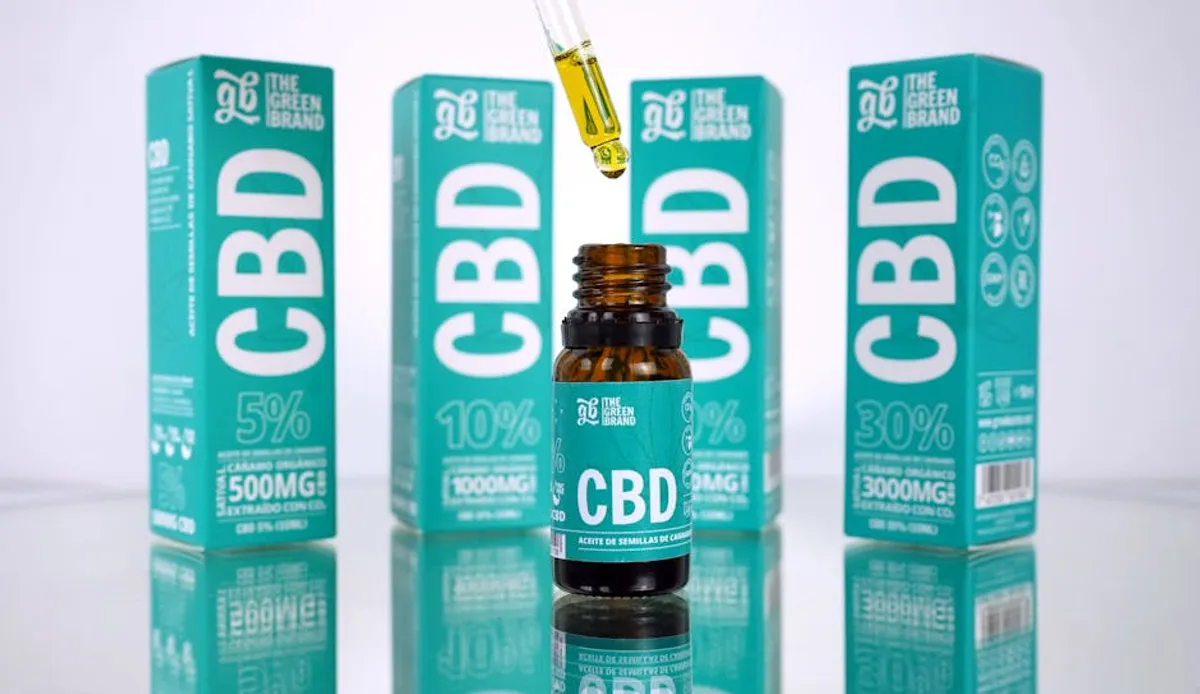
The rapidly expanding market for cannabidiol (CBD) products has introduced a wealth of options, but also a significant amount of misinformation. For new users navigating this landscape, distinguishing between accurate information and common misconceptions is crucial for making informed purchasing decisions and setting realistic expectations. This guide addresses prevalent CBD myths, providing clarity on what new users genuinely need to understand about its effects, product varieties, and practical considerations.
Common CBD Myths Debunked
Myth: CBD Gets You High
One of the most persistent myths is that CBD products induce a psychoactive "high" similar to delta-9 tetrahydrocannabinol (THC). This is incorrect. CBD is a non-intoxicating cannabinoid. The psychoactive effects associated with cannabis primarily stem from THC. Legal CBD products, particularly those derived from hemp, contain less than 0.3% THC by dry weight. This trace amount is insufficient to produce intoxicating effects. Users seeking to avoid any THC should opt for products labeled "CBD isolate" or "broad-spectrum CBD," which have undergone processing to remove all detectable THC. Understanding hemp oil legal status is also vital for users seeking to avoid THC.
Myth: All CBD Products Are Identical
The market offers a diverse range of CBD products, each with distinct compositions and potential effects. They are broadly categorized into three types:
- Full-Spectrum CBD: Contains all naturally occurring compounds of the cannabis plant, including other cannabinoids (like CBG, CBN), terpenes, flavonoids, and up to 0.3% THC. The presence of these compounds is believed to create an "entourage effect," where they work synergistically.
- Broad-Spectrum CBD: Similar to full-spectrum but with the THC completely removed. It retains other cannabinoids and terpenes, offering the potential for an entourage effect without any THC.
- CBD Isolate: The purest form of CBD, containing 99% or more pure CBD with all other plant compounds removed. This is ideal for users who want to avoid all other cannabinoids, including THC.
Beyond these classifications, products vary by delivery method (oils, capsules, edibles, topicals), concentration, and additional ingredients, all of which influence absorption and efficacy.
Myth: CBD Is a Miracle Cure for All Ailments
While research into CBD's potential therapeutic benefits is ongoing and promising, it is not a panacea. Consumers should approach claims of CBD as a "miracle cure" with skepticism. CBD is often used to support general wellness, manage discomfort, or promote relaxation. Its effects are typically subtle and can vary significantly among individuals due to differences in metabolism, body chemistry, and the specific condition being addressed. It is crucial to manage expectations and understand that CBD is a supplement, not a pharmaceutical drug designed to cure diseases. Some users have found success with using hemp for better sleep and relaxation.
Myth: The CBD Market Is Completely Unregulated
While the CBD market lacks the stringent federal regulation of prescription drugs, it is not entirely unregulated. The 2018 Farm Bill legalized hemp-derived CBD at the federal level, provided it contains less than 0.3% THC. However, the Food and Drug Administration (FDA) has stated that CBD cannot be marketed as a dietary supplement or added to food and beverages, though enforcement varies. State-level regulations also exist, often covering testing, labeling, and sales. This fragmented regulatory landscape means consumers must prioritize product quality and transparency from manufacturers.
Pro Tip: Always verify product quality through third-party lab testing. Reputable CBD brands provide a Certificate of Analysis (COA) for each batch, detailing cannabinoid content (including THC levels), and confirming the absence of contaminants like heavy metals, pesticides, and microbial impurities. If a brand does not offer a COA, consider it a significant red flag.
Myth: You Can't Fail a Drug Test After Using CBD
This myth carries significant risk. While CBD itself is not typically screened for in standard drug tests, full-spectrum CBD products contain trace amounts of THC (up to 0.3%). Consistent use, especially at higher doses, can lead to a buildup of THC metabolites in the body, potentially resulting in a positive drug test for marijuana. Individuals subject to drug testing, such as those in regulated professions, should opt for CBD isolate or broad-spectrum products that explicitly state "0.0% THC" on their COA, and even then, exercise caution due to potential cross-contamination during manufacturing.
Making Informed Choices as a New User
Understanding Dosage and Administration
There is no universal "correct" CBD dosage. Factors like body weight, metabolism, individual sensitivity, and the desired effect all play a role. New users are generally advised to "start low and go slow," beginning with a small dose (e.g., 5-10 mg) and gradually increasing it until the desired effects are noticed. Keeping a journal to track dosage, time of administration, and perceived effects can help optimize usage. Different administration methods also affect bioavailability and onset time:
- Sublingual (tinctures/oils): Absorbed under the tongue, faster onset (15-45 minutes), lasts 4-6 hours.
- Ingested (capsules/edibles): Slower onset (30-90 minutes), longer-lasting effects (6-8 hours), but lower bioavailability due to digestion.
- Topical (creams/balms): Applied to the skin for localized effects, minimal systemic absorption, onset and duration vary.
Consulting Healthcare Professionals
Before incorporating CBD into any wellness regimen, especially if you are taking other medications or have underlying health conditions, consult with a healthcare professional. CBD can interact with certain prescription drugs, particularly those metabolized by the cytochrome P450 enzyme system (e.g., blood thinners, antidepressants). A medical professional can provide personalized advice, assess potential interactions, and help determine if CBD is appropriate for your specific needs.
Navigating the CBD Market Responsibly
For new CBD users, the key to a positive experience lies in education and vigilance. Prioritize brands that offer complete transparency regarding their sourcing, extraction methods, and third-party lab testing. Understand the differences between full-spectrum, broad-spectrum, and isolate products to choose one that aligns with your personal preferences and any THC-related concerns. Start with a low dose, observe your body's response, and consult with a healthcare provider to ensure safe and effective integration into your routine. By dispelling common myths and focusing on verifiable facts, you can make confident, informed decisions about CBD use.
Frequently Asked Questions About CBD
Is CBD legal everywhere?
CBD derived from hemp (containing less than 0.3% THC) is federally legal in the United States. However, state laws vary, with some states having stricter regulations or outright bans on certain CBD product types. Always check local laws before purchasing or using CBD.
How long does it take for CBD to work?
The onset of CBD's effects depends on the administration method. Sublingual tinctures typically work within 15-45 minutes, while ingested products like capsules or edibles can take 30-90 minutes. Topical applications provide localized effects with varying onset times.
Can CBD cause side effects?
CBD is generally well-tolerated, but some users may experience mild side effects, including drowsiness, dry mouth, reduced appetite, or diarrhea. These effects are often dose-dependent and can be mitigated by starting with a low dose and gradually increasing it.
What is the difference between hemp oil and CBD oil?
Hemp oil (or hemp seed oil) is typically extracted from the seeds of the hemp plant and contains negligible amounts of cannabinoids like CBD. It is primarily used for its nutritional value. CBD oil, on the other hand, is extracted from the flowers, leaves, and stalks of the hemp plant and is specifically processed to contain significant levels of CBD.