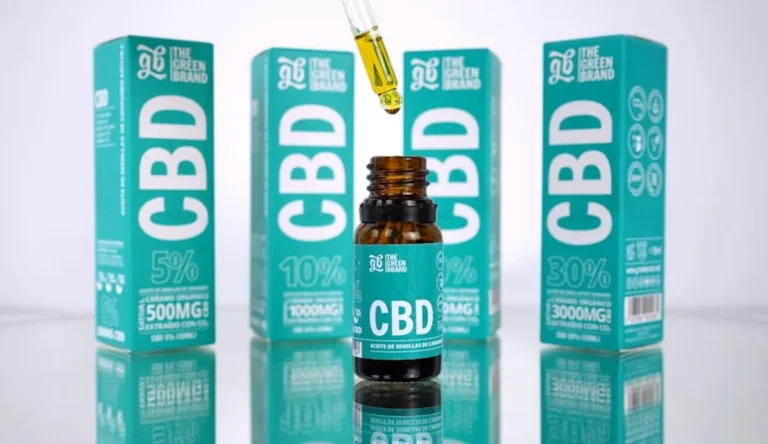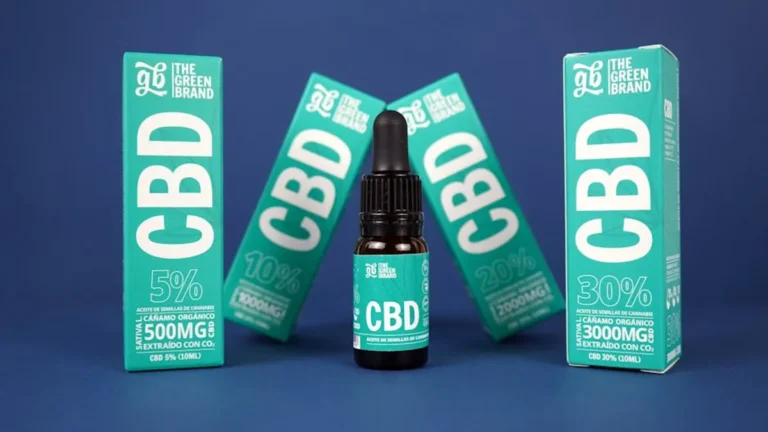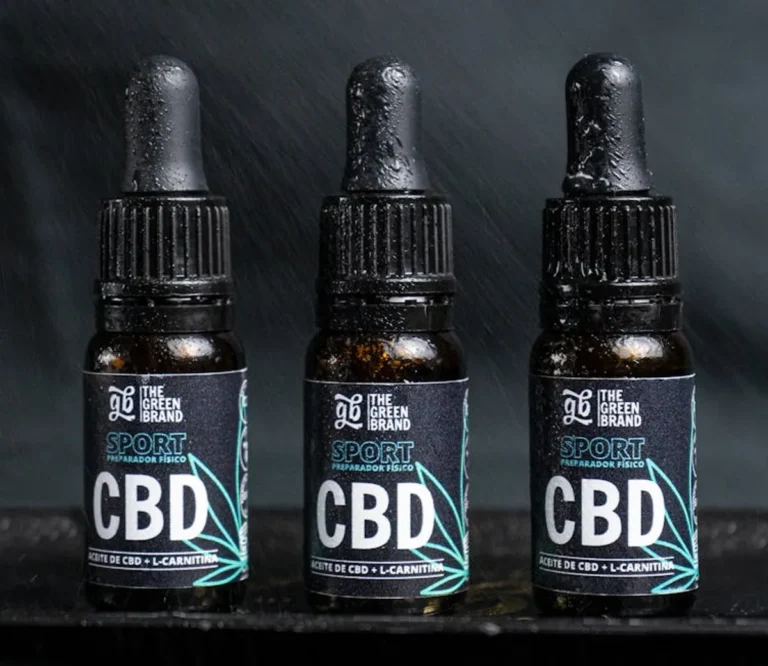

For individuals exploring natural pathways to enhance well-being, hemp oil has emerged as a prominent option, often cited for its potential to support relaxation, manage discomfort, and promote overall balance. However, the landscape of natural wellness is broad and diverse, offering numerous alternatives that cater to specific needs, preferences, or sensitivities. Understanding these alternatives is crucial for making informed choices that align with individual health goals, whether seeking different mechanisms of action, avoiding specific compounds, or exploring complementary botanical supports. This guide details several established natural supplements and herbal extracts that provide distinct benefits for stress management, sleep quality, mood regulation, and cognitive function, offering a comprehensive overview for those looking beyond hemp oil. Exploring natural wellness supplement options can help individuals find the best fit for their needs.
What to Look For in an Alternative
When evaluating alternatives to hemp oil for natural wellness, consider several key factors to ensure the chosen option aligns with your specific needs and expectations. First, identify your primary wellness goal: is it stress reduction, improved sleep, enhanced mood, cognitive support, or physical comfort? Different alternatives excel in different areas. Second, research the active compounds and their mechanisms of action to understand how they interact with the body. Third, verify the quality and sourcing of the product; look for third-party testing, clear ingredient lists, and reputable manufacturers. Fourth, consider the form of administration (capsule, powder, tincture) and dosage recommendations. Finally, be aware of potential interactions with medications or existing health conditions, consulting a healthcare professional if unsure.
1. Ashwagandha Extract
Ashwagandha (Withania somnifera) is an adaptogenic herb widely used in Ayurvedic medicine for centuries. It is primarily recognized for its ability to help the body adapt to stress, promoting a sense of calm and balance without sedation. Its active compounds, called withanolides, are believed to modulate the body's stress response system, influencing cortisol levels and supporting overall adrenal health. Beyond stress reduction, ashwagandha is also associated with improvements in energy levels, cognitive function, and sleep quality for some individuals.
Key Features: Adaptogenic properties, stress reduction, supports energy and focus, potential for improved sleep.
Pricing: Varies significantly based on extract potency, brand reputation, and quantity. Typically ranges from $15 to $40 for a month's supply of capsules or powder.
Best For: Individuals experiencing chronic stress, mild anxiety, or seeking to improve overall resilience and mental clarity without significant sedative effects.
Pros:
- Well-researched adaptogen with a long history of traditional use.
- Helps normalize physiological responses to stress.
- Generally well-tolerated with consistent use.
- Can be taken daily for long-term support.
Cons:
- Effects may take several weeks of consistent use to become noticeable.
- Some individuals may experience mild digestive upset.
- Not recommended for pregnant or breastfeeding women, or those with certain medical conditions without professional advice.
2. Rhodiola Rosea
Rhodiola Rosea, often called "golden root," is another potent adaptogen found in cold, high-altitude regions. It is valued for its ability to combat fatigue, enhance mental performance, and improve physical stamina, particularly under stressful conditions. Its primary active compounds, rosavins and salidrosides, are thought to influence neurotransmitter activity and energy metabolism, helping to reduce perceived exertion and improve focus during demanding tasks. Rhodiola is particularly favored by those seeking to optimize performance and resilience.
Key Features: Anti-fatigue, cognitive enhancement, stress adaptation, mood support.
Pricing: Similar to ashwagandha, pricing ranges from $20 to $50 for a standard supply, depending on concentration and brand quality.
Best For: Individuals experiencing mental or physical fatigue, those needing enhanced focus and concentration for demanding work, or athletes seeking improved endurance and recovery.
Pros:
- Effective for reducing fatigue and improving mental performance.
- Supports the body's ability to cope with physical and psychological stressors.
- Can provide a noticeable boost in energy and mood.
- Relatively fast-acting for some individuals.
Cons:
- May cause mild stimulation, so best taken earlier in the day.
- Can interact with certain medications, particularly antidepressants.
- Quality and potency vary widely between products.
3. Magnesium Glycinate
Magnesium is an essential mineral involved in over 300 biochemical reactions in the body, playing critical roles in nerve function, muscle contraction, energy production, and bone health. Magnesium glycinate is a chelated form of magnesium, meaning magnesium is bound to the amino acid glycine. This particular form is highly bioavailable and less likely to cause digestive upset compared to other magnesium forms. It is specifically recognized for its calming properties, supporting relaxation, improving sleep quality, and reducing muscle tension, making it a popular choice for stress and anxiety management.
Key Features: High bioavailability, nerve and muscle relaxation, sleep support, anxiety reduction.
Pricing: Generally affordable, with a month's supply costing between $10 and $25.
Best For: Individuals experiencing muscle cramps, restless legs, difficulty sleeping, or those seeking a gentle, non-sedating way to promote relaxation and reduce mild anxiety.
Pros:
- Excellent absorption with minimal gastrointestinal side effects.
- Supports a wide range of bodily functions crucial for wellness.
- Promotes natural relaxation and improves sleep architecture.
- Safe for most individuals when taken as directed.
Cons:
- Higher doses can still cause loose stools in sensitive individuals.
- Not a direct adaptogen, so its mechanism differs from herbal stress relievers.
- May not be sufficient for severe anxiety or sleep disorders on its own.
4. L-Theanine
L-Theanine is an amino acid primarily found in green tea leaves. It is renowned for its unique ability to promote a state of relaxed alertness without causing drowsiness. L-Theanine works by increasing alpha brain wave activity, which is associated with a calm, focused mental state, and by influencing neurotransmitters like GABA, dopamine, and serotonin. This makes it an ideal supplement for those seeking to reduce jitteriness from caffeine, improve concentration, or gently ease everyday stress and anxiety while maintaining cognitive function.
Key Features: Promotes relaxed alertness, reduces anxiety, improves focus, non-sedating.
Pricing: Very accessible, typically $10 to $25 for a 1-2 month supply of capsules.
Best For: Individuals seeking to improve focus and concentration, reduce stress and anxiety without sedation, or mitigate the side effects of caffeine (e.g., jitters).
Pros:
- Provides calm focus without drowsiness.
- Relatively fast-acting, with effects often felt within 30-60 minutes.
- Excellent safety profile, even at higher doses.
- Synergistic with caffeine to enhance cognitive performance.
Cons:
- Effects can be subtle for some individuals.
- Not intended for severe anxiety or panic disorders.
- May not provide significant relief for physical discomfort.
5. Kava Kava
Kava Kava (Piper methysticum) is a traditional South Pacific plant known for its anxiolytic and muscle-relaxing properties. The active compounds, called kavalactones, interact with neurotransmitters in the brain, particularly GABA receptors, to produce a calming effect. Kava is often used for acute stress relief, to ease social anxiety, and to promote sleep. Its effects are typically more pronounced than milder herbal remedies, offering a distinct sense of relaxation and mild euphoria for some users.
Key Features: Strong anxiolytic effects, muscle relaxation, promotes sleep, mood elevation.
Pricing: Can be more expensive than other herbal supplements, ranging from $25 to $60 for a month's supply, depending on form (capsules, tinctures, or raw root).
Best For: Individuals experiencing acute anxiety, social apprehension, or occasional insomnia who need more significant relaxation than milder alternatives provide.
Pros:
- Potent anxiolytic effects, often providing noticeable relief.
- Can be very effective for promoting relaxation and sleep.
- Traditional use for centuries in ceremonial and social contexts.
Cons:
- Potential for liver toxicity with long-term, high-dose use or poor-quality extracts; careful sourcing is critical.
- May cause drowsiness or impaired motor skills.
- Not recommended for daily, long-term use without professional guidance.
- Can interact with alcohol and certain medications.
6. Valerian Root
Valerian Root (Valeriana officinalis) is a perennial flowering plant whose root has been used as a medicinal herb since ancient times, primarily for its sedative and anxiolytic effects. It is most commonly employed as a natural sleep aid, helping to reduce the time it takes to fall asleep and improving sleep quality. Valerian's active compounds are thought to increase the availability of GABA in the brain, similar to some pharmaceutical sedatives, but with a milder action. It is a popular choice for those struggling with insomnia or restlessness.
Key Features: Sedative, anxiolytic, natural sleep aid, promotes relaxation.
Pricing: One of the more affordable herbal options, typically $10 to $25 for a month's supply.
Best For: Individuals experiencing occasional insomnia, difficulty falling asleep, or mild anxiety that disrupts sleep. It is often used acutely rather than for daily, long-term support.
Pros:
- Effective for improving sleep onset and quality for many users.
- Reduces anxiety and promotes a sense of calm.
- Widely available and relatively inexpensive.
Cons:
- Can cause drowsiness, so it should be taken before bed.
- Some individuals report a "hangover" effect or grogginess the next morning.
- Has a distinct, strong odor that some find unpleasant.
- Effects may vary, and it doesn't work for everyone.
7. Adaptogenic Mushroom Blends
Adaptogenic mushroom blends typically combine extracts from various medicinal fungi such as Reishi, Lion's Mane, Cordyceps, and Chaga. Each mushroom offers distinct benefits, but collectively, they function as adaptogens, helping the body manage stress and promoting overall resilience. Reishi is known for immune support and relaxation, Lion's Mane for cognitive enhancement and nerve health, and Cordyceps for energy and stamina. These blends provide a holistic approach to wellness, addressing multiple facets of physical and mental health simultaneously.
Key Features: Comprehensive adaptogenic support, immune modulation, cognitive enhancement, energy and stamina, stress reduction.
Pricing: Varies widely based on the specific mushrooms included, concentration, and brand. Typically ranges from $25 to $70 for a month's supply, reflecting the complexity of the blends.
Best For: Individuals seeking broad-spectrum wellness support, those looking to enhance immune function, improve cognitive performance, boost sustained energy, and manage stress with a multi-faceted approach.
Pros:
- Offers a wide range of benefits due to the synergistic effects of multiple mushrooms.
- Supports both physical and mental resilience.
- Generally well-tolerated with long-term use.
- Available in various forms, including powders for beverages and capsules.
Cons:
- Can be more expensive than single-ingredient supplements.
- Effects may take time to become noticeable, requiring consistent use.
- Flavor of powders may be an acquired taste for some.
- Quality and purity are paramount; look for certified organic and third-party tested products.
How to Choose the Right Alternative
Selecting the most suitable natural wellness alternative involves a methodical approach focused on personal needs and careful evaluation. Begin by clearly defining your primary objective: are you targeting stress, sleep, mood, energy, or cognitive function? This clarity will narrow down the options. Next, research the specific mechanisms of action for each potential alternative to understand how it interacts with the body and whether it aligns with your health philosophy. Pay close attention to product quality, seeking brands that provide transparency in sourcing, manufacturing processes, and third-party testing for purity and potency. Consider the form of the supplement (capsule, powder, tincture) and how it fits into your daily routine. Finally, start with the lowest effective dose and monitor your body's response, making adjustments as needed. If you have underlying health conditions or are taking medications, consult with a healthcare professional before introducing any new supplement to avoid potential interactions.
Frequently Asked Questions
Are natural wellness alternatives safe for long-term use?
Many natural wellness alternatives, particularly adaptogens like ashwagandha and rhodiola, and essential minerals like magnesium, are generally considered safe for long-term use when taken as directed. However, some herbs like Kava Kava are best used acutely or with careful monitoring due to potential concerns. Always adhere to recommended dosages and consult a healthcare professional for personalized advice, especially if you have chronic conditions or are on medication.
How long does it take for these alternatives to show effects?
The onset of effects varies significantly by the alternative and individual physiology. Some, like L-Theanine or Valerian Root, can produce noticeable effects within 30 minutes to a few hours for acute needs. Adaptogens such as Ashwagandha or Rhodiola may require consistent daily use over several weeks (typically 2-4 weeks) before their full benefits become apparent, as they work by gradually modulating the body's systems.
Can I combine multiple natural wellness alternatives?
Combining certain natural wellness alternatives can be beneficial, such as L-Theanine with Magnesium Glycinate for enhanced relaxation. However, combining supplements with similar mechanisms of action or potent effects (e.g., multiple sedatives) can increase the risk of side effects. Always research potential interactions and, ideally, consult with a healthcare professional or a qualified herbalist before combining multiple supplements to ensure safety and efficacy.
Are there any dietary considerations when taking these supplements?
While most natural wellness supplements can be taken independently of specific dietary restrictions, consuming a balanced diet rich in whole foods generally supports their effectiveness. Some supplements, like magnesium, are better absorbed when taken with food. Conversely, some may be more effective on an empty stomach. Always check the specific product's instructions for optimal intake. Avoiding excessive alcohol or caffeine can also enhance the benefits of many calming or sleep-supporting alternatives.