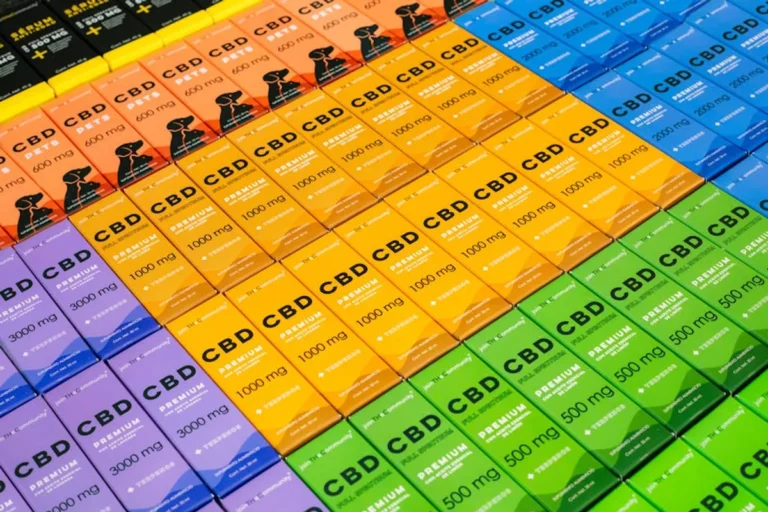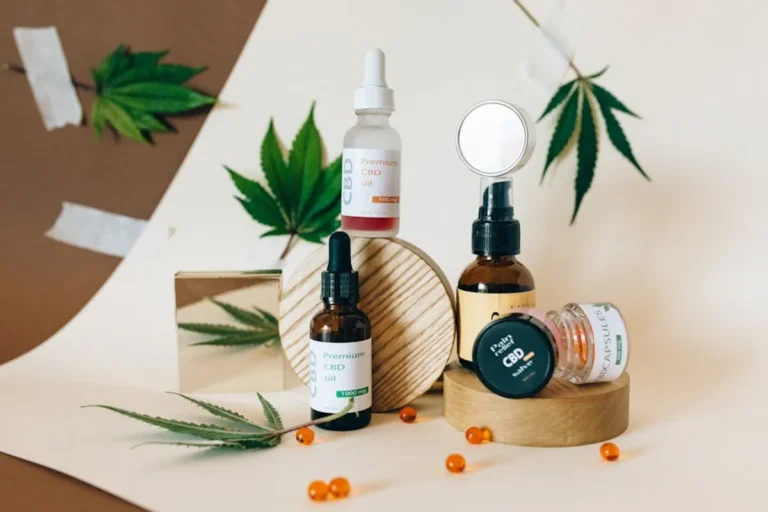
Navigating the hemp oil market as a first-time buyer requires a clear understanding of product composition. The efficacy and safety of hemp oil are directly tied to its ingredients, their sourcing, and their concentrations. Without a foundational grasp of what constitutes a quality product, consumers risk purchasing items that are ineffective, mislabeled, or contain undesirable additives. This guide provides a detailed checklist to help new buyers confidently assess hemp oil ingredients before making a purchase. This process is outlined in a simple hemp oil buying guide for those new to the market.
Differentiating Hemp Oil Types by Ingredient Profile
Before examining individual components, it is crucial to understand the three primary classifications of hemp oil, as each dictates the overall ingredient profile.
Full-Spectrum Hemp Oil
Full-spectrum hemp oil contains a comprehensive range of compounds naturally present in the hemp plant, including various cannabinoids (like CBD, CBC, CBG, CBN, and trace amounts of THC, typically below 0.3%), terpenes, flavonoids, and other beneficial plant materials. The presence of multiple compounds is theorized to create an "entourage effect," where they work synergistically to enhance therapeutic benefits. This type is generally preferred by those seeking the most holistic plant experience.
Broad-Spectrum Hemp Oil
Broad-spectrum hemp oil is similar to full-spectrum but undergoes an additional process to remove all detectable traces of THC. It retains other cannabinoids, terpenes, and flavonoids. This option is suitable for individuals who wish to benefit from the entourage effect without consuming any THC, often due to personal preference, employment drug testing concerns, or legal restrictions in certain regions.
CBD Isolate
CBD isolate is the purest form of cannabidiol, containing 99% or more pure CBD and no other cannabinoids, terpenes, or plant compounds. The extraction process removes all other substances, resulting in a white, crystalline powder that is often dissolved into a carrier oil for consumption. Isolate is ideal for those who only want to experience the effects of CBD itself, or who have sensitivities to other hemp compounds.
Essential Ingredients to Scrutinize
Beyond the primary cannabinoid profile, several other ingredients play critical roles in the quality, stability, and effectiveness of a hemp oil product.
Cannabinoids Beyond CBD
- Cannabigerol (CBG): Often referred to as the "mother cannabinoid" because other cannabinoids are synthesized from its acidic form.
- Cannabichromene (CBC): Non-intoxicating, often found in higher concentrations in certain hemp strains.
- Cannabinol (CBN): A mildly intoxicating cannabinoid that forms as THC degrades.
- Tetrahydrocannabivarin (THCV): A minor cannabinoid with a distinct molecular structure.
The presence and concentration of these minor cannabinoids contribute to the overall spectrum of effects, particularly in full- and broad-spectrum products.
Terpenes
Terpenes are aromatic compounds found in many plants, including hemp, responsible for their distinct scents and flavors. They also contribute to the entourage effect. Common terpenes to look for include:
- Myrcene: Earthy, musky aroma.
- Limonene: Citrusy aroma.
- Caryophyllene: Spicy, peppery aroma.
- Pinene: Pine-like aroma.
- Linalool: Floral, lavender-like aroma.
A diverse terpene profile indicates a well-preserved extract and can influence the product's overall character.
Flavonoids
Flavonoids are plant compounds known for their antioxidant properties and are also present in hemp. While less discussed than cannabinoids and terpenes, they contribute to the plant's overall beneficial profile. Examples include quercetin and apigenin.
Carrier Oils
Hemp extracts are typically diluted in a carrier oil to improve bioavailability and allow for precise dosing. The type of carrier oil affects absorption and taste. Common choices include:
- MCT Oil (Medium-Chain Triglyceride): Derived from coconut or palm oil, MCT oil is easily digested and absorbed, making it a popular choice.
- Hemp Seed Oil: Rich in omega fatty acids, this carrier oil aligns with the hemp plant's natural profile but has a distinct earthy flavor.
- Olive Oil: A readily available and stable option, though it can have a stronger taste and slower absorption rate compared to MCT.
Best for: Optimal absorption and neutral taste often point to MCT oil as a preferred carrier.
Ingredients to Avoid or Approach with Caution
Not all ingredients enhance the product; some can detract from its quality or pose potential risks.
Artificial Additives
Avoid products containing artificial colors, flavors, or sweeteners. These provide no therapeutic benefit and can sometimes trigger sensitivities. Look for products that rely on natural flavorings (e.g., essential oils from fruits) or are unflavored.
Synthetic Cannabinoids
Ensure the product is derived from natural hemp extract. Synthetic cannabinoids are chemically manufactured compounds that can have unpredictable and potentially dangerous effects, distinct from natural hemp compounds.
Undisclosed or Vague Ingredients
If an ingredient list includes terms like "proprietary blend" without further detail, or lists "natural flavors" without specifying their source, proceed with caution. Transparency is key in the hemp oil market.
Pro Tip: Always prioritize products that explicitly state "no artificial colors, flavors, or preservatives" on their packaging or product description. This indicates a commitment to purity and natural formulation.
The Crucial Role of Third-Party Lab Testing
Even with a clear ingredient list, verification is essential. Third-party lab testing provides an unbiased analysis of a product's contents and confirms its purity.
What to Look for in a Certificate of Analysis (COA)
A Certificate of Analysis (COA) should be readily available for every batch of hemp oil. This document provides critical data:
- Cannabinoid Profile and Potency: Confirms the exact concentrations of CBD, THC, and other cannabinoids, verifying the product's type (full-spectrum, broad-spectrum, isolate) and strength.
- Terpene Profile: For full- and broad-spectrum products, this section lists the identified terpenes and their quantities.
- Purity Tests:
- Heavy Metals: Ensures the product is free from harmful elements like lead, mercury, and cadmium.
- Pesticides: Verifies the absence of agricultural chemicals used during cultivation.
- Residual Solvents: Confirms that no harmful solvents from the extraction process remain in the final product.
- Microbial Contaminants: Checks for mold, yeast, and bacteria.
Action: Always check the COA's date to ensure it is recent and corresponds to the batch number on the product you intend to purchase.
Your Essential Hemp Oil Ingredient Checklist
Before committing to a purchase, use this checklist to ensure you're selecting a high-quality product:
- Hemp Oil Type: Is it full-spectrum, broad-spectrum, or isolate? Does this align with your preferences?
- Cannabinoid Diversity: For full/broad-spectrum, are minor cannabinoids (CBG, CBC, CBN) present and quantified on the COA?
- Terpene Profile: Is a diverse terpene profile listed, especially for full/broad-spectrum products?
- Carrier Oil: What is the carrier oil? Is it clearly stated and suitable for your needs?
- Absence of Artificials: Are there any artificial colors, flavors, or synthetic additives? (Preferably none.)
- Third-Party COA: Is a current, batch-specific COA available and easily accessible?
- Purity Verified: Does the COA confirm absence of heavy metals, pesticides, residual solvents, and microbial contaminants?
Frequently Asked Questions About Hemp Oil Ingredients
What is the difference between hemp oil and hemp seed oil?
Hemp oil (or CBD oil) is extracted from the flowers, leaves, and stalks of the hemp plant and contains cannabinoids like CBD. Hemp seed oil is pressed from the seeds of the hemp plant and contains no cannabinoids; it is primarily a nutritional oil rich in fatty acids.
Do all hemp oils contain THC?
No. Full-spectrum hemp oils contain trace amounts of THC (under 0.3%). Broad-spectrum hemp oils have had all detectable THC removed. CBD isolates contain no THC.
Why is a carrier oil necessary in hemp oil products?
Carrier oils like MCT or hemp seed oil are used to dilute concentrated hemp extract, making it easier to measure accurate dosages. They also help improve the absorption of cannabinoids into the bloodstream.
Can I trust a product if it doesn't have a COA?
It is strongly advised not to purchase hemp oil products that do not provide an easily accessible and up-to-date Certificate of Analysis (COA) from a reputable third-party lab. The COA is the primary way to verify the product's contents and purity claims.