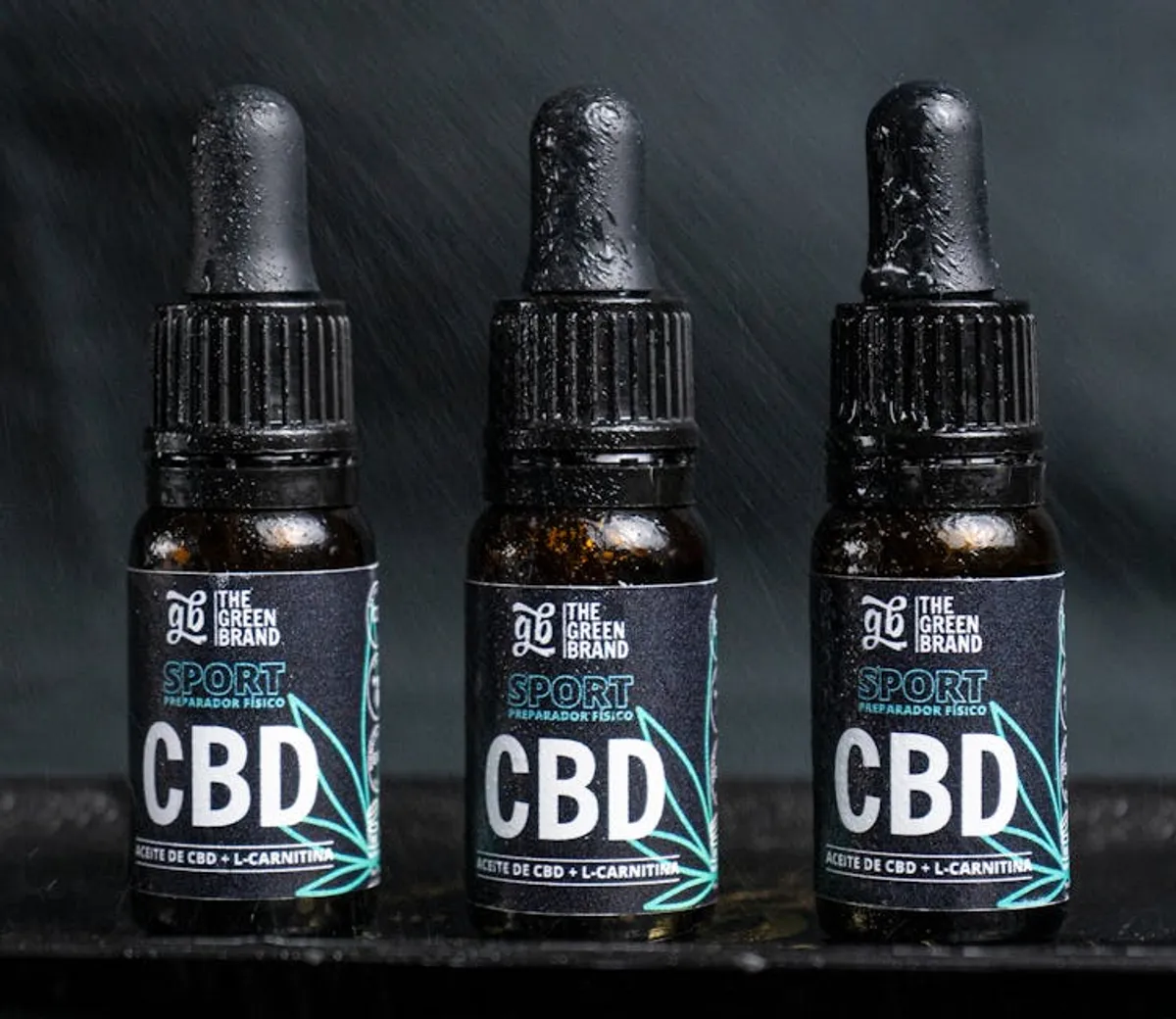
For those new to the world of CBD oil, navigating the array of products, terminology, and claims can feel overwhelming. The landscape is rich with options, from tinctures to topicals, each promising distinct experiences and applications. Understanding the fundamentals of CBD—what it is, how it interacts with the body, and what to look for in a product—is crucial for making informed decisions. This guide addresses common questions, providing a foundational understanding to help beginners approach CBD with clarity and confidence.
What Exactly is CBD Oil?
CBD, or cannabidiol, is one of over a hundred cannabinoids identified in the cannabis plant. Unlike tetrahydrocannabinol (THC), the primary psychoactive compound in cannabis, CBD is non-intoxicating, meaning it does not produce the "high" associated with marijuana. Most CBD oil products are derived from industrial hemp, a variety of the cannabis sativa plant specifically cultivated to contain minimal THC (typically less than 0.3% by dry weight, as per federal guidelines in the United States).
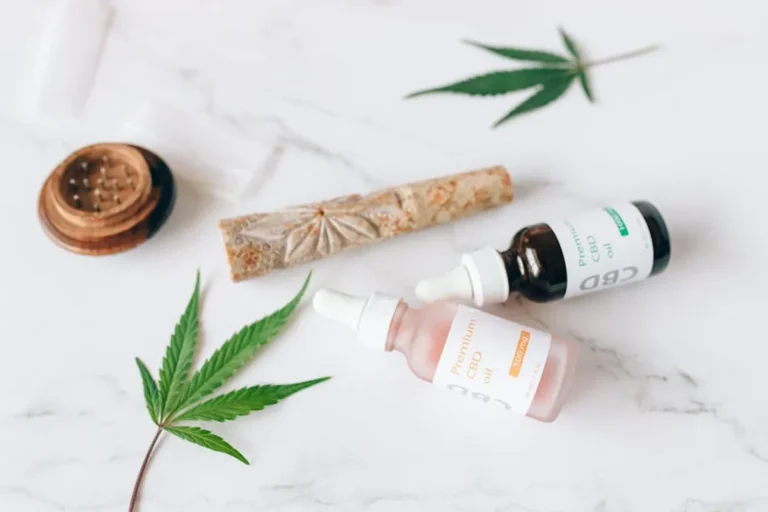
CBD oil is created by extracting CBD and other compounds from the hemp plant, then diluting them with a carrier oil, such as coconut (MCT) oil or hemp seed oil. This process yields a product that can be ingested or applied topically.
How Does CBD Interact with the Body?
CBD interacts with the body's endocannabinoid system (ECS), a complex cell-signaling system identified in the early 1990s. The ECS plays a crucial role in regulating a wide range of functions and processes, including sleep, mood, appetite, memory, and immune response. It consists of three core components:
- Endocannabinoids: Cannabinoid-like molecules produced by the body.
- Receptors: Found throughout the body, to which endocannabinoids bind. The two main types are CB1 receptors (mostly in the central nervous system) and CB2 receptors (mostly in the peripheral nervous system and immune cells).
- Enzymes: Which break down endocannabinoids once they have served their function.
Unlike THC, which directly binds to CB1 and CB2 receptors, CBD is thought to work indirectly. It may influence the ECS by preventing endocannabinoids from being broken down, allowing them to have a greater effect on the body. It can also interact with non-cannabinoid receptors, contributing to its diverse effects.
Understanding CBD Product Types
CBD oil is available in various forms, each offering different absorption rates and methods of use:
Tinctures and Oils
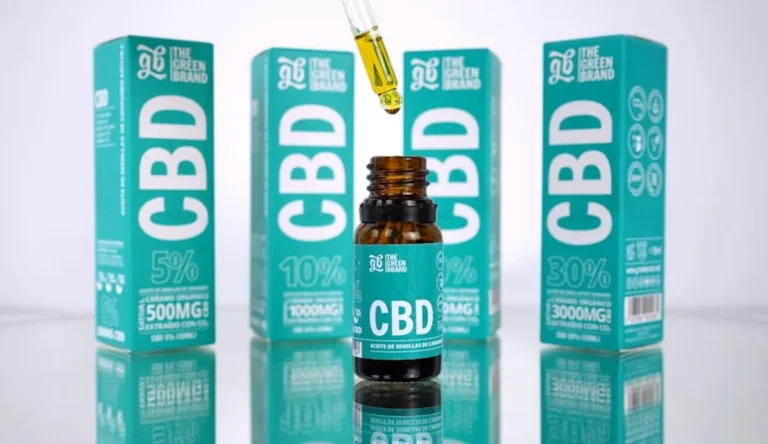
These are liquid extracts typically taken sublingually (under the tongue) using a dropper. Holding the oil under the tongue for 30-90 seconds allows for absorption directly into the bloodstream through mucous membranes, leading to faster onset of effects compared to edibles. Dosage can be precisely adjusted drop by drop.
Capsules and Softgels
CBD capsules offer a pre-measured dose, simplifying consumption and ensuring consistency. They are ingested orally and processed through the digestive system, meaning effects may take longer to appear (30-90 minutes) but can last longer. This form is ideal for those who prefer a tasteless option and precise dosing.
Edibles
Gummies, chocolates, and other food products infused with CBD are popular for their convenience and taste. Like capsules, edibles are digested, resulting in a slower onset of effects but potentially prolonged duration. The bioavailability can vary significantly due to the "first-pass effect" in the liver.
Topicals
Creams, balms, lotions, and salves infused with CBD are applied directly to the skin. They are designed to interact with cannabinoid receptors in the skin and underlying tissues, providing localized effects without entering the bloodstream. Topicals are often used for muscle and joint discomfort or skin conditions.
Deciphering Potency and Dosage
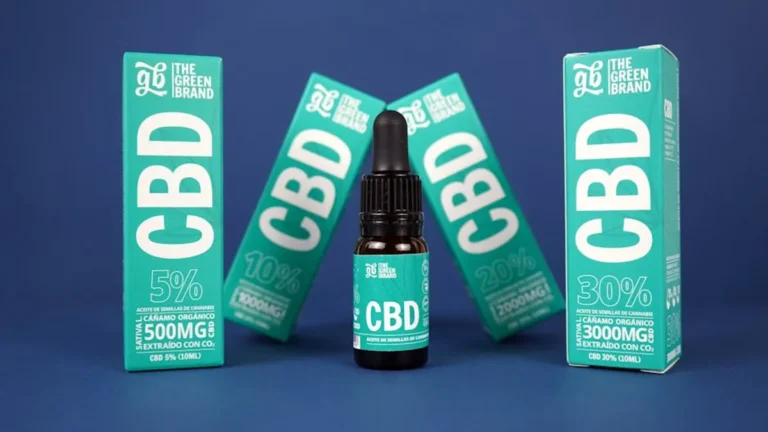
CBD product labels typically list the total CBD content in milligrams (mg) for the entire container, and sometimes per serving. For tinctures, the concentration is often expressed as mg per milliliter (mg/ml). Beginners should always start with a low dose, typically 5-10 mg per day, and gradually increase it until the desired effects are achieved. This process is known as titration. Individual responses to CBD vary widely due to factors like body weight, metabolism, and the specific condition being addressed. Consistency is key; regular use over several days or weeks often yields more noticeable results than sporadic consumption. Beginners should consider starting with a safe dosage to avoid adverse effects.
Full-Spectrum, Broad-Spectrum, or Isolate?
These terms describe the composition of the CBD extract:
- Full-Spectrum CBD: Contains all naturally occurring compounds of the hemp plant, including other cannabinoids (like trace amounts of THC, typically below 0.3%), terpenes, and flavonoids. The presence of multiple compounds is believed to create an "entourage effect," where they work synergistically to enhance therapeutic benefits.
- Broad-Spectrum CBD: Contains a range of cannabinoids, terpenes, and flavonoids, but with the THC completely removed. This offers the benefits of the entourage effect without any concern for THC content, making it a popular choice for those who want to avoid THC entirely.
- CBD Isolate: This is the purest form of CBD, containing 99% pure cannabidiol with all other plant compounds removed. It has no taste or odor and is ideal for those who are sensitive to other cannabinoids or prefer a THC-free option. However, it lacks the potential benefits of the entourage effect.
Safety Considerations and Potential Side Effects
While generally well-tolerated, CBD can cause mild side effects in some individuals, including:
- Dry mouth
- Drowsiness or fatigue
- Diarrhea
- Changes in appetite or weight
CBD can also interact with certain medications, particularly those that carry a "grapefruit warning" because they are metabolized by cytochrome P450 enzymes in the liver. It is crucial to consult with a healthcare professional before starting CBD, especially if you are taking other medications or have underlying health conditions.
Pro Tip: Always prioritize products that provide transparent third-party lab testing results (Certificates of Analysis or COAs). These reports verify the CBD content, confirm the absence of contaminants like heavy metals, pesticides, and mold, and ensure THC levels are within legal limits. Reputable brands make COAs readily accessible via QR codes on packaging or on their websites.
Navigating the Legal Landscape
In the United States, the 2018 Farm Bill federally legalized hemp and hemp-derived products, including CBD, provided they contain less than 0.3% delta-9 THC. However, individual states may have their own regulations regarding the sale and use of CBD. It is important to be aware of the laws in your specific location, as they can vary. For international users, CBD legality differs significantly by country, and research into local laws is essential before purchasing or traveling with CBD products.
Practical Advice for First-Time Users
Starting your CBD journey involves more than just picking a product off the shelf. Consider these steps for a more effective experience:
- Define Your Goal: Understand why you're considering CBD. Is it for general wellness, sleep support, or localized discomfort? Your objective can guide product selection.
- Research Brands: Look for companies with a strong reputation for transparency, quality sourcing, and readily available third-party lab results.
- Start Low, Go Slow: Begin with the lowest recommended dose and maintain it for several days before considering a slight increase. Observe how your body responds.
- Consistency is Key: CBD often works best with consistent use over time, allowing the body to adapt and the ECS to respond.
- Consult a Professional: Always discuss CBD use with your doctor, especially if you have existing health conditions or are on medication. They can provide personalized advice and monitor for potential interactions.
Common Questions Answered
Is CBD oil addictive?
No, CBD is not considered addictive. Research indicates it does not produce dependence or withdrawal symptoms, unlike some other substances. The World Health Organization (WHO) has stated that "CBD exhibits no effects indicative of any abuse or dependence potential."
How long does it take for CBD oil to work?
The onset of effects varies significantly depending on the consumption method. Sublingual tinctures can take effect within 15-45 minutes. Edibles and capsules, which pass through the digestive system, may take 30-90 minutes or longer. Topicals can provide localized relief within minutes to an hour. Individual metabolism also plays a role.
Will CBD oil make me high?
No, CBD oil derived from hemp and containing less than 0.3% THC will not produce a psychoactive "high." THC is the compound responsible for intoxicating effects. Full-spectrum products contain only trace amounts of THC, insufficient to cause intoxication.
Can I fail a drug test from CBD oil?
While unlikely with broad-spectrum or isolate products, full-spectrum CBD oil contains trace amounts of THC (under 0.3%). Though this amount is small, there is a possibility that consistent, high-dose use could lead to a positive result on highly sensitive drug tests designed to detect THC metabolites. If drug testing is a concern, broad-spectrum or CBD isolate products are generally recommended.