Navigating the initial stages of CBD use requires a clear understanding of dosage. Unlike many common supplements, there isn't a universally prescribed dose for CBD, making the starting process feel ambiguous for beginners. The primary goal is to identify an effective amount that delivers desired benefits without unnecessary side effects, all while prioritizing safety. This guide focuses on establishing a responsible approach to CBD consumption, emphasizing how to begin cautiously, monitor your body's responses, and make informed decisions based on product specifics and individual needs.
Understanding CBD and Dosage Variables
CBD, or cannabidiol, interacts with the body's endocannabinoid system, a complex network involved in regulating various physiological processes. Because individual endocannabinoid systems differ, the optimal CBD dose can vary significantly from person to person. Several key factors influence how CBD affects an individual and, consequently, what constitutes an appropriate starting dose:
- Body Weight: Generally, individuals with higher body mass may require a larger dose to experience the same effects as someone with lower body mass. This is a common principle across many substances.
- Metabolism: Individual metabolic rates dictate how quickly the body processes and eliminates compounds. A faster metabolism might necessitate more frequent or slightly larger doses.
- Severity of Condition: The intensity of the issue being addressed (e.g., mild discomfort versus significant anxiety) will influence the effective dose. More pronounced symptoms may require a higher dose.
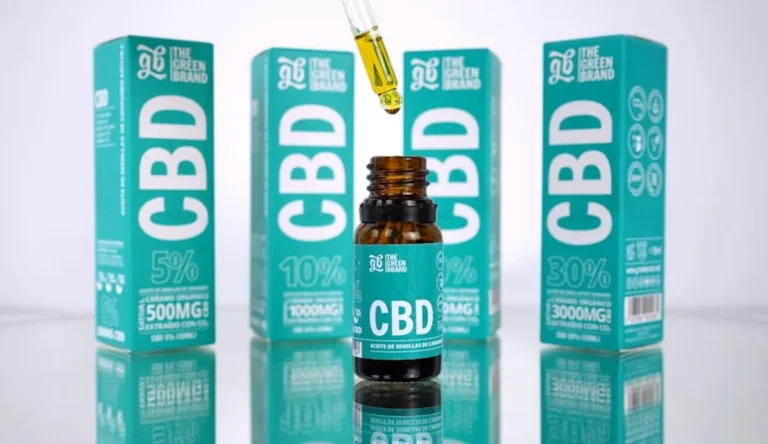
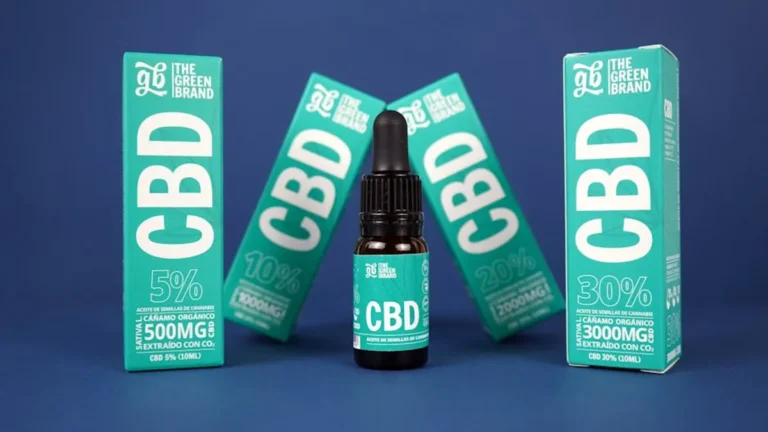
- Product Concentration: CBD products come in various concentrations, typically measured in milligrams (mg) per bottle or per serving. A 1000mg bottle of CBD oil will have a higher concentration per drop than a 500mg bottle of the same size.
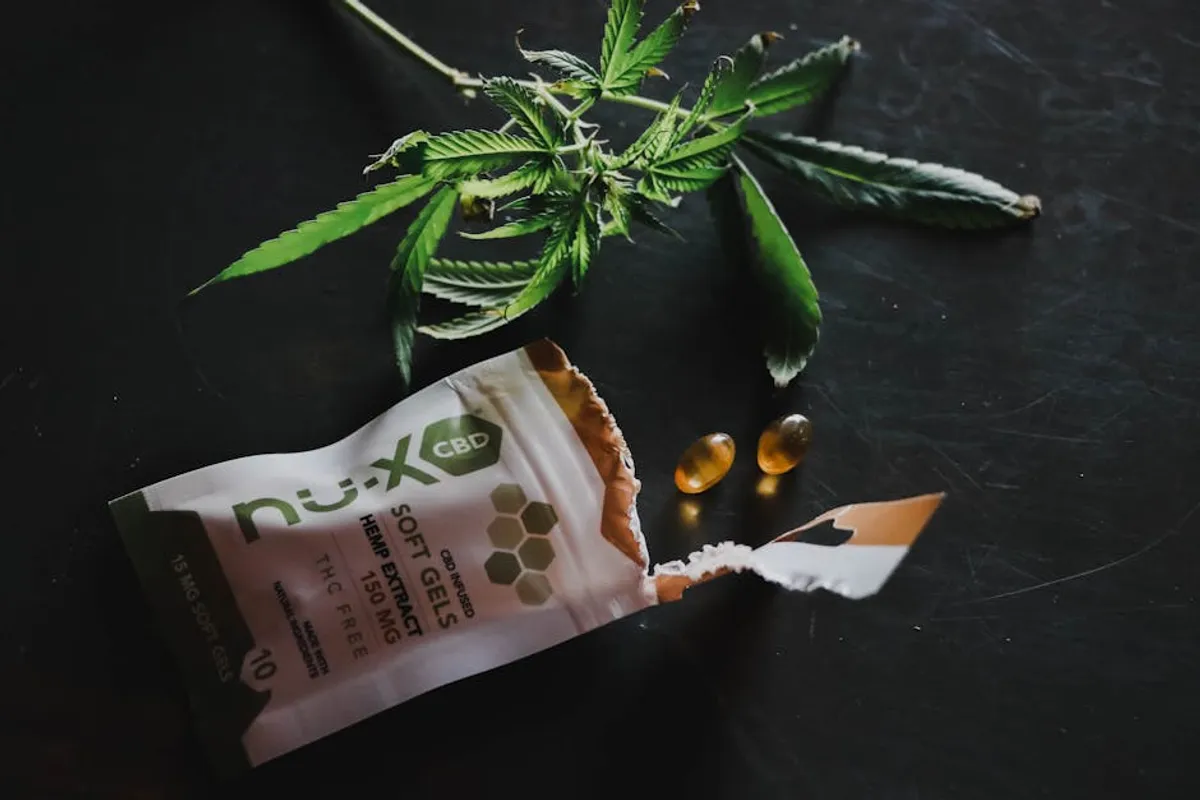
- Method of Consumption: How CBD is consumed affects its bioavailability and onset time. Ingesting edibles or capsules results in slower onset but longer-lasting effects, while sublingual tinctures or vaping offer quicker absorption.
The "Start Low, Go Slow" Principle
The most critical advice for beginners is to adopt a "start low, go slow" strategy, also known as titration. This methodical approach minimizes the risk of adverse effects and helps pinpoint the lowest effective dose. Here’s how to implement it:
Establishing Your Initial Baseline
Begin with a very small dose, typically 5-10 mg of CBD, once or twice daily. This initial amount is often below what might be considered therapeutically effective for many, but it serves as a baseline to assess your body's initial reaction. For tinctures, this often translates to a few drops, depending on the product's concentration. Always refer to the product's specific dosing instructions and concentration per serving.
Monitoring and Adjusting Gradually
Maintain your initial dose for at least 3-7 days. During this period, pay close attention to any changes in your symptoms, mood, sleep patterns, or overall well-being. It is helpful to keep a journal to record the dose taken, time of day, and any observed effects, positive or negative. If after this period you haven't experienced the desired effects, incrementally increase your dose by another 5-10 mg. Repeat this cycle, holding each new dose for several days before making further adjustments, until you find the amount that provides optimal relief with minimal side effects.
Pro Tip: Patience is key. CBD's effects are often subtle and cumulative. Rushing the dosage increase can lead to using more than necessary or misinterpreting the product's efficacy. Allow your body time to adapt and respond to each dosage level.
Understanding Product Labels and Third-Party Testing
Accurate dosing relies heavily on understanding the product you are using. Reputable CBD manufacturers provide clear and comprehensive labeling that details the total CBD content, the concentration per serving, and suggested serving sizes. Always verify these details.
Beyond label claims, the most reliable indicator of product quality and accurate CBD content is third-party lab testing. These certificates of analysis (COAs) should be readily available from the manufacturer, either on their website or via a QR code on the packaging. A COA confirms:
- CBD Potency: Verifies the actual amount of CBD (and other cannabinoids) present, ensuring it matches the label claim.
- Absence of Contaminants: Confirms the product is free from harmful levels of pesticides, heavy metals, residual solvents, and microbial contaminants.
Prioritizing products with transparent third-party testing ensures you are consuming a safe and accurately dosed product, which is fundamental to a safe beginner experience.
Potential Side Effects and Medication Interactions
While CBD is generally well-tolerated, especially at lower doses, some individuals may experience mild side effects. These can include:
- Dry mouth
- Drowsiness or fatigue
- Diarrhea
- Changes in appetite
These effects are often transient and can sometimes be mitigated by reducing the dose. If side effects persist or are bothersome, discontinue use and consult a healthcare professional.
A more significant safety consideration involves potential interactions with other medications. CBD can inhibit cytochrome P450 enzymes in the liver, which are responsible for metabolizing many pharmaceutical drugs. This can lead to increased or decreased levels of other medications in the bloodstream, potentially altering their effectiveness or increasing side effects. If you are taking any prescription medications, particularly those with a "grapefruit warning" (indicating they interact with grapefruit juice), it is crucial to consult a doctor before incorporating CBD into your regimen. Understanding how the endocannabinoid system works can also help you anticipate potential interactions.
Establishing a Safe Routine
For beginners, consistency in dosing is as important as the dose itself. Once you identify an effective dose, aim to take it at roughly the same time each day. This helps maintain a stable level of CBD in your system, which can contribute to more consistent effects. Pay attention to how your body responds over weeks, not just days. Your optimal dose may shift over time, requiring occasional adjustments. Always prioritize products from transparent brands that provide comprehensive third-party lab results to ensure both potency and purity. Consistency in dosing answers some common questions about cbd oil and its effects over time.
Frequently Asked Questions
What is a typical starting CBD dose for a beginner?
A common starting point for beginners is 5-10 mg of CBD taken once or twice daily. This low dose allows individuals to assess their body's initial response before making any gradual increases.
How long does it take for CBD to start working?
The onset of CBD effects varies significantly with the consumption method. Sublingual tinctures can take 15-45 minutes, while edibles or capsules may take 1-2 hours. Vaping offers the quickest onset, often within minutes.
Can you take too much CBD?
While CBD is generally considered safe, taking excessively high doses can increase the likelihood of experiencing mild side effects like drowsiness, dry mouth, or digestive upset. There is no known lethal dose, but responsible dosing is always recommended.
Is it safe to take CBD with other medications?
CBD can interact with certain medications by affecting how they are metabolized in the liver. It is crucial to consult with a healthcare professional before combining CBD with any prescription drugs, especially those with a "grapefruit warning."