For individuals new to the world of cannabidiol, CBD capsules offer a straightforward entry point, bypassing the complexities of tinctures or the learning curve of vaping. The appeal lies in their familiar format and precise dosing. However, the market presents a wide array of options, making an informed first purchase critical. This guide simplifies the selection process, focusing on key attributes that differentiate quality products and ensure a positive initial experience.
Understanding CBD Capsules: What They Are
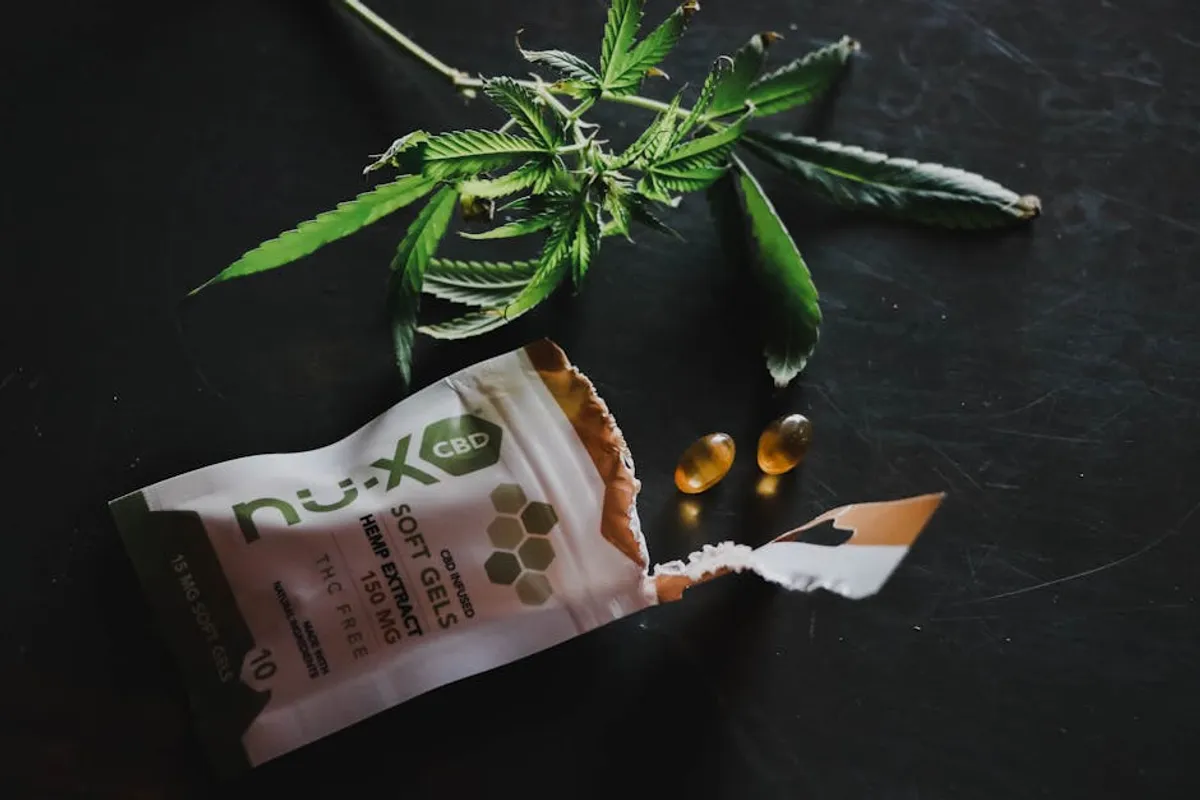
CBD capsules are pre-measured doses of cannabidiol, often suspended in a carrier oil like MCT, encapsulated in a softgel or hard-shell casing. They are ingested orally, much like any other supplement. The CBD content is absorbed through the digestive system, leading to a slower onset of effects compared to sublingual oils, but typically a longer duration. This controlled delivery mechanism is a primary reason for their popularity among beginners and those seeking consistent, predictable effects without the need for measuring or specialized equipment.
Why Capsules for Beginners? Precision, Convenience, Discretion
Opting for CBD capsules provides distinct advantages, particularly for those unfamiliar with CBD products. These benefits address common concerns newcomers might have, making the initial experience less daunting.
- Precise Dosing: Each capsule contains an exact, pre-measured amount of CBD, eliminating the need for droppers or guesswork. This ensures consistent intake with every dose, simplifying the process of finding an effective personal regimen.
- Consistent Effects: Due to the standardized dosage, capsules tend to produce more predictable effects compared to other methods where absorption can vary more widely. This consistency helps beginners observe and understand how CBD impacts them.
- Odorless and Tasteless: Many individuals find the natural, earthy taste of CBD oil unappealing. Capsules bypass this entirely, offering a neutral experience without any flavor or aroma.
- Discreet and Portable: Capsules resemble standard dietary supplements, allowing for discreet consumption in public or professional settings. Their stable form factor makes them easy to transport without risk of spills or damage.
Essential Factors When Selecting CBD Capsules
Navigating the various product claims requires understanding specific terminology and quality indicators. Focusing on these core elements will help identify a reputable and effective product.
CBD Type: Full-Spectrum, Broad-Spectrum, or Isolate?
The type of CBD in a capsule dictates its chemical composition and potential effects. For beginners, understanding these distinctions is fundamental:
- Full-Spectrum CBD: Contains all naturally occurring compounds from the hemp plant, including other cannabinoids (like trace amounts of THC, typically below 0.3%), terpenes, and flavonoids. This combination is believed to create an "entourage effect," where compounds work synergistically.
- Broad-Spectrum CBD: Similar to full-spectrum but has undergone an additional process to remove detectable levels of THC. It still retains other cannabinoids and terpenes, offering a broader range of compounds than isolate, without the concern of THC.
- CBD Isolate: Pure CBD, with all other plant compounds removed. It is 99% pure CBD, offering a THC-free option for those who prefer to avoid all other cannabinoids.
Best for beginners: Broad-spectrum or isolate, especially if concerns about THC are paramount. Full-spectrum can be considered for those comfortable with trace THC and seeking the potential entourage effect.
Potency and Milligram Strength
Potency refers to the amount of CBD per capsule, typically measured in milligrams (mg). Common strengths range from 10mg to 50mg or more per capsule. Beginners should start with a lower potency, such as 10-25mg per capsule, to assess their individual response. It's easier to increase dosage gradually than to reduce it once taken. The total CBD content in a bottle (e.g., 750mg total / 30 capsules = 25mg per capsule) should be clearly stated.
Third-Party Lab Reports (COAs): Non-Negotiable Transparency
A Certificate of Analysis (COA) from an independent, third-party laboratory is the most critical document for verifying a CBD product's quality. This report confirms:
- Cannabinoid Profile: Verifies the CBD content and confirms the presence (or absence) of other cannabinoids like THC, CBN, CBG, matching the product's claims (e.g., full-spectrum, broad-spectrum, isolate).
- Purity: Tests for contaminants such as heavy metals, pesticides, residual solvents, and microbial impurities.
Always look for a QR code or batch number on the product packaging that links directly to a current COA. Without this, product claims are unsubstantiated.
Pro Tip: When reviewing a COA, always check the date to ensure it's recent and specific to the batch number on your product. An outdated or generic COA offers limited assurance regarding the specific product you hold.
Ingredient Purity and Carrier Oils
Beyond the CBD itself, examine the other ingredients. Simpler formulations are generally preferred. Common carrier oils include MCT oil (derived from coconut), hemp seed oil, or olive oil, which aid in CBD absorption. Avoid products with excessive artificial additives, colors, or unnecessary fillers. For those with dietary restrictions, verify the capsule material (e.g., gelatin for animal-derived, cellulose for vegan).
Extraction Methods and Hemp Origin
The CO2 extraction method is widely regarded as the gold standard for producing clean, potent CBD extracts. This method uses pressurized carbon dioxide to separate CBD from the plant material, avoiding harsh chemical solvents. Regarding hemp origin, look for products sourced from reputable farms, ideally within countries with strict agricultural regulations, as this often indicates higher quality cultivation practices and lower risk of contaminants.
Deciphering Product Labels and Certifications
A well-designed CBD capsule label provides clear, concise information. Key elements to look for include:
- Total CBD content per container.
- CBD content per serving (per capsule).
- Type of CBD (full-spectrum, broad-spectrum, isolate).
- Ingredient list, including carrier oils.
- Batch number and QR code for COA access.
- Manufacturer's name and contact information.
- Expiration date.
While not universally required, certifications like USDA Organic or non-GMO labels can further indicate a commitment to quality, though their absence does not necessarily denote a poor product.
Making Your First Informed Purchase
Starting with CBD capsules involves a systematic approach to ensure you select a product that aligns with your needs and expectations. Begin by identifying your comfort level with THC (full-spectrum vs. broad-spectrum/isolate). Prioritize products with easily accessible and current third-party lab reports. Select a lower potency capsule (e.g., 10-25mg) for your initial trial, allowing you to gauge your response before considering higher doses. Always review the full ingredient list to avoid allergens or unnecessary additives. By focusing on these core criteria, beginners can confidently navigate the market and make an informed first purchase, setting the foundation for a positive CBD experience.
Frequently Asked Questions
How long do CBD capsules take to work?
CBD capsules typically take 45 minutes to 2 hours to produce noticeable effects, as they must pass through the digestive system before CBD is absorbed into the bloodstream. This onset time can vary based on individual metabolism, body weight, and whether the capsule is taken with food.
What's the difference between CBD oil and capsules?
The primary differences lie in administration and onset time. CBD oil (tinctures) is taken sublingually (under the tongue) for faster absorption, with effects often felt within 15-30 minutes. Capsules are swallowed, leading to a slower onset but generally longer-lasting effects, and offer precise, pre-measured doses without any taste.
Can I take CBD capsules with other medications?
CBD can interact with certain medications by affecting how the body metabolizes them, particularly drugs that carry a "grapefruit warning." It is crucial to consult a healthcare professional before combining CBD capsules with any prescription medications to avoid potential adverse interactions.
How often should I take CBD capsules?
For beginners, starting with one capsule once or twice daily is a common approach. The optimal frequency and dosage are highly individual and depend on factors like body weight, metabolism, desired effects, and the CBD concentration per capsule. It is recommended to start low and gradually increase dosage over several days or weeks until the desired effect is achieved.