As consumer interest in natural wellness solutions continues to evolve, hemp oil remains a focal point for those seeking alternatives to conventional remedies. By 2026, the public's understanding and expectations regarding hemp oil's potential benefits will be more refined, driven by ongoing research and personal experiences. This article details the primary benefits of hemp oil that will attract significant search interest, providing a framework for understanding its diverse applications and what to consider for effective use.
Understanding Hemp Oil's Potential
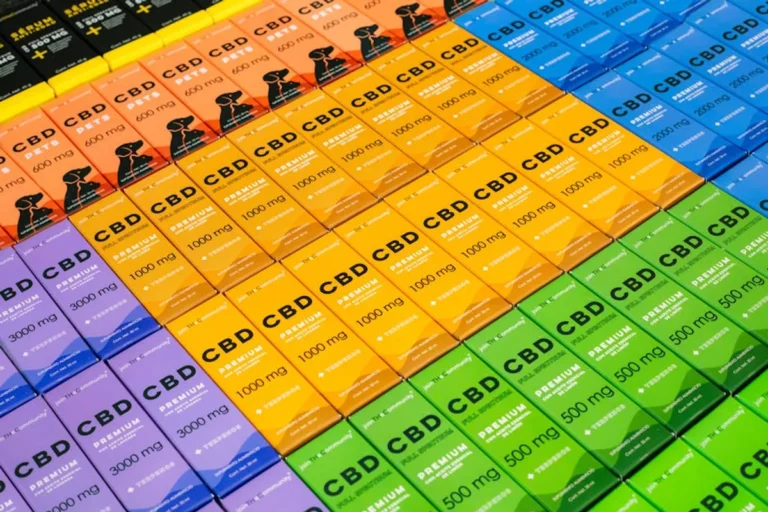
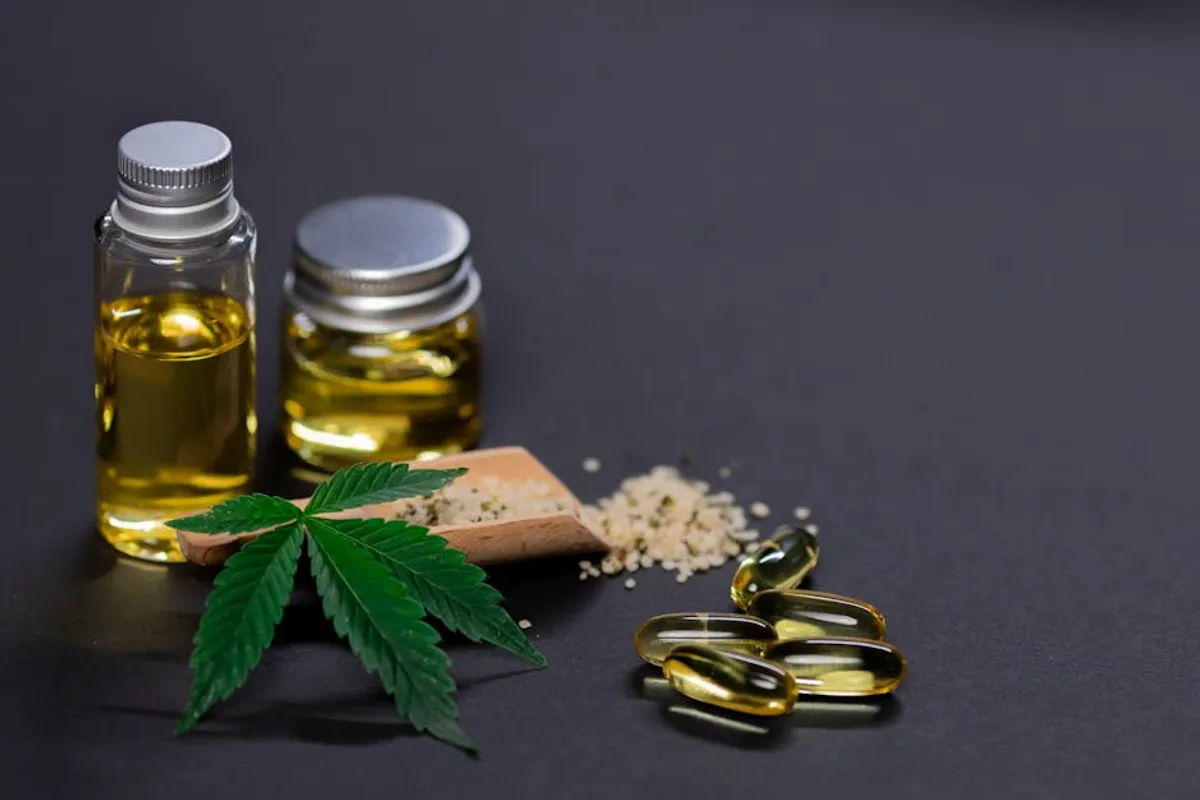
Hemp oil, derived from the seeds or aerial parts of the Cannabis sativa plant, contains a spectrum of compounds, including cannabinoids (though typically very low or no THC), terpenes, flavonoids, and essential fatty acids. The interaction of these compounds is often referred to as the "entourage effect," theorized to enhance their individual therapeutic properties. When evaluating hemp oil for specific benefits, consider the extraction method, the presence of a full-spectrum or broad-spectrum profile, and third-party lab testing results which confirm purity and potency. The anticipated search trends for 2026 will focus on more specific applications rather than general wellness, as users seek targeted relief and measurable outcomes. Understanding what broad spectrum means can help evaluate hemp oil effectiveness.
1. Chronic Pain Management
Hemp oil's role in chronic pain management is a primary driver of consumer interest. Its efficacy is often attributed to its interaction with the body's endocannabinoid system (ECS), which plays a crucial role in regulating pain perception, inflammation, and immune response. Users frequently report a reduction in persistent discomfort associated with conditions like arthritis, neuropathy, and fibromyalgia, without the significant side effects sometimes linked to pharmaceutical options. The focus in 2026 will be on personalized dosing and understanding specific cannabinoid profiles that best address different pain types.
Best for: Individuals seeking a complementary approach to managing long-term pain, particularly neuropathic or inflammatory-related discomfort, and those looking to reduce reliance on conventional pain medications.
Pros:
- May reduce perceived pain intensity and frequency.
- Generally considered to have a favorable safety profile compared to some prescription pain relievers.
- Offers anti-inflammatory properties that address a root cause of pain.
Cons:
- Efficacy varies significantly among individuals due to biological differences.
- Dosage optimization can require experimentation.
- Not a replacement for professional medical advice or treatment plans for severe chronic pain.
Verdict: A valuable adjunct for chronic pain, particularly when integrated into a broader pain management strategy. Its anti-inflammatory action provides a clear mechanism for benefit, making it a sustained area of interest.
2. Anxiety and Stress Reduction
The calming effects of hemp oil on the nervous system make it a popular choice for anxiety and stress relief. Research suggests that certain compounds in hemp oil may influence serotonin receptors, which are key to mood regulation. This can lead to a sense of calm, reduced nervousness, and improved ability to cope with daily stressors. The demand for natural anxiolytics is projected to grow, with users seeking non-habit-forming options for mental well-being.
Best for: Individuals experiencing generalized anxiety, situational stress, or those looking for a natural way to mitigate daily stressors and promote mental tranquility.
Pros:
- May induce a sense of calm and reduce feelings of overwhelm.
- Non-addictive and generally well-tolerated.
- Can be used proactively to manage stressful periods.
Cons:
- Effectiveness can be subtle and may not be sufficient for severe anxiety disorders.
- Potential for drowsiness, especially at higher doses.
- Interaction with other anxiety medications should be discussed with a healthcare provider.
Verdict: A promising natural option for mild to moderate anxiety and stress, offering a gentle approach to mental well-being. Its appeal will continue to rise as stress levels in modern life remain high.
3. Improved Sleep Quality
Sleep disturbances, including insomnia and poor sleep quality, are widespread issues. Hemp oil is increasingly sought after for its potential to promote restful sleep. This benefit is often linked to its ability to reduce anxiety and pain, which are common underlying causes of sleep problems. By fostering a calmer state and alleviating discomfort, hemp oil can help individuals fall asleep more easily and experience deeper, more restorative sleep cycles. Future searches will target specific formulations designed for nighttime use.
Best for: Those struggling with insomnia, interrupted sleep, or sleep quality issues stemming from anxiety, pain, or general restlessness.
Pros:
- Addresses common root causes of sleep issues like anxiety and pain.
- Can promote a more relaxed state conducive to sleep.
- Offers a non-narcotic alternative for sleep support.
Cons:
- Not a sedative in the traditional sense; results depend on addressing underlying issues.
- May not be effective for severe or chronic sleep disorders without additional interventions.
- Optimal timing and dosage before bed can vary.
Verdict: A beneficial aid for improving sleep quality by targeting related discomforts and anxiety. Its utility as a sleep enhancer will solidify as more people prioritize natural sleep solutions.
4. Skin Condition Support
The topical application and internal consumption of hemp oil are gaining traction for supporting various skin conditions. Its anti-inflammatory properties can help reduce redness and irritation associated with conditions like acne, eczema, and psoriasis. Furthermore, its rich profile of essential fatty acids (omega-3 and omega-6) contributes to skin hydration, barrier function, and overall skin health. The antioxidant content also plays a role in protecting skin cells from environmental damage. Expect increased interest in hemp oil as an ingredient in specialized dermatological products.
Best for: Individuals with inflammatory skin conditions, dry or sensitive skin, or those seeking natural ingredients for anti-aging and skin barrier support.
Pros:
- Reduces inflammation and redness in conditions like acne and eczema.
- Nourishes skin with essential fatty acids, improving hydration and elasticity.
- Provides antioxidant protection against environmental stressors.
Cons:
- Results for chronic skin conditions may require consistent, long-term use.
- Topical application can sometimes cause localized irritation in highly sensitive individuals.
- Not a cure for severe dermatological diseases, but a supportive treatment.
Verdict: A versatile natural ingredient for skin health, particularly effective for managing inflammatory and dry skin conditions. Its multi-faceted benefits ensure its continued relevance in skincare.
5. Neuroprotective Properties
Emerging research points to hemp oil's potential neuroprotective benefits, attracting individuals concerned with cognitive health and age-related neurological decline. Compounds within hemp oil, particularly cannabinoids, are being studied for their ability to protect brain cells from damage, reduce neuroinflammation, and support neurogenesis (the growth of new brain cells). This area of benefit will see increased research and user interest as populations age and seek ways to maintain cognitive function. Search queries will shift towards supporting specific brain functions.
Best for: Individuals interested in proactive brain health, those with concerns about age-related cognitive decline, or those exploring support for neurological resilience.
Pros:
- May protect neurons from oxidative stress and inflammation.
- Could support cognitive function and memory over time.
- Offers a natural approach to brain health without synthetic compounds.
Cons:
- Research is still in early stages; long-term human studies are ongoing.
- Benefits may be subtle and not immediately noticeable.
- Not a treatment for diagnosed neurological diseases.
Verdict: A significant area of future interest, offering a natural avenue for neuroprotection. While more research is needed, the foundational mechanisms are compelling for long-term brain health support.
6. Cardiovascular Health Support
Hemp oil's potential to support cardiovascular health is a growing area of interest. Its omega-3 and omega-6 fatty acid content, particularly in hemp seed oil, is beneficial for heart health by helping to maintain healthy cholesterol levels and supporting blood vessel function. Furthermore, the anti-inflammatory and antioxidant properties of hemp oil may contribute to reducing cardiovascular stress and promoting overall circulatory well-being. Consumers will increasingly look for hemp oil as part of a holistic heart-healthy lifestyle.
Best for: Individuals seeking to support overall heart health, maintain healthy lipid profiles, and reduce inflammation associated with cardiovascular risk factors.
Pros:
- Rich in essential fatty acids beneficial for heart function.
- Possesses anti-inflammatory and antioxidant effects relevant to cardiovascular health.
- May contribute to maintaining healthy blood pressure levels.
Cons:
- Should not replace prescribed medications for cardiovascular conditions.
- Benefits are part of a broader healthy lifestyle, not a standalone solution.
- Individuals on blood thinners should consult a doctor due to potential interactions.
Verdict: A valuable dietary supplement for cardiovascular support, particularly due to its fatty acid profile and anti-inflammatory action. Its role in preventative health will continue to be recognized.
7. Digestive System Balance
Maintaining a balanced digestive system is crucial for overall health, and hemp oil is being explored for its potential in this area. Its anti-inflammatory properties can be beneficial for soothing an irritated gut lining and managing symptoms of inflammatory bowel conditions. Moreover, the presence of certain cannabinoids may influence gut motility and permeability, contributing to a healthier gut microbiome. Search trends will focus on specific digestive discomforts, such as bloating, regularity, and gut inflammation.
Best for: Individuals experiencing mild digestive discomfort, inflammatory gut issues, or those looking to support overall gut health and microbiome balance.
Pros:
- May reduce inflammation in the gut, alleviating discomfort.
- Could help regulate gut motility and promote regularity.
- Contributes to a balanced internal environment conducive to good digestion.
Cons:
- Not a treatment for severe digestive diseases like Crohn's or Ulcerative Colitis without medical supervision.
- Individual responses to gut support can vary widely.
- Dietary changes are often necessary alongside supplementation for optimal gut health.
Verdict: A supportive agent for digestive balance, particularly useful for its anti-inflammatory effects on the gut. Its utility in addressing common digestive complaints will drive continued interest.
8. Muscle Soreness and Recovery
For athletes and active individuals, muscle soreness and recovery are critical concerns. Hemp oil's anti-inflammatory and analgesic properties make it an attractive option for post-exercise recovery. It can help reduce exercise-induced muscle damage, alleviate delayed onset muscle soreness (DOMS), and speed up the recovery process, allowing for more consistent training. As athletic performance and recovery become more sophisticated, personalized hemp oil regimens will gain traction.
Best for: Athletes, fitness enthusiasts, or anyone experiencing muscle soreness, stiffness, or inflammation post-physical activity.
Pros:
- Reduces exercise-induced inflammation and muscle pain.
- May accelerate recovery time between workouts.
- Offers a natural alternative to NSAIDs for muscle discomfort.
Cons:
- Effectiveness can depend on the intensity of the workout and individual physiology.
- Optimal dosage and timing for recovery require personal experimentation.
- Not a substitute for proper rest, nutrition, and hydration in recovery protocols.
Verdict: A valuable tool for enhancing muscle recovery and managing post-exercise soreness. Its natural anti-inflammatory actions position it as a key supplement for active lifestyles.
9. Mood Regulation and Emotional Balance
Beyond anxiety reduction, hemp oil is also explored for its broader impact on mood regulation and emotional balance. By interacting with neurotransmitter systems, it may help stabilize emotional responses, reduce irritability, and foster a more positive outlook. This benefit is particularly relevant in an age where mental well-being is increasingly prioritized. Future searches will focus on specific formulations targeting mood enhancement without sedation.
Best for: Individuals seeking to improve overall mood, manage emotional fluctuations, or promote a greater sense of emotional stability.
Pros:
- May positively influence mood and emotional resilience.
- Supports the body's natural systems involved in emotional regulation.
- Offers a gentle approach to mental well-being without strong psychoactive effects.
Cons:
- Not a replacement for professional mental health treatment for conditions like clinical depression or bipolar disorder.
- Individual responses to mood support can vary.
- Requires consistent use to observe potential mood-stabilizing effects.
Verdict: A supportive agent for maintaining emotional balance and positive mood, particularly valuable for those navigating daily emotional stressors. Its role in holistic mental wellness is expanding.
10. Antioxidant Defense
The presence of antioxidants in hemp oil contributes significantly to its overall health benefits. Antioxidants combat free radicals in the body, which are unstable molecules that can cause cellular damage, contributing to aging and various chronic diseases. By neutralizing these free radicals, hemp oil helps protect cells, tissues, and organs from oxidative stress. This protective effect underpins many of its other benefits and will be increasingly valued as consumers seek comprehensive cellular health support.
Best for: Individuals looking to bolster their body's natural defense against oxidative stress, support cellular health, and promote overall vitality.
Pros:
- Protects cells from damage caused by free radicals.
- Supports overall cellular health and longevity.
- Contributes to reducing systemic inflammation.
Cons:
- Benefits are often subtle and not immediately perceptible.
- Antioxidant intake should be part of a balanced diet rich in diverse antioxidants.
- Not a magic bullet for preventing all age-related diseases.
Verdict: A fundamental benefit contributing to overall health and disease prevention. Its antioxidant capacity makes it a valuable addition to a wellness regimen focused on cellular protection.
11. Anti-inflammatory Response
While often intertwined with pain management, the generalized anti-inflammatory properties of hemp oil warrant separate attention. Chronic inflammation is a recognized contributor to a wide range of health issues, from autoimmune disorders to metabolic syndrome. Hemp oil's ability to modulate the body's inflammatory pathways makes it a broad-spectrum anti-inflammatory agent. This benefit will be increasingly highlighted as consumers understand the systemic impact of chronic inflammation and seek natural ways to mitigate it.
Best for: Individuals with systemic inflammation, those prone to inflammatory conditions, or anyone seeking to reduce overall inflammatory markers in the body.
Pros:
- Addresses inflammation at a systemic level, not just localized pain.
- May help manage symptoms of various inflammatory conditions.
- Offers a natural alternative to pharmaceutical anti-inflammatories.
Cons:
- Effectiveness can vary depending on the severity and type of inflammatory condition.
- Diet and lifestyle changes are crucial for managing chronic inflammation.
- May not be sufficient for acute, severe inflammatory responses without medical intervention.
Verdict: A core benefit of hemp oil, providing broad support against chronic inflammation. Its systemic impact makes it a valuable tool for preventative health and managing a range of conditions.
12. Appetite and Metabolic Regulation
Hemp oil's potential influence on appetite and metabolic regulation is an emerging area of interest. While not a weight loss supplement, some research suggests that cannabinoids may play a role in modulating metabolism, fat storage, and appetite signals through their interaction with the ECS. This could include helping to balance appetite, potentially reducing cravings, or supporting a healthy metabolic rate. Future consumer interest will likely focus on its role in holistic metabolic health rather than direct weight management claims.
Best for: Individuals seeking to support healthy metabolic function, balance appetite, or explore natural ways to complement a weight management strategy.
Pros:
- May help regulate appetite and reduce unhealthy cravings.
- Could support a balanced metabolic rate.
- Contributes to overall metabolic well-being when combined with a healthy lifestyle.
Cons:
- Not a primary solution for obesity or severe metabolic disorders.
- Benefits are likely subtle and part of a comprehensive approach including diet and exercise.
- Research in this specific area is still developing.
Verdict: An interesting and evolving area of benefit, offering supportive potential for metabolic and appetite regulation. Its role will become clearer as research progresses, positioning it as a complementary tool for holistic health.
Maximizing the Benefits of Hemp Oil
To maximize the benefits of hemp oil, several factors warrant consideration. First, consistency is key; regular use, rather than sporadic, often yields the most noticeable results. Second, dosage is highly individual. Starting with a low dose and gradually increasing it allows you to find the optimal amount for your specific needs and body chemistry. Third, consider the product's quality, which includes verifying third-party lab testing for purity and potency, and understanding the source of the hemp. Full-spectrum products, which contain a wider array of cannabinoids and terpenes, are often preferred for their potential "entourage effect," though broad-spectrum options are suitable for those avoiding THC entirely. Finally, integrating hemp oil into a broader healthy lifestyle—encompassing diet, exercise, and stress management—will amplify its potential positive effects. Consulting with a healthcare professional before starting any new supplement regimen is always recommended, especially if you are taking other medications.
Frequently Asked Questions About Hemp Oil Benefits
Q: How long does it take to experience the benefits of hemp oil?
A: The timeframe for experiencing benefits varies significantly depending on the individual, the specific benefit targeted, the dosage, and the product's potency. Some individuals report effects within minutes to hours, particularly for acute issues like anxiety or pain. For chronic conditions or systemic benefits like improved sleep or skin health, consistent use over several days to weeks is often required to observe noticeable changes.
Q: Can hemp oil interact with other medications?
A: Yes, hemp oil, particularly products containing cannabinoids, can interact with certain medications. This is primarily due to its potential to inhibit cytochrome P450 enzymes in the liver, which are responsible for metabolizing many drugs. This can lead to increased or decreased levels of other medications in the bloodstream. It is crucial to consult with a healthcare professional before using hemp oil if you are taking any prescription medications, especially blood thinners, anticonvulsants, or medications with a narrow therapeutic window.
Q: Is hemp oil safe for long-term use?
A: Generally, hemp oil is considered safe for long-term use for most individuals when taken at appropriate doses. Studies have shown a favorable safety profile with minimal side effects, primarily mild digestive upset or drowsiness. However, long-term safety data for very high doses or specific populations is still being gathered. Regular medical check-ups and monitoring are advisable for anyone using hemp oil continuously, particularly if they have underlying health conditions.
Q: What is the difference between hemp seed oil and hemp oil for benefits?
A: Hemp seed oil is extracted solely from the seeds of the hemp plant and is primarily valued for its nutritional content, including essential fatty acids, vitamins, and minerals. It typically contains no or negligible cannabinoids. Hemp oil (often referred to as CBD oil, if it contains significant CBD) is extracted from the flowers, leaves, and stalks of the hemp plant and contains a full spectrum of cannabinoids, terpenes, and other beneficial compounds. When people search for "hemp oil benefits" related to pain, anxiety, or sleep, they are generally referring to the cannabinoid-rich extract, not just hemp seed oil. Exploring full spectrum hemp benefits can reveal its therapeutic potential.