The prevailing logic in traditional skincare suggests that oil is the primary antagonist for acne-prone individuals. This oversimplification ignores the nuance of lipid chemistry. Acne-prone skin is frequently characterized by a specific fatty acid deficiency—specifically a lack of linoleic acid—which leads to the production of thick, sticky sebum that easily plugs pores. Hemp oil, derived from the seeds of the Cannabis sativa plant, functions as a direct corrective for this imbalance. Unlike mineral oils or synthetic emollients, hemp oil provides a high-concentration delivery system for polyunsaturated fatty acids that stabilize the skin’s barrier without triggering the inflammatory response associated with comedogenesis.
The Biochemical Conflict in Acne-Prone Skin
To understand why hemp oil is effective, one must first analyze the composition of human sebum. In individuals with chronic acne, sebum typically contains a higher concentration of oleic acid and a lower concentration of linoleic acid. Oleic acid is a heavy, monounsaturated fat that, in high volumes, can cause the skin’s surface to become "sticky," trapping dead skin cells and bacteria within the follicle.
Hemp seed oil contains approximately 50% to 60% linoleic acid. By applying it topically, you are essentially diluting the thick sebum and replacing it with a fluid, lightweight lipid. This chemical shift makes the sebum more "runny," allowing it to flow out of the pore naturally rather than hardening into a comedone. This is not a masking of symptoms; it is a fundamental shift in the skin's surface chemistry.
Correcting Linoleic Acid Deficiencies
When the skin lacks linoleic acid, the epidermal barrier becomes compromised, leading to transepidermal water loss (TEWL). The skin often overcompensates for this dehydration by producing even more of the thick, oleic-heavy sebum, creating a cycle of oiliness and breakouts. Hemp oil’s ratio of Omega-6 to Omega-3 fatty acids (typically 3:1) mimics the natural lipid profile of healthy skin, allowing for rapid absorption and immediate barrier repair.
The Comedogenic Rating Advantage
The comedogenic scale ranks oils from 0 to 5 based on their likelihood of clogging pores. Most skincare professionals consider anything above a 2 to be a risk for acne-prone patients. Hemp oil holds a rating of 0. This means it has a molecular structure that is incapable of obstructing the follicular opening.
Best for: Individuals with Grade I and Grade II acne who struggle with surface dehydration and inflammatory redness.
Because it is a non-comedogenic "dry" oil, it sinks into the stratum corneum quickly. This makes it an ideal carrier for other active ingredients or a standalone moisturizer for those who find traditional creams too occlusive. It provides the emolliency required to protect the skin's acid mantle without the physiological cost of increased congestion.
Modulating Inflammation with Gamma-Linolenic Acid (GLA)
Acne is fundamentally an inflammatory condition. While bacteria (C. acnes) play a role, the redness and swelling are the results of the body’s immune response. Hemp oil is one of the few plant-based sources of Gamma-Linolenic Acid (GLA), a potent anti-inflammatory agent.
- Reduces Prostaglandins: GLA helps inhibit the production of pro-inflammatory prostaglandins, which are responsible for the painful, cystic swelling associated with hormonal acne.
- Accelerates Healing: By soothing the inflammatory response, hemp oil allows the skin to focus on cellular turnover and tissue repair, potentially reducing the duration of post-inflammatory hyperpigmentation (PIH).
- Antioxidant Protection: The presence of Vitamin E (tocopherols) in unrefined hemp oil protects the skin from lipid peroxidation, a process where environmental stressors turn skin oils rancid, further irritating the pores.
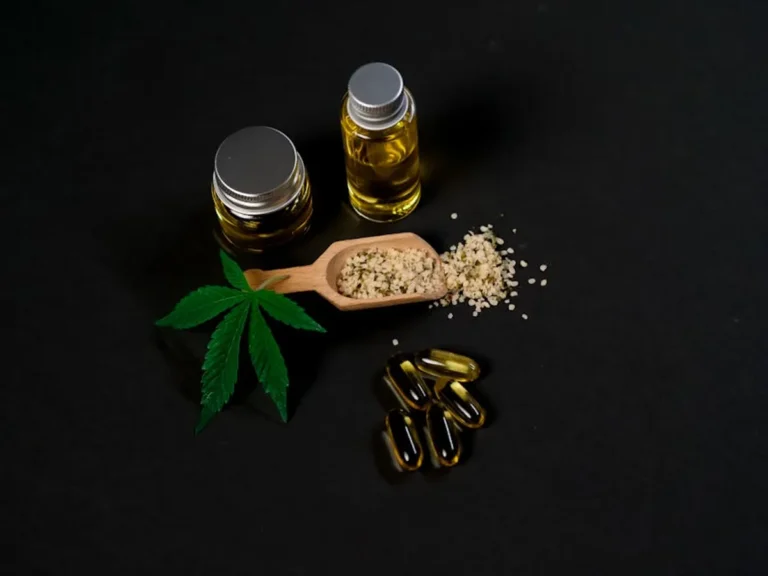
Pro Tip: Always source cold-pressed, unrefined hemp oil that is stored in dark glass bottles. Hemp oil is highly sensitive to light and heat; if the oil has lost its deep green hue or smells overly "fishy" rather than nutty, it has likely oxidized and will cause more inflammation than it resolves.
Strategic Integration into a Daily Routine
Hemp oil is versatile enough to be used in two distinct ways: as a primary cleanser or as a finishing lipid. For those with heavy congestion, the Oil Cleansing Method (OCM) is highly effective. Because "like dissolves like," massaging hemp oil into the skin for 60 seconds helps dissolve hardened sebum plugs and removes oil-soluble debris like sunscreen and makeup.
Alternatively, using it as a leave-on treatment requires only 2-3 drops pressed into damp skin after water-based serums. This locks in hydration and provides a protective seal that prevents environmental pollutants from aggravating existing lesions. For marketers and publishers in the skincare space, it is vital to emphasize that hemp oil is a "functional lipid"—it serves a physiological purpose beyond mere hydration.
Refining Your Skincare Protocol
Transitioning to a hemp-oil-based routine requires a focus on quality and consistency. Because hemp oil is a natural product, its efficacy is tied directly to its processing. Look for "virgin" or "cold-pressed" labels to ensure the fatty acids haven't been denatured by heat. While it is not a "cure" for acne in the same way a pharmaceutical retinoid might be, it provides the structural foundation the skin needs to heal itself. By balancing the lipid profile, reducing inflammation via GLA, and ensuring zero pore blockage, hemp oil addresses the environmental and chemical triggers of acne simultaneously.
Frequently Asked Questions
Will hemp oil make my skin break out more before it gets better?
Hemp oil does not cause "purging" in the way that chemical exfoliants or retinoids do, as it does not increase cell turnover. If you experience a breakout after starting hemp oil, it is likely due to an impure product, an allergic reaction, or residual debris not being properly removed during the cleansing process.
Does hemp oil contain THC or CBD?
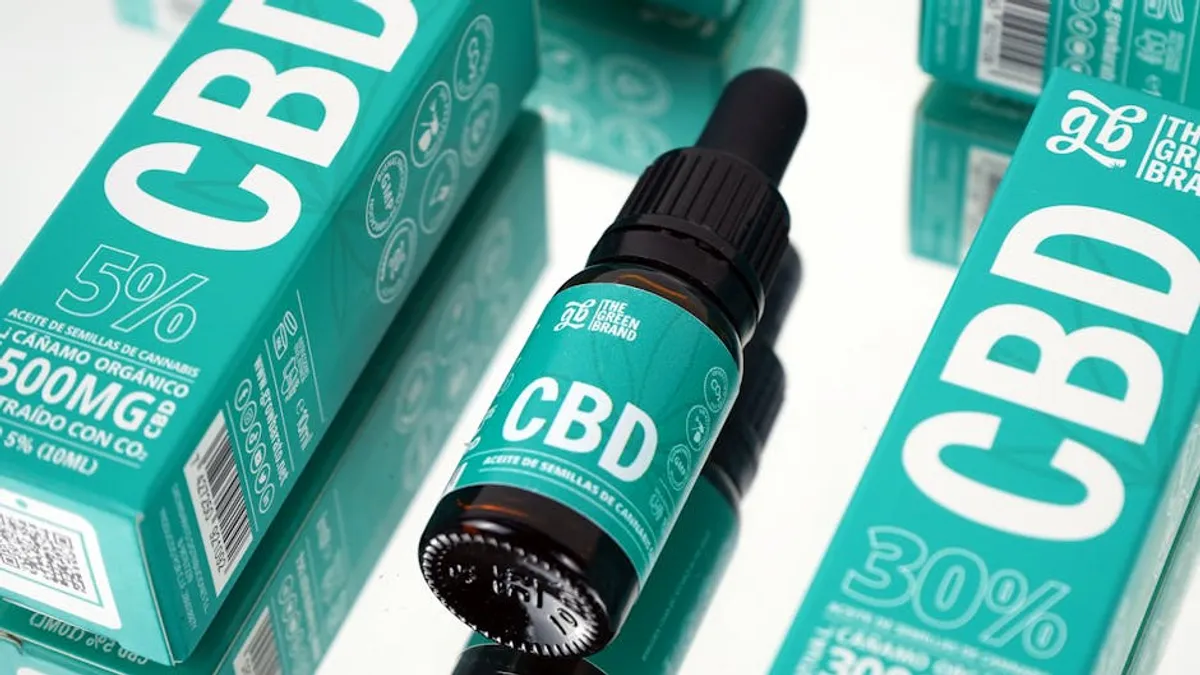
Standard hemp seed oil, used for skincare, is derived from the seeds and contains negligible to no amounts of THC or CBD. It relies on its fatty acid profile and vitamin content for its efficacy, rather than the cannabinoids found in the flowers and leaves of the plant.
Can I use hemp oil with other acne treatments like Salicylic Acid?
Yes. In fact, hemp oil is an excellent companion to drying treatments. Salicylic acid and Benzoyl Peroxide can strip the skin’s natural oils; applying hemp oil afterward helps restore the barrier and prevents the "rebound" oil production that often follows aggressive acne treatments.
How should I store my hemp oil to keep it effective?
Due to its high polyunsaturated fat content, hemp oil is prone to rancidity. It should be kept in a cool, dark place, or ideally, in the refrigerator. This preserves the integrity of the linoleic acid and ensures the anti-inflammatory properties remain active for the duration of the bottle's shelf life.