Commercial lip care products often rely on complex formulations featuring petroleum derivatives, synthetic fragrances, and chemical stabilizers that can paradoxically dry out the skin over time. For publishers and product developers in the natural wellness space, the "two-ingredient" hemp oil lip balm represents a high-margin, high-efficacy alternative. By focusing on the synergy between cold-pressed hemp seed oil and unrefined beeswax, you create a product that addresses transepidermal water loss (TEWL) without the inflammatory risks associated with synthetic additives.
The Chemistry of Hemp Seed Oil in Topical Applications
Hemp seed oil is uniquely suited for lip care because of its lipid profile. Unlike mineral oils that sit on top of the skin, hemp oil contains an 80% concentration of essential fatty acids (EFAs). Specifically, it maintains a 3:1 ratio of omega-6 (linoleic acid) to omega-3 (alpha-linolenic acid), which mirrors the natural lipid requirements of human skin cells. This allows the oil to penetrate the thin mucosal tissue of the lips, delivering nutrients directly to the stratum corneum.
Key Nutrient Density:
- Gamma-Linolenic Acid (GLA): Acts as a potent anti-inflammatory agent, reducing the redness and swelling associated with severely chapped or cracked lips.
- Vitamin E (Tocopherol): A natural antioxidant that prevents the oxidation of the oil and protects the lips from UV-induced oxidative stress.
- Phospholipids: These help maintain the integrity of the skin barrier, ensuring long-term hydration rather than temporary relief.
Sourcing the Primary Ingredients
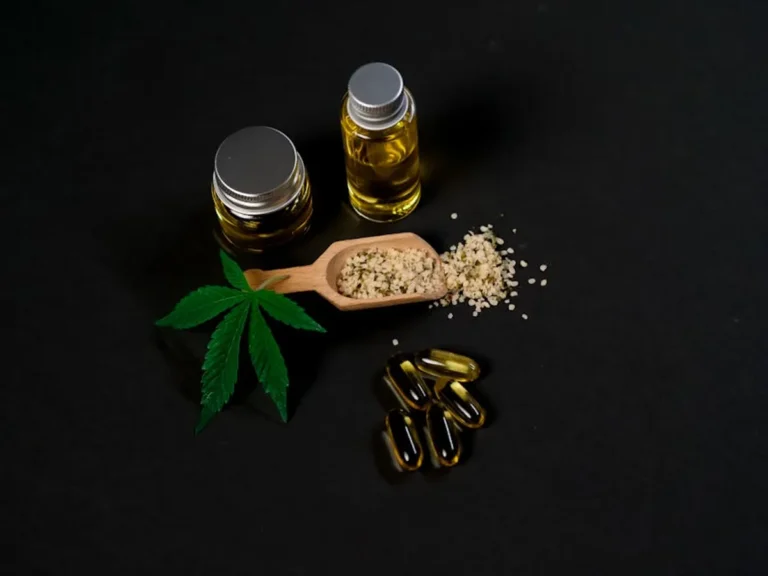
To produce a high-quality balm, the specifications of the raw materials are non-negotiable. For the oil, prioritize "Best Hemp Oil" variants that are cold-pressed and unrefined. Heat extraction destroys the delicate GLA and tocopherol content, rendering the oil less effective for skin repair. Look for a deep green hue, which indicates high chlorophyll and antioxidant content. For the structural component, cosmetic-grade yellow beeswax pellets provide the necessary occlusive barrier. Beeswax has a melting point between 62°C and 64°C (144°F to 147°F), which provides the structural integrity needed for a portable tube or tin.
The Ideal Ratio for Temperature Stability
The texture of a two-ingredient balm is determined entirely by the ratio of oil to wax. A 3:1 ratio (three parts hemp oil to one part beeswax) is the industry standard for a firm, twist-up tube. If the product is intended for a shallow tin or jar, a 4:1 ratio creates a softer, more "buttery" consistency that spreads easily with a fingertip. In warmer climates, increasing the wax content slightly prevents the balm from liquefying in pockets or vehicles.
The Two-Ingredient Formulation Process
Precision during the melting phase prevents the degradation of the hemp oil's bioactive compounds. High heat is the primary enemy of hemp-based formulations. Using a double boiler system ensures that the temperature never exceeds 100°C, protecting the fatty acid chains from breaking down.
Step 1: Weighing and Preparation
Use a digital scale to measure 30 grams of cold-pressed hemp seed oil and 10 grams of beeswax pellets. Using weight rather than volume ensures consistency across different batches, which is critical for commercial scalability.
Step 2: Controlled Melting
Place the beeswax in the top portion of a double boiler. Heat until the pellets are fully translucent. Do not add the hemp oil at the beginning of the process. Because hemp oil is sensitive to heat, it should only be introduced once the wax has reached its liquid state.
Step 3: Integration
Slowly pour the hemp oil into the melted wax. Stir continuously with a glass rod or stainless steel spatula. You will notice the wax may begin to solidify slightly as the cooler oil is introduced. Continue stirring over low heat until the mixture is uniform and clear.
Warning: Never allow the mixture to reach a smoke point. If the hemp oil begins to smell "nutty" or toasted, the essential fatty acids have likely oxidized, reducing the balm's shelf life and therapeutic value.
Step 4: Pouring and Setting
Transfer the liquid into sterilized tubes or tins immediately. To avoid "sinkholes" in the center of the balm, pour at a steady, slow pace and allow the containers to sit undisturbed at room temperature for at least two hours. Flash-cooling in a refrigerator can cause the wax to crack or pull away from the sides of the container.
Optimizing Shelf Life and Stability
Because this recipe lacks synthetic preservatives like parabens or phenoxyethanol, shelf-life management is a priority. Pure hemp oil is highly susceptible to rancidity when exposed to light and oxygen. To maximize the commercial viability of your two-ingredient balm, use opaque or dark-tinted packaging. Ultraviolet (UV) light triggers the breakdown of chlorophyll and fatty acids. When stored in a cool, dark environment, a well-formulated hemp and beeswax balm will remain stable for 6 to 9 months.
Commercial Scaling Considerations
If you are transitioning from a hobbyist recipe to a commercial product, consider the following technical adjustments:
- Batch Testing: Perform a "drop test" by placing a small amount of the hot liquid on a cold plate to check the final firmness before pouring the entire batch.
- Sanitization: Use 70% isopropyl alcohol to sanitize all equipment. In a two-ingredient system, any microbial introduction can cause rapid spoilage since there are no broad-spectrum preservatives.
- Labeling: Ensure the hemp oil source is clearly identified as Cannabis sativa seed oil to comply with INCI (International Nomenclature Cosmetic Ingredient) standards.
Maximizing Topical Absorption
The efficacy of hemp oil lip balm is highest when applied to slightly damp skin. The beeswax creates an occlusive seal that traps existing moisture, while the hemp oil's fatty acids work to repair the underlying lipid barrier. For users with chronic lip dryness, the high linoleic acid content in hemp oil helps regulate sebum production and skin cell turnover, preventing the buildup of dead skin that leads to flaking.
Actionable Production Checklist
To ensure the highest quality output for your hemp oil lip balm, follow this technical workflow for every batch. Consistency in temperature and ingredient quality is the difference between a professional-grade salve and a gritty, unstable product.
- Verify the "Best Hemp Oil" source is certified organic and cold-pressed.
- Calibrate your digital scale to 0.1g accuracy.
- Monitor the double boiler temperature with an infrared thermometer, keeping the mixture below 70°C.
- Use amber or cobalt glass containers if you are not using standard tubes to mitigate UV damage.
- Document batch numbers and production dates to track shelf-life performance.
Frequently Asked Questions
Does hemp oil lip balm contain THC or CBD?
Standard hemp seed oil is derived from the seeds of the Cannabis sativa plant, which do not contain significant levels of THC or CBD. This recipe focuses on the nutritional fatty acids of the seed oil rather than the cannabinoids found in the plant's flowers and leaves.
Why is my lip balm grainy?
Graininess usually occurs if the beeswax and oil cool at significantly different rates or if the wax was not fully melted before the oil was added. Re-melting the mixture gently and stirring thoroughly during the cooling phase can often resolve this texture issue.
Can I add essential oils to this two-ingredient recipe?
While the core recipe uses only two ingredients for simplicity and skin safety, you can add essential oils like peppermint or lavender. However, these should be added at a concentration of no more than 1% of the total volume and only after the mixture has been removed from the heat source to prevent evaporation.
How do I know if the hemp oil has gone bad?
Rancid hemp oil has a distinct, sharp, or "off" bitter smell, similar to old paint or plastic. If the oil loses its pleasant, grassy aroma, it should not be used in topical formulations as oxidized oils can cause skin irritation.