The physiological stress response is a survival mechanism governed by the hypothalamic-pituitary-adrenal (HPA) axis. When this system remains chronically activated, it leads to elevated cortisol levels, systemic inflammation, and a breakdown in neuroplasticity. For consumers and retailers navigating the hemp market, understanding the distinction between nutritional hemp seed oil and therapeutic hemp extract is critical. Research into the phytocannabinoids found in hemp suggests a significant role in modulating the endocannabinoid system (ECS) to restore homeostasis after acute or chronic stress events.
The Biological Mechanism of the Stress Response
Stress triggers the release of Corticotropin-Releasing Hormone (CRH), which eventually signals the adrenal glands to produce cortisol. While necessary for short-term "fight or flight" scenarios, prolonged exposure to cortisol desensitizes glucocorticoid receptors. Hemp oil, specifically high-potency hemp extract, interacts with the ECS—a complex network of receptors (CB1 and CB2) and enzymes responsible for maintaining internal balance.
Best for: Individuals experiencing "burnout" or high-cortisol symptoms like sleep fragmentation and mid-section weight gain.
The ECS acts as a "buffer" for the stress response. When the body is under pressure, endocannabinoid levels like anandamide (the "bliss molecule") typically drop. Research indicates that the compounds in hemp oil can inhibit the FAAH enzyme, which breaks down anandamide, effectively keeping more of this calming molecule circulating in the brain. This mechanism provides a non-intoxicating pathway to downregulating the nervous system without the "crash" associated with pharmaceutical sedatives.
Phytocannabinoids and Serotonin Receptor Modulation
A common misconception is that hemp oil only interacts with cannabinoid receptors. However, specific compounds like Cannabidiol (CBD) found in hemp have a high affinity for the 5-HT1A serotonin receptor. This receptor is a primary target for anti-anxiety medications because it regulates mood and social behavior. By activating these receptors, hemp oil can mimic some of the calming effects of serotonin, which is often depleted during periods of high environmental stress.
Clinical data, including a notable 2019 study published in The Permanente Journal, observed that 79% of patients experienced a decrease in anxiety scores within the first month of using hemp-derived compounds. The data suggests that the stress-response modulation is not merely a placebo effect but a measurable shift in autonomic nervous system activity.
Distinguishing Hemp Seed Oil from Full-Spectrum Hemp Extract
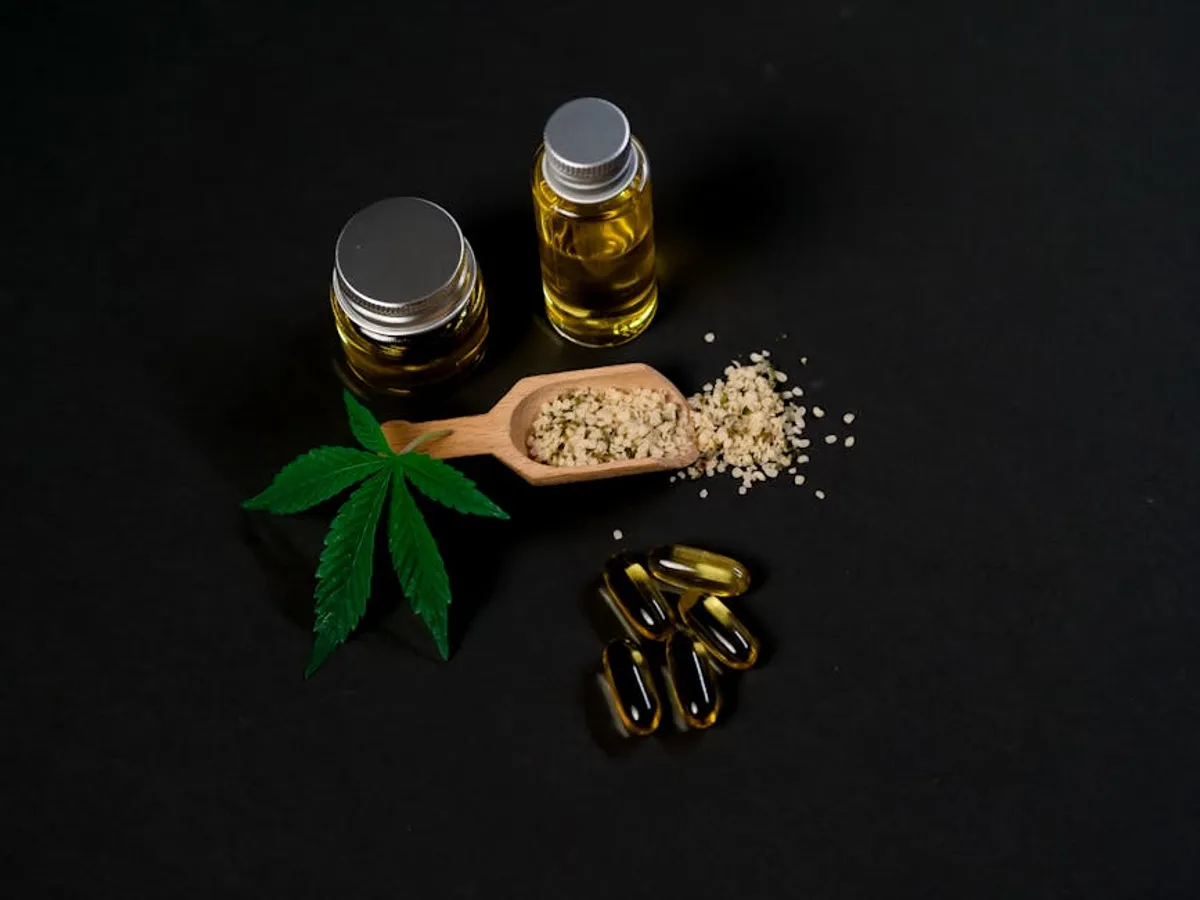
To achieve a therapeutic effect on the stress response, the distinction between product types is paramount. Many products labeled as "hemp oil" on major e-commerce platforms are actually hemp seed oil. While nutritionally dense, hemp seed oil lacks the cannabinoid profile required to influence the HPA axis.
- Hemp Seed Oil: Extracted from seeds; rich in Omega-3 and Omega-6 fatty acids; excellent for skin health and nutrition but contains zero CBD or functional cannabinoids.
- Broad-Spectrum Hemp Oil: Extracted from the whole plant; contains a variety of cannabinoids and terpenes but has 0.0% THC; ideal for those subject to strict drug testing.
- Full-Spectrum Hemp Oil: Contains the complete profile of the plant, including trace amounts of THC (under 0.3%); provides the "entourage effect" where compounds work synergistically to enhance the stress-relieving properties of the oil.
Warning: Avoid products that do not provide a Third-Party Certificate of Analysis (COA). Without a COA, there is no way to verify if the hemp oil contains the advertised milligrams of cannabinoids or if it is contaminated with heavy metals and pesticides which can further stress the liver and endocrine system.
The Role of Terpenes in Stress Mitigation
The efficacy of hemp oil in managing stress is significantly boosted by its terpene profile. Terpenes are aromatic compounds that provide more than just scent; they have pharmacological effects. When selecting the best hemp oil for stress, look for these specific terpenes in the lab report:
Myrcene: Known for its sedative properties and ability to lower the resistance across the blood-brain barrier, allowing cannabinoids to take effect faster.
Linalool: Also found in lavender, this terpene is widely researched for its ability to reduce glutamate activity in the brain, which is often overactive during episodes of high stress.
Limonene: Frequently associated with mood elevation, limonene helps counteract the "heaviness" of stress by promoting a more alert, yet calm, mental state.
Bioavailability and Delivery Methods
The way hemp oil is consumed dictates how much of the active compounds actually reach the bloodstream to influence the stress response. Oral ingestion (capsules or gummies) subjects the oil to "first-pass metabolism" in the liver, where up to 80% of the potency can be lost. For acute stress management, sublingual delivery—holding the oil under the tongue for 60 to 90 seconds—is the most effective route. This allows the cannabinoids to enter the bloodstream directly through the mucous membranes, bypassing the digestive tract and offering faster onset, typically within 15 to 30 minutes.
Best for: Rapid relief during acute stress triggers or before high-pressure events like public speaking or corporate presentations.
Establishing a Hemp-Based Stress Protocol
To utilize hemp oil effectively for stress, consistency is more important than occasional high doses. The ECS responds best to "micro-dosing" or steady-state supplementation. Start with a low dose (10-15mg) twice daily and monitor the "window of efficacy." If the stress response remains high after five days, increase the dosage by 5mg increments. Most clinical research suggests that for generalized stress, a daily total of 25mg to 75mg is the effective range for most adults.
It is also vital to consider the carrier oil. High-quality hemp oils use Medium Chain Triglyceride (MCT) oil derived from coconuts. MCTs are easily absorbed by the liver and provide a stable fat source for the fat-soluble cannabinoids to latch onto, ensuring maximum stability and shelf life.
Frequently Asked Questions
Will hemp oil make me feel "high" during work?
No. Hemp oil derived from industrial hemp contains less than 0.3% THC. This amount is insufficient to produce psychoactive effects. Instead, users typically report a "grounding" sensation or a reduction in the physical symptoms of stress, such as a racing heart or tight chest.
How long does it take for hemp oil to affect the stress response?
When taken sublingually, effects are usually felt within 20 minutes. However, the long-term modulation of the HPA axis and cortisol levels typically requires 2 to 4 weeks of consistent daily use to allow the endocannabinoid system to recalibrate.
Can I take hemp oil with other medications?
Hemp oil can interact with medications metabolized by the cytochrome P450 enzyme system (the same way grapefruit does). If you are taking blood thinners, anti-seizure medications, or certain antidepressants, consult a healthcare professional before beginning a hemp regimen.
What is the difference between "hemp extract" and "CBD oil"?
In most commercial contexts, they are used interchangeably. However, "hemp extract" often implies a full-spectrum product containing all the plant’s beneficial compounds, whereas "CBD oil" might be made from a CBD isolate, which lacks the synergistic terpenes and secondary cannabinoids found in whole-plant extracts.