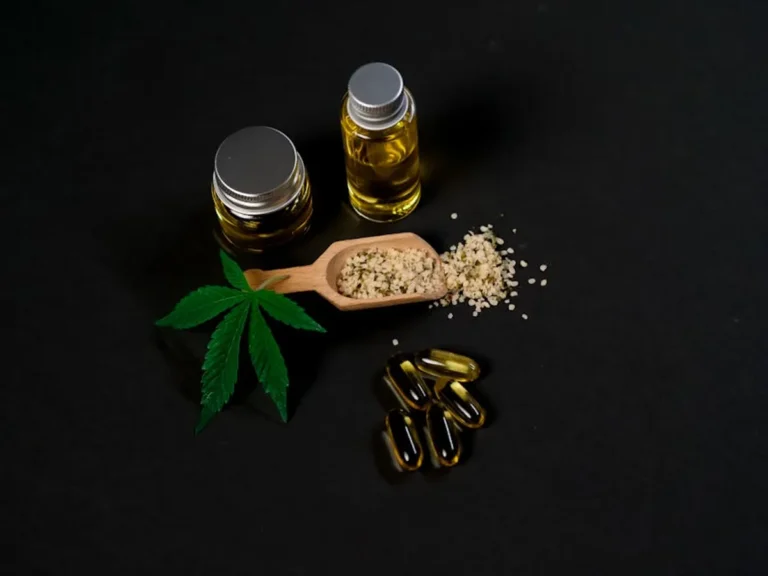

Frizz is a mechanical failure of the hair cuticle. When the outermost layer of the hair shaft—the cuticle—lifts due to dehydration or chemical damage, moisture from the air enters the shaft, causing it to swell and lose its structural alignment. To solve this, you need a hydrophobic barrier that mimics the hair's natural lipids. Hemp seed oil is uniquely suited for this because it contains a 3:1 ratio of Omega-6 to Omega-3 fatty acids, providing a high-viscosity sealant that doesn't leave the heavy, wax-like residue found in cheaper synthetic silicones.
The Lipid Profile of Hemp Oil for Frizz Suppression
Hemp oil is comprised of approximately 80% essential fatty acids, the highest of any vegetable oil. For frizz control, the most critical components are gamma-linolenic acid (GLA) and stearidonic acid. These lipids perform two functions: they penetrate the hair cortex to improve elasticity and they coat the cuticle to prevent "hygral fatigue"—the repeated swelling and contracting of the hair fiber that leads to breakage and chronic frizz.
Unlike coconut oil, which has a small molecular structure that can sometimes lead to protein buildup and brittleness in low-porosity hair, hemp oil has a larger molecular weight. This allows it to sit on the surface long enough to smooth down lifted cuticles while the ceramide-like properties of the oil reinforce the hair's internal structure. This makes it a superior choice for those with high-porosity or chemically treated hair that struggles to retain moisture.
Essential Ingredients for a High-Performance Mask
A DIY mask requires more than just oil; it needs an emulsifier and a humectant to ensure the moisture is locked in before the oil seals the shaft. Use the following ratios for a standard shoulder-length application:
- 2 Tablespoons Cold-Pressed Hemp Seed Oil: Acts as the primary emollient and lipid barrier.
- 1 Tablespoon Raw Honey: A natural humectant that draws moisture into the hair shaft before the oil seals it.
- 1 Teaspoon Apple Cider Vinegar (ACV): This lowers the pH of the mixture. A lower pH (acidic) environment causes the hair cuticle to lay flat, instantly reducing the appearance of frizz.
- 3 Drops Rosemary Essential Oil: Included for scalp stimulation and to neutralize the nutty, earthy scent of raw hemp oil.
Warning: Never use refined hemp oil for hair treatments. Refinement removes the chlorophyll and volatile fatty acids that provide the anti-inflammatory benefits for the scalp. Look for a dark green, "unrefined" or "cold-pressed" label to ensure the bioactive compounds remain intact.
Step-by-Step Application Protocol
The effectiveness of a hemp oil mask depends heavily on the state of the hair during application. Applying oil to bone-dry hair can trap dryness in, while applying to soaking wet hair prevents the oil from adhering to the cuticle.
Step 1: Dampen, Don't Soak. Use a spray bottle to lightly dampen the hair. The hair should be about 20% saturated. This provides enough moisture for the honey to bind to without creating a water barrier that repels the hemp oil.
Step 2: Emulsify the Mixture. Whisk the hemp oil, honey, and ACV in a small glass bowl. If the honey is too thick, place the bowl in a larger container of warm water to soften it. Do not microwave the mixture, as high heat denatures the essential fatty acids in the hemp oil.
Step 3: Sectional Application. Divide your hair into four quadrants. Apply the mask starting from the mid-lengths down to the ends, as these are the oldest and most porous parts of the hair. Use a wide-tooth comb to ensure every strand is coated. Only apply to the scalp if you are also treating dryness or dandruff.
Step 4: Thermal Activation. Cover your hair with a compostable shower cap or a warm, damp towel. The gentle heat helps the lipid chains in the hemp oil move more fluidly, allowing for deeper penetration into the cuticle gaps. Leave the mask on for 20 to 30 minutes.
Step 5: The Double-Rinse Method. To remove the mask without stripping the benefits, use a sulfate-free shampoo. You may need to lather twice. Use cool water for the final rinse to further encourage the cuticle to seal shut.
Customizing the Formula for Hair Porosity
Hair porosity—how well your hair absorbs and retains moisture—dictates how you should modify the hemp oil base. You can test your porosity by placing a clean strand of hair in a glass of water; if it sinks quickly, you have high porosity.
For High Porosity Hair: Increase the hemp oil to 3 tablespoons and add 1 tablespoon of Greek yogurt. The proteins in the yogurt help fill the larger gaps in the cuticle, while the hemp oil provides the heavy-duty sealing required to prevent moisture loss.
For Low Porosity Hair: Reduce the hemp oil to 1 tablespoon and increase the ACV. Low porosity hair is prone to buildup, so the acidic vinegar is vital for opening the cuticle slightly to let the oil in, then snapping it shut during the rinse phase.
Long-Term Frizz Management Strategies
While a DIY hemp oil mask provides immediate relief, frizz control is a cumulative process. Hemp oil is rich in Vitamin E (tocopherol), which acts as a natural antioxidant. Regular use—approximately once every ten days—builds a residual lipid layer that makes the hair increasingly resistant to humidity. This is particularly useful for individuals living in coastal or high-humidity environments where atmospheric moisture is a constant threat to styling.
Beyond the mask, consider using three to four drops of pure hemp oil as a "finishing serum" on dry hair. Rub the oil between your palms to warm it and lightly glaze the surface of your hair. This provides a final hydrophobic shield that prevents mid-day frizz without the synthetic "crunch" associated with alcohol-based hairsprays.
Integrating Hemp Oil into Your Routine
To maximize the commercial value of your hair care regimen, track the performance of the mask against your current products. You will likely find that the high concentration of GLA in hemp oil reduces the need for heavy leave-in conditioners or silicone-based serums. For the best results, document the weather conditions on treatment days; hemp oil's ability to regulate moisture is most evident when the dew point is high. Transitioning to a hemp-based lipid strategy allows for a more streamlined, chemically-minimalist approach to hair health that prioritizes the biological integrity of the hair shaft over temporary cosmetic fixes.
Frequently Asked Questions
Will hemp oil make my hair look greasy?
If rinsed correctly with a sulfate-free shampoo, hemp oil will not leave a greasy residue. Its non-comedogenic nature means it doesn't "sit" on the hair in a heavy layer like olive oil or castor oil. If you find your hair feels heavy, reduce the amount of oil in your next mask or focus application strictly on the ends.
How often should I use a hemp oil hair mask?
For most hair types, once a week is sufficient. If you have extremely damaged or bleached hair, you can increase this to twice a week. Over-using oils can lead to "moisture overload," where the hair becomes too soft and loses its ability to hold a shape, so monitor your hair's elasticity.
Can I leave the hemp oil mask on overnight?
While not harmful, it is generally unnecessary. The majority of the lipid penetration occurs within the first 30 minutes, especially if thermal activation (a warm towel) is used. Leaving a damp mask on overnight can also increase the risk of fungal growth on the scalp or "hygral fatigue" from the hair being wet for too long.
Does hemp oil have a strong smell in the hair?
Raw hemp oil has a distinct "nutty" or "grassy" scent. However, this scent does not typically linger after shampooing. Adding essential oils like rosemary, lavender, or peppermint to your DIY mask can neutralize the scent during the application process.