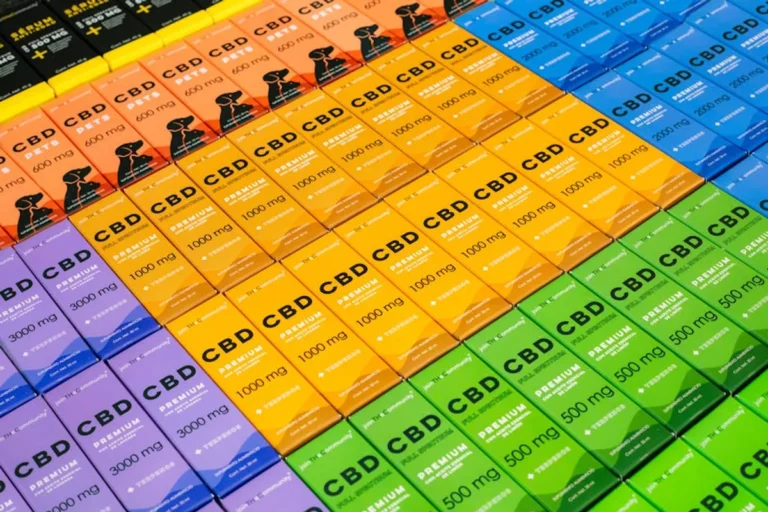

For consumers navigating the expanding CBD market, trust is not a luxury; it is a prerequisite. A transparent CBD product page directly addresses this need, transforming skepticism into confidence. It goes beyond merely listing a product for sale; it proactively provides the critical information buyers require to make informed decisions about what they are consuming. This clarity is not just about ethical practice; it is a commercial imperative that drives conversions, reduces customer service inquiries, and builds lasting brand loyalty in a highly regulated and often confusing industry.
Core Elements of a Transparent CBD Product Page
Accessible Third-Party Lab Reports (COAs)
The Certificate of Analysis (COA) is the cornerstone of trust for any CBD product. A transparent product page does not merely state that COAs are available; it integrates them directly and accessibly. This means a clear, prominent link to the specific COA for the exact batch number of the product being sold. Consumers should be able to verify:
- Cannabinoid Profile: Exact percentages of CBD, THC (ensuring it's below legal limits), and other minor cannabinoids.
- Purity and Potency: Confirmation that the stated CBD content matches the lab results.
- Contaminant Screening: Testing for heavy metals, pesticides, residual solvents, and microbial impurities.
Justification: Direct COA access eliminates guesswork and allows immediate verification of product claims, directly mitigating consumer risk perception and fostering trust. Without this, claims of "pure" or "potent" remain unsubstantiated marketing. The absence of specific batch-matched COAs is a significant red flag for discerning buyers.
Detailed Product Specifications
Beyond the COA, a transparent product page provides comprehensive details about the product itself. This includes more than just the basics. Essential specifications include:
- CBD Type: Full-spectrum, broad-spectrum, or isolate. This dictates the presence of other cannabinoids and THC.
- Extraction Method: CO2 extraction is generally preferred for its purity.
- Hemp Source: Origin of the hemp (e.g., U.S.-grown, organic certifications).
- Ingredients List: Full disclosure of all ingredients, including carrier oils, flavorings, and any additives, with clear identification of potential allergens.
- Suggested Use/Dosage: Clear, practical guidance on how to use the product, including starting doses and frequency.
- Volume/Concentration: Total CBD content per bottle and CBD content per serving (e.g., mg per dropper).
Justification: These details empower consumers to compare products accurately, understand potential effects, and ensure the product aligns with their dietary restrictions or preferences. Lack of specificity here forces users off-page to seek answers, increasing bounce rates and reducing conversion likelihood. Lack of specificity can lead consumers to look for common red flags to watch when comparing products.
Clear Labeling and Packaging Information
The product page should accurately reflect what the consumer will receive. This means high-resolution images of the actual product packaging, including all sides that display ingredients, nutritional facts (if applicable), and usage instructions. Any discrepancies between the online representation and the physical product erode confidence.
Justification: Consistency between the digital and physical product reinforces credibility. It also proactively addresses consumer concerns about mislabeling or outdated information, which are common issues in rapidly evolving product categories.
Building Trust Through Content and Design
Educational Content and Usage Guidance
A transparent product page anticipates consumer questions and provides answers proactively. This involves integrating educational elements directly into the page or linking to relevant resources. This might include:
- Explanations of different CBD types and their potential effects.
- Guidance on how to determine an appropriate dosage.
- Information on potential interactions with other substances (with disclaimers to consult a healthcare professional).
- Storage recommendations to maintain product efficacy.
Justification: By educating the consumer, the product page reduces perceived risk and helps set realistic expectations. This approach positions the brand as an authority and resource, not just a seller, fostering long-term customer relationships.
Authentic Customer Reviews and Testimonials
Integrating a robust, verifiable review system directly on the product page provides invaluable social proof. Features to look for include:
- Verified Purchase Badges: Confirmation that the reviewer actually bought the product.
- Detailed Feedback: Reviews that go beyond star ratings, offering specific experiences.
- Photo/Video Submissions: Visual proof from real users.
- Brand Responses: Demonstrating engagement and customer service.
Justification: Authentic reviews build trust by showing real-world experiences. They address common concerns and provide perspectives that brand messaging alone cannot. Transparency here means not hiding negative feedback but addressing it constructively.
Transparent Company Information
A transparent product page is part of a transparent brand. This means easy access to company details, including:
- A clear "About Us" section detailing the company's mission, values, and manufacturing practices.
- Accessible customer support contact information (email, phone, chat).
- Clear, unambiguous return and refund policies.
Justification: Knowing who stands behind the product and how to contact them for support or issues significantly enhances consumer confidence. It demonstrates accountability and commitment to customer satisfaction.
Pro Tip: Ensure that all COAs linked from your product pages are specific to the batch number of the product currently being sold. Outdated or generic COAs undermine transparency and can lead to consumer distrust. Implement a system that automatically updates COA links as inventory batches change, or clearly indicate the batch number on the product itself and link to its corresponding report.
Technical Implementation for SEO and User Experience
Structured Data Markup (Schema.org)
Implementing appropriate Schema.org markup directly enhances the transparency and discoverability of product information. Specifically, using Product schema, AggregateRating for reviews, and Offer schema for pricing and availability allows search engines to better understand and display key product details directly in search results. This can include star ratings, price ranges, and stock status.
Justification: Rich snippets from structured data provide immediate, at-a-glance information to potential buyers directly on the SERP, improving click-through rates and reducing the need for users to click to find basic information. This pre-qualifies traffic and signals to search engines that the page is comprehensive and trustworthy.
Mobile Responsiveness and Page Speed
A transparent product page is also an accessible product page. Ensuring the page loads quickly and displays correctly on all devices, particularly mobile, is critical. Slow load times or broken layouts obscure information, regardless of its quality.
Justification: A fast, mobile-friendly experience ensures that users can access critical transparency elements (like COAs or detailed ingredient lists) without frustration, which directly impacts bounce rates and conversion paths. Search engines prioritize user experience, making technical performance a direct factor in visibility.
Actionable Steps for Enhancing Product Page Transparency
To establish and maintain a truly transparent CBD product page, prioritize these actions:
- Audit Existing COA Links: Verify that every product links to its current, batch-specific third-party lab report.
- Expand Product Detail Fields: Review product descriptions to ensure all key specifications (hemp source, extraction, full ingredient list) are explicitly stated.
- Integrate Educational Modules: Develop and embed concise explanations for CBD types, usage, and benefits directly on product pages or via clearly linked resources.
- Optimize Review Collection: Implement or improve a system for gathering and displaying verified customer reviews, including photo/video options.
- Review Company Information Accessibility: Ensure "About Us," contact, and policy pages are easily navigable from product pages.
- Implement/Update Schema Markup: Work with development teams to ensure accurate Product, Offer, and AggregateRating schema is deployed.
- Test Mobile Experience and Page Speed: Regularly audit product page performance across devices and optimize for faster load times.
Frequently Asked Questions About CBD Product Page Transparency
Why are third-party lab reports (COAs) crucial for CBD products?
COAs provide independent verification of a CBD product's cannabinoid content and confirm it is free from harmful contaminants like pesticides, heavy metals, and mold. They are the primary tool for consumers to verify product claims and ensure safety.
What specific details should a transparent CBD product page include about ingredients?
A transparent page should list all ingredients, including the CBD type (full-spectrum, broad-spectrum, isolate), carrier oils, flavorings, and any other additives. It should also specify the hemp source and extraction method used. This clarity helps consumers understand how to spot the marketing hype around CBD types.
How does structured data (Schema.org) contribute to product page transparency?
Structured data allows search engines to understand and display key product information, such as price, availability, and customer ratings, directly in search results. This provides immediate transparency to potential buyers, helping them make informed decisions before clicking.
Can customer reviews genuinely enhance product page transparency?
Yes, authentic customer reviews, especially those from verified purchasers, offer real-world perspectives on product effectiveness and user experience. They provide social proof and can address specific concerns that official product descriptions might not cover, contributing to a more complete picture for new buyers.