
The market for CBD products tailored to sleep support has expanded significantly, presenting consumers with a diverse, often overwhelming, array of choices. Navigating this landscape requires more than just browsing product descriptions; it demands a critical approach centered on specific questions to ensure product efficacy, safety, and value. Before committing to a purchase, understanding the nuances of CBD formulations, sourcing, testing, and delivery methods is paramount. This guide outlines the essential inquiries to make, empowering you to select a CBD product that aligns with your specific sleep needs and health considerations. To navigate this expanding market, consider the specific questions worth asking before buying any sleep aid.
Understanding CBD Formulations and Potency
What Type of CBD Is Best for Sleep?
The distinction between full-spectrum, broad-spectrum, and CBD isolate is critical for sleep applications. Full-spectrum CBD contains all naturally occurring compounds from the hemp plant, including cannabinoids (like trace amounts of THC, typically below 0.3%), terpenes, and flavonoids. This composition is often associated with the "entourage effect," where these compounds work synergistically to enhance therapeutic benefits. For sleep, the presence of specific terpenes like myrcene or linalool, known for their sedative properties, can be particularly beneficial. Understanding the differences between these types is key when considering broad-spectrum CBD for sleep.
Broad-spectrum CBD offers a similar profile but with the THC completely removed. This option is suitable for individuals who wish to avoid THC entirely, whether due to personal preference, employment drug testing concerns, or sensitivity, while still benefiting from other plant compounds. CBD isolate, conversely, is pure CBD with all other plant materials removed. While it lacks the potential synergistic effects of full-spectrum or broad-spectrum products, it guarantees zero THC and can be a viable option for those sensitive to other cannabinoids or who require absolute purity.
What's the Right Potency for My Needs?
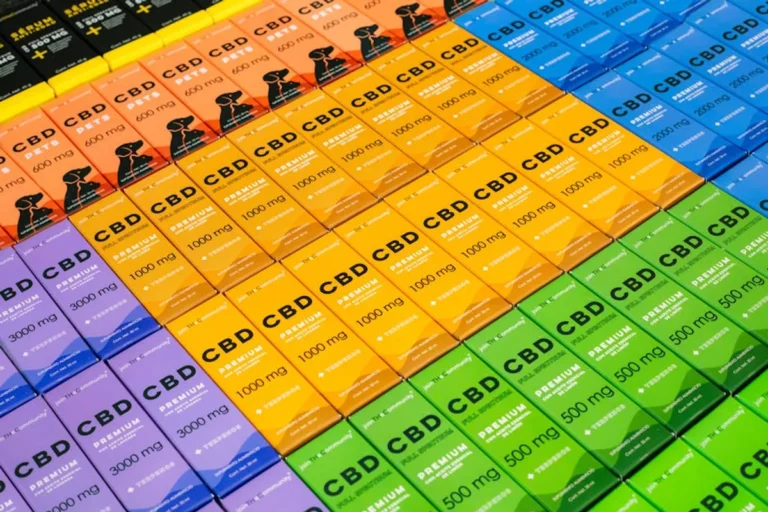
CBD potency is typically measured in milligrams (mg) per serving or per bottle. For sleep, starting with a lower potency product and gradually increasing the dose is a common recommendation. A product labeled 500mg might contain 16.6mg per 1ml serving, whereas a 1500mg product could offer 50mg per 1ml. The optimal dose for sleep varies significantly among individuals, influenced by factors such as body weight, metabolism, the severity of sleep issues, and individual endocannabinoid system response. A product with a clearly stated total CBD content and a precise serving size allows for accurate dosing adjustments.
Consider products that specify the CBD concentration per dose, not just per container. This clarity is essential for consistent and controlled intake. Some products also incorporate additional sleep-supportive ingredients like melatonin, CBN (cannabinol), or botanicals such as chamomile or valerian root. While these can enhance sleep benefits, it's important to understand the contribution of each ingredient and its potential interactions.
Ingredient Transparency and Product Quality
Where Does the Hemp Come From?
The origin of the hemp plant directly impacts the quality and safety of the final CBD product. Hemp is a bioaccumulator, meaning it readily absorbs compounds from the soil, including beneficial nutrients and harmful toxins like heavy metals, pesticides, and herbicides. Reputable brands will source their hemp from farms that adhere to strict organic farming practices, ideally within regions known for stringent agricultural regulations. Look for explicit statements regarding the hemp's origin, such as "grown in the USA" or specific European regions, and certifications that attest to organic or sustainable cultivation methods. This transparency ensures that the raw material is free from undesirable contaminants before processing.
How Is the Product Tested?
Third-party lab testing is non-negotiable for verifying the purity and potency of any CBD product. Brands should provide easily accessible Certificates of Analysis (COAs) for each batch. A comprehensive COA will detail:
- Cannabinoid Profile: Confirms the exact amounts of CBD, THC, and other cannabinoids present, verifying the product's stated potency and spectrum.
- Pesticide Testing: Ensures the product is free from harmful agricultural chemicals.
- Heavy Metals: Verifies the absence of lead, mercury, arsenic, and cadmium, which can be absorbed from contaminated soil.
- Residual Solvents: Confirms that no harmful solvents from the extraction process remain in the final product.
- Microbial Contaminants: Checks for mold, yeast, and bacteria.
Always cross-reference the batch number on the product packaging with the COA to ensure you are viewing the results for the specific item you intend to purchase. Absence of readily available, up-to-date COAs is a significant red flag.
Pro Tip: When reviewing a Certificate of Analysis (COA), pay close attention to the date of testing. A COA should be recent, ideally within the last 12-18 months, and specific to the batch number of the product you are considering. Outdated or generic COAs may not accurately reflect the current product's quality or cannabinoid content.
Delivery Methods and Absorption Rates
How Quickly Do I Need It to Work?
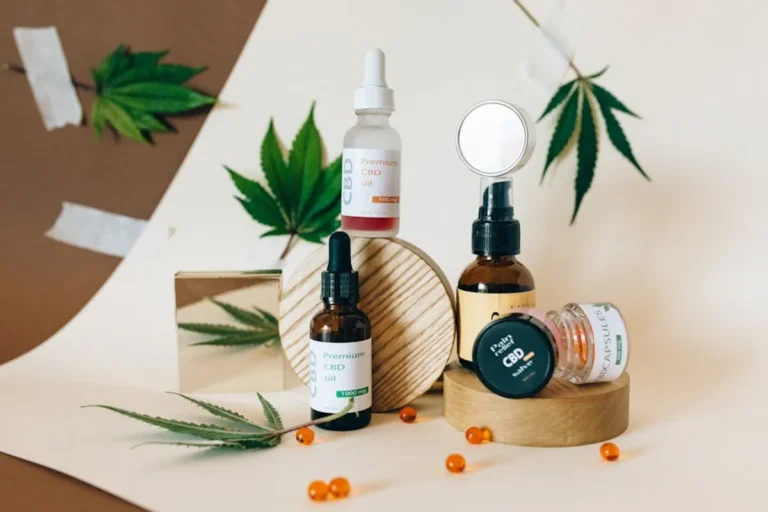
The speed at which CBD takes effect is largely determined by its delivery method. Sublingual tinctures (oils dropped under the tongue) offer relatively fast absorption, typically within 15-45 minutes, as CBD bypasses the digestive system and enters the bloodstream directly through mucous membranes. This method is often preferred for immediate pre-sleep use.
Edibles, such as gummies or capsules, must pass through the digestive system and liver before entering the bloodstream. This results in a delayed onset, usually 60-120 minutes, but often provides a longer-lasting effect. Vaping CBD offers the quickest onset, within minutes, as it enters the lungs and then the bloodstream directly. However, the long-term health implications of vaping are still under investigation, and it may not be suitable for everyone.
What's the Most Consistent Method?
Consistency in CBD absorption and effect can vary. Tinctures allow for precise dose titration, making it easier to find an optimal amount and maintain a consistent daily intake. Capsules offer a pre-measured, discreet dose, which can be convenient for consistent use but lacks the flexibility of titration. The bioavailability (the proportion of CBD that enters the circulation) also varies by method. Sublingual and inhaled methods generally have higher bioavailability than edibles, meaning a larger percentage of the CBD consumed reaches the bloodstream.
For sleep, a method that offers both a reasonable onset time and consistent effects is often preferred. Many users find tinctures or a combination of tinctures and edibles (for sustained release) to be effective strategies.
Brand Reputation and Customer Support
What Do Others Say About the Brand?
Before purchasing, research the brand's reputation. Look for reviews on independent third-party platforms, not just testimonials on the brand's own website. Pay attention to consistent feedback regarding product effectiveness, customer service, and transparency. A history of positive customer experiences, particularly concerning product consistency and responsive support, indicates a reliable brand. Conversely, recurring complaints about product quality, misleading claims, or poor customer service should be a deterrent.
Are There Clear Usage Guidelines?
A responsible brand will provide clear and comprehensive usage instructions, including recommended starting doses, methods of administration, and any specific considerations for sleep. This information should be readily available on product packaging and the brand's website. Look for resources that explain how to adjust dosage, what to expect, and potential interactions with other medications. The availability of knowledgeable customer support, accessible via phone, email, or chat, to answer specific questions about products and usage, further indicates a brand's commitment to consumer education and safety.
Making an Informed Choice
Selecting the right CBD product for sleep requires diligence and a methodical approach. By systematically addressing questions about formulation, potency, sourcing, testing, delivery methods, and brand credibility, you can significantly reduce the risk of purchasing an ineffective or unsafe product. Prioritize brands that offer complete transparency through easily accessible third-party lab reports, clear product information, and responsive customer support. Remember that individual responses to CBD vary, so be prepared to start with a low dose and adjust gradually while monitoring its effects on your sleep patterns. Consulting with a healthcare professional before integrating CBD into your sleep regimen is always advisable, especially if you are taking other medications or have underlying health conditions.
Frequently Asked Questions
Can CBD interact with other sleep medications?
Yes, CBD can interact with certain medications, including some sedatives, antidepressants, and antihistamines. It can affect how your liver processes these drugs, potentially increasing their concentration in your bloodstream. Always consult a healthcare professional before combining CBD with any prescription or over-the-counter sleep aids.
How long does it take for CBD to improve sleep?
The time it takes for CBD to improve sleep varies. Some individuals may notice effects within a few days, while for others, it might take several weeks of consistent use. Factors like dosage, individual metabolism, and the severity of sleep issues all play a role. It is generally recommended to use CBD consistently for at least 7-14 days to assess its full impact.
Is it possible to become dependent on CBD for sleep?
Current research suggests that CBD is not habit-forming and does not lead to physical dependence. Unlike some prescription sleep aids, CBD does not typically cause withdrawal symptoms upon cessation. However, individuals may develop a psychological reliance if they attribute all sleep improvements solely to CBD.
What's the difference between CBD and CBN for sleep?
CBD (cannabidiol) is well-known for its broad therapeutic effects, including calming properties that can support sleep. CBN (cannabinol) is a minor cannabinoid that is a byproduct of THC degradation. While research is still emerging, CBN is often specifically associated with sedative effects and is sometimes marketed as the "sleepy cannabinoid." Many sleep-focused CBD products now include CBN to potentially enhance their efficacy.